The 2026 In-Depth Evaluator Training Held in Ankara
- Date 7 October 2026
The 2026 In-Depth Evaluator Training Held in Ankara
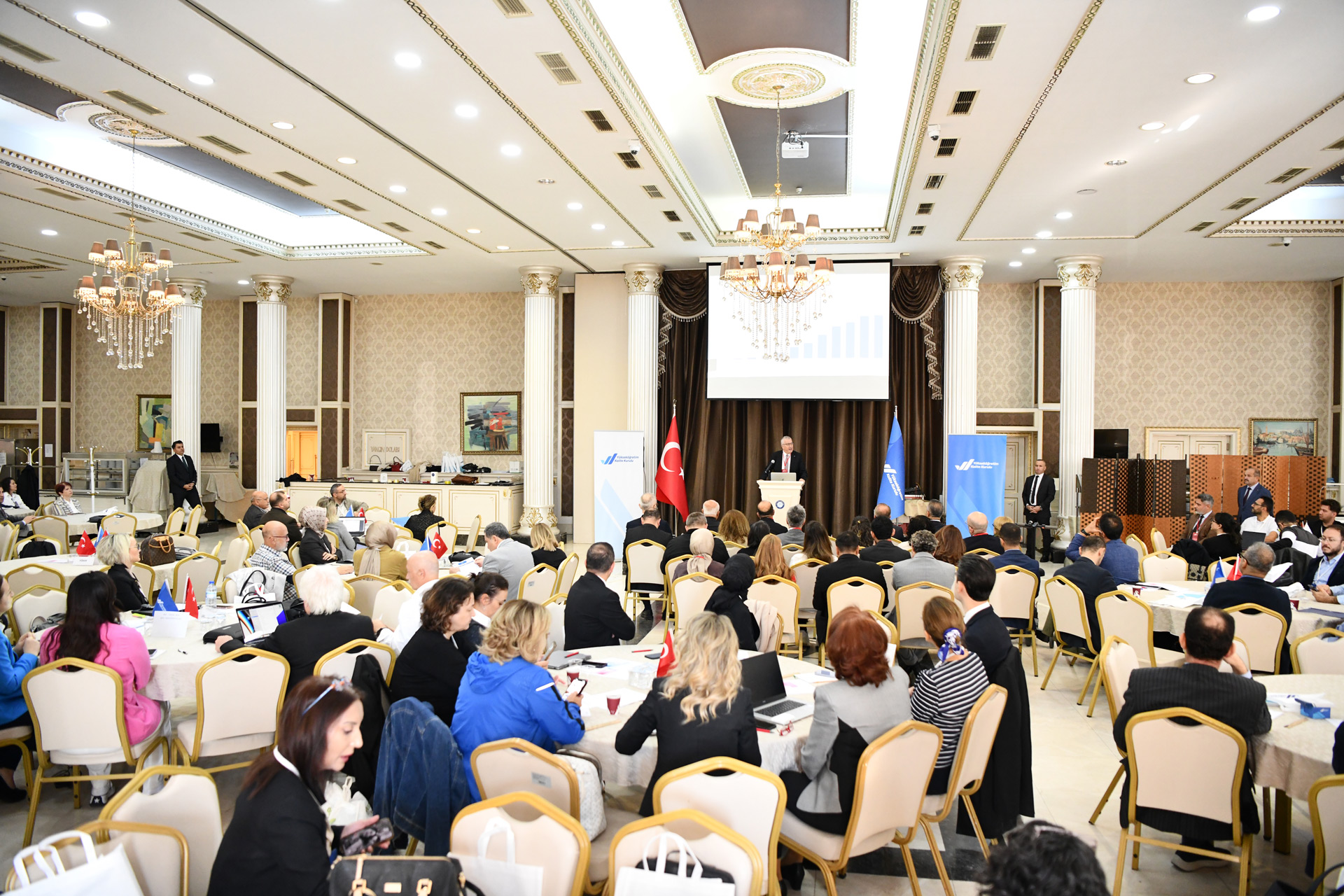
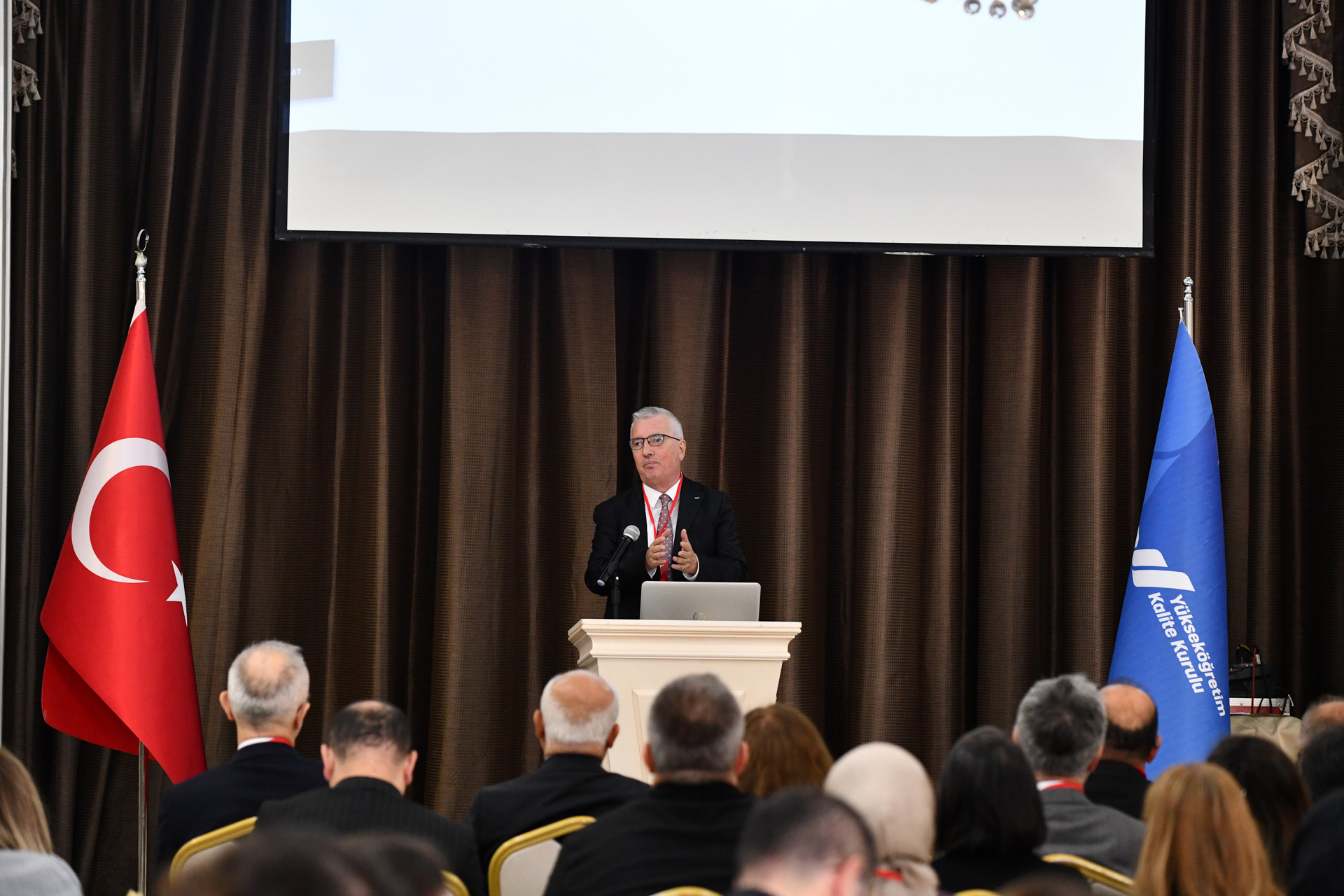
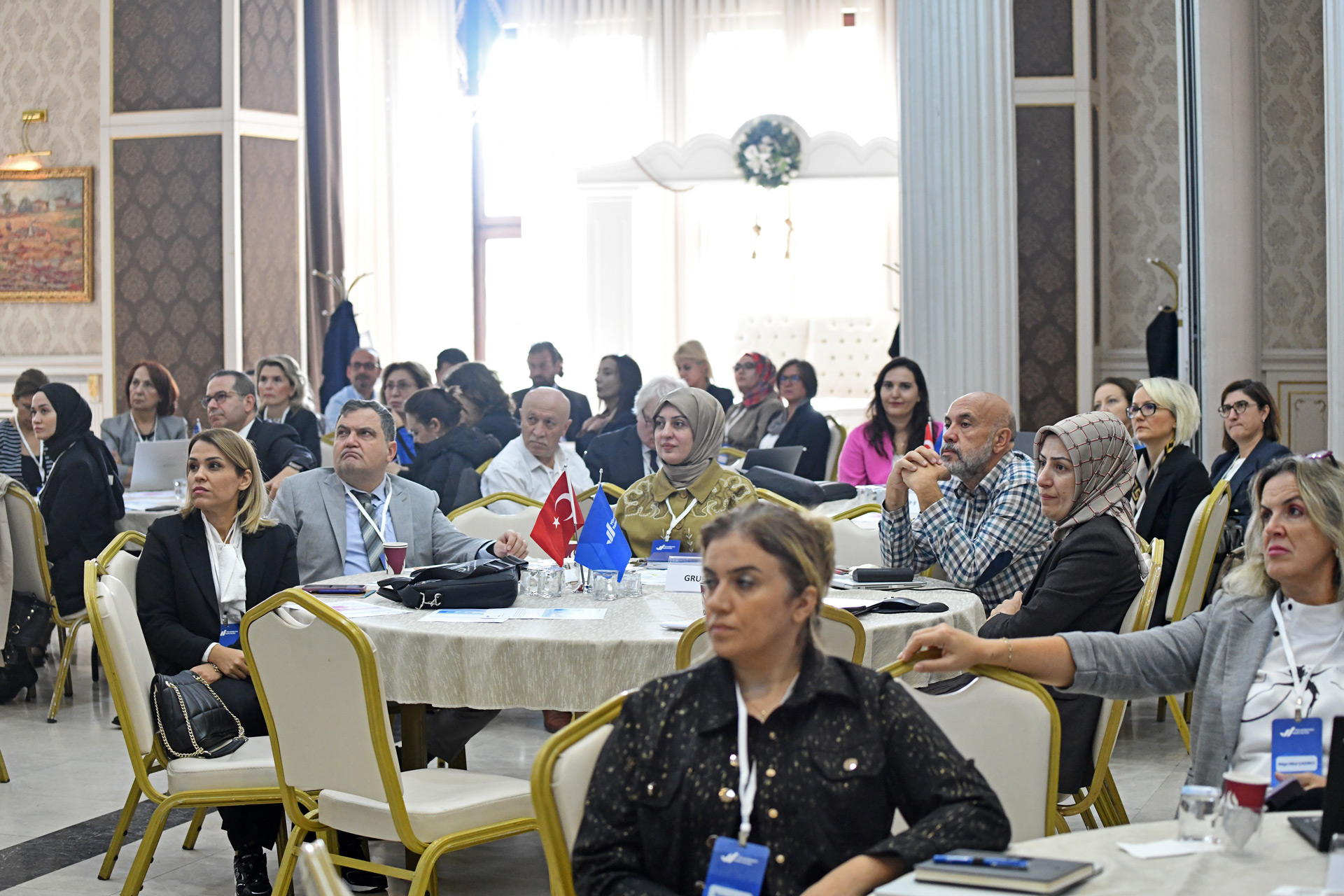
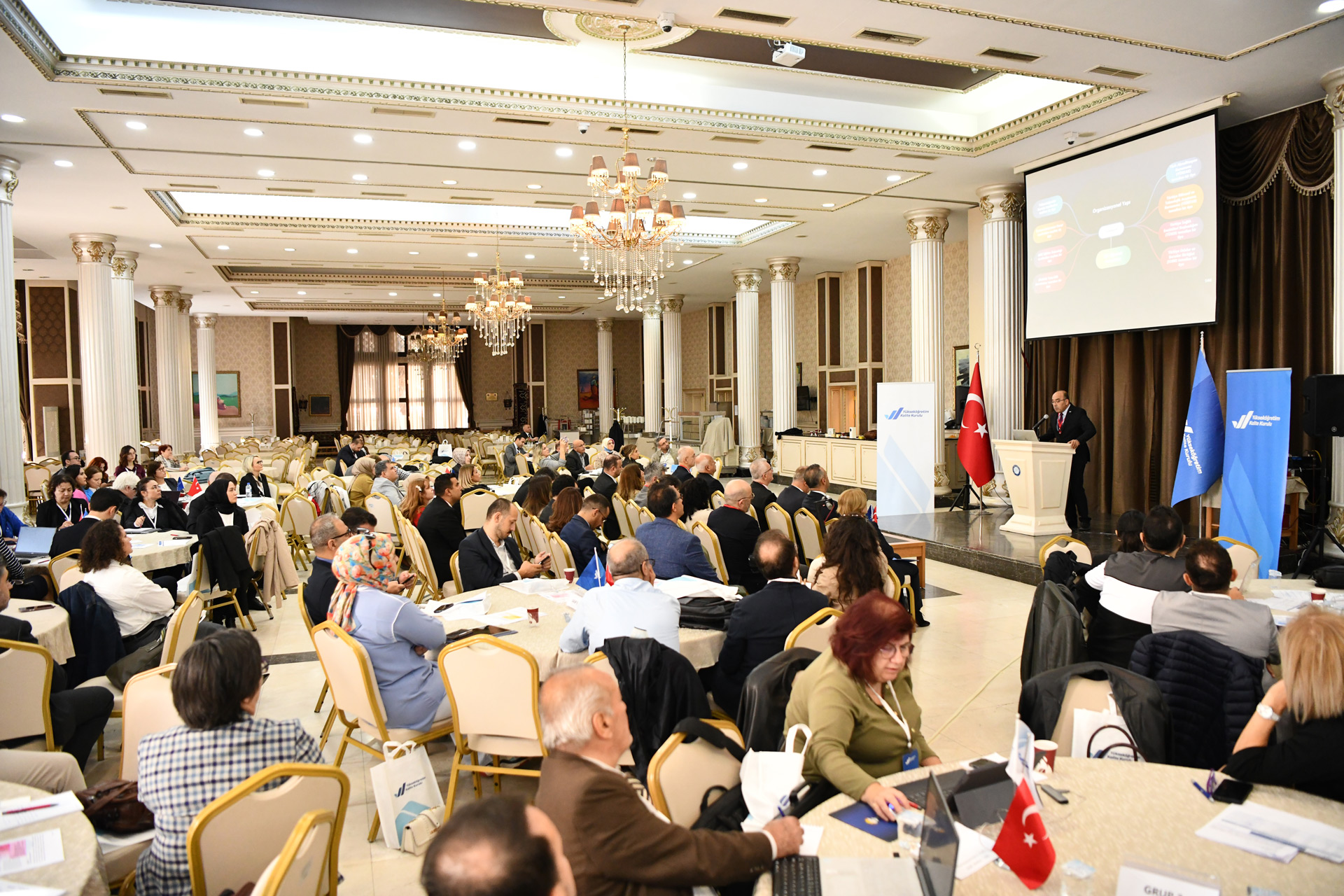
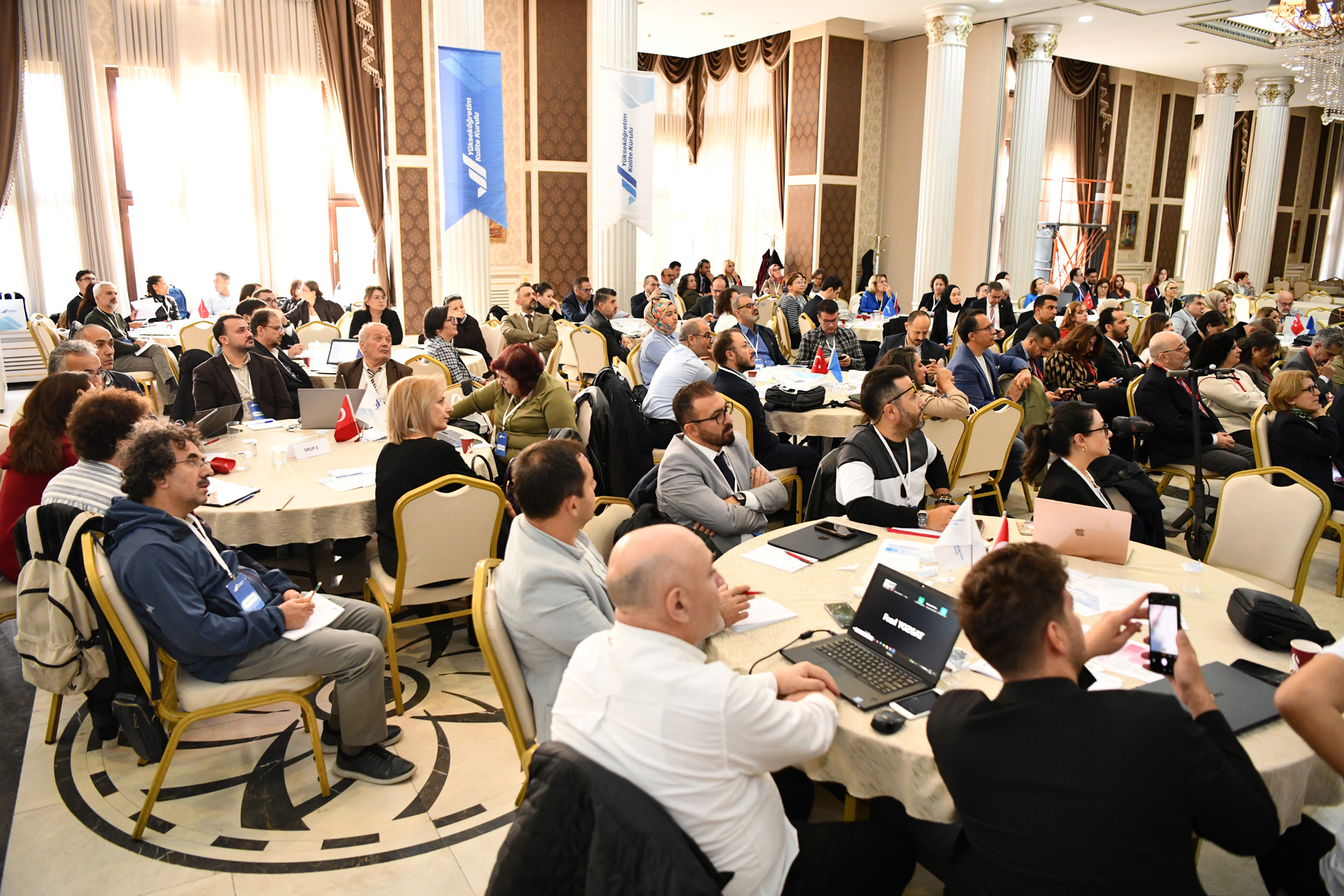
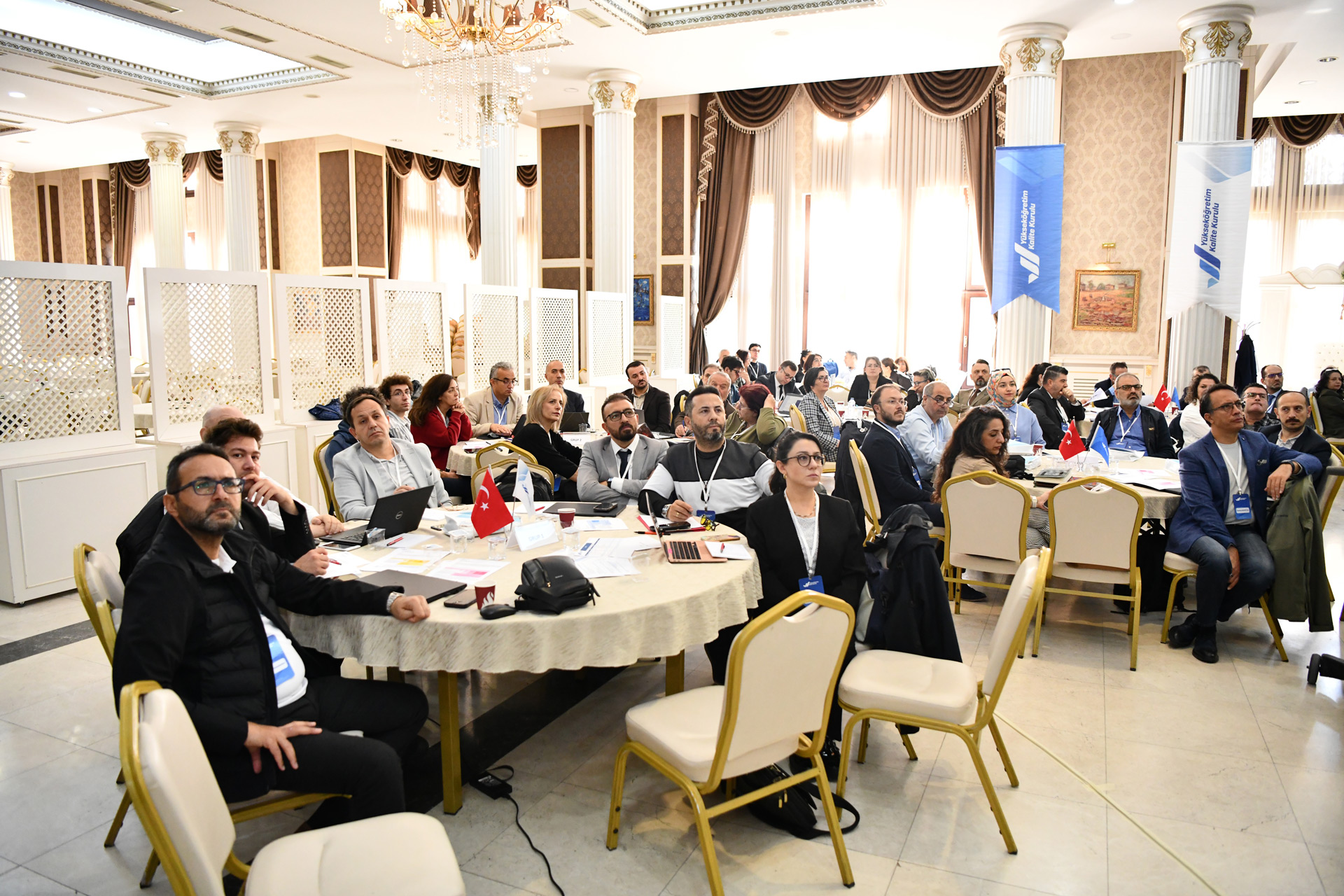
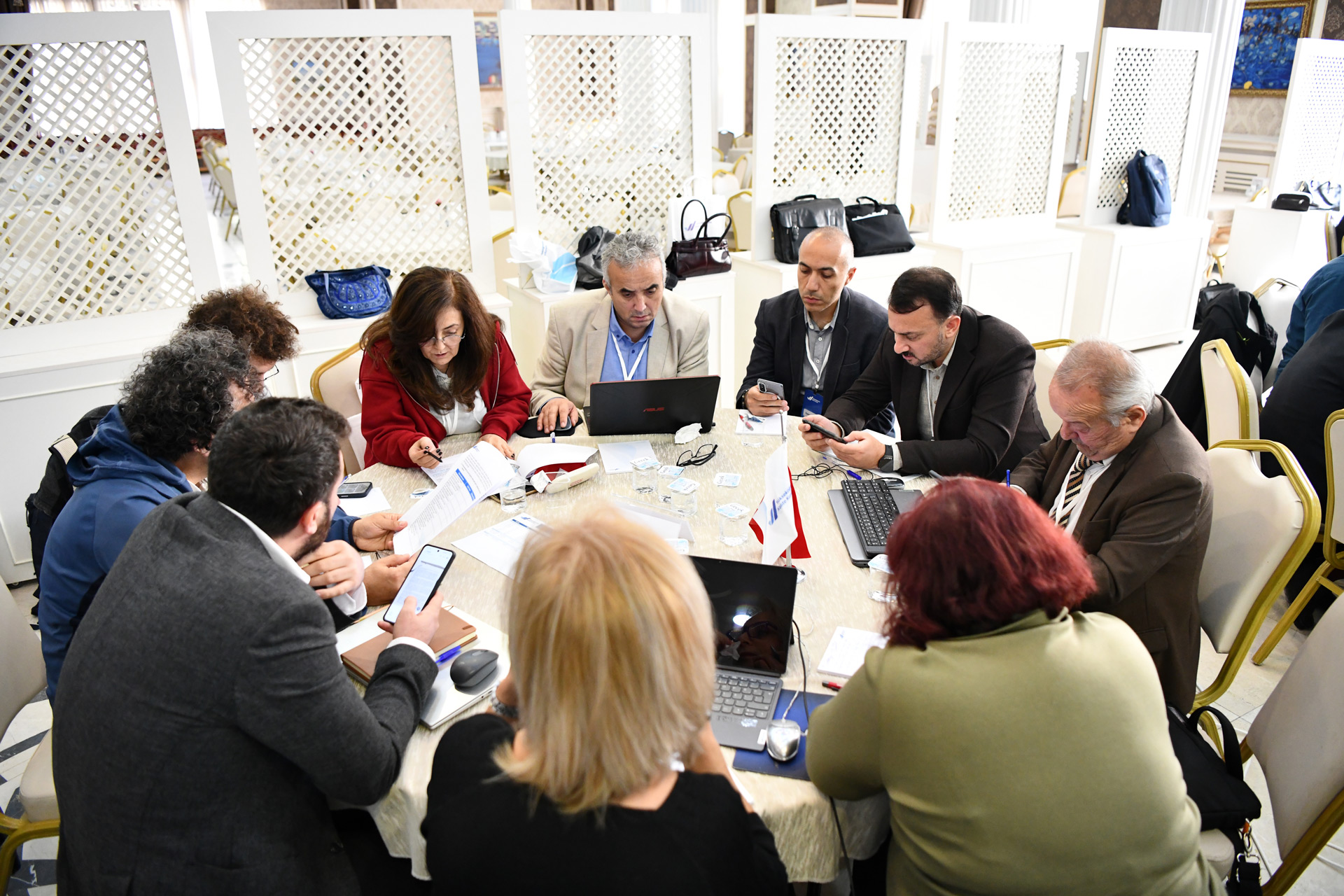
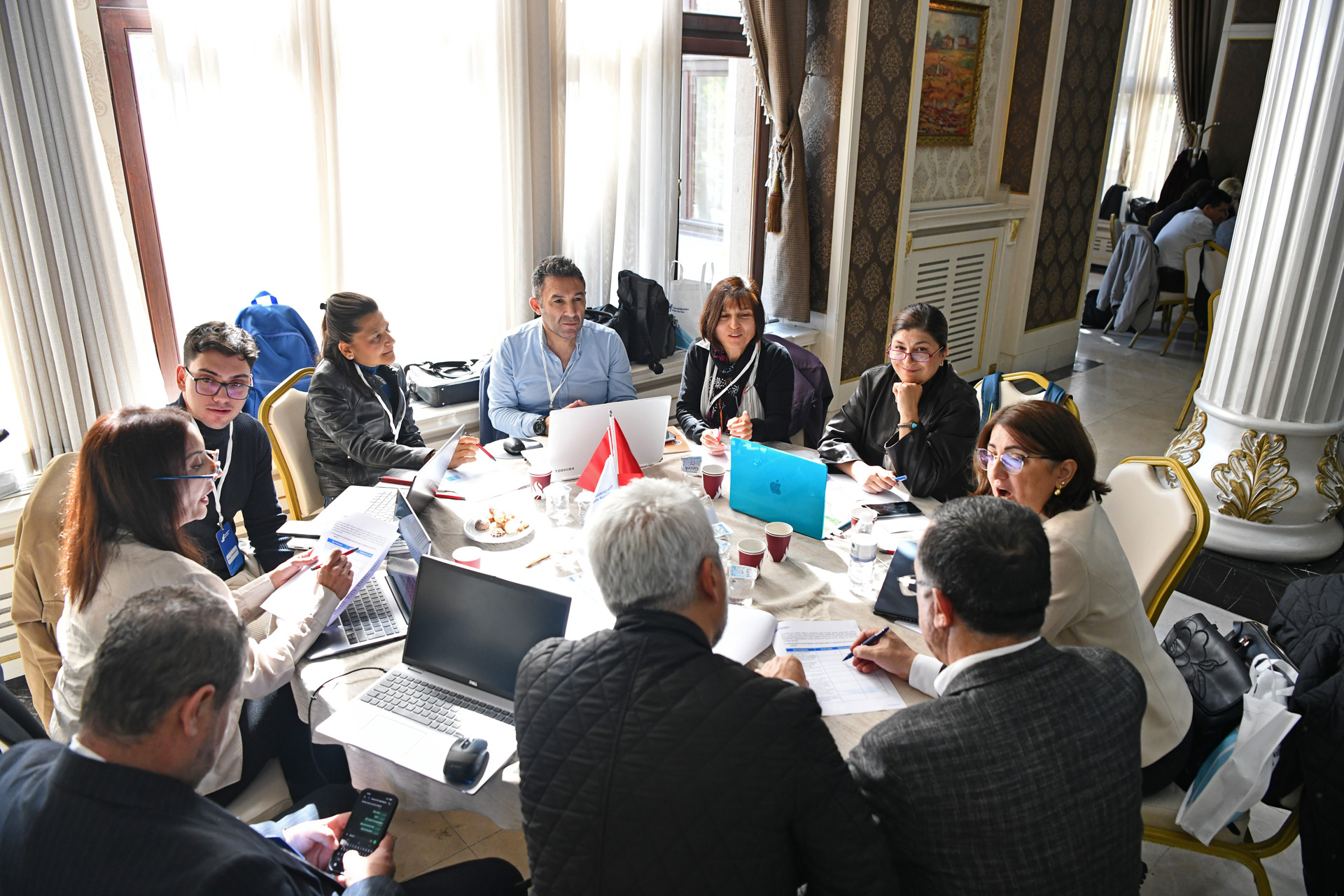
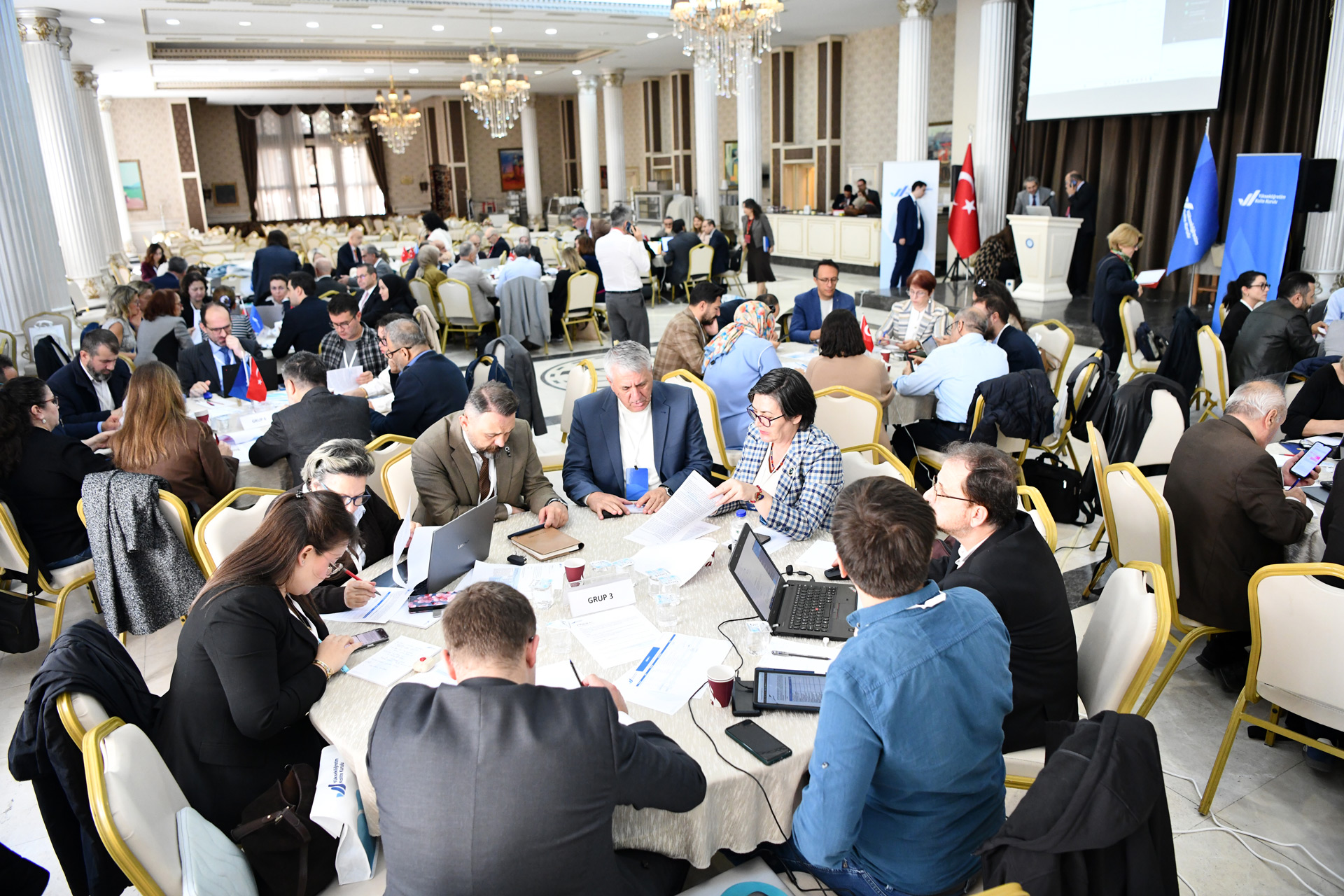
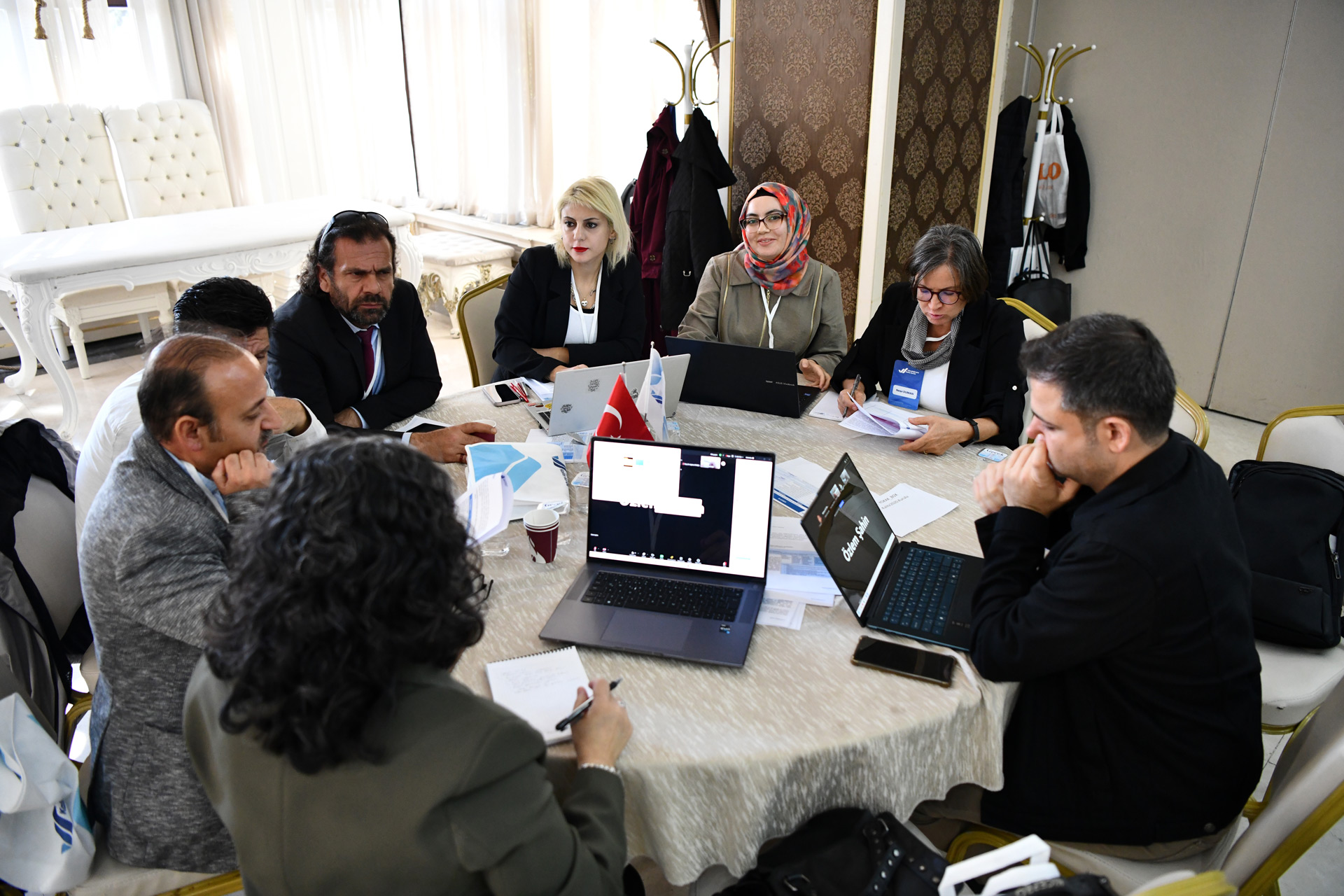
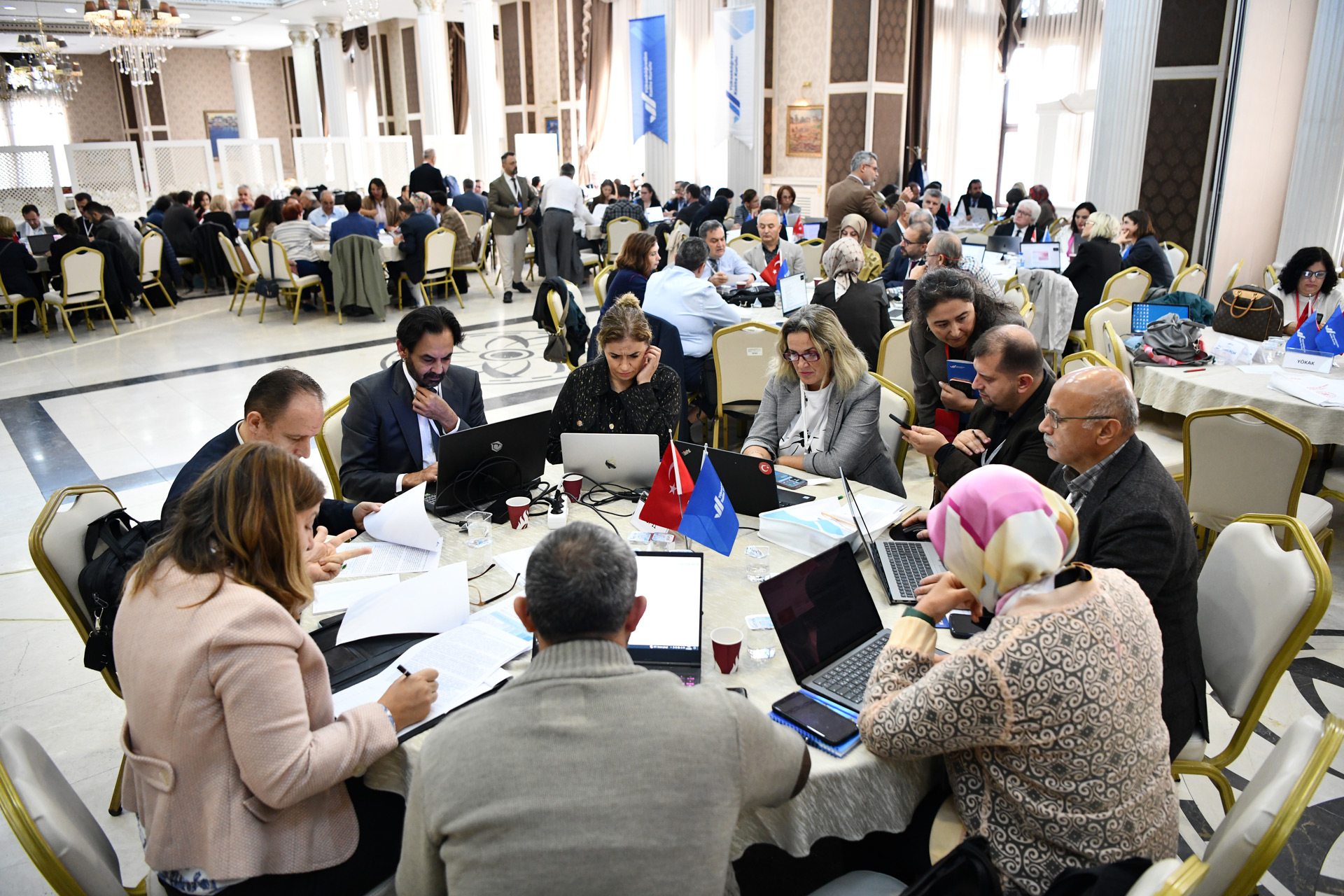
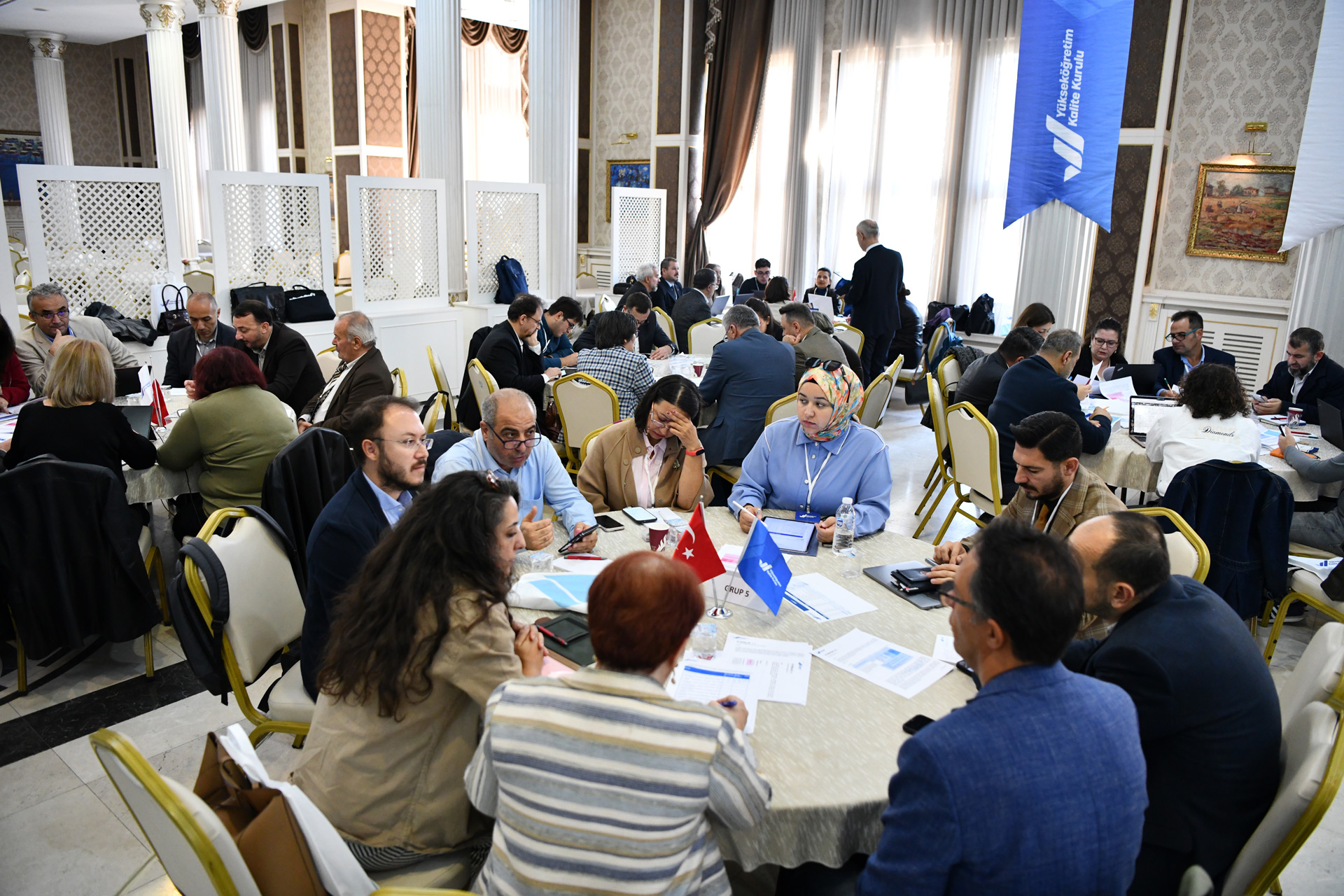
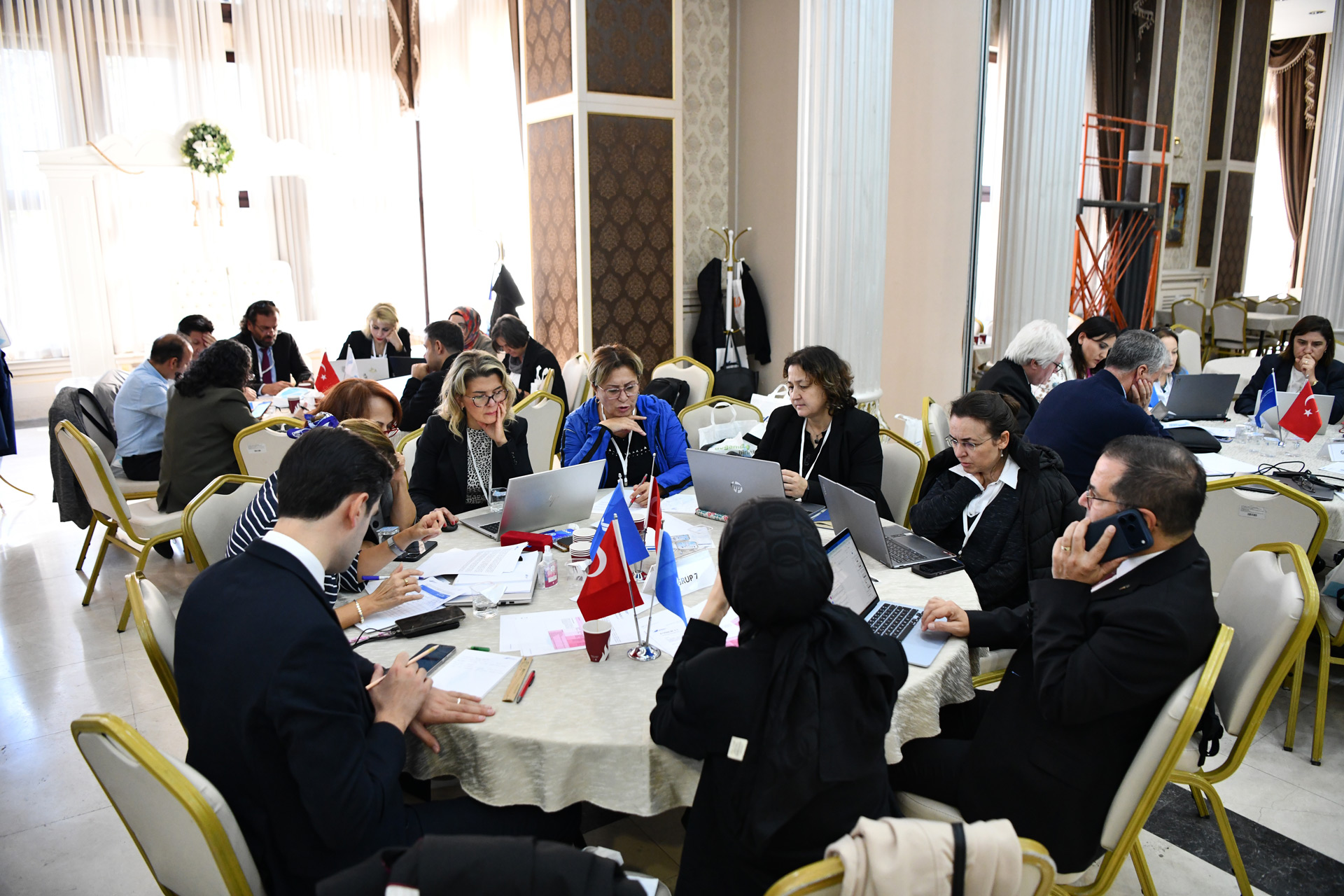
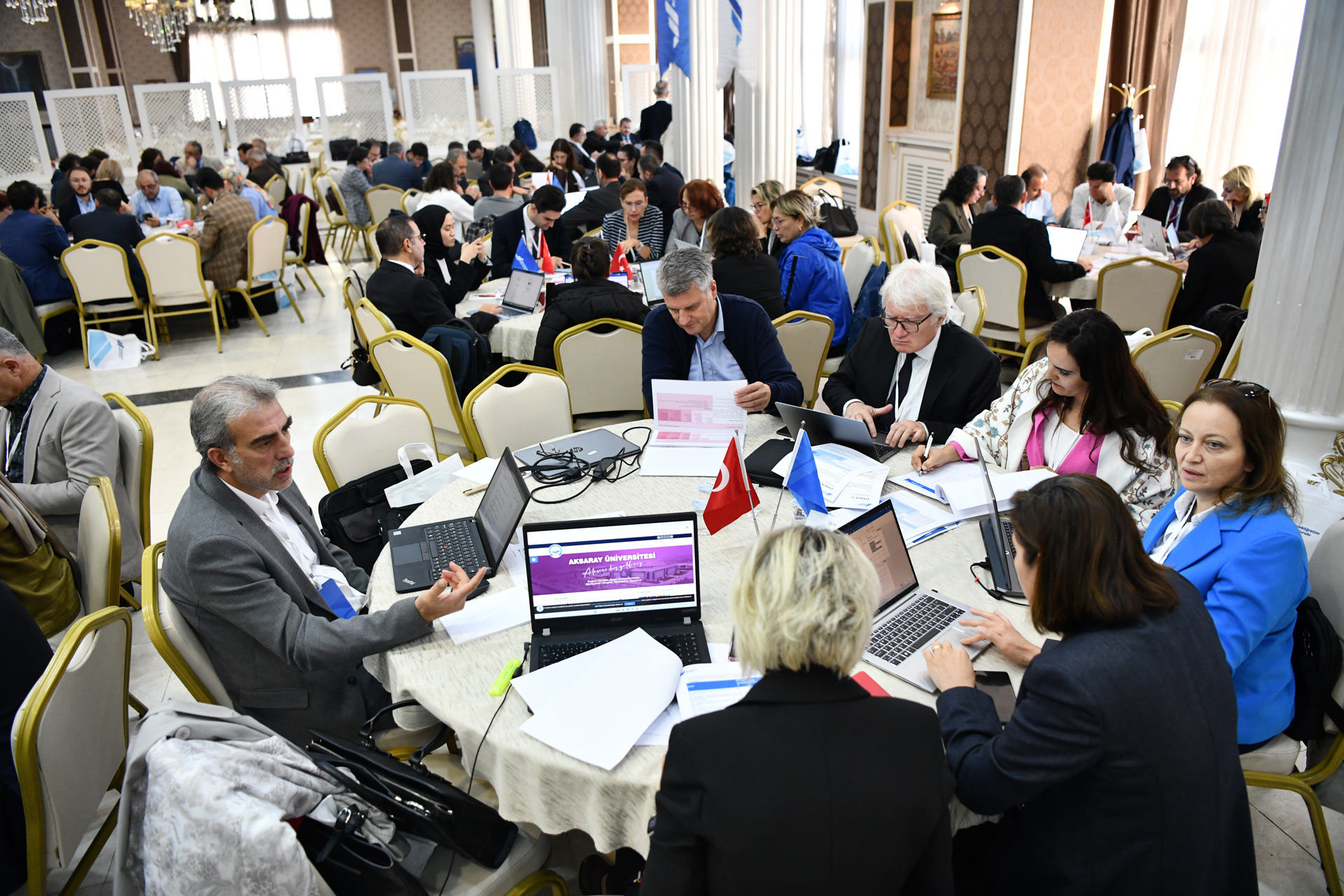
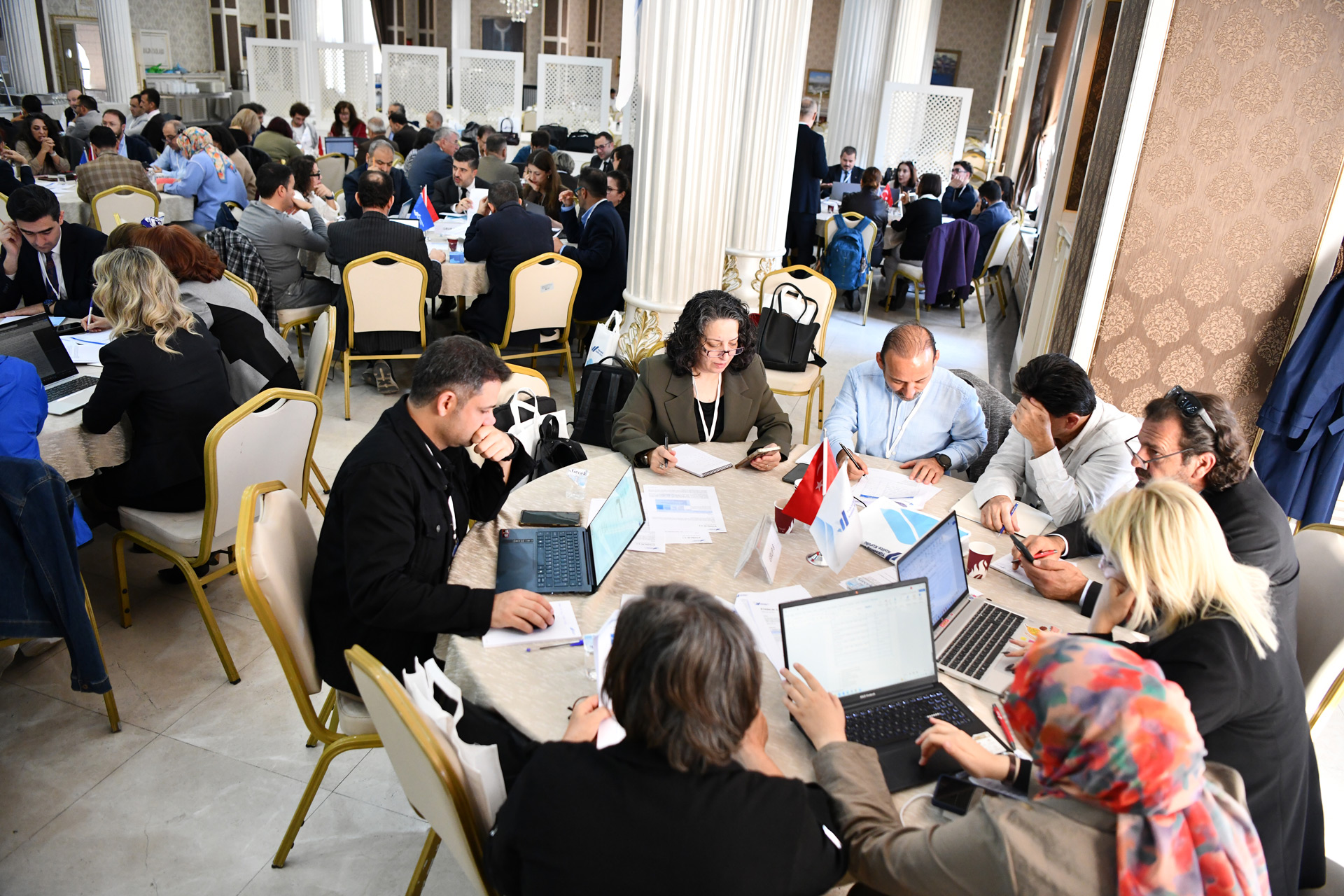
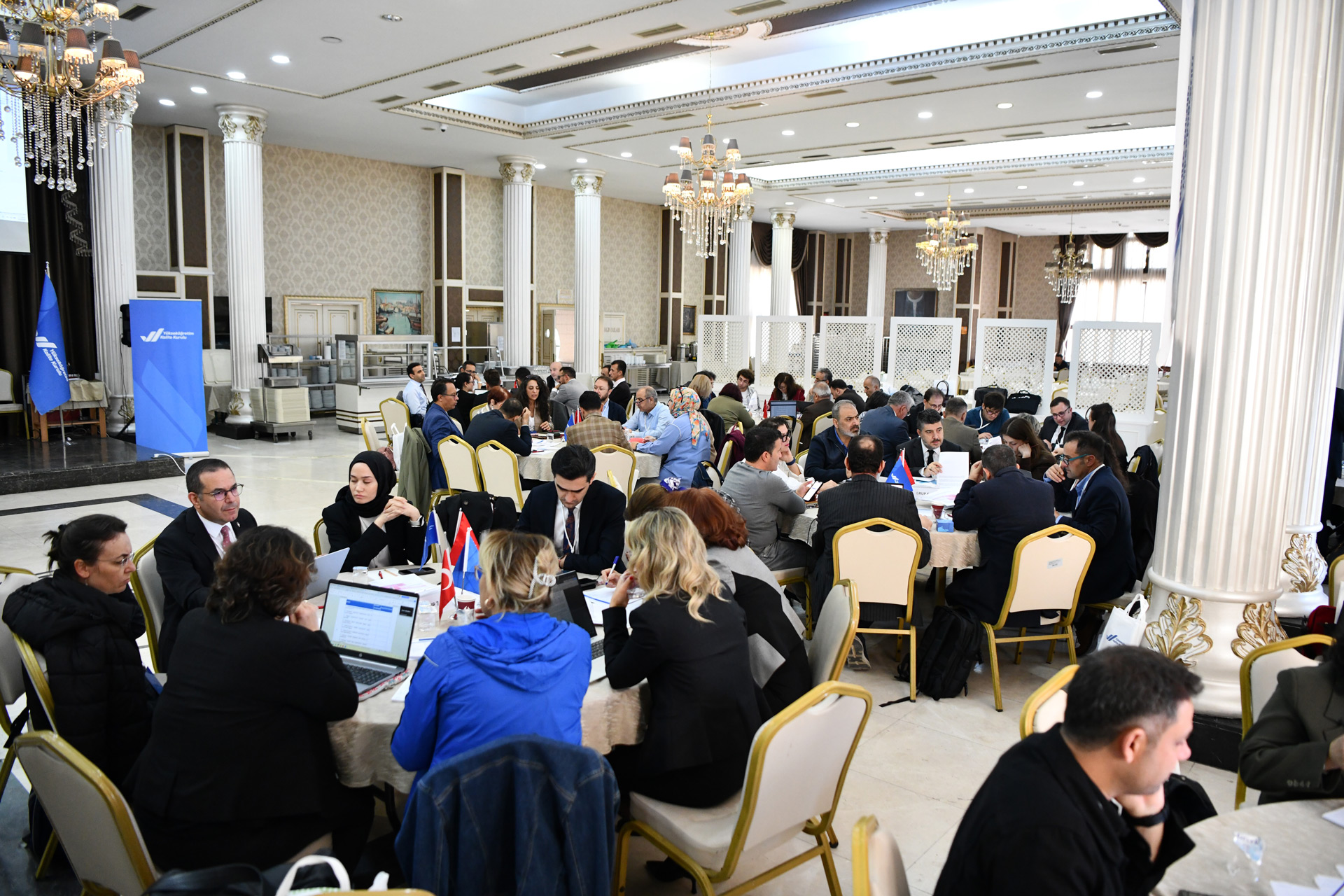
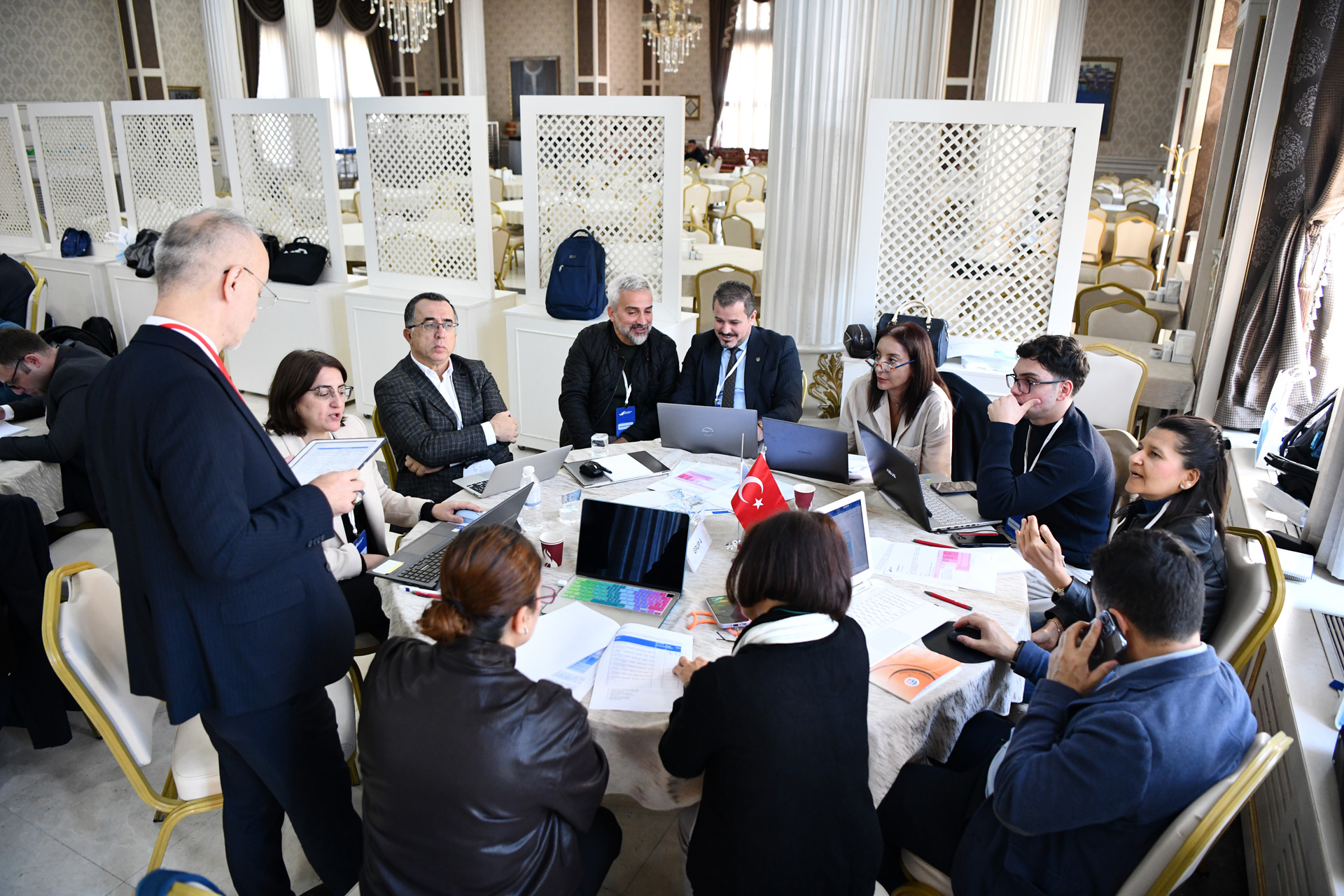
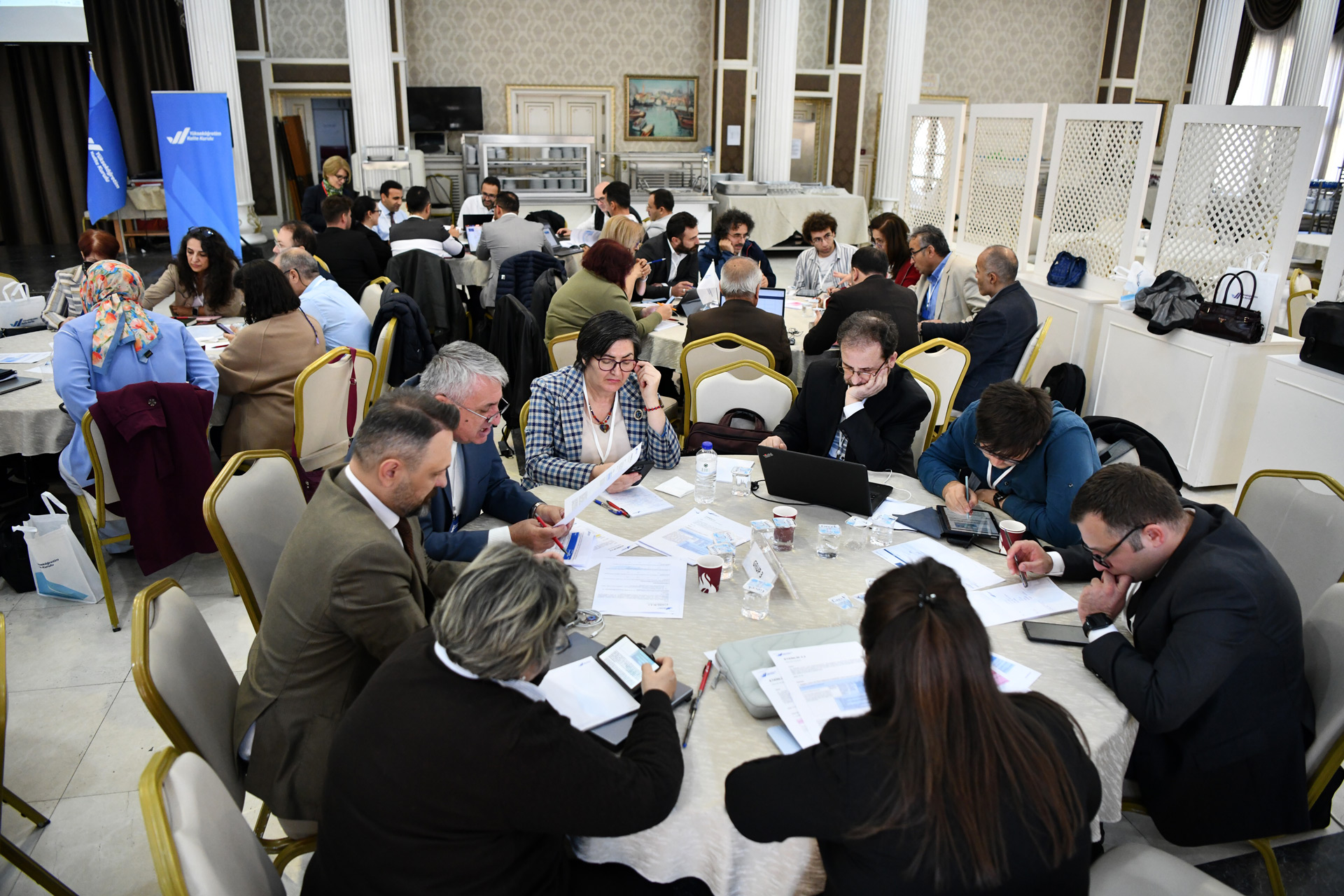
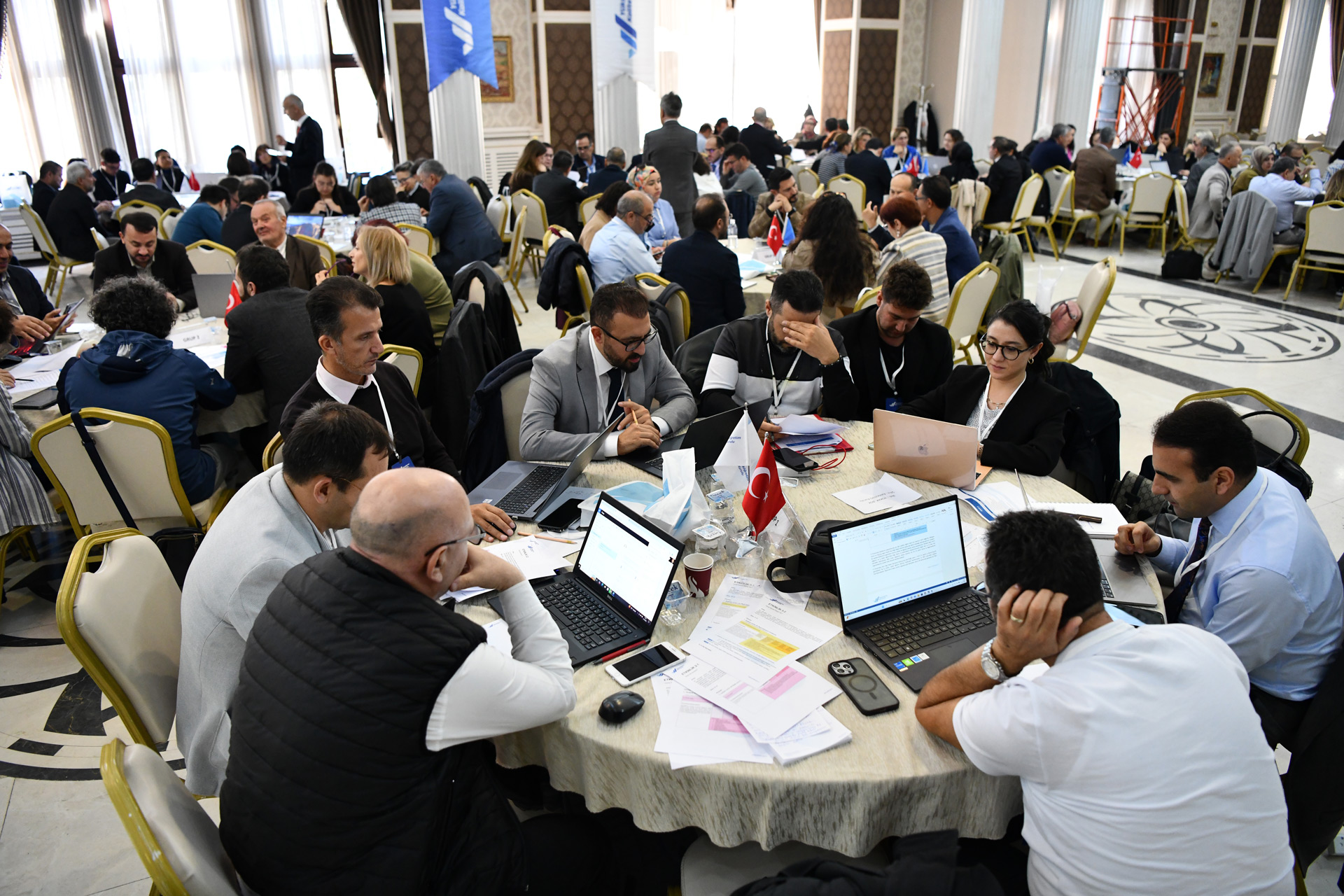
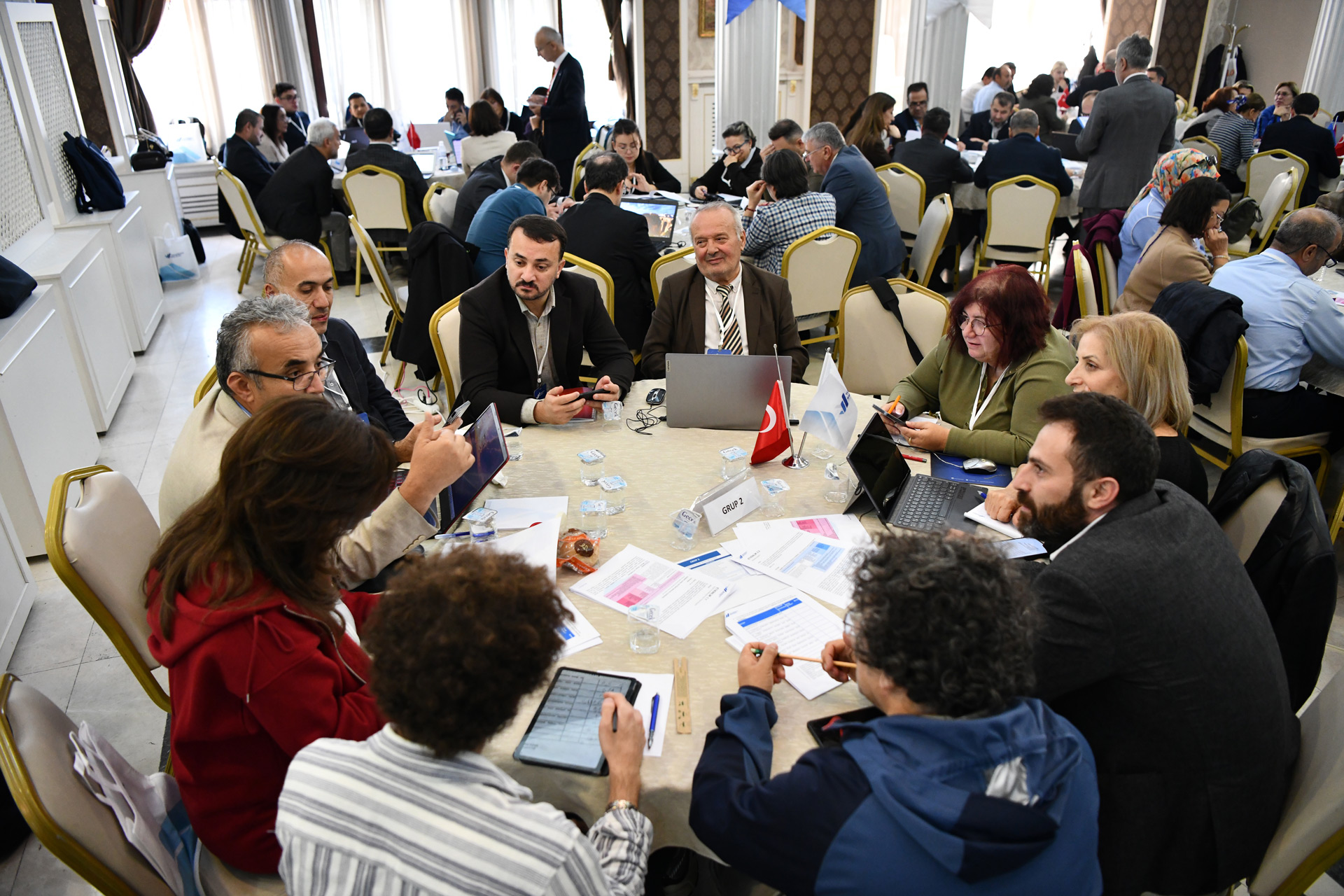
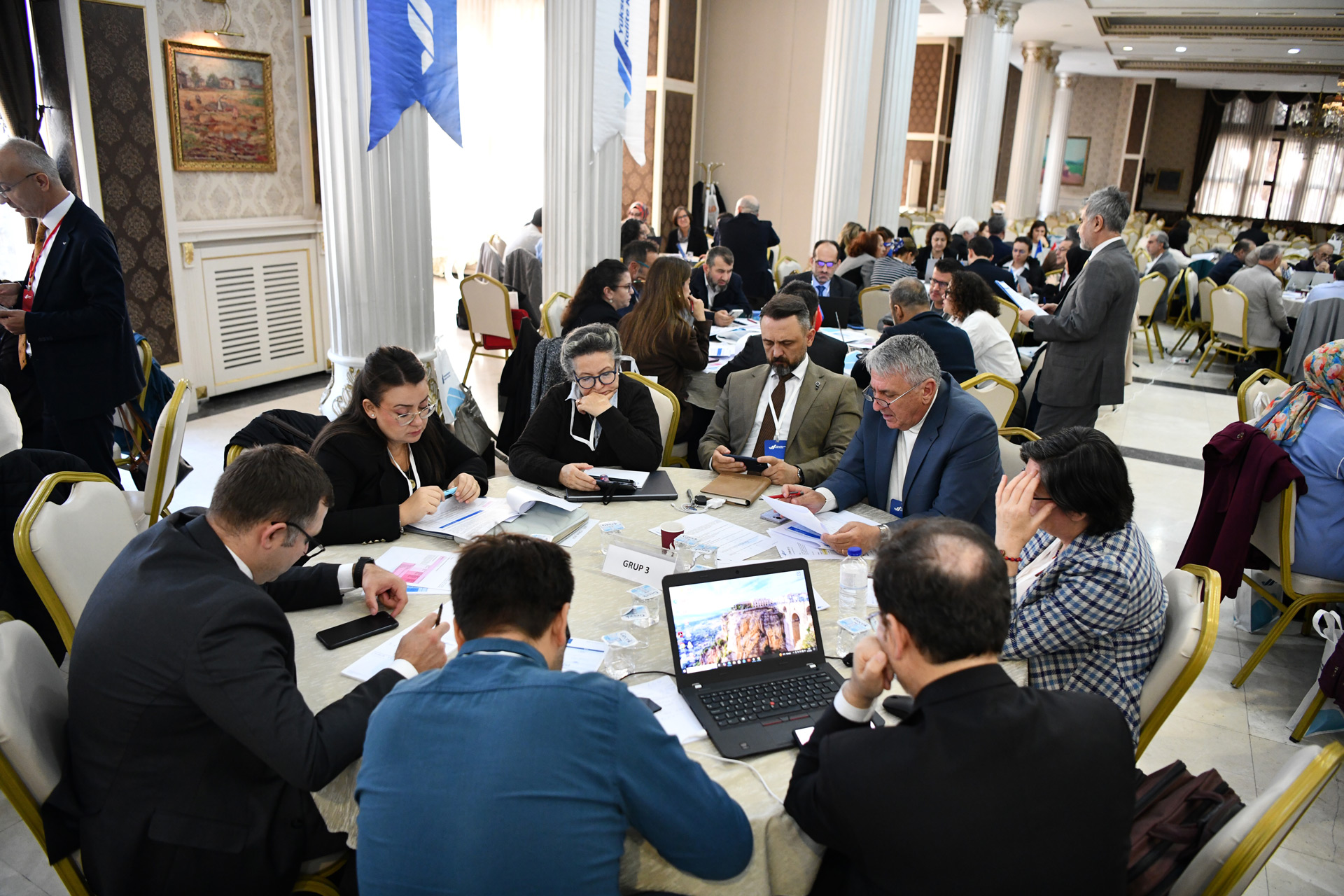
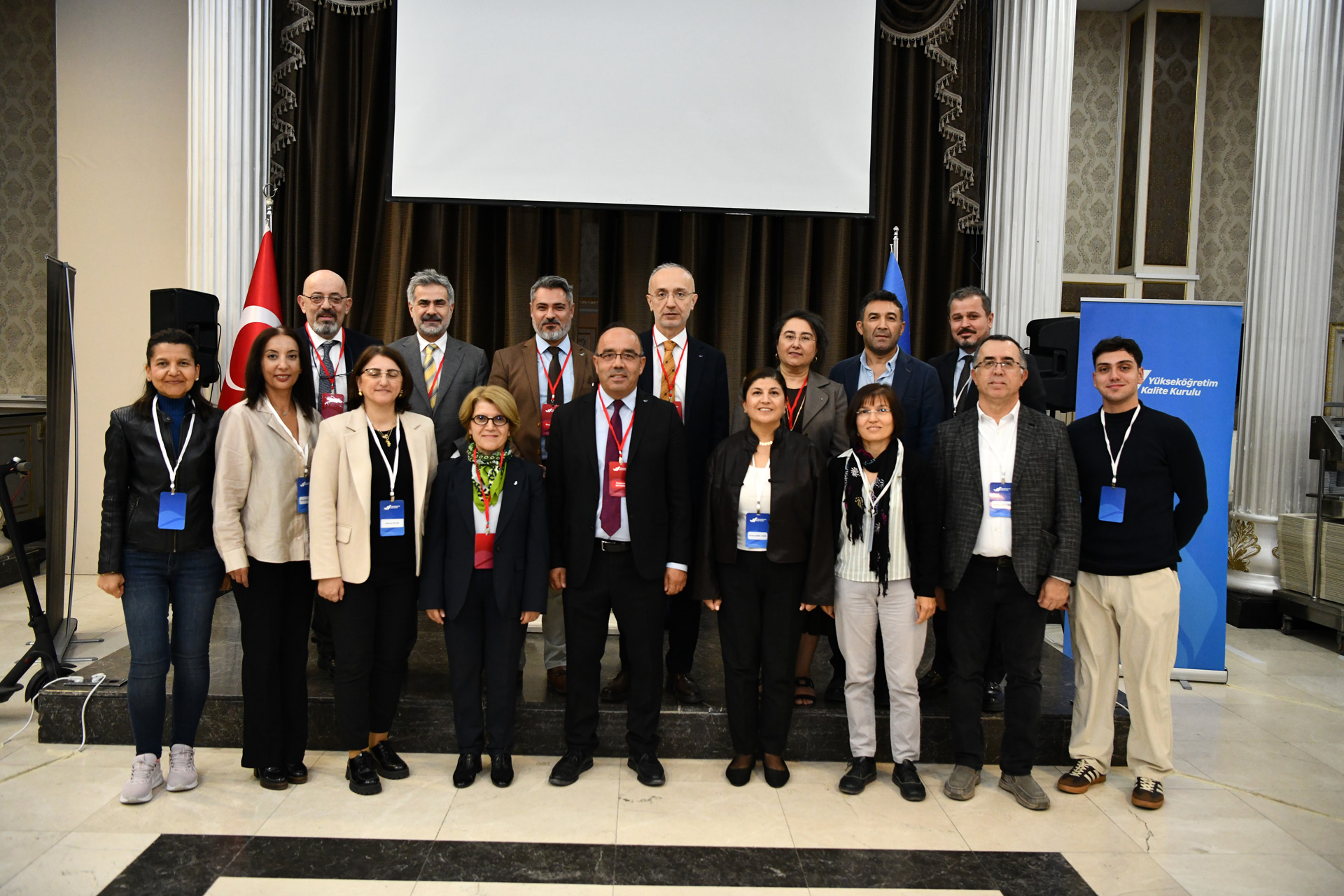
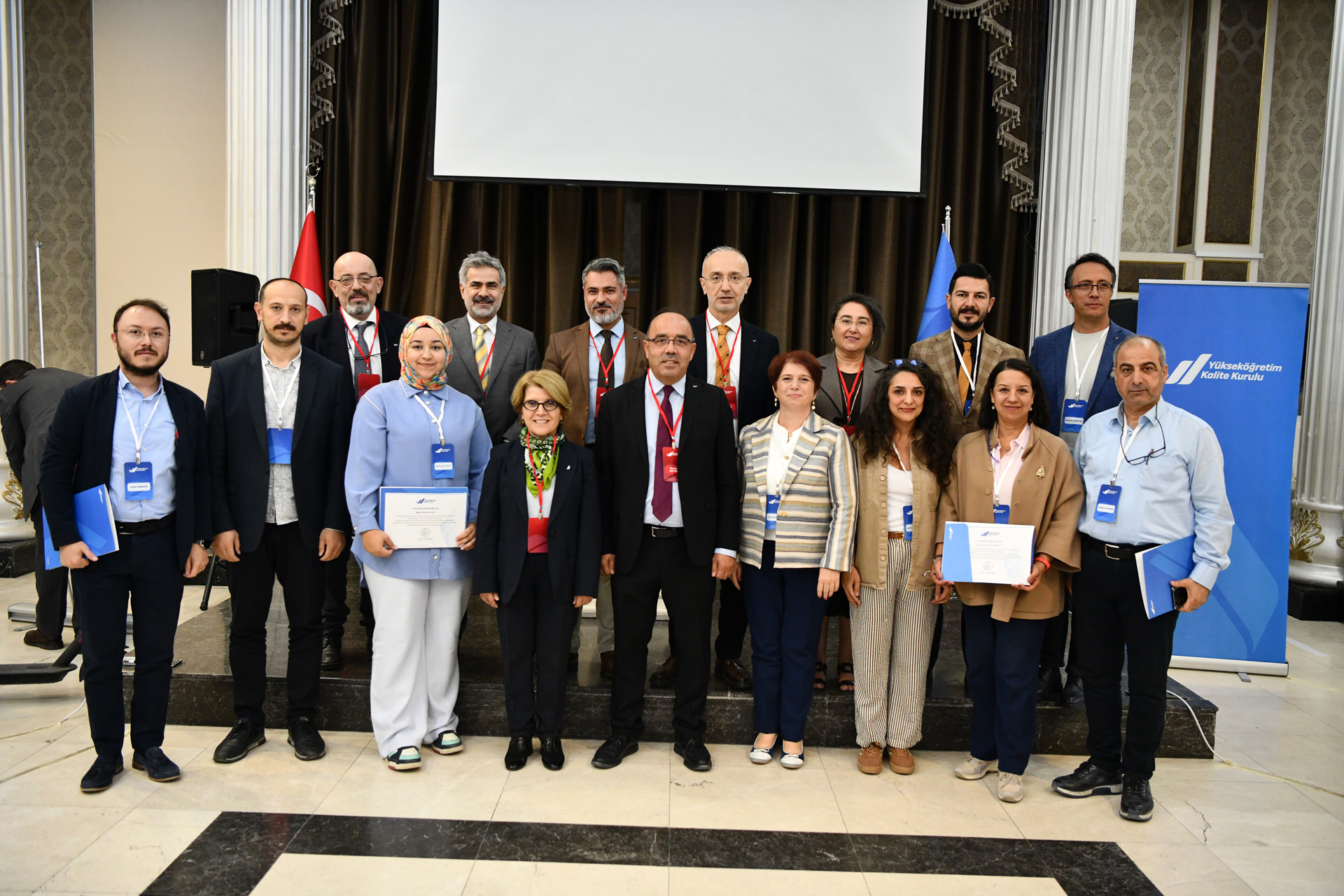
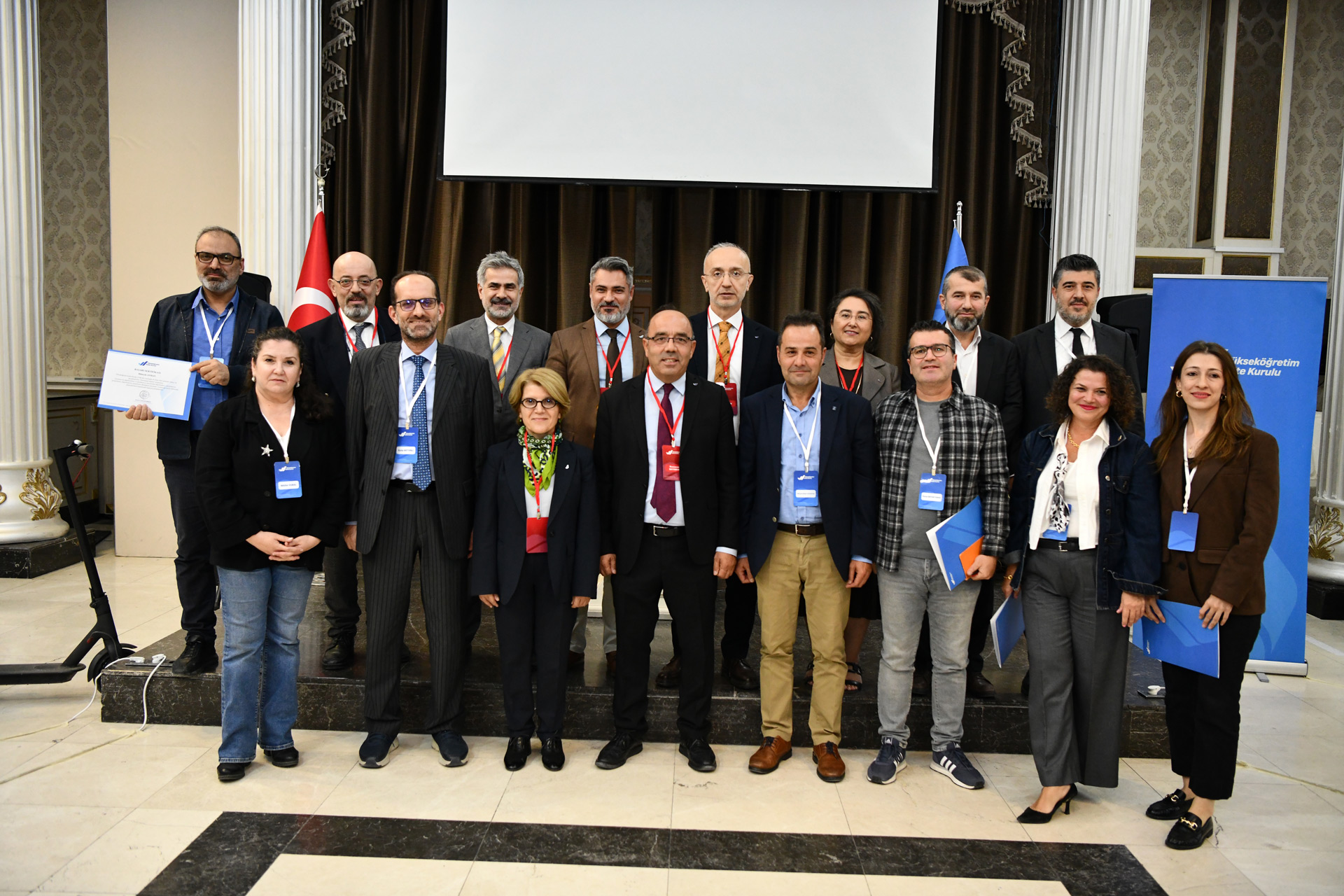
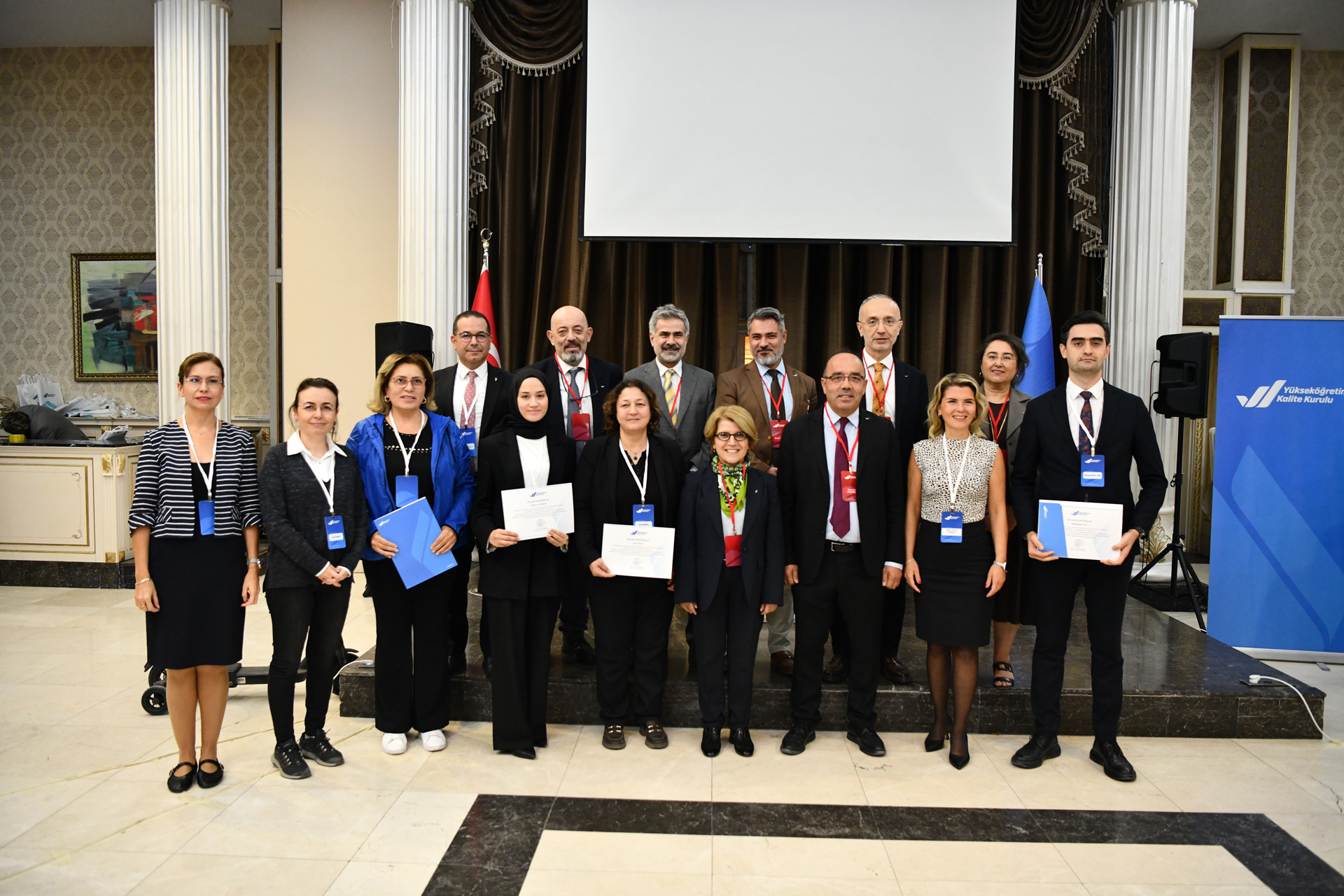
Organised by the Turkish Higher Education Quality Council (THEQC) to enhance the knowledge and competencies of evaluators who will take part in the 2026 external evaluation programs, the first one of the “2026 In-Depth Evaluator Training” was held in Ankara, hosted by Gazi University.
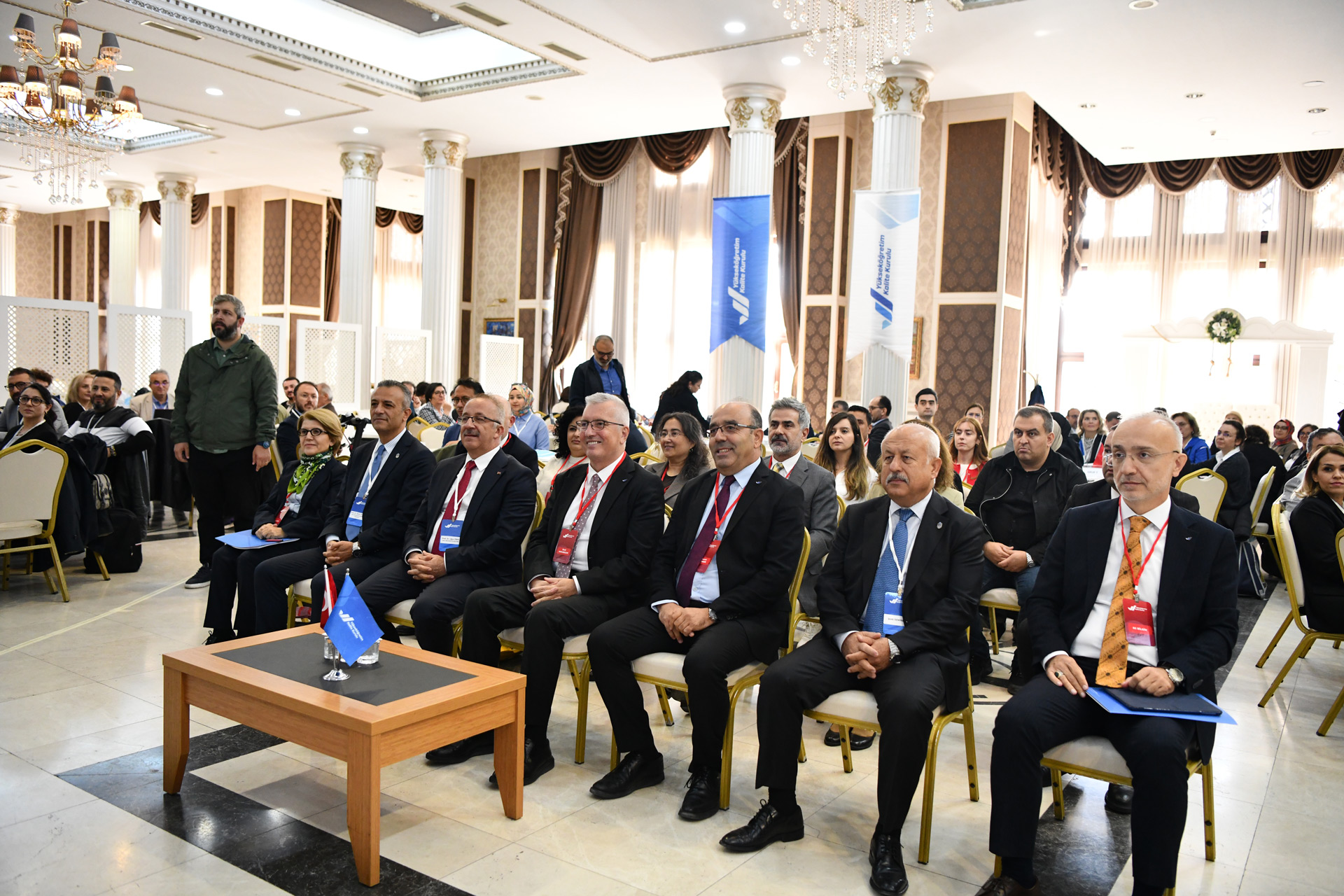
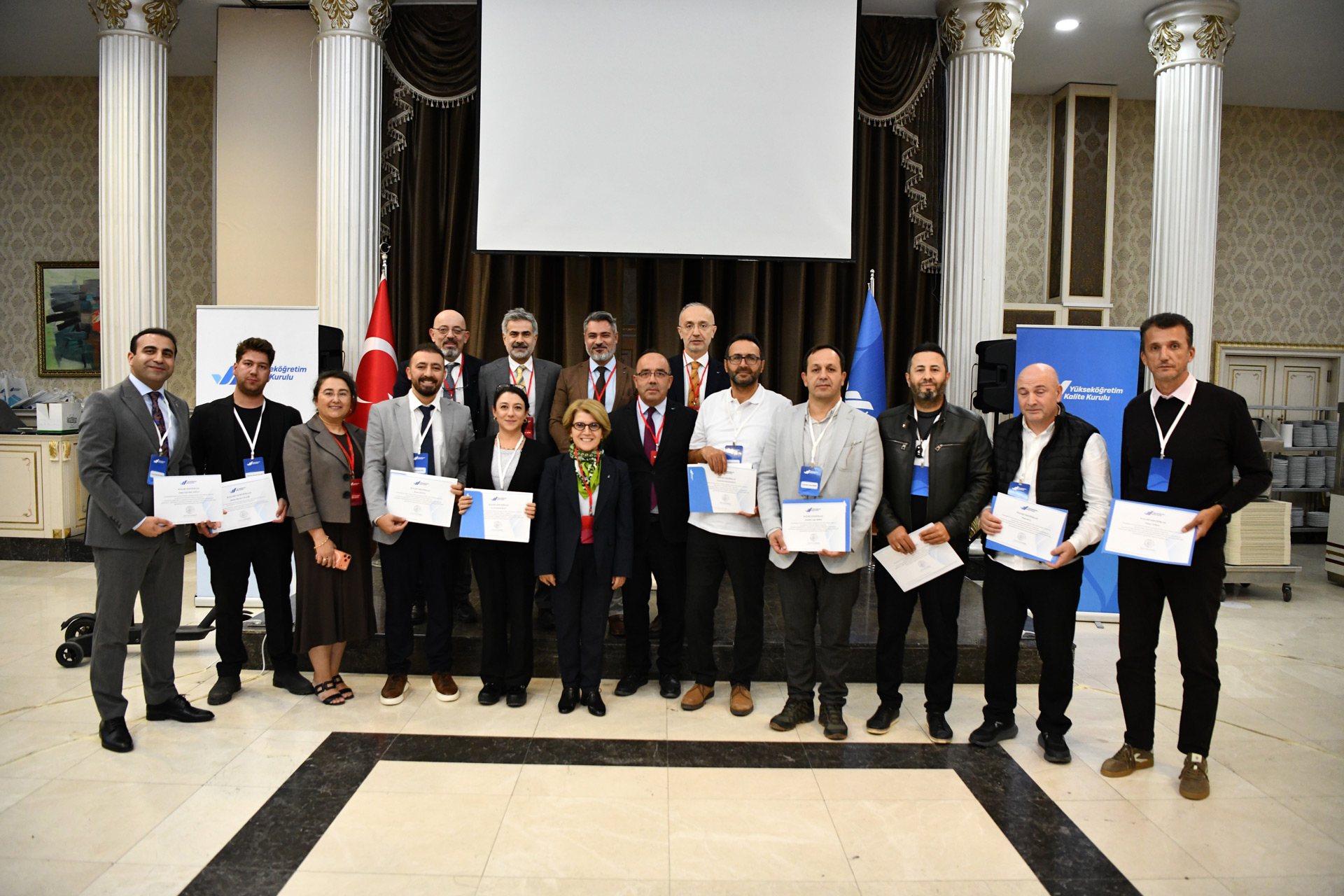
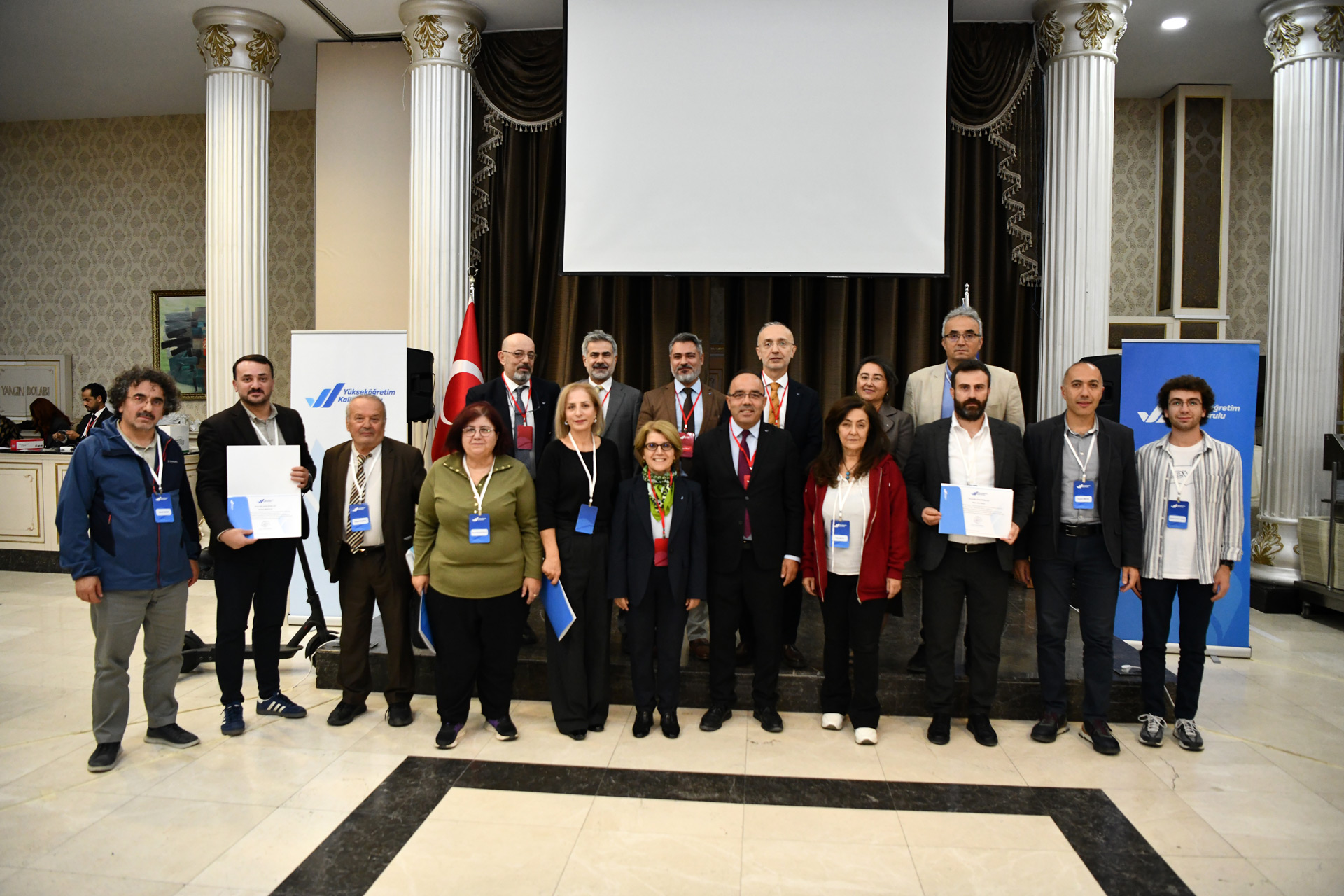
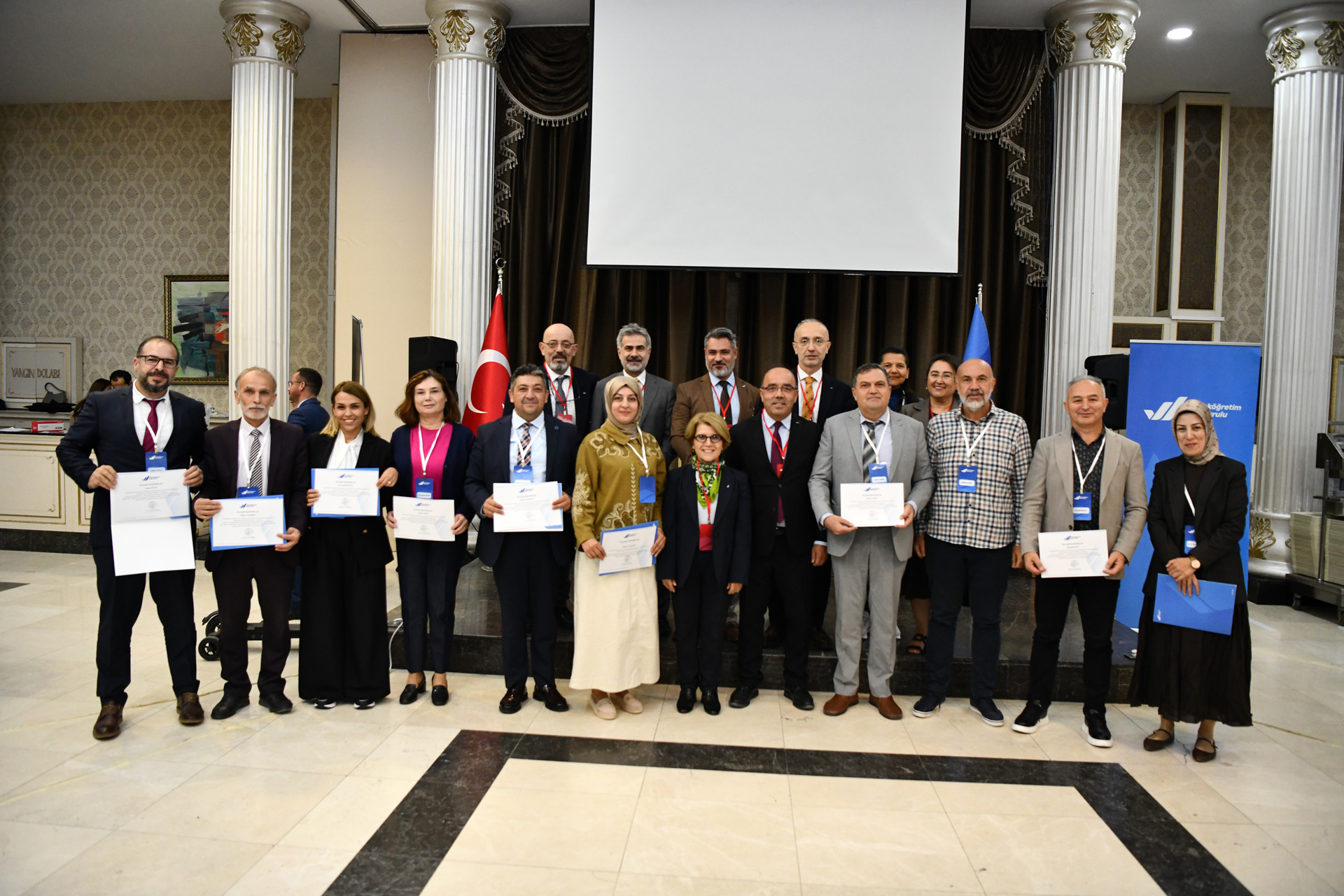
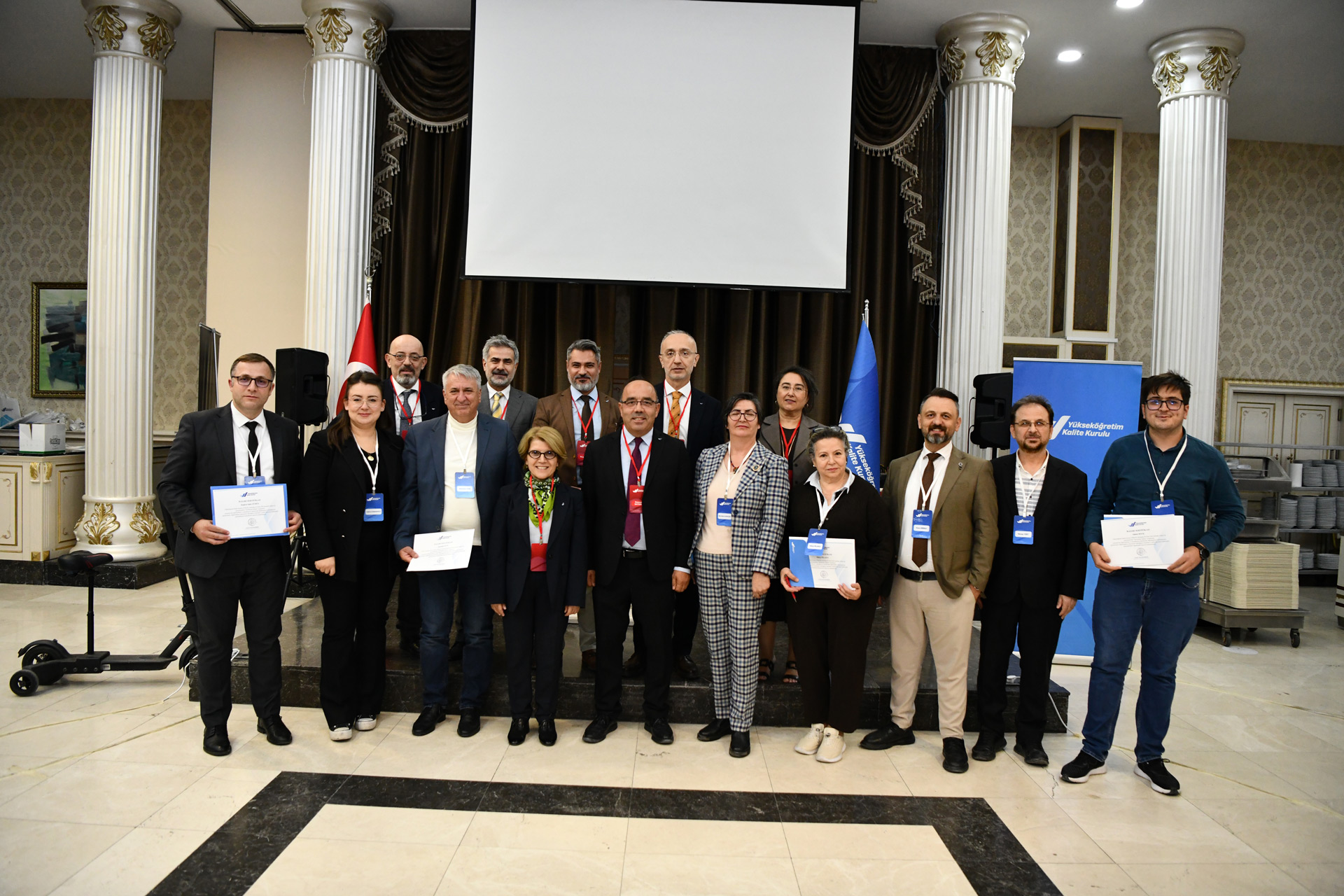
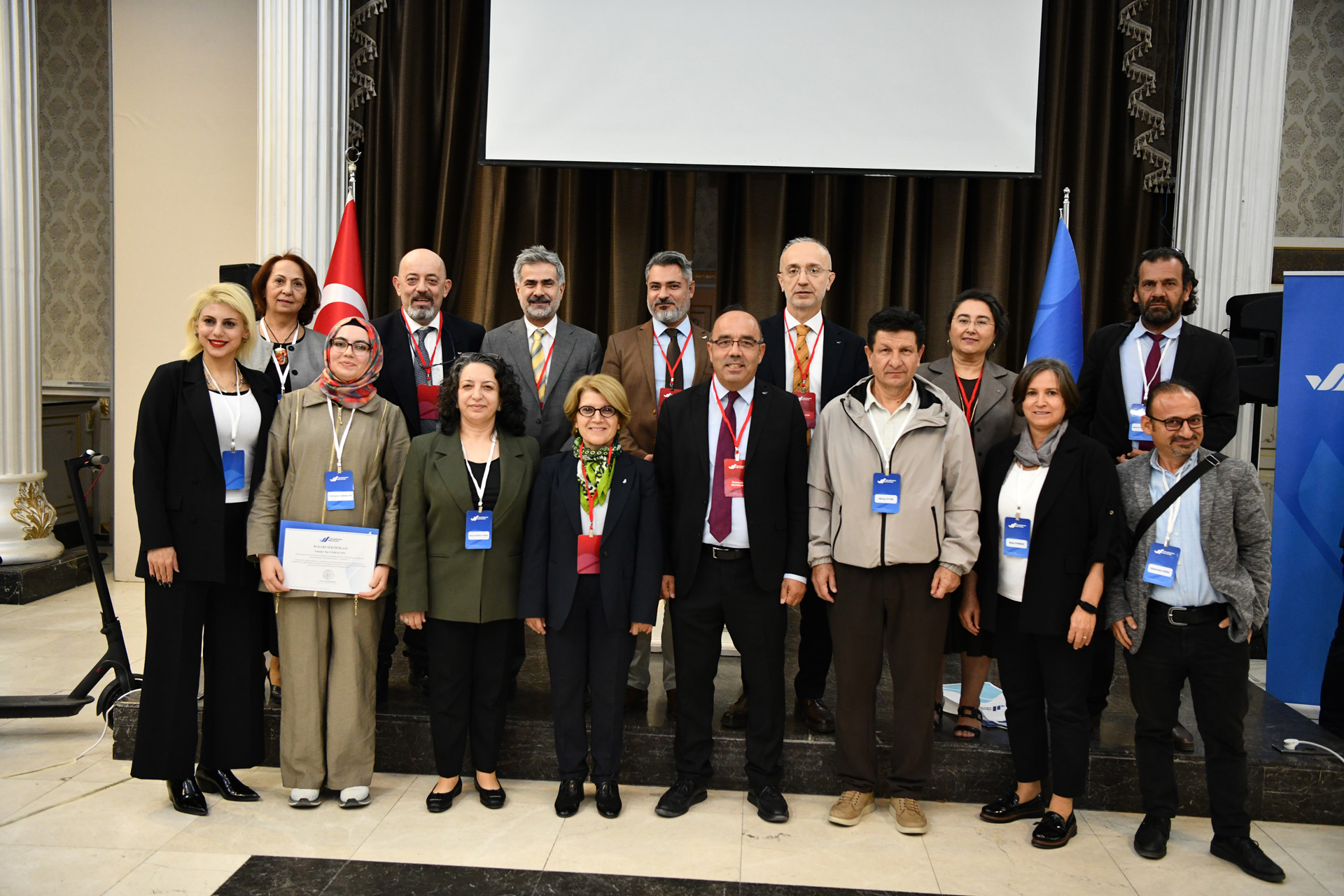
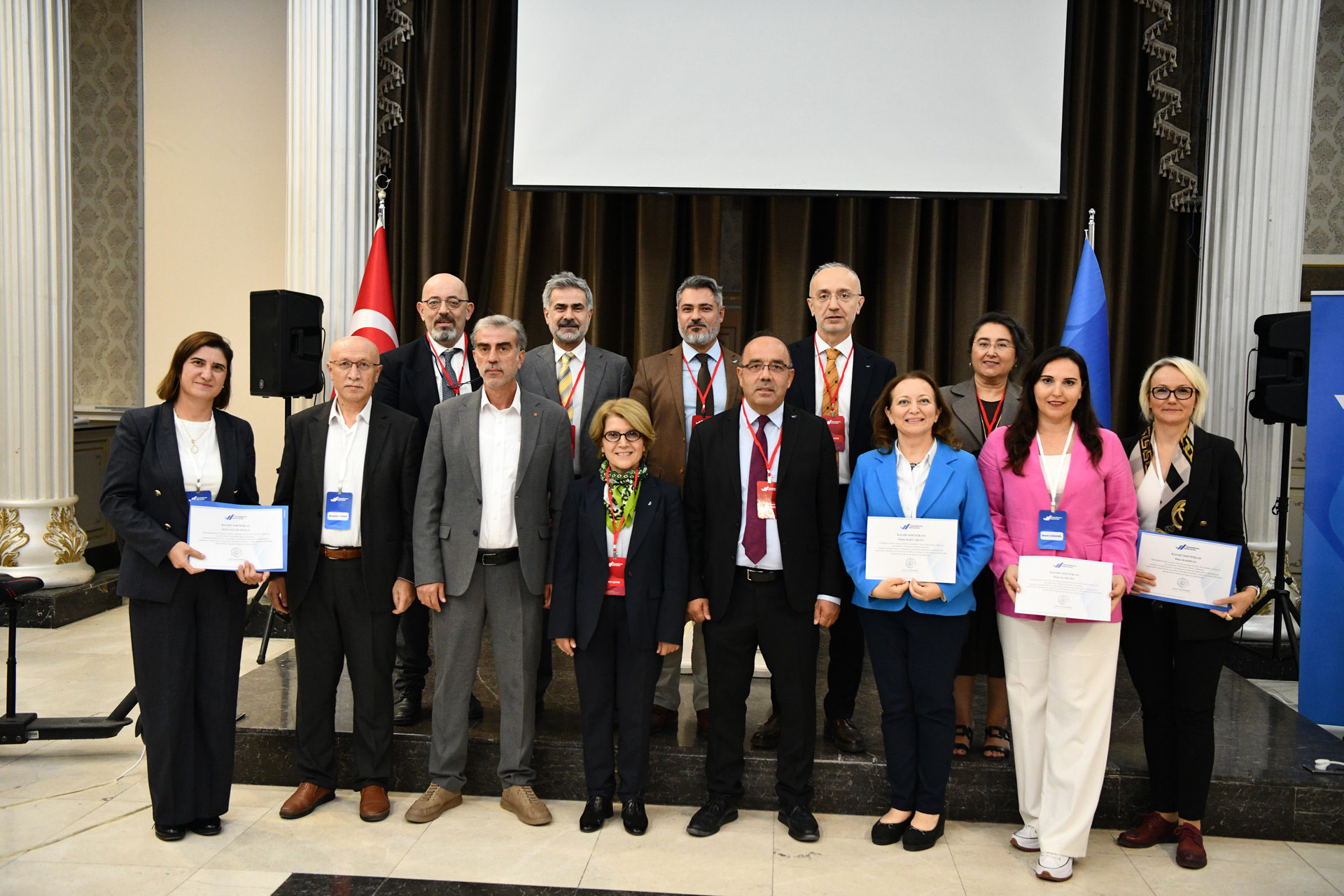
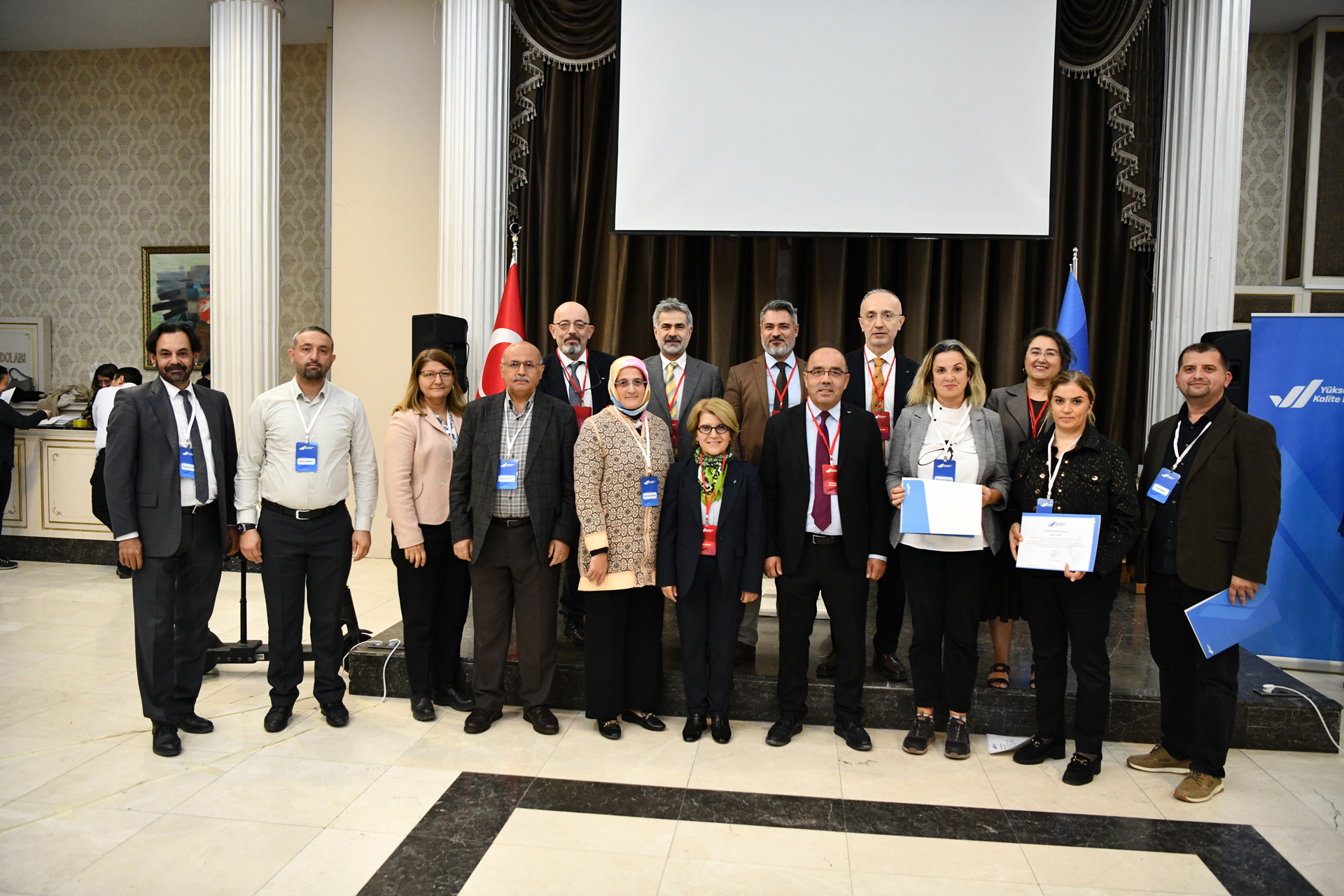
Prof. Ümit Kocabıçak, THEQC President; Prof. Uğur Ünal, Gazi University Rector; Prof. Ramazan Bayındır, THEQC Vice President; THEQC Council Members Prof. Ali Bilgin, Prof. Elif Çepni, Prof. Sema Yılmaz, Prof. Hüseyin Ağır; THEQC experts, and numerous evaluators from higher education institutions attended the program held on 6 October 2026.
“All HEIs will go through the accreditation process by the end of 2027”
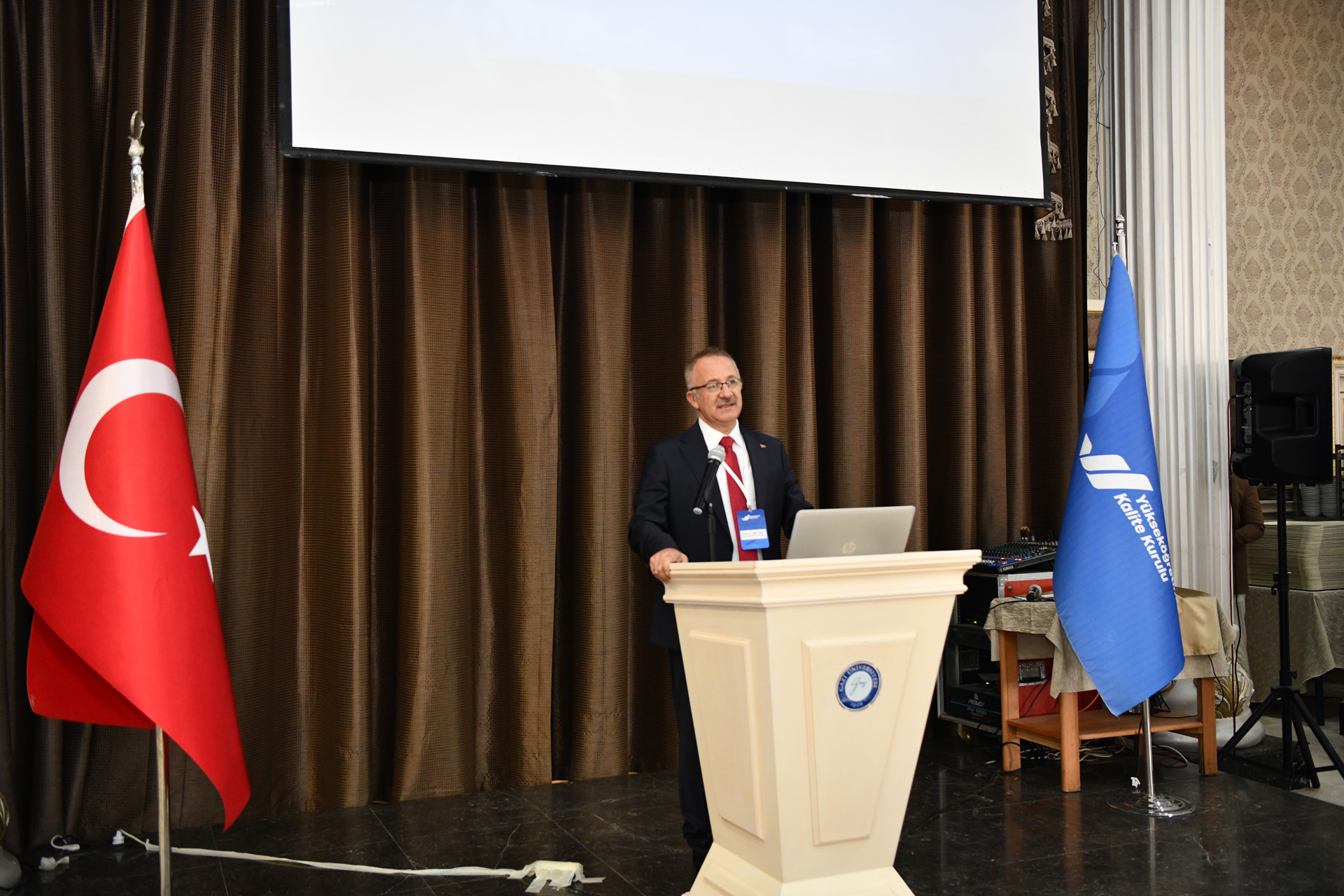
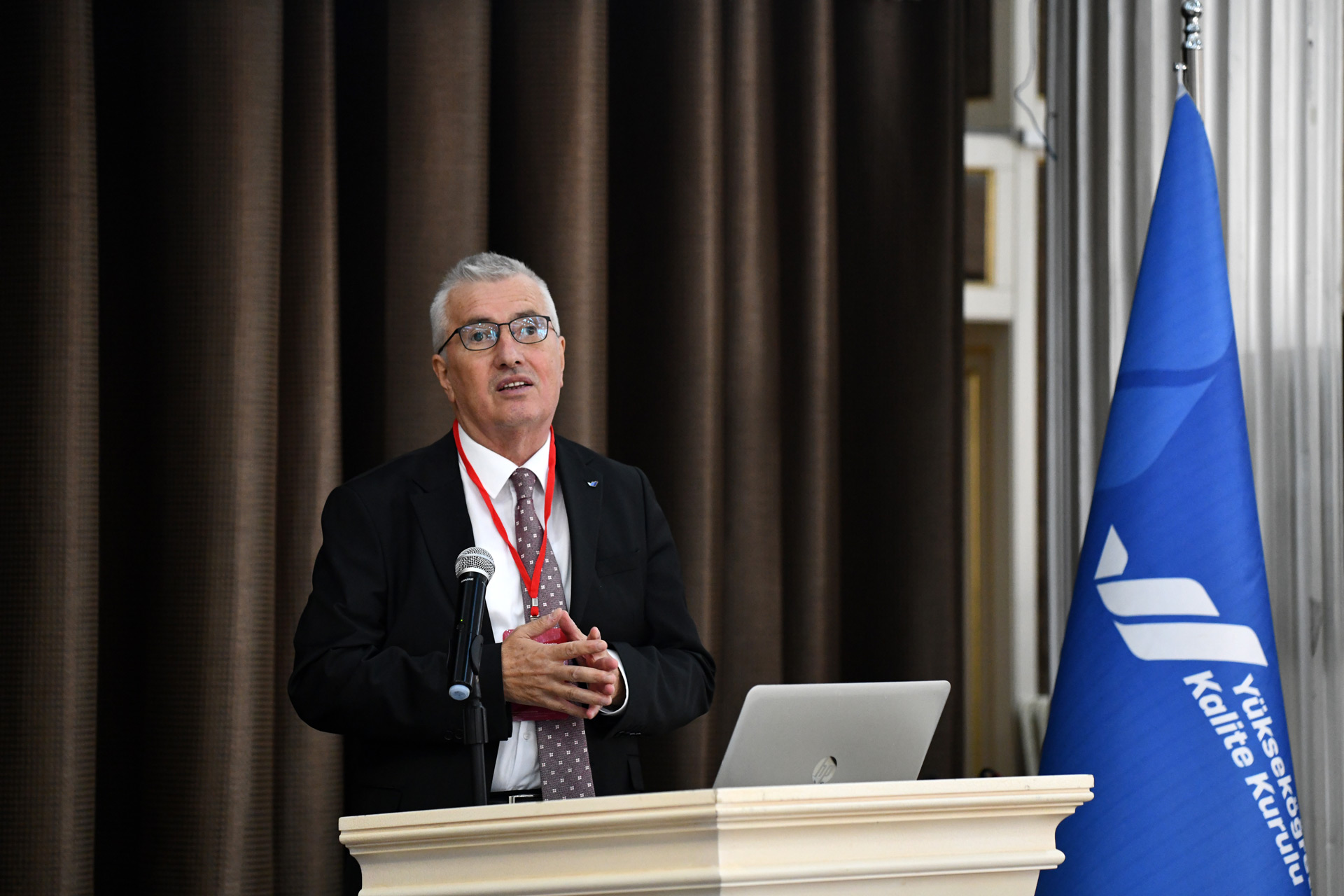
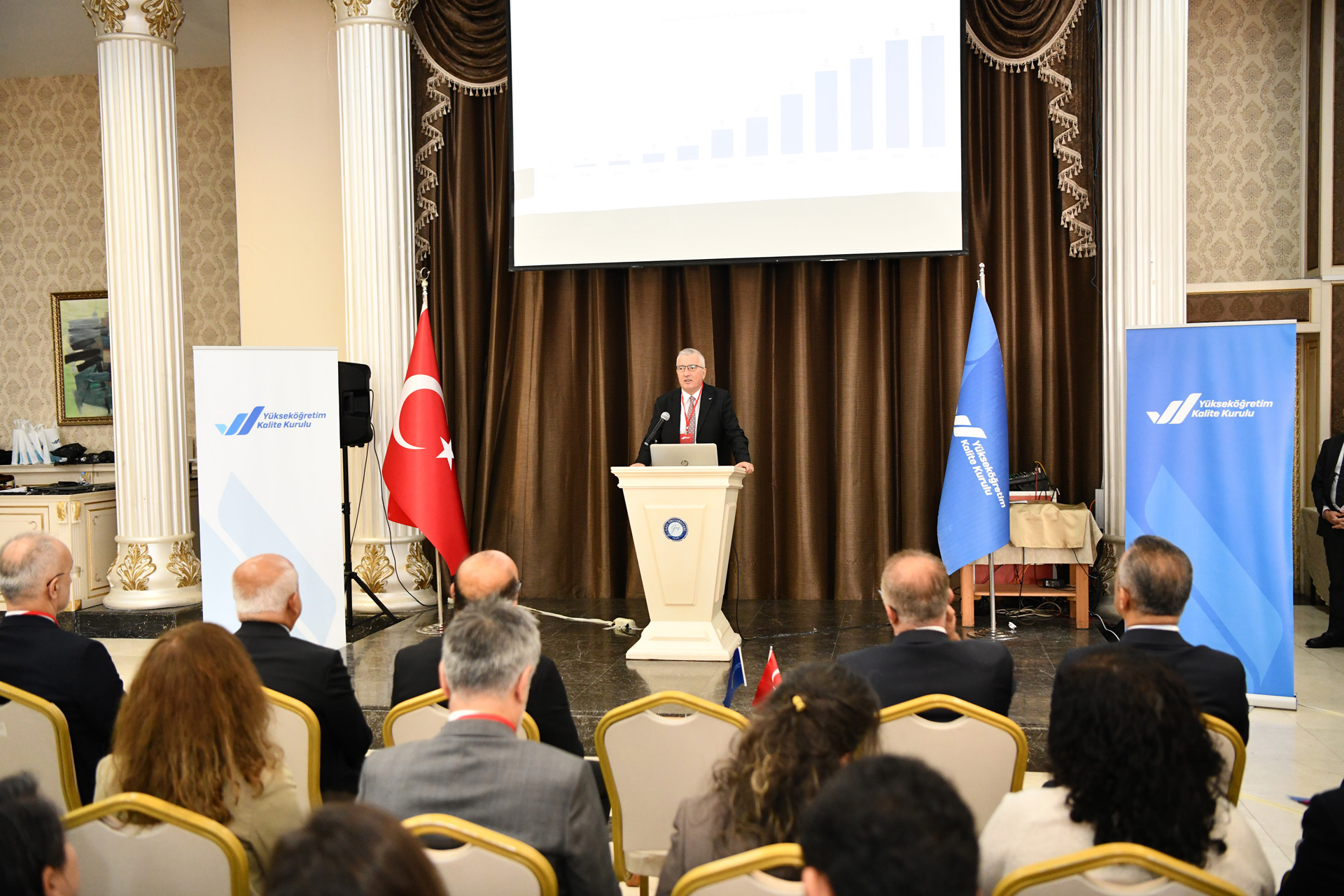
Speaking at the opening of the program, President Kocabıçak shared current data regarding the current state of the higher education system in Türkiye and quality assurance efforts. Stating that there are 208 universities, 190,000 teaching staff, and over 6.2 million students in Türkiye, Kocabıçak drew attention to the fact that 65 percent of the universities are still newly established institutions.
Recalling that THEQC has three core duties, namely institutional accreditation, recognition and authorisation of accreditation agencies, and the dissemination of a quality assurance culture, Kocabıçak emphasised that the Council has also gained international institutional accreditation authority as of 2025.
Mentioning the fact that accreditation decisions provide visibility in the international arena, Kocabıçak stated:
“Currently, we have granted 111 conditional and 37 full accreditations. We have issued rejection decisions to 16 universities. Hopefully, we will take all our universities through the accreditation process by the end of 2027.”
Pointing out the sustainability of quality and process management in universities, Prof. Kocabıçak announced that the “Integrated Quality Management System” software, which will be offered for use by all universities starting from January 2027, will be provided free of charge. He reported that impact analyses to measure graduate employment, educational quality, and success levels in international rankings for accredited universities have also been initiated.
Mentioning the importance of sending evaluators to the field equipped after the training, President Kocabıçak stated that this process, conducted on a voluntary basis, will increase the global impact of Turkish higher education and thanked all participants.
“Quality is a belief that echoes in the corridors of institutions”
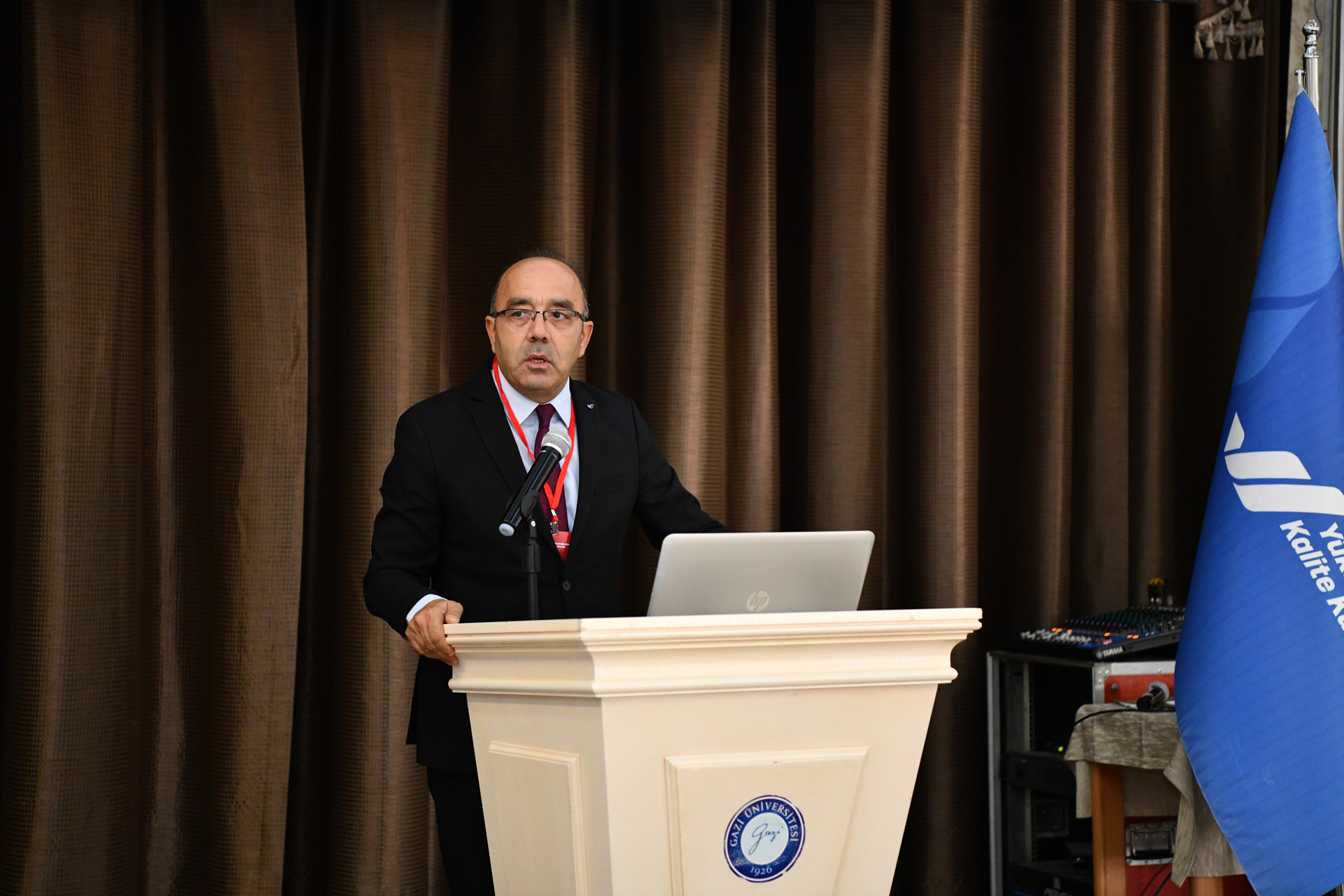
Gazi University Rector Ünal stated in his speech that quality assurance is not just meeting standards on paper, but represents a living and continuous improvement process.
Mentioning Gazi University’s historical heritage laid by Atatürk in 1926, Rector Ünal expressed their satisfaction with hosting such a training in an institution coeval with the Republic. Emphasising the place of quality culture in institutional identity, he noted:
“Quality is a rational process that enables institutions to constantly review themselves, identify their strengths, and courageously carry their areas for improvement. Quality is no longer just documents hanging on the walls of an institution; it is the very belief that echoes in the corridors of that institution and is based on continuous development.”
Evaluation processes and the rubric system were detailed
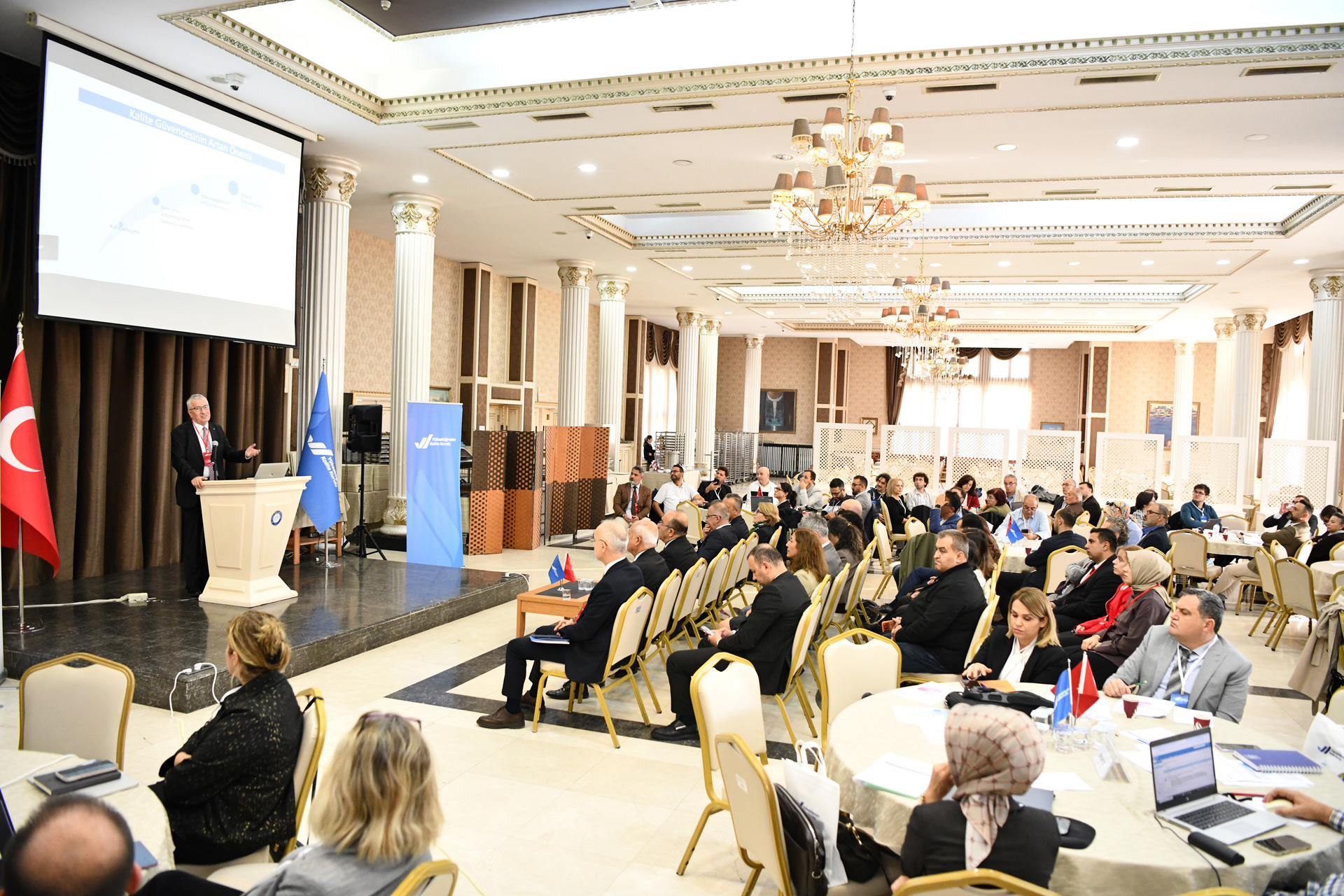
THEQC Vice President Bayındır drew attention to the importance of establishing a common terminology and language in evaluation processes. Sharing technical information about THEQC’s organisational structure and evaluation mechanisms, he stated that 201 universities have been included in the Institutional External Evaluation Program to date. Stating that evaluations are carried out with a rubric approach, Prof. Bayındır noted that 4 main headings, 14 criteria, and 46 sub-criteria are examined over 1,000 points.
Giving critical warnings to the evaluators who will take part in site visits, he continued his speech as follows:
“As evaluators, you do not represent your own institutions. You are serving as independent evaluators on behalf of THEQC. This process we carry out is not an ‘audit’ or ‘fault-finding’ activity. It is an ‘evaluation’ study that determines the current maturity level of the institution based on evidence. What is decisive for us is how much the policies are implemented in the field and whether the monitoring processes work.”
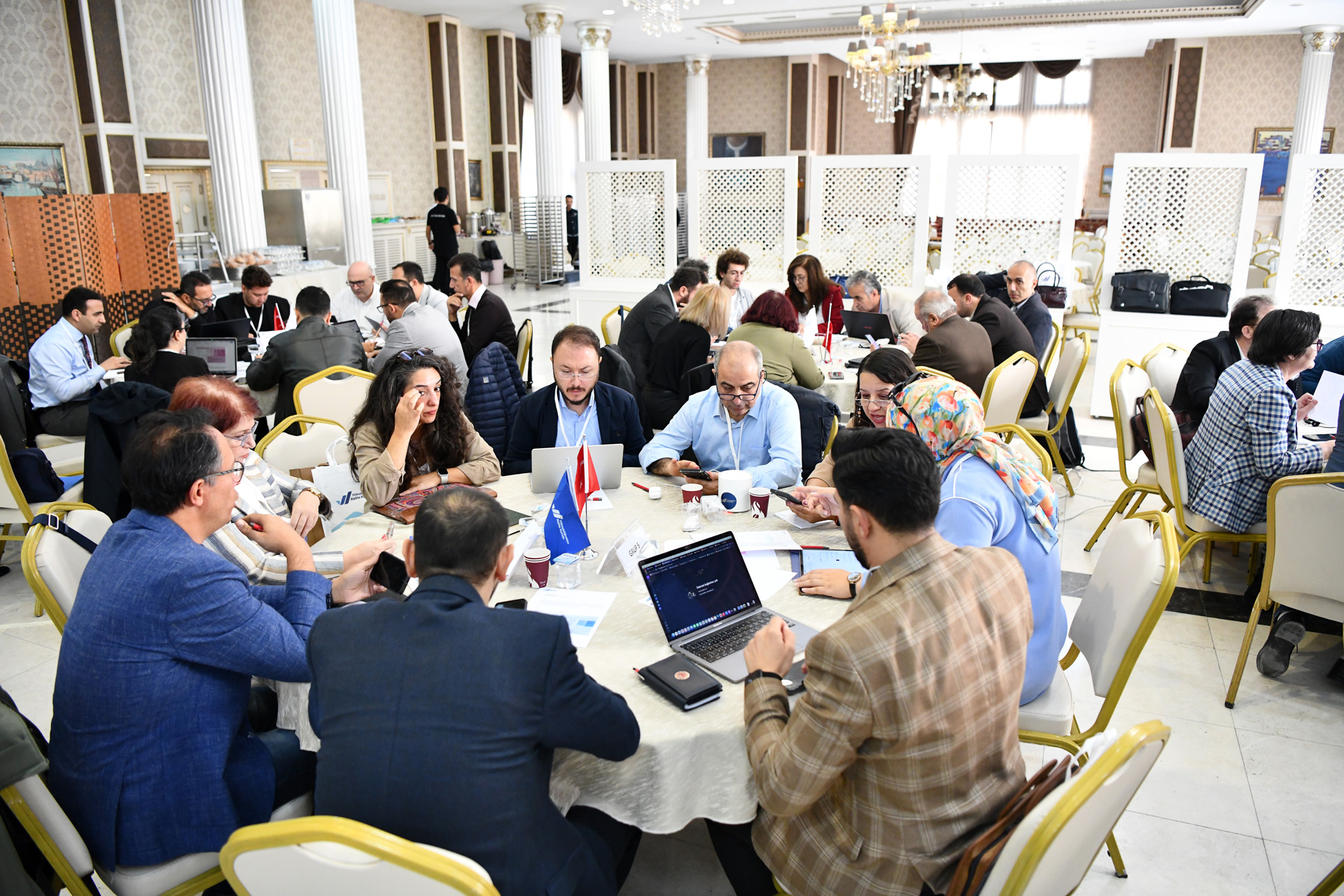
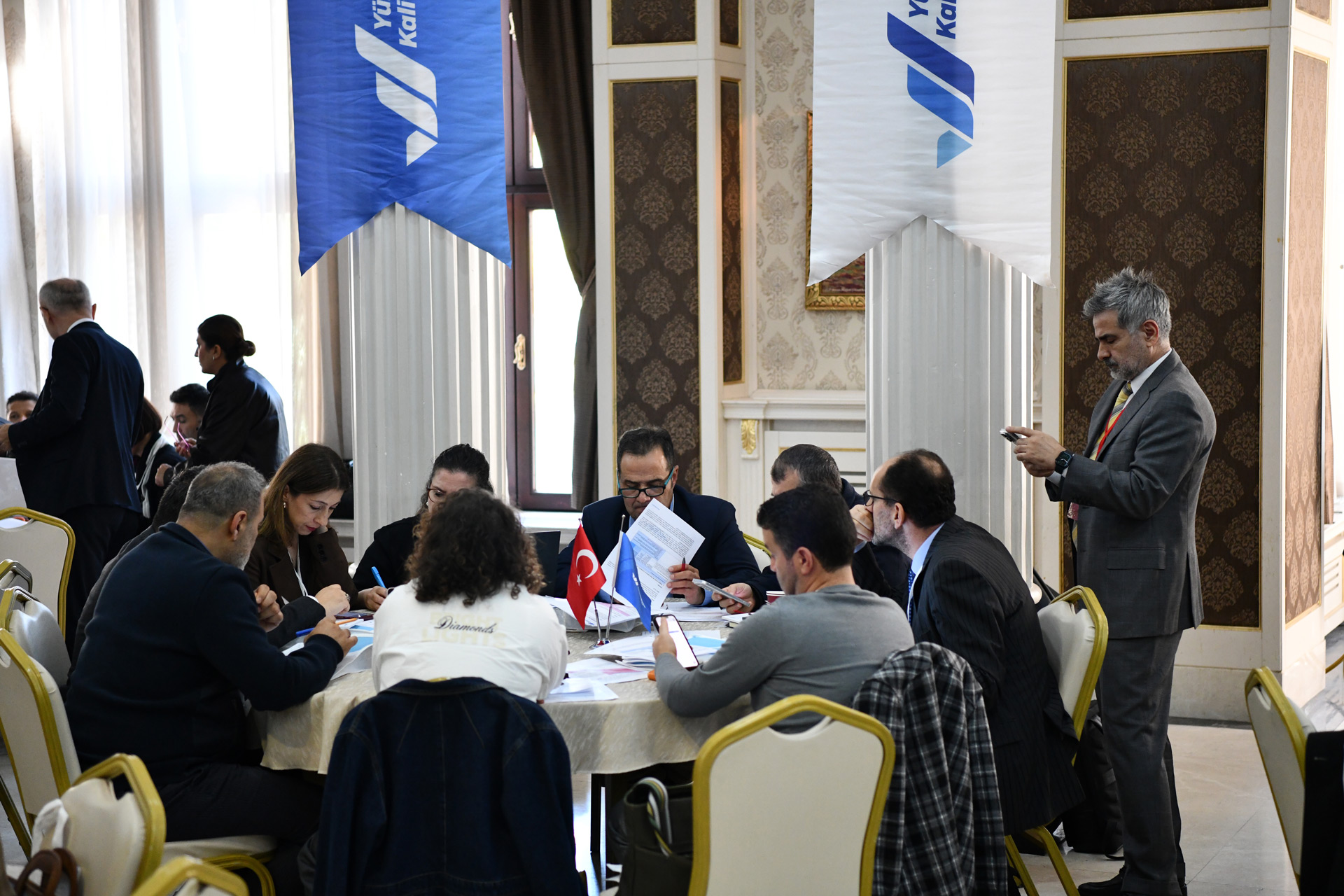
The training program continued with training sessions attended by evaluator candidates. Lasting throughout the day, the program ended with an evaluation session and the presentation of certificates of attendance.