
The Third Phase of the THEQC In-Depth Evaluator Training Held in Elazığ
- Date 15 October 2026
The Third Phase of the THEQC In-Depth Evaluator Training Held in Elazığ
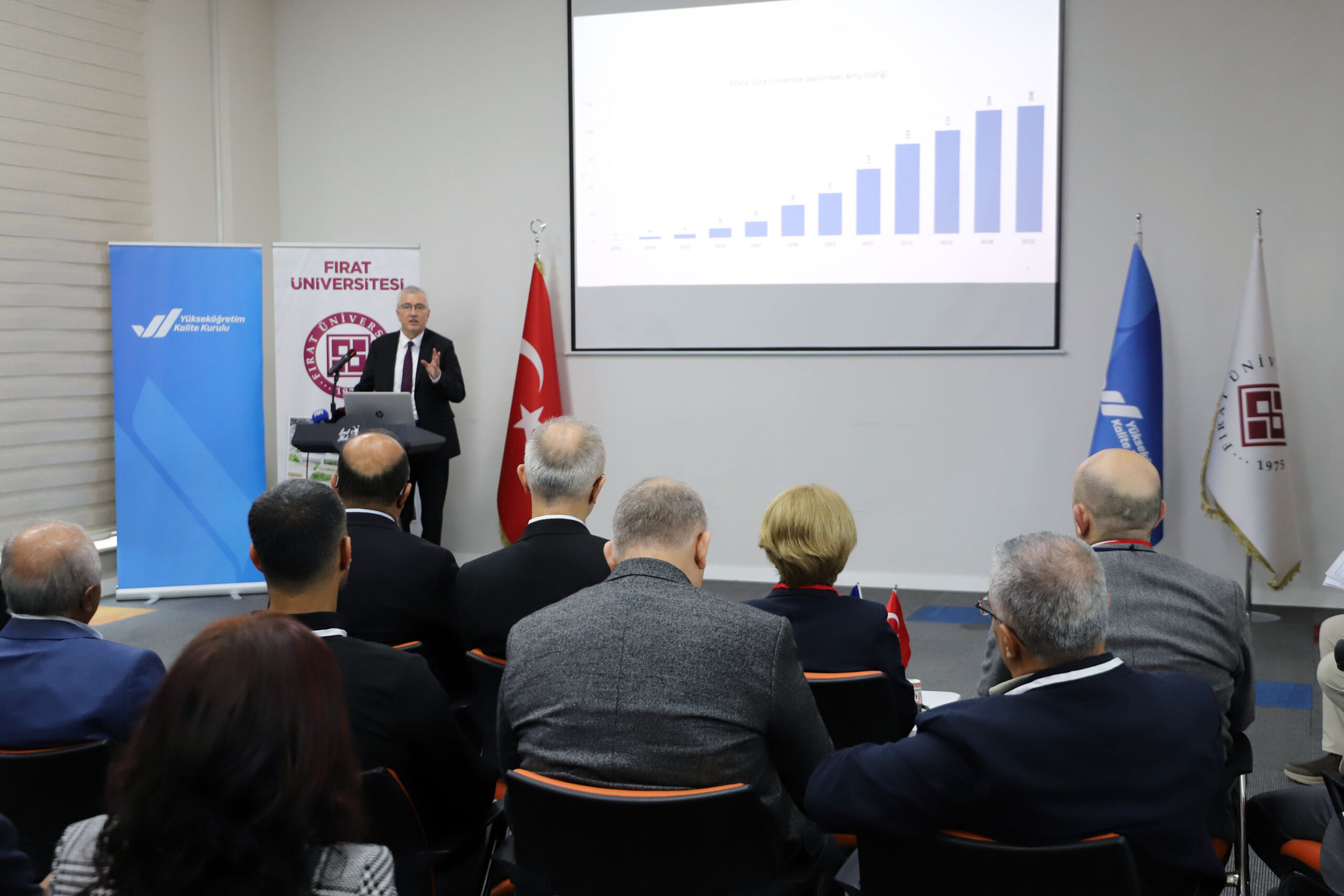
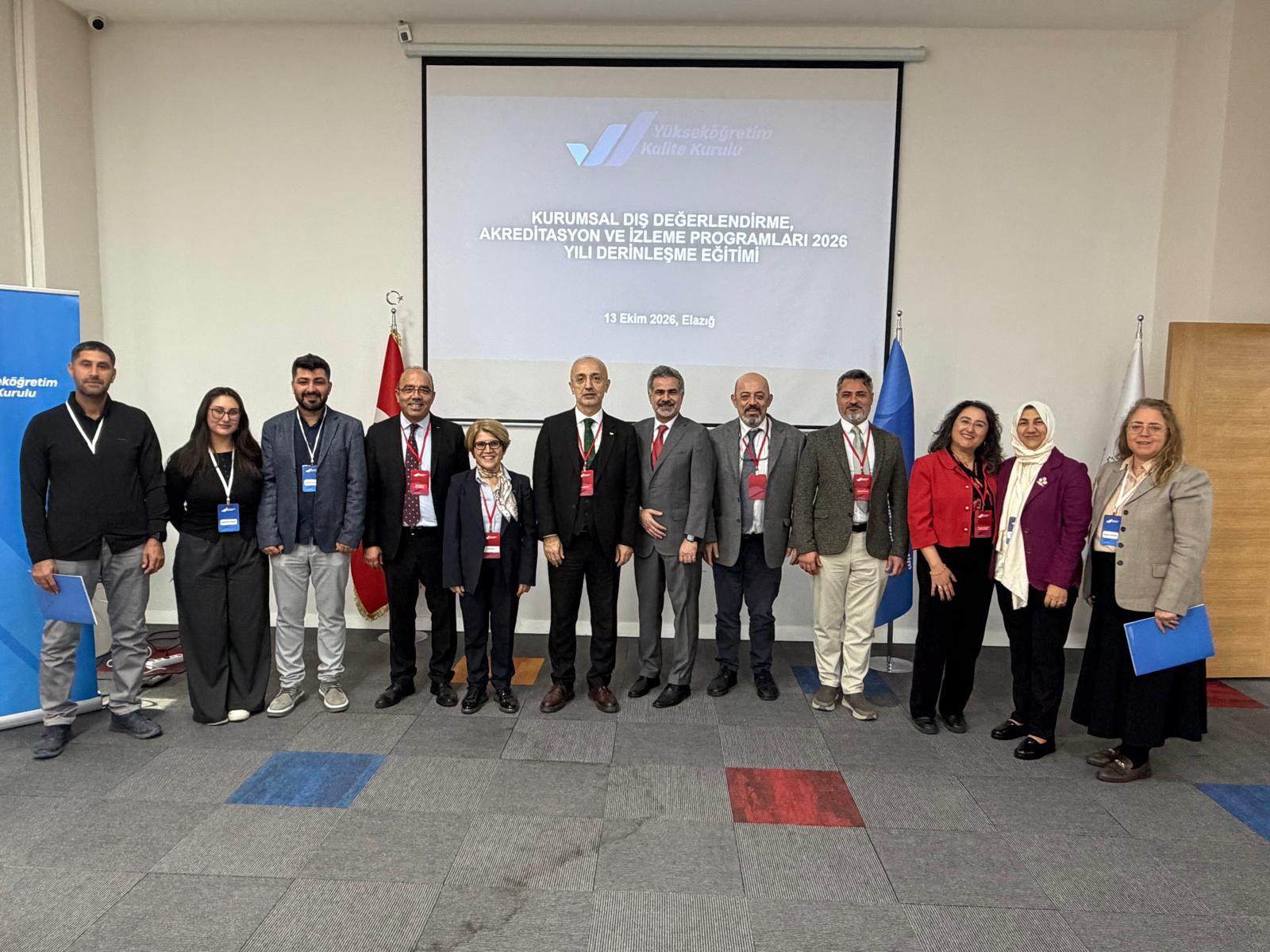
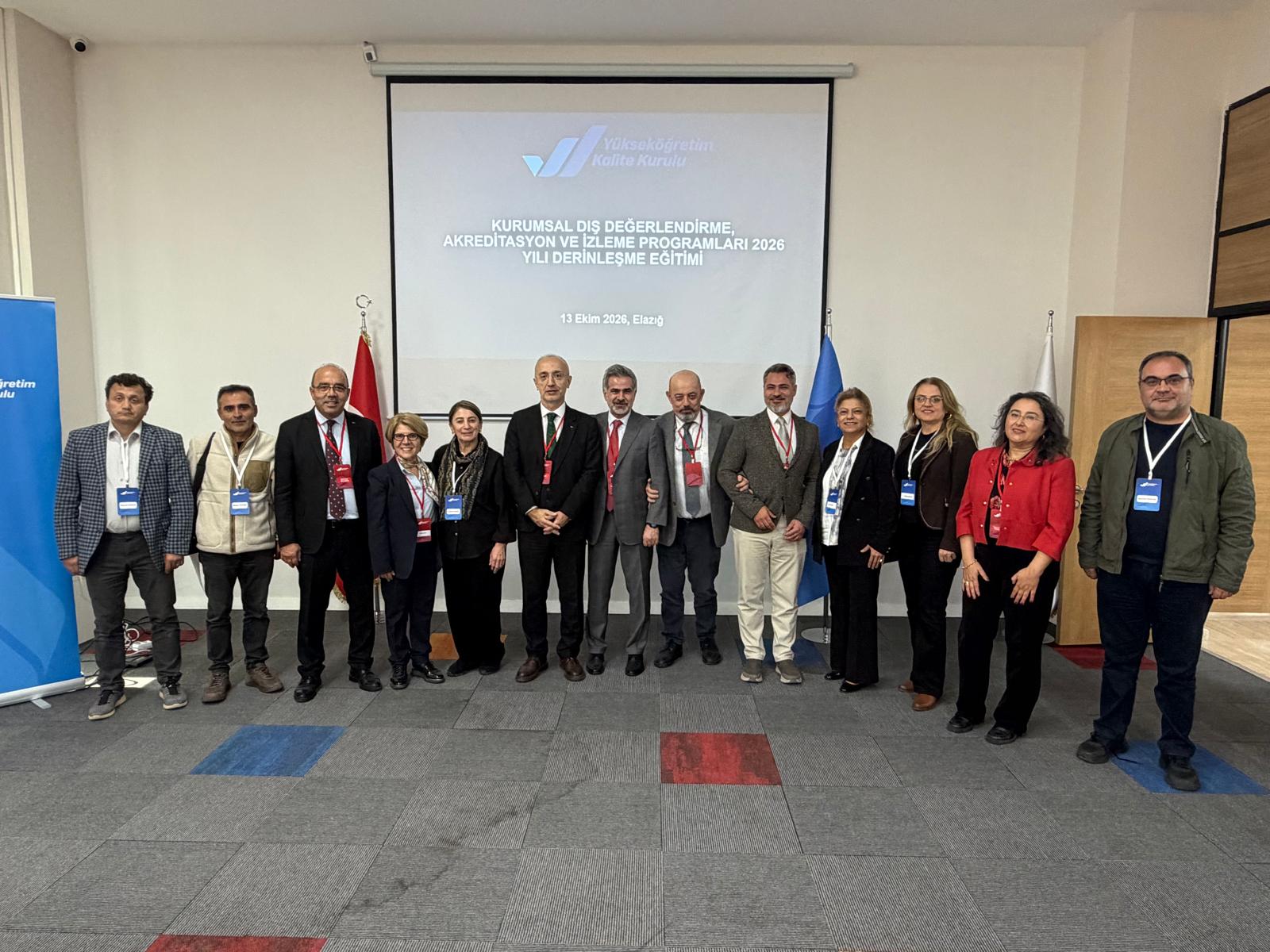
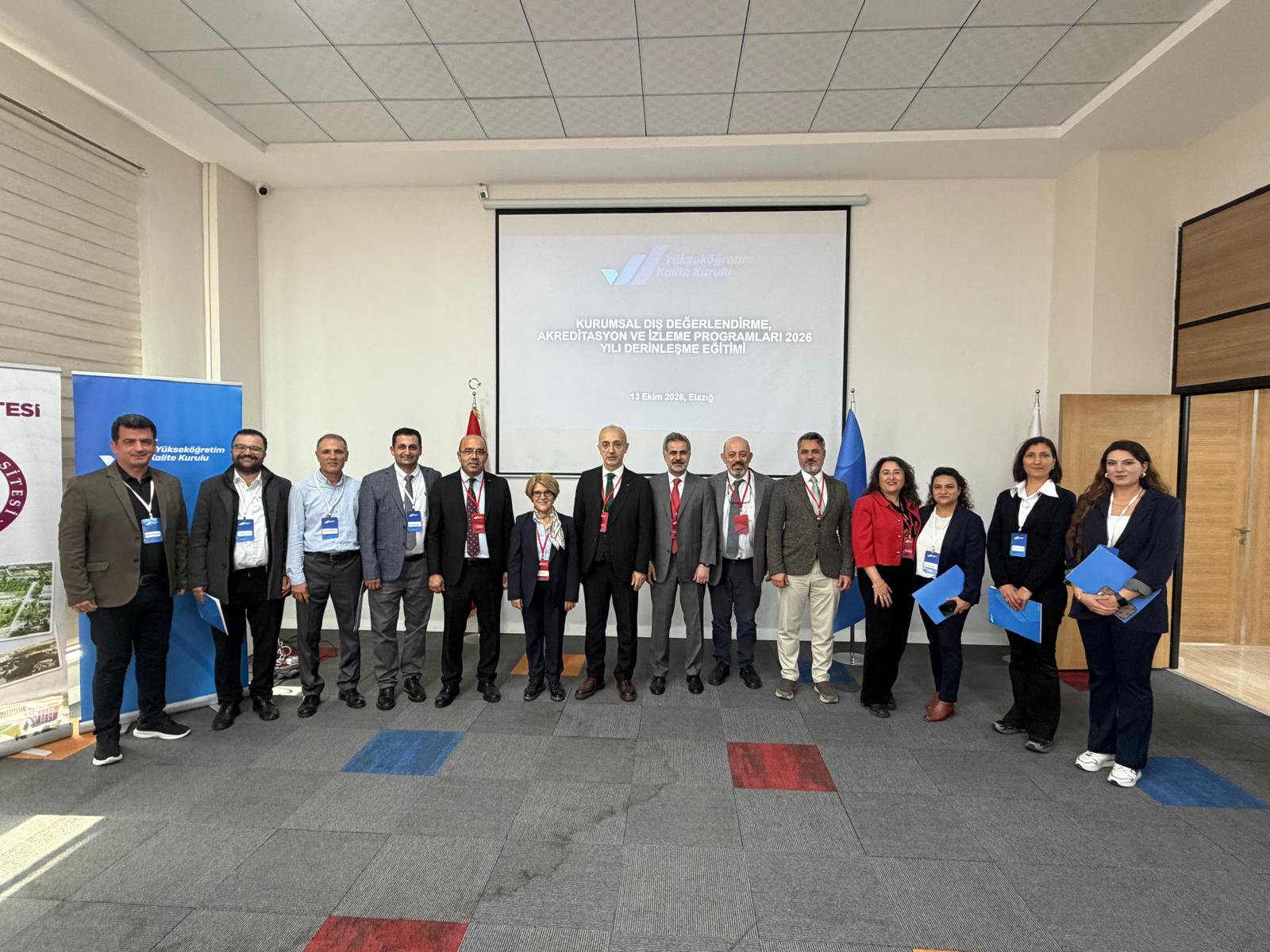
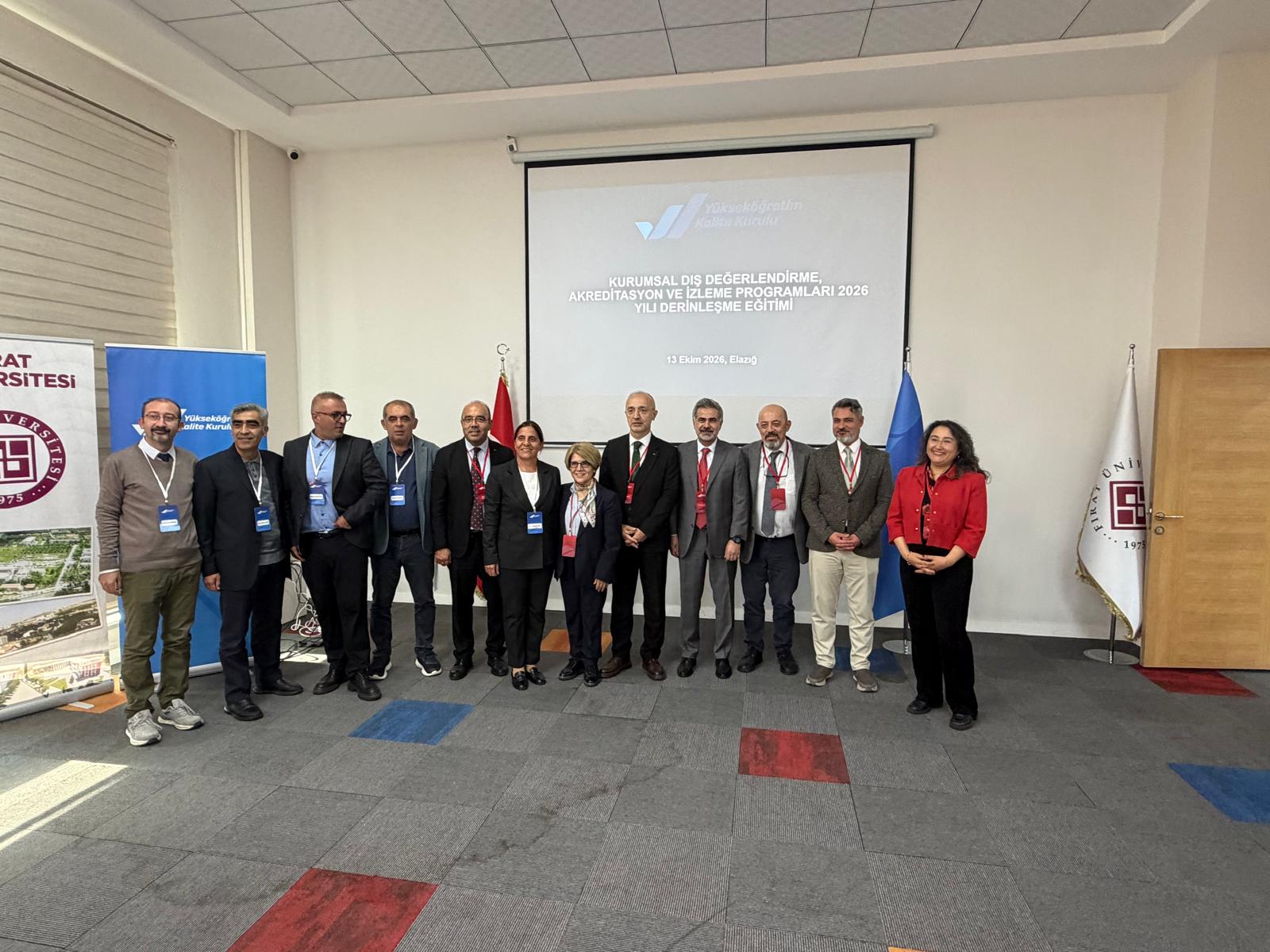
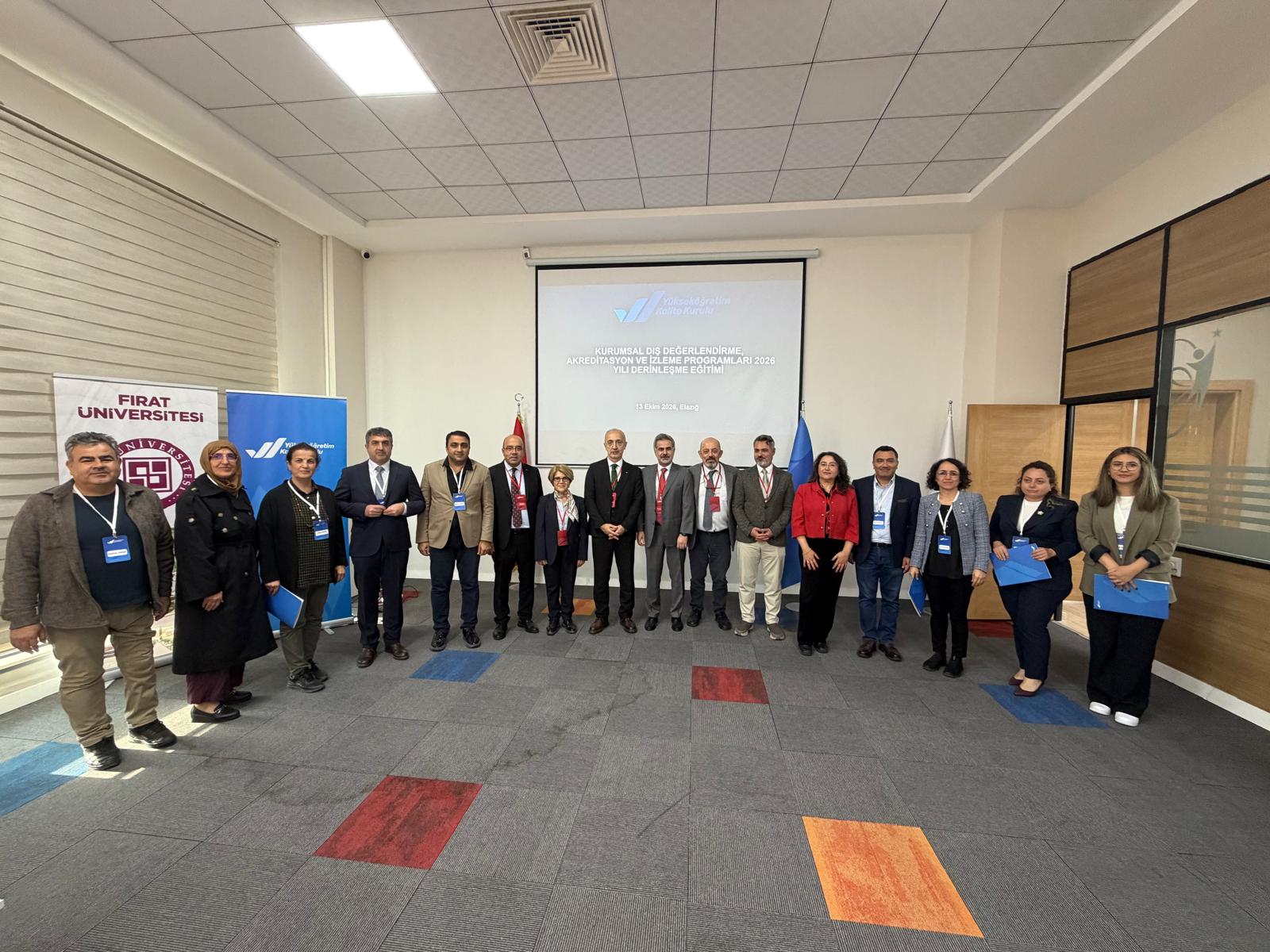
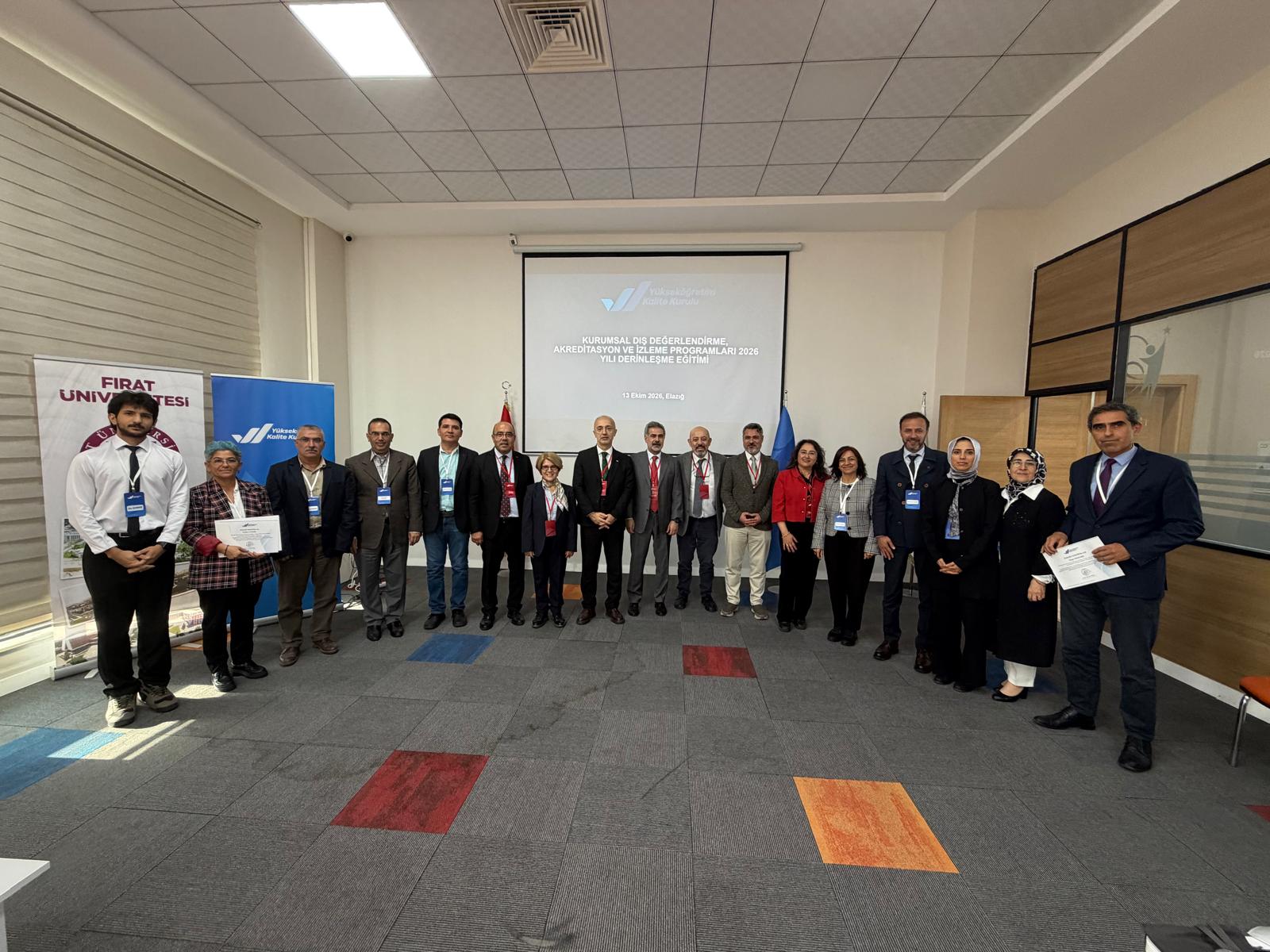
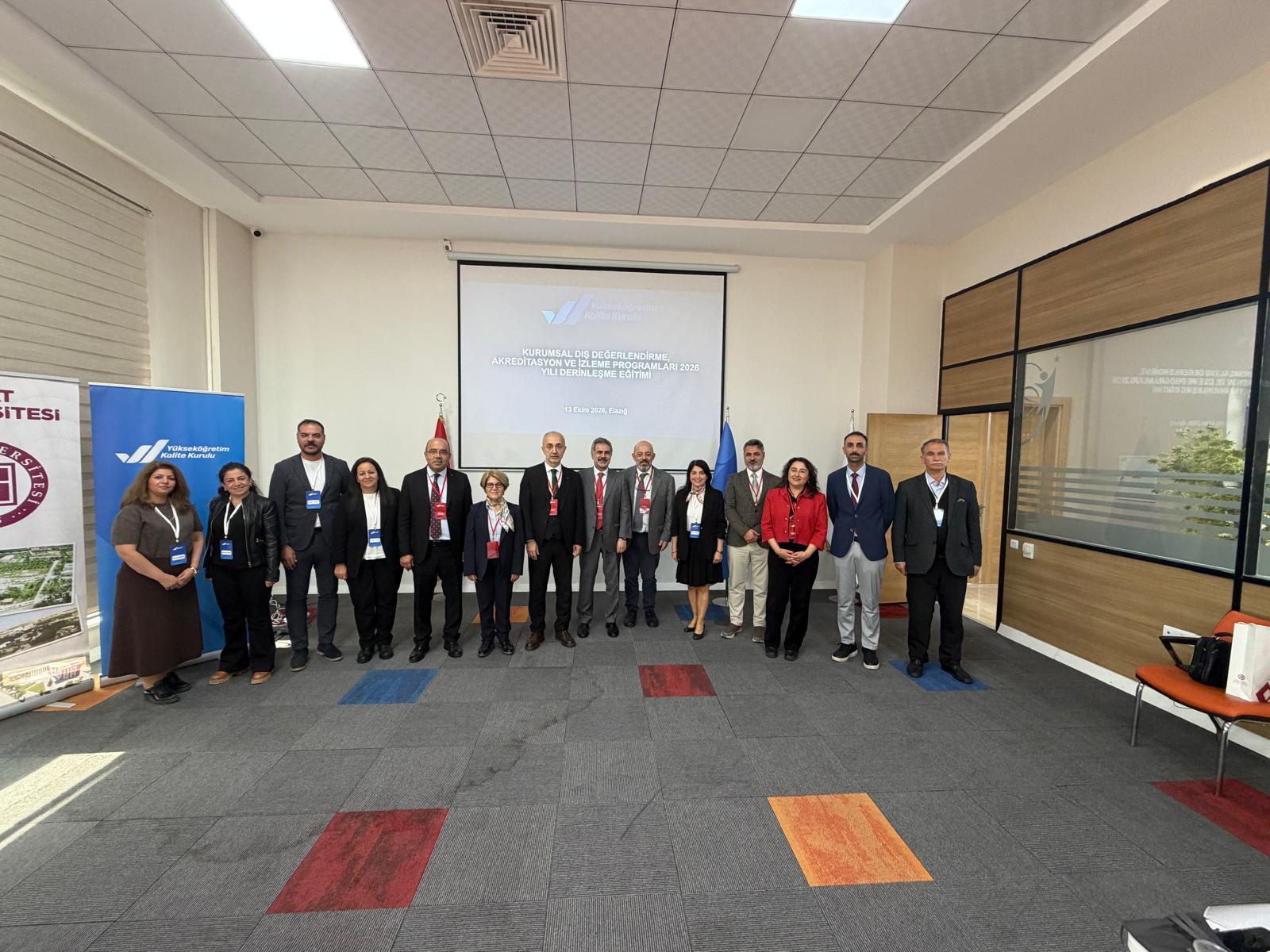
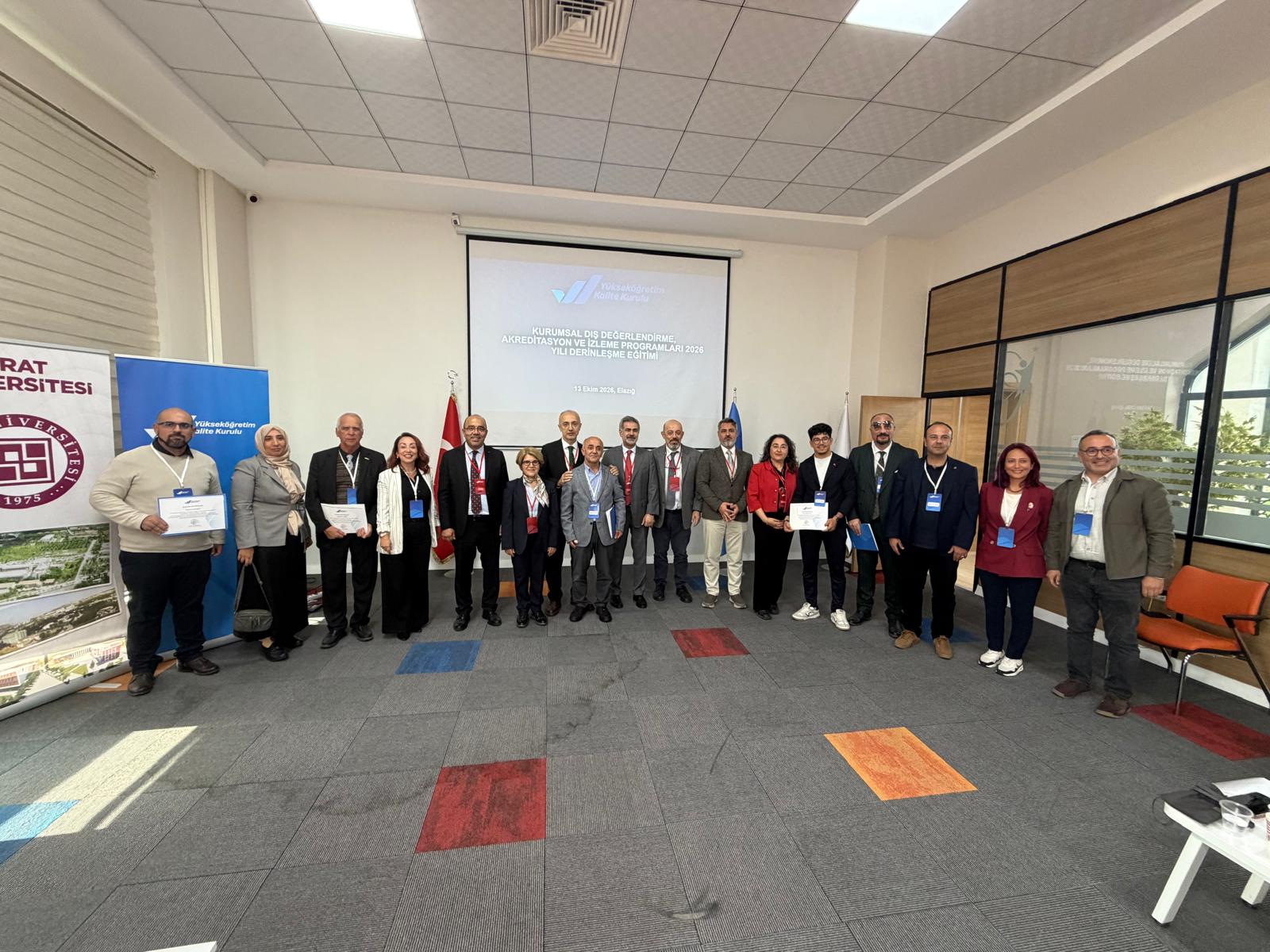
Organised by the Turkish Higher Education Quality Council (THEQC) to increase the competencies of evaluators who will take part in the 2026 external evaluation programs, the third phase of the “2026 In-Depth Evaluator Training” was hosted by Fırat University in Elazığ.
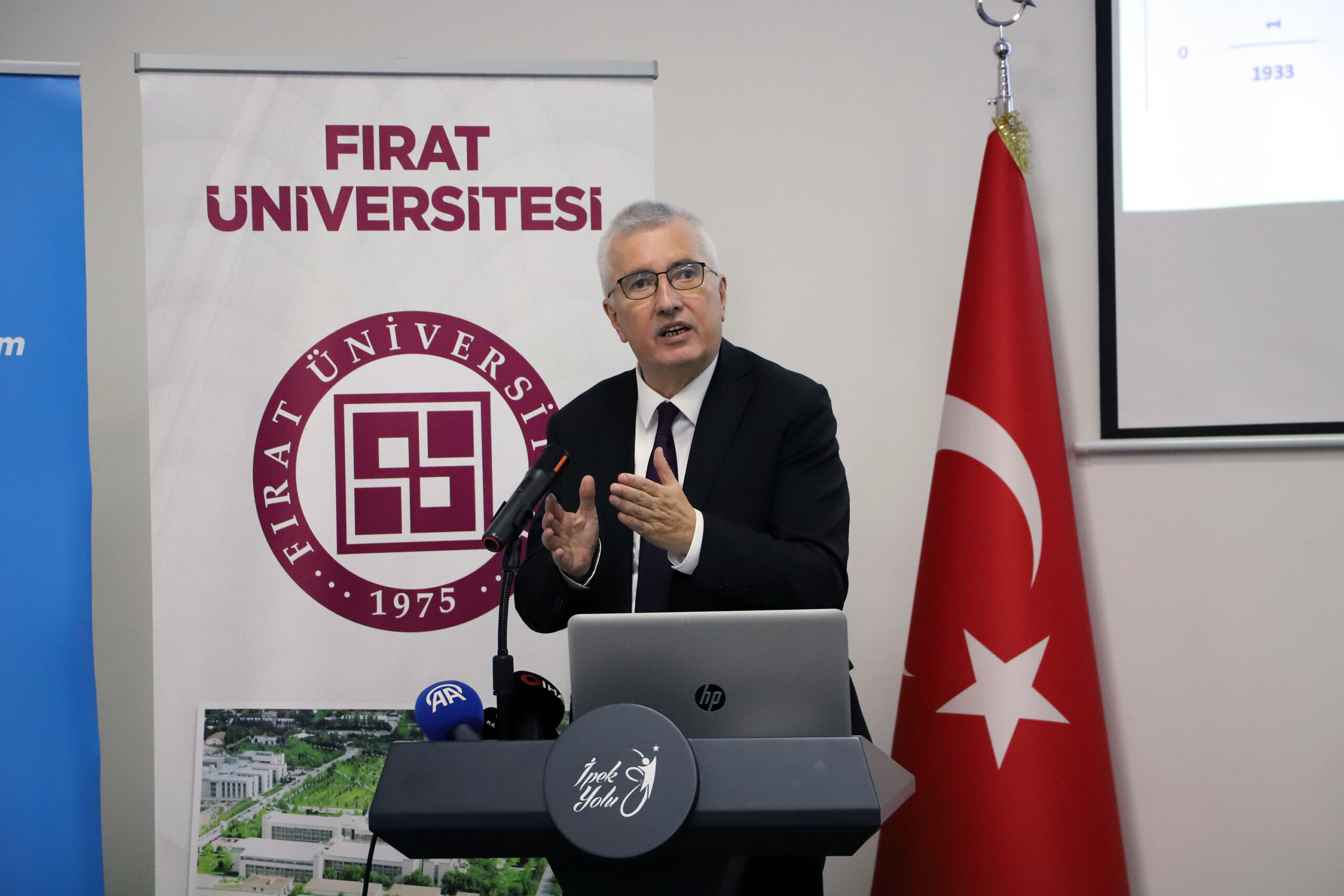
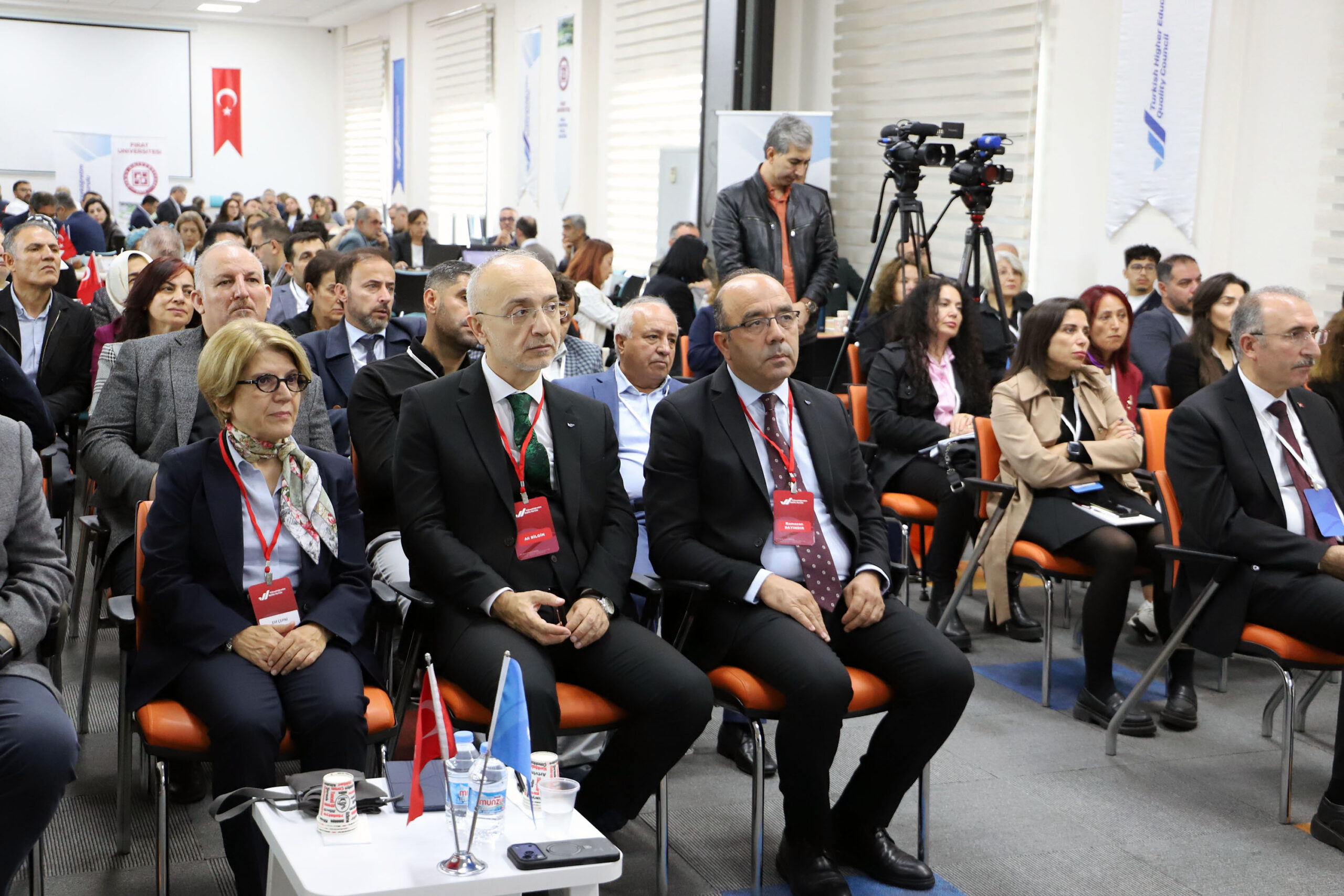
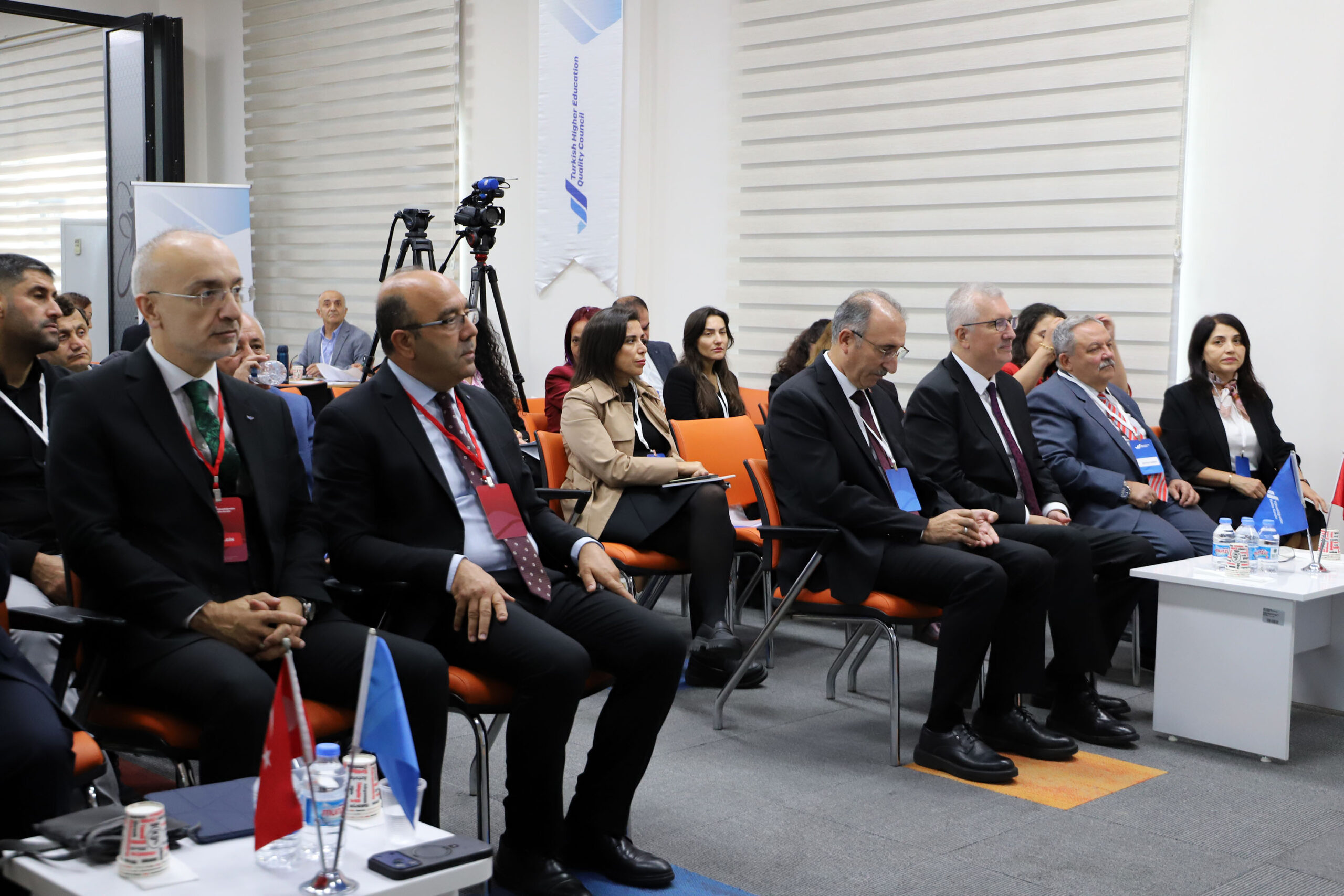
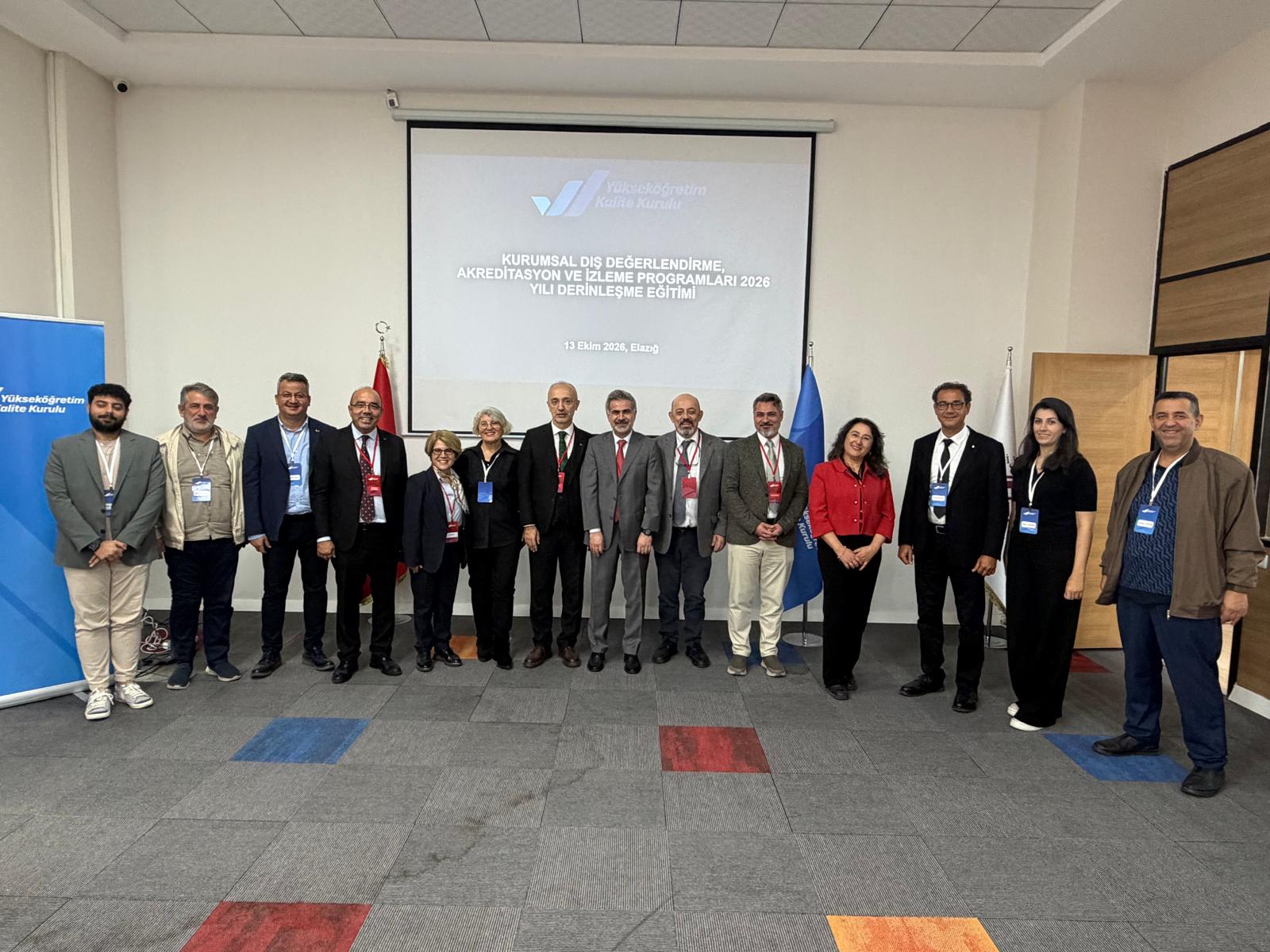
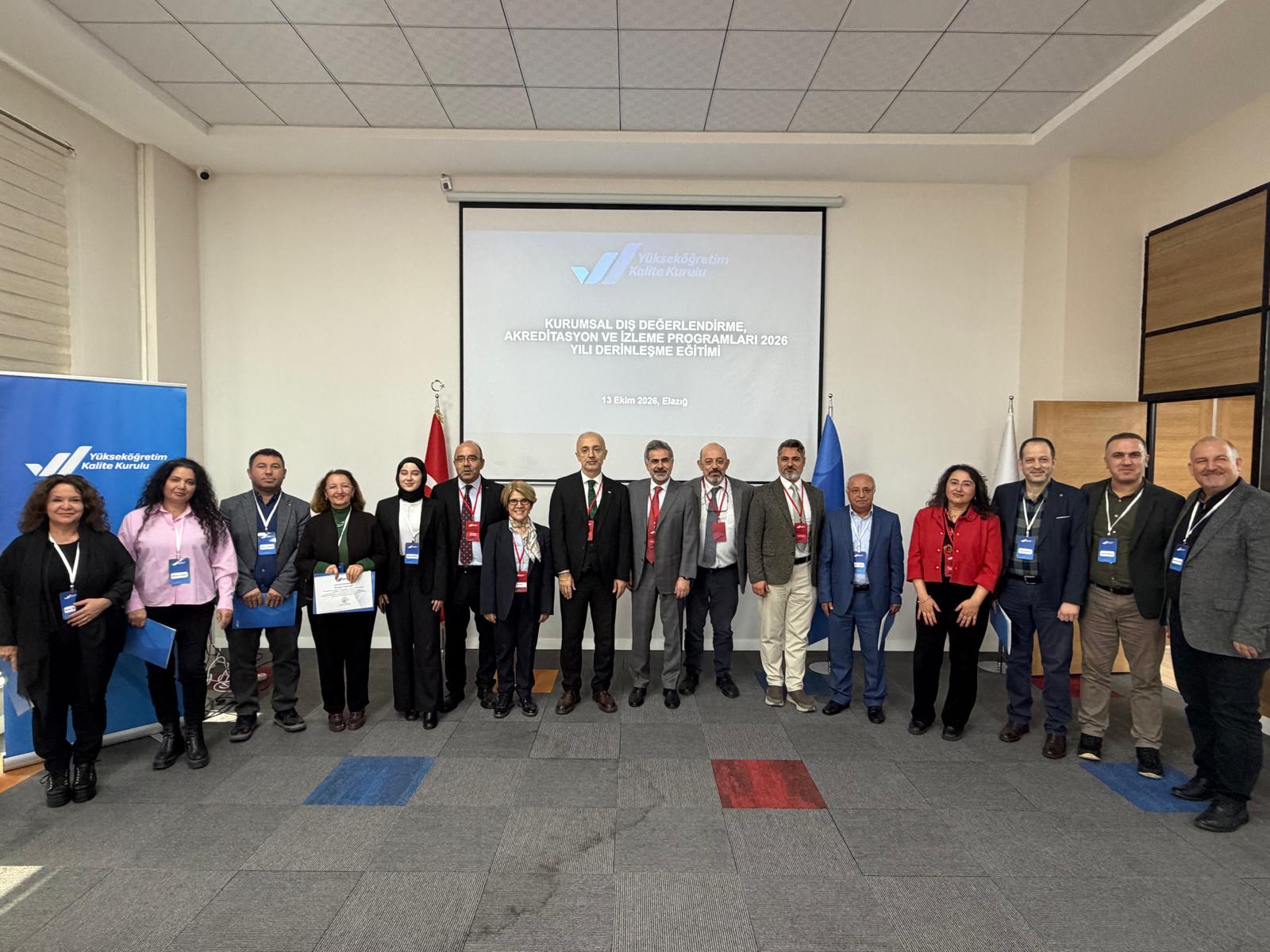
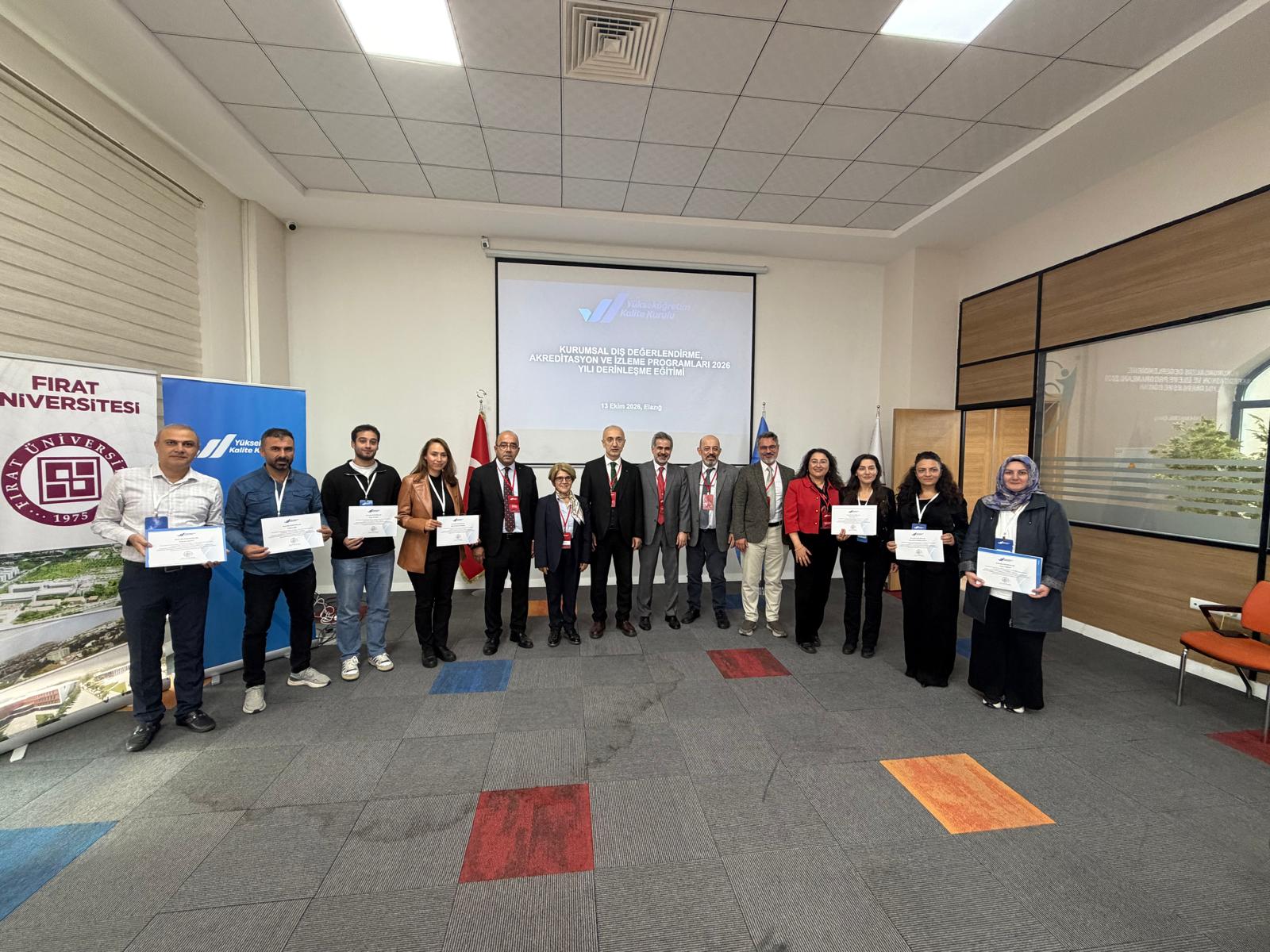
Prof. Ümit Kocabıçak, THEQC President; Prof. Fahrettin Göktaş, Fırat University Rector; Prof. Ramazan Bayındır, THEQC Vice President; the university administration, and evaluators from various institutions and universities attended the program held at the Silk Road International Children and Youth Studies Centre on 13 October 2026.
Speaking at the opening of the program, President Kocabıçak recalled that THEQC has three core duties, namely institutional accreditation, recognition and authorisation of accreditation agencies, and the dissemination of a quality assurance culture, emphasising that the Council has also gained international institutional accreditation competency as of 2025.
Expressing that the data in the system is evaluated with a holistic approach, Kocabıçak stated that examinations are conducted based on 46 criteria defined under European standards, in line with common quality assurance standards of 40 European countries, including Türkiye.
Drawing attention to the fact that universities generally have areas for improvement in terms of 12 criteria, Kocabıçak conveyed that strategic planning and management, performance management, alignment of course objectives with program outcomes, measurement and evaluation processes, service to society management, and the enhancement of research competencies are prominent topics. Kocabıçak added that the gap between universities’ self-evaluations and the reports of external evaluation teams is gradually narrowing, which demonstrates that the quality assurance culture is taking root in a healthy manner.
Rector Göktaş stated that quality assurance in higher education plays a critical role in reaching certain standards in educational activities and in the development of universities. Expressing that countries with a long history of higher education in the world have achieved significant milestones in education, research, innovation, and service to society through their experience, he noted that the evaluation and accreditation processes carried out by THEQC offer significant contributions to universities in recognising their strengths, identifying areas for development, and continuously improving their institutional structures.
Vice President Bayındır also mentioned the technical details of evaluation processes and the importance of using common terminology in his speech. Sharing information about THEQC’s organisational structure and evaluation mechanisms, he announced that 201 universities have been included in the Institutional External Evaluation Program to date. Stating that evaluations are carried out within the framework of the Standards and Guidelines for Quality Assurance in the European Higher Education Area (ESG) using an evidence-based, multi-stage system, he noted that 4 main headings, 14 criteria, and 46 sub-criteria are examined over 1,000 points through a rubric approach.
Giving reminders to evaluators who will take part in site visits, Vice President Bayındır emphasised that the process carried out is not an ‘audit’ or ‘fault-finding’ activity, and evaluators should be aware that they serve as independent evaluators on behalf of THEQC. He added that it must be checked to what extent policies are implemented in the field and whether monitoring processes are functioning.
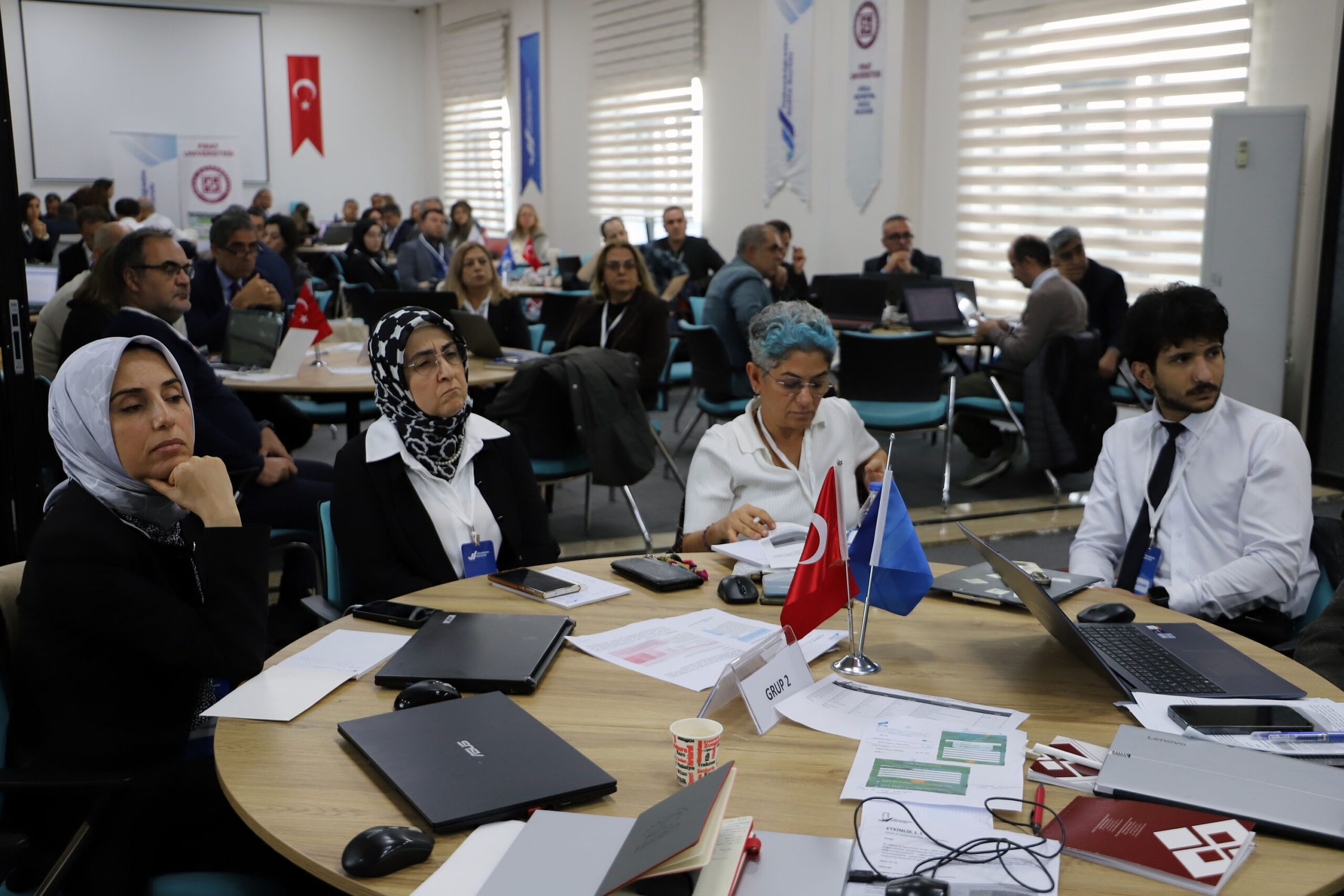
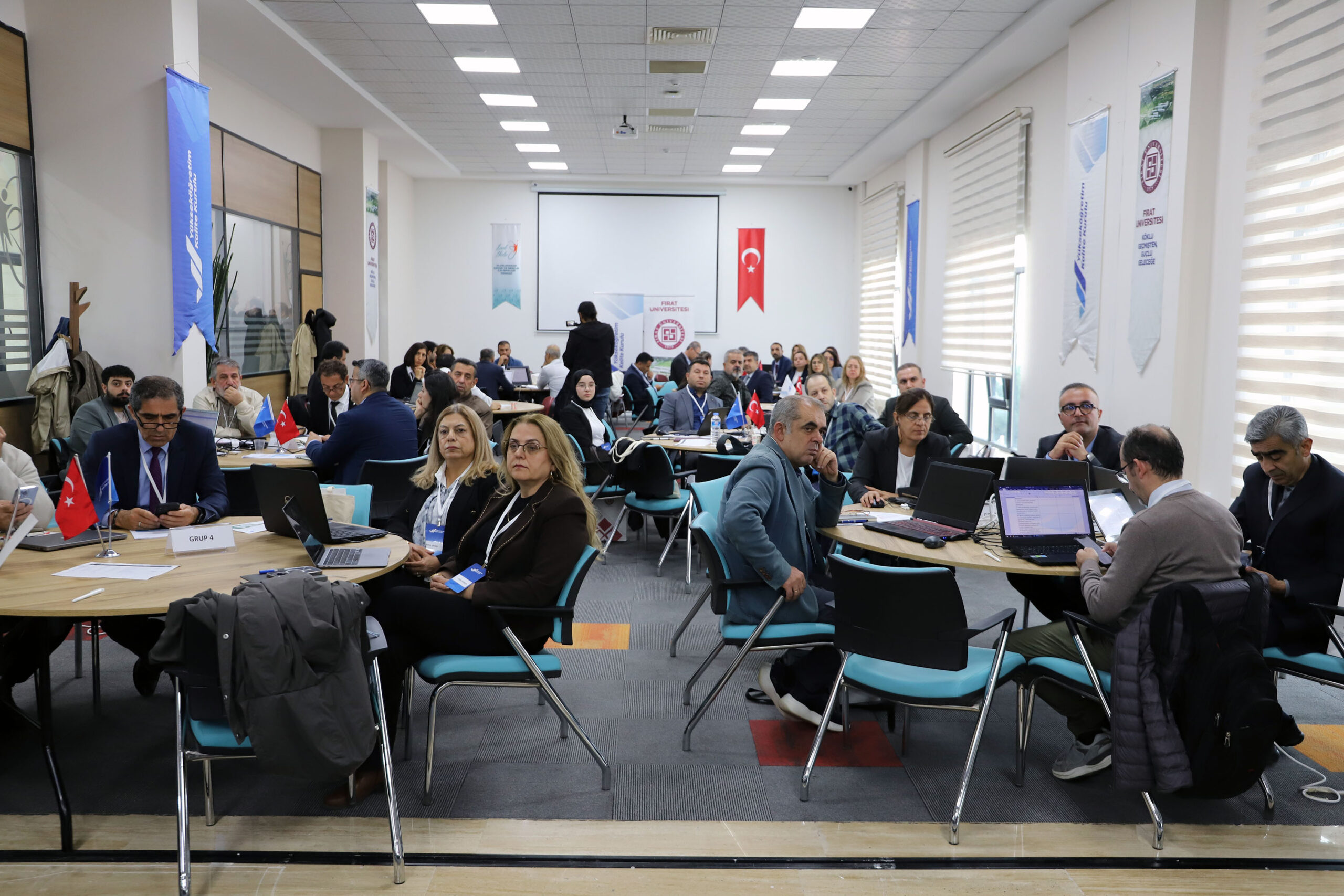
Through presentations and interactive activities conducted throughout the day within the training program, participants taking part in evaluation processes shared their field experience. Aimed at creating a common learning environment regarding the quality assurance practices of different institutions, the event targeted strengthening a common understanding and culture of quality processes among higher education institutions. The program concluded with an evaluation session, an exam, and the presentation of certificates of attendance.
Tag:Elazığ, evaluator, Fırat University, in-depth, Training
