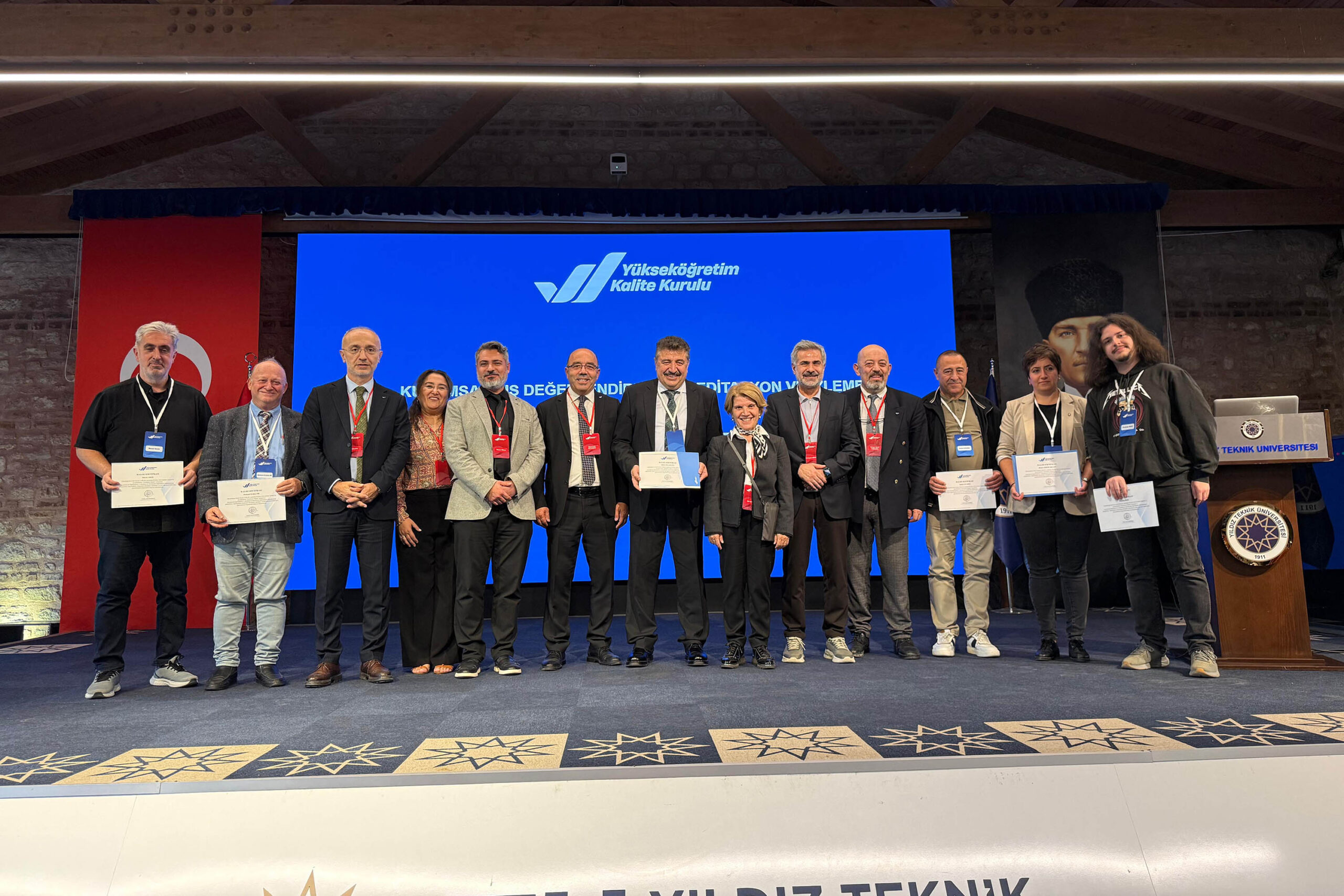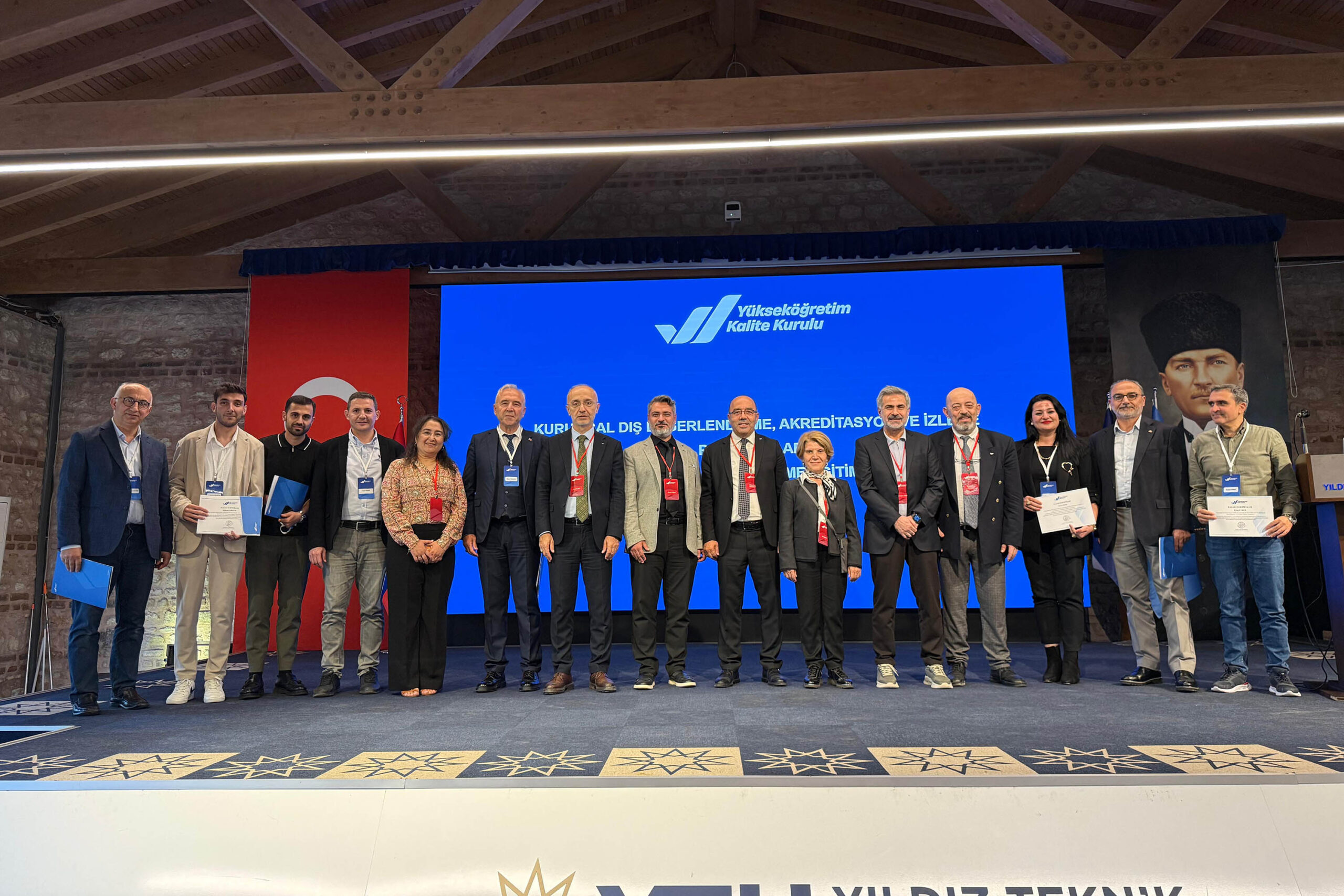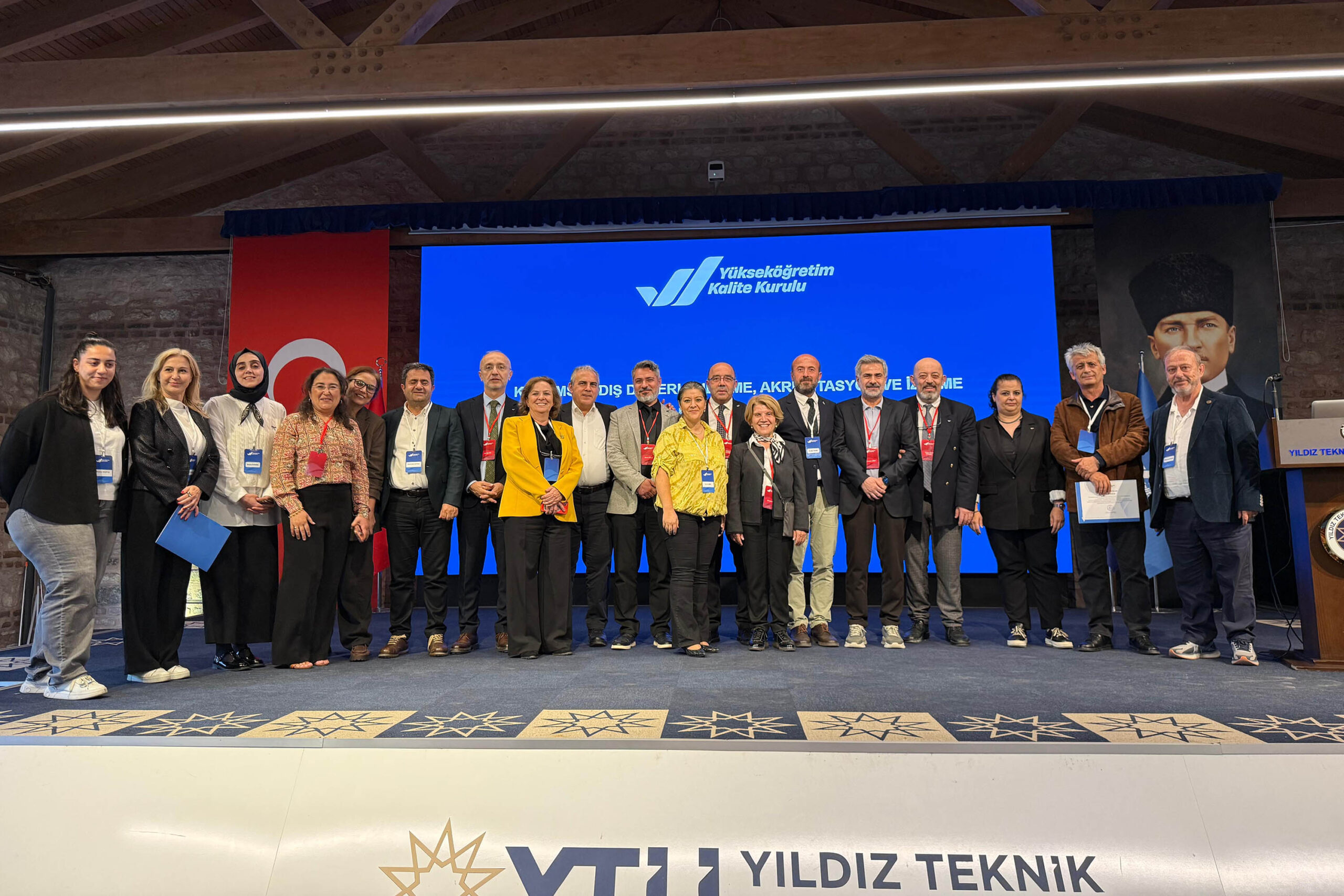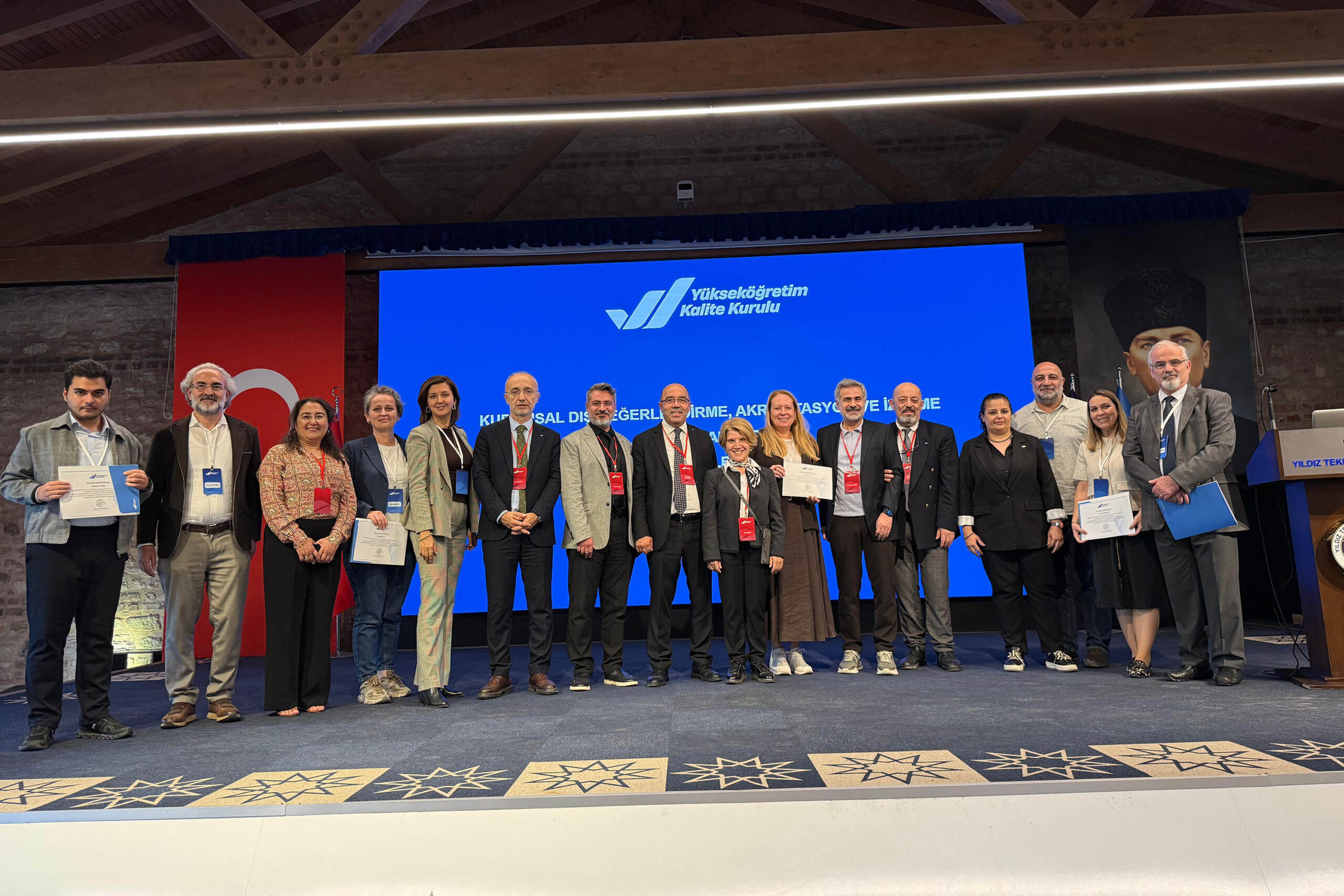
The Second Phase of the 2026 THEQC In-Depth Evaluator Training Held in İstanbul
- Date 9 October 2026
The Second Phase of the 2026 THEQC In-Depth Evaluator Training Held in İstanbul
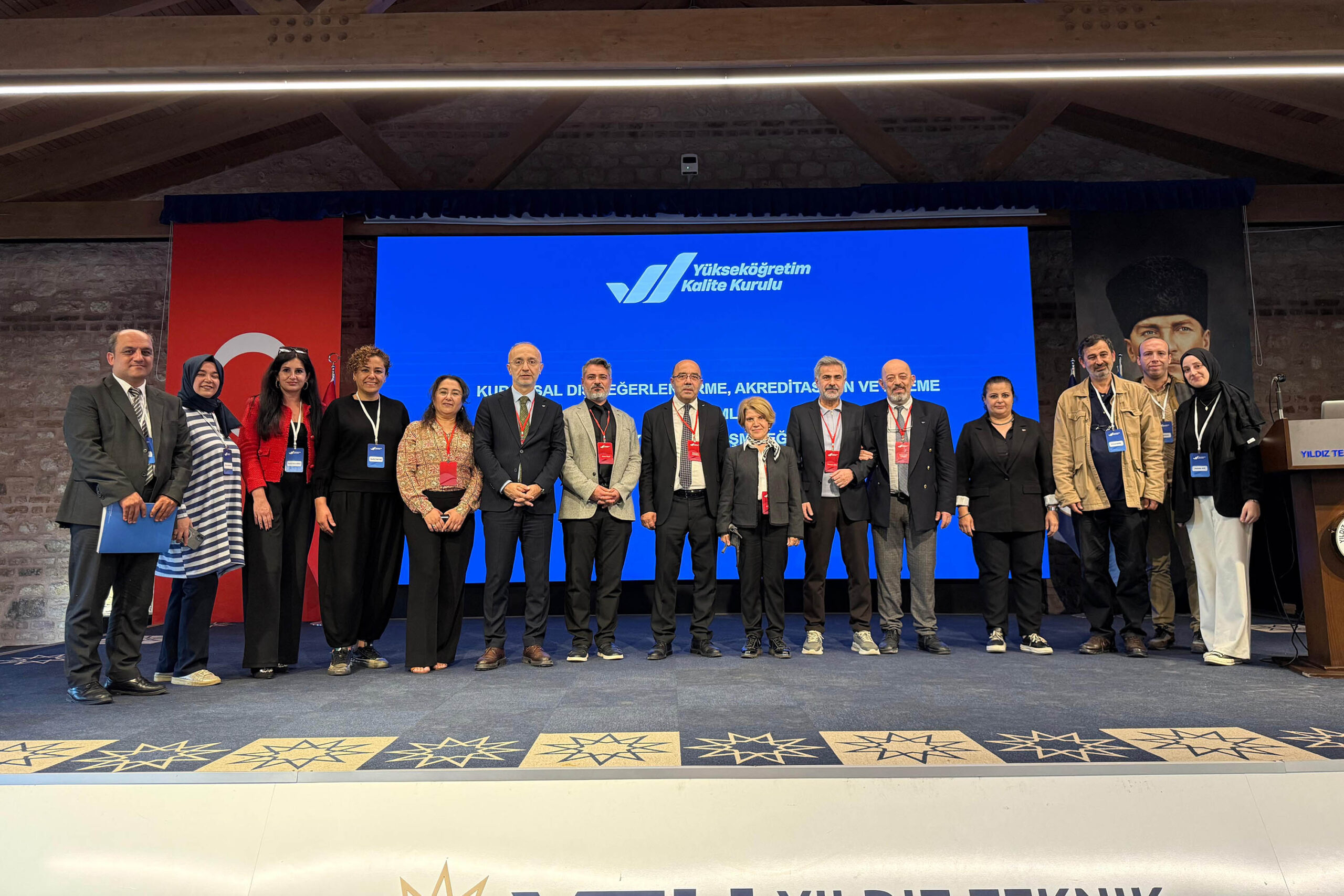
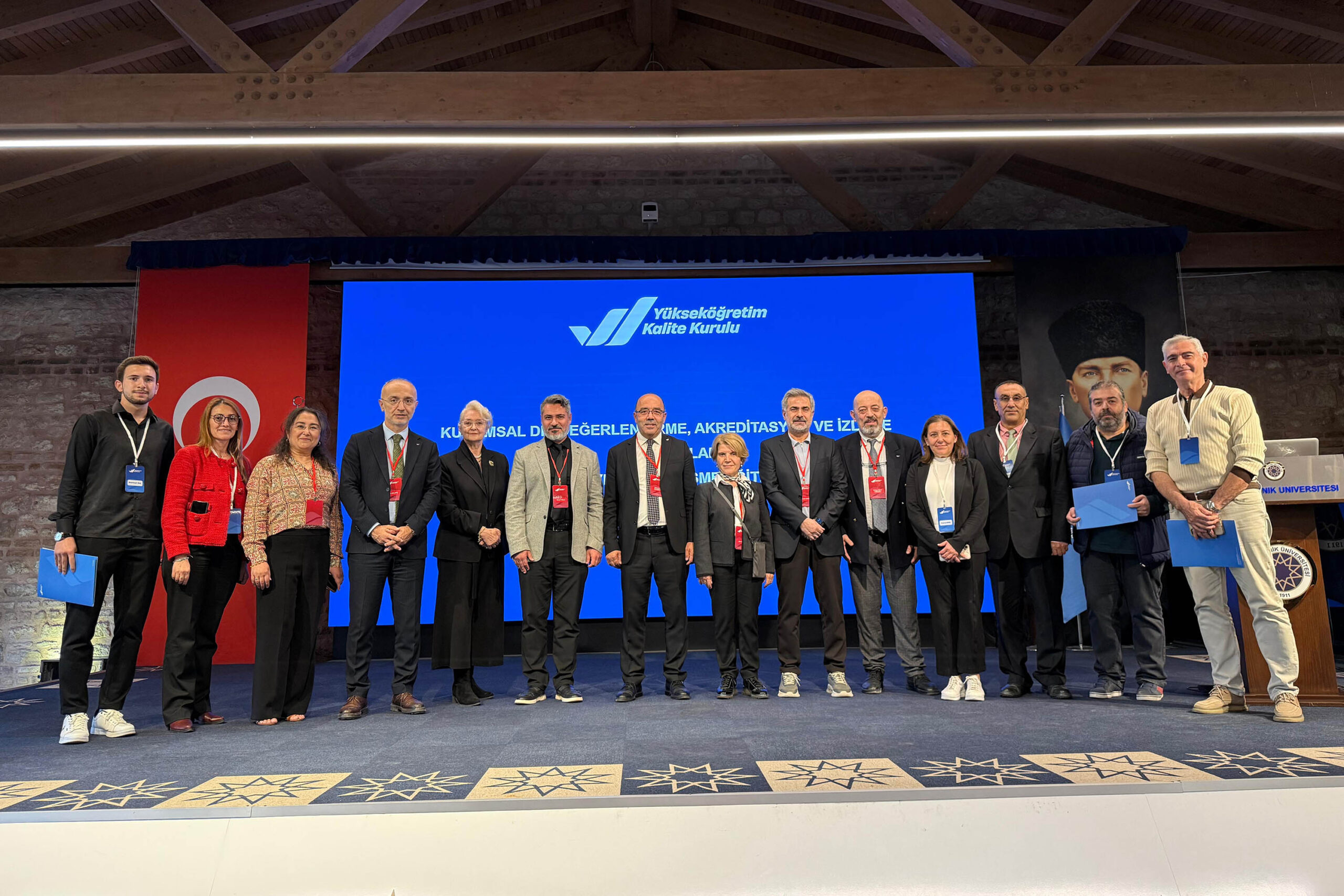
Organised by the Turkish Higher Education Quality Council (THEQC) to strengthen the quality assurance system in higher education and increase the competencies of evaluators, the second phase of the “2026 In-Depth Evaluator Training” was hosted by Yıldız Technical University (YTU).
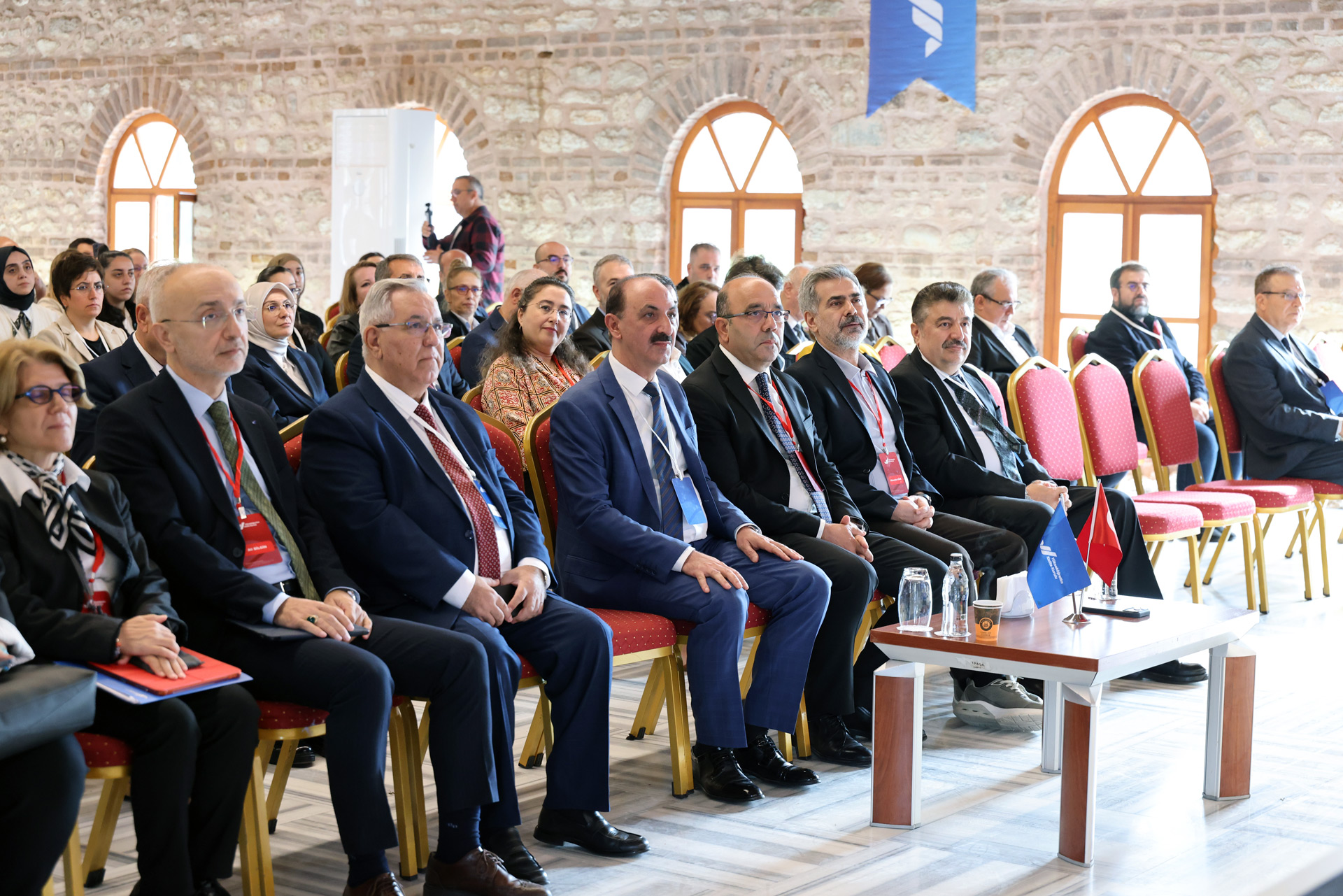
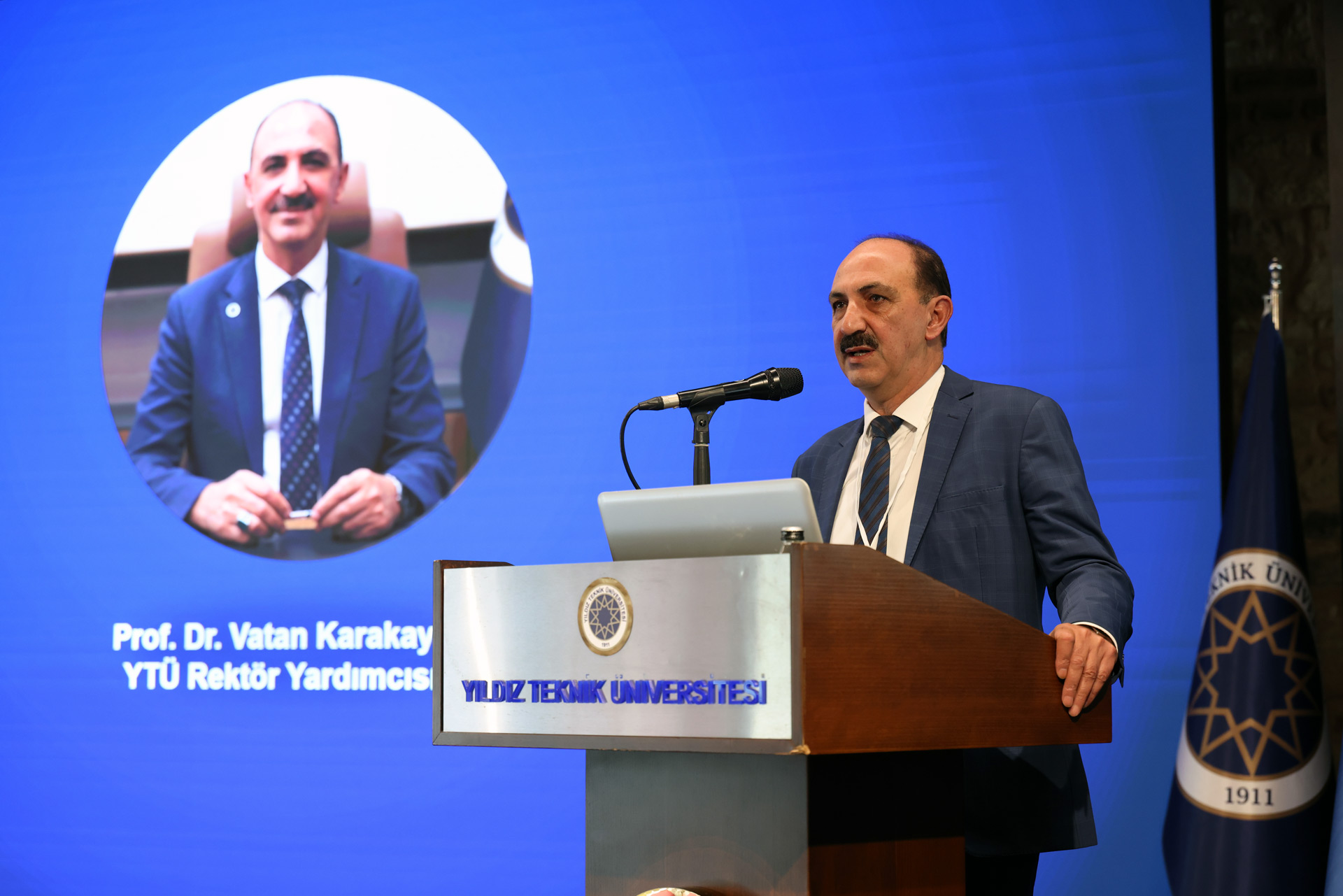
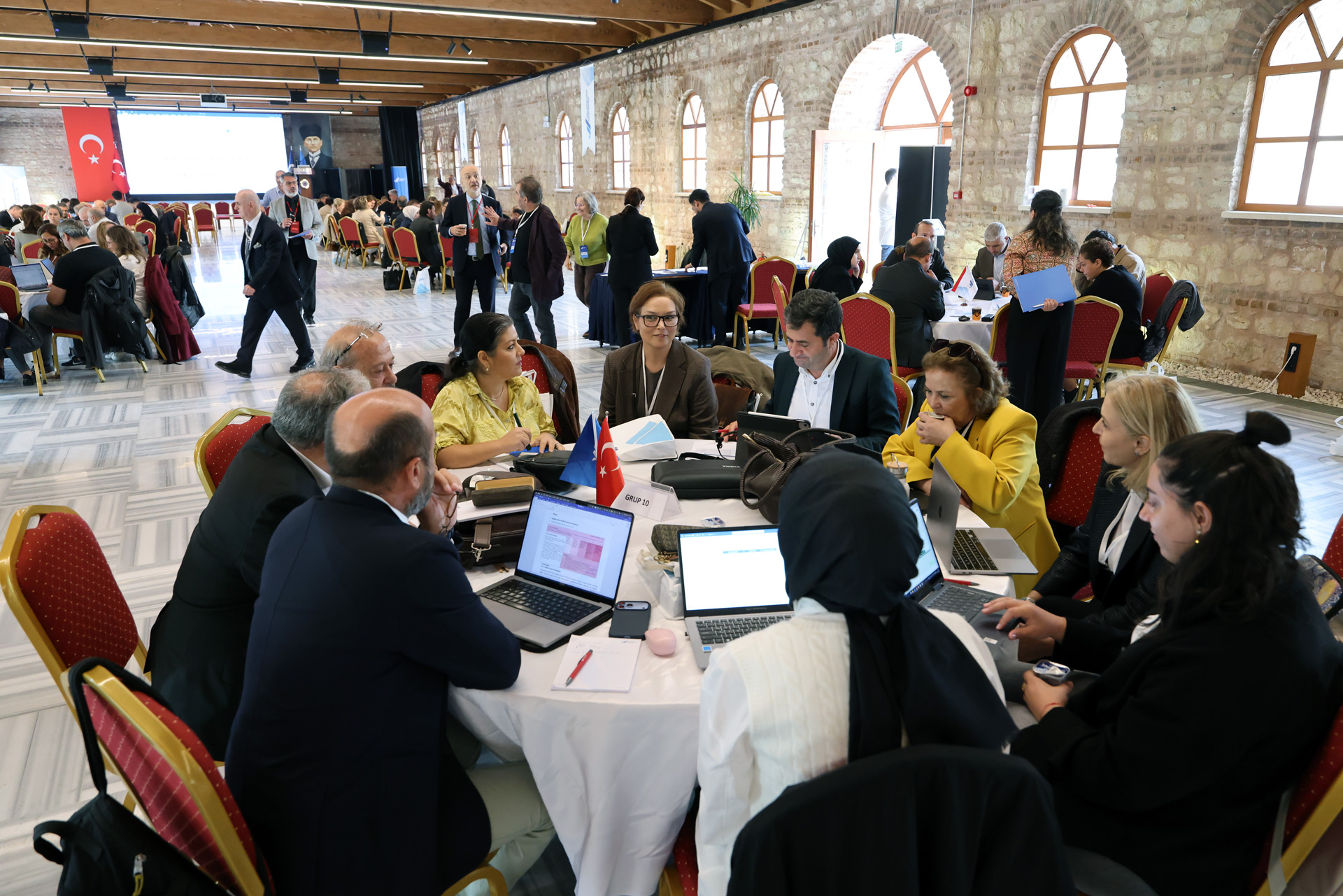
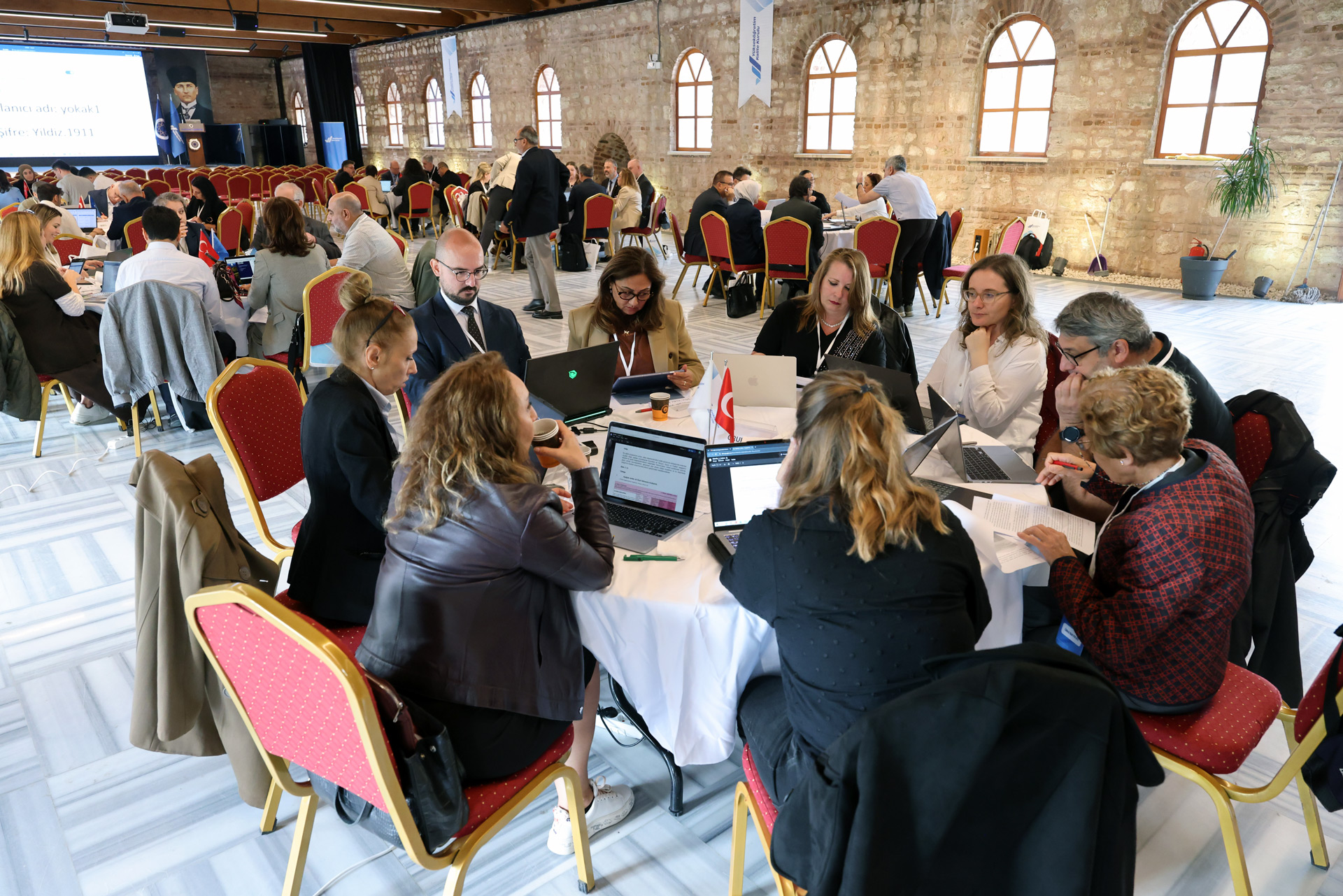
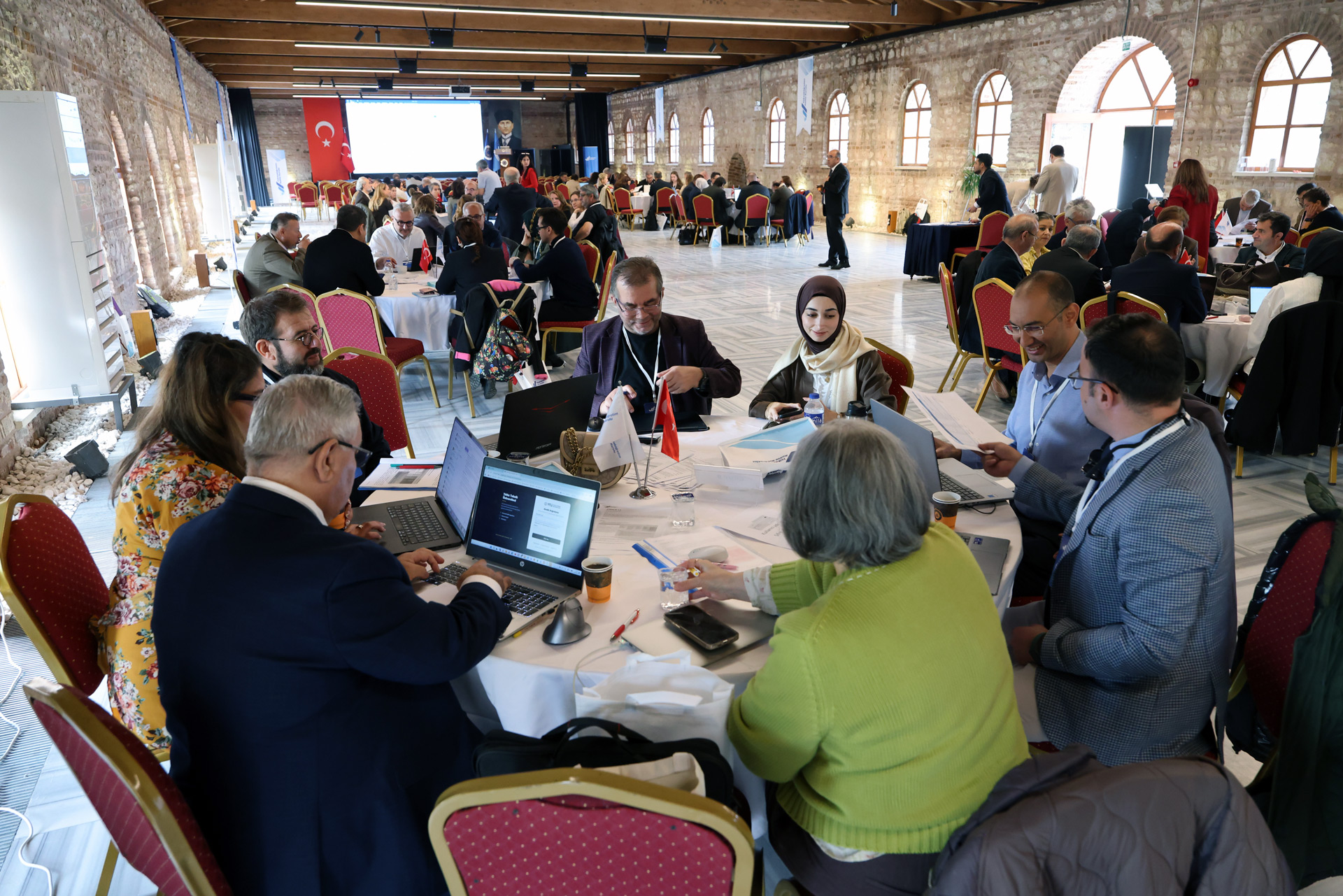
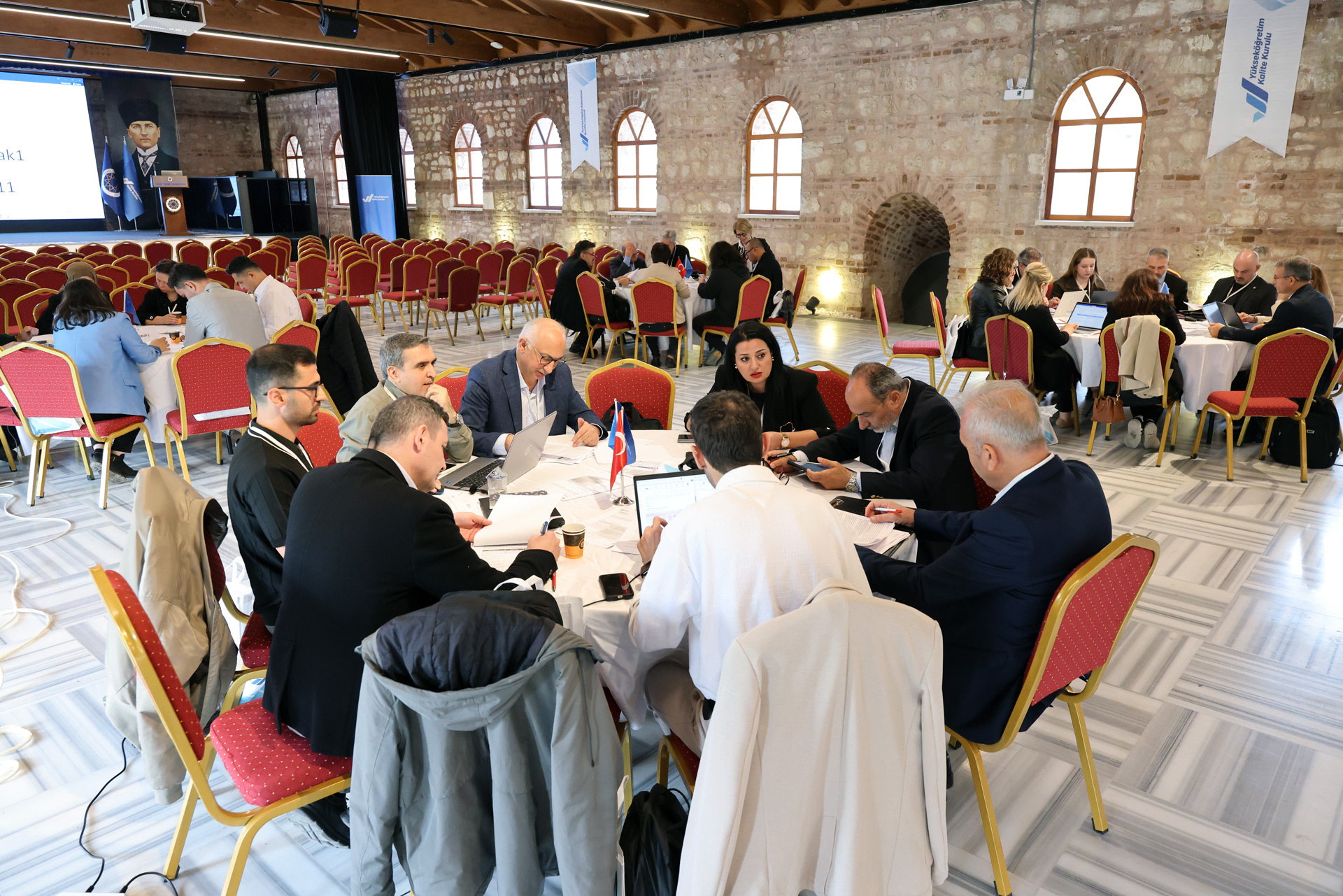
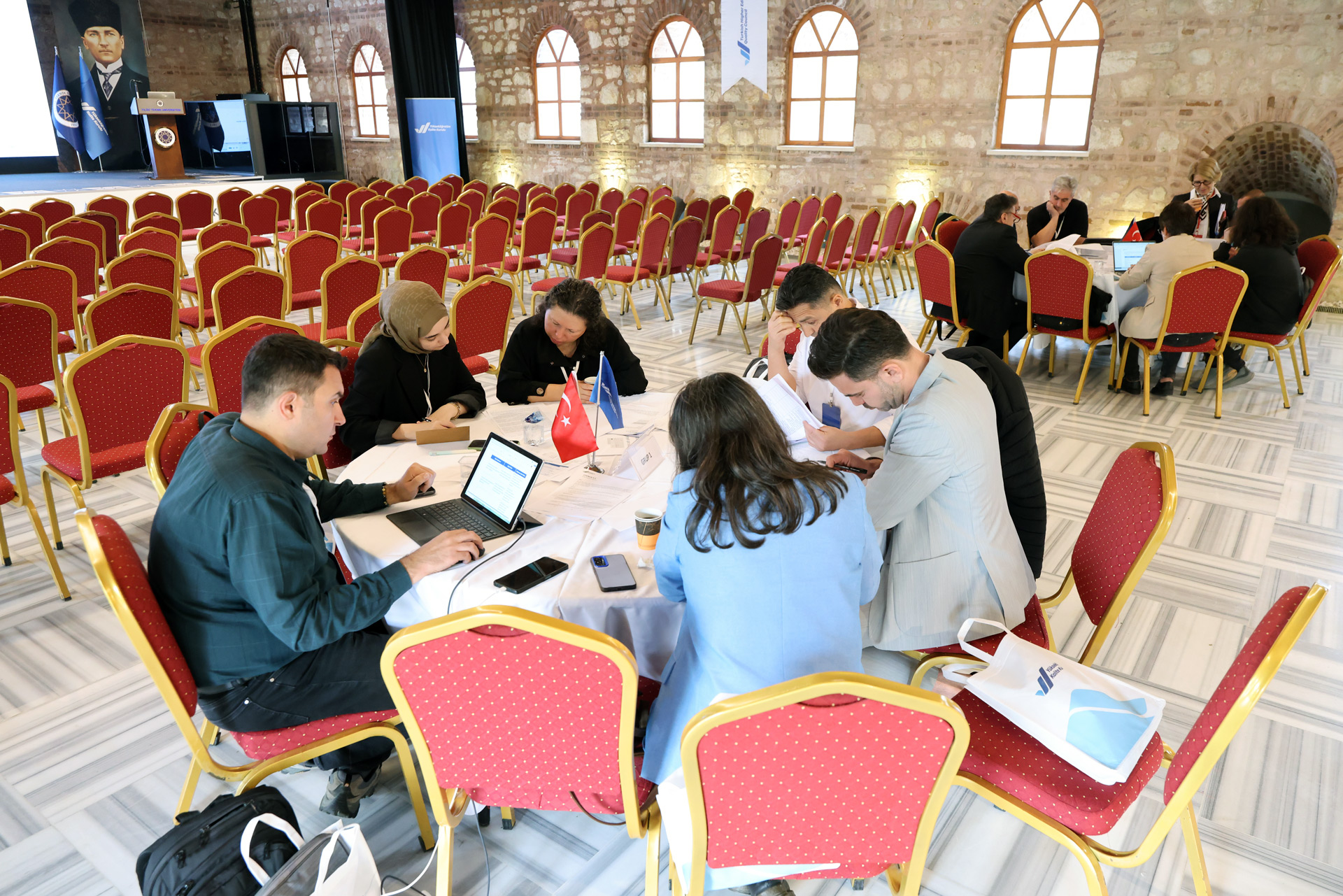
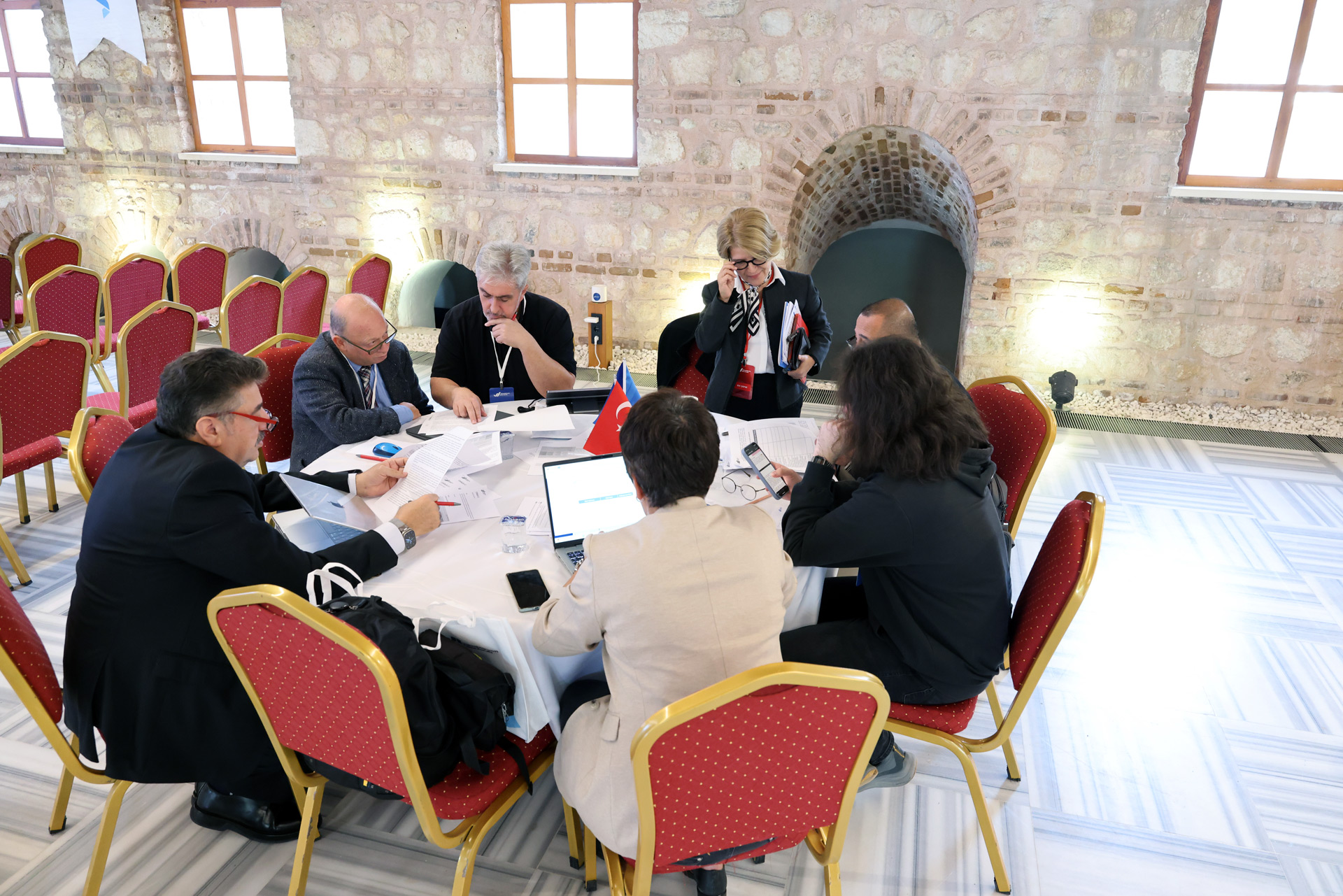
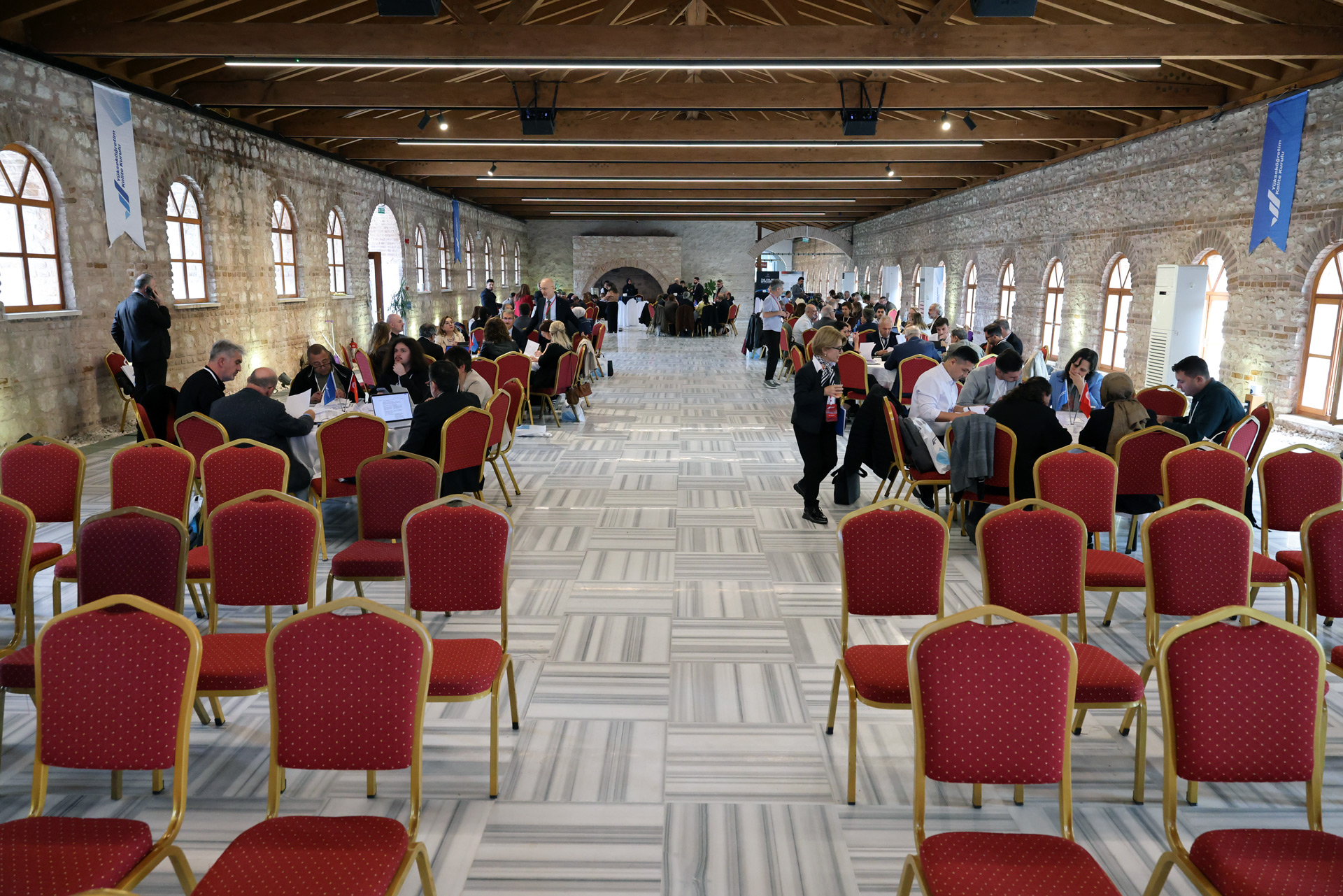
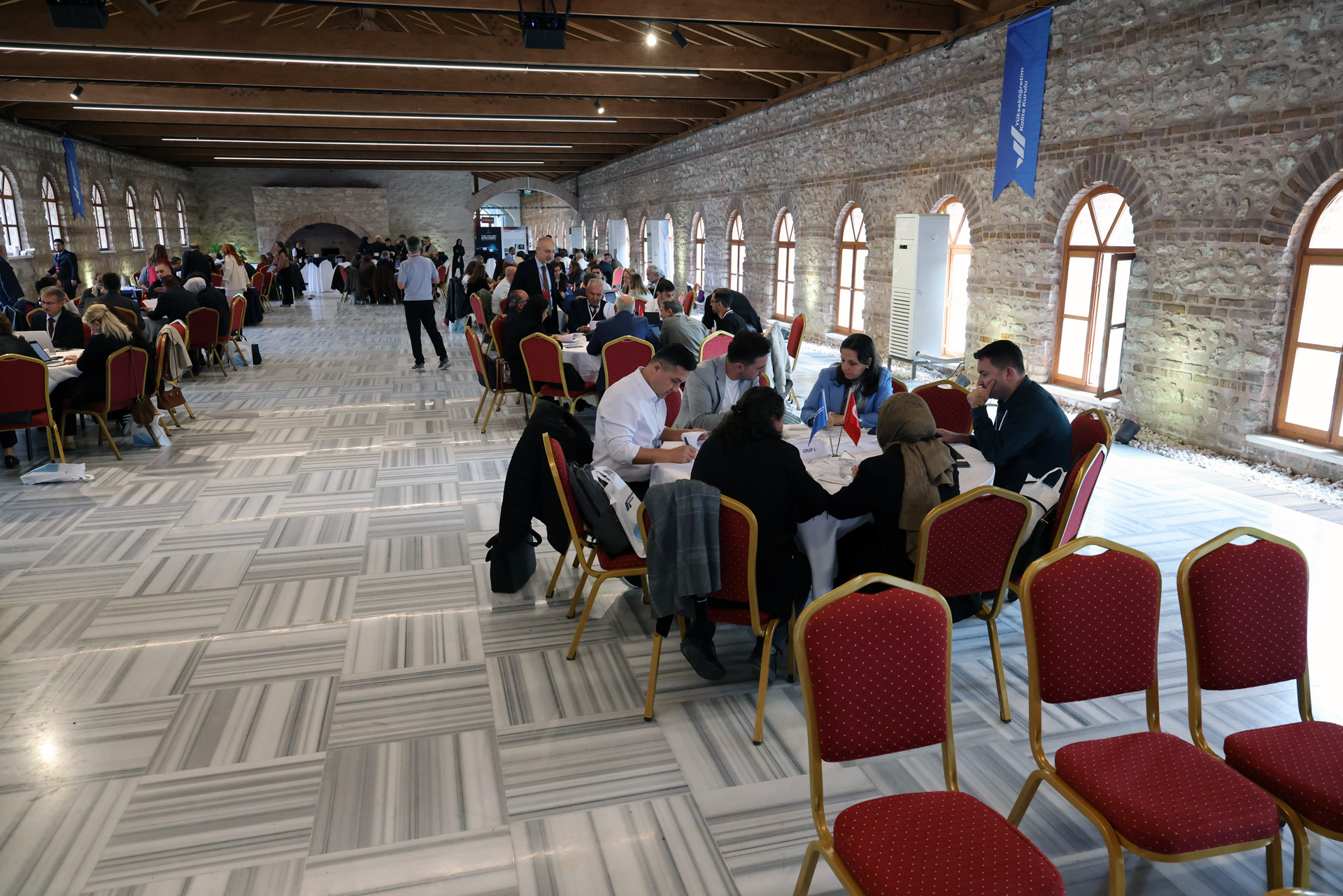
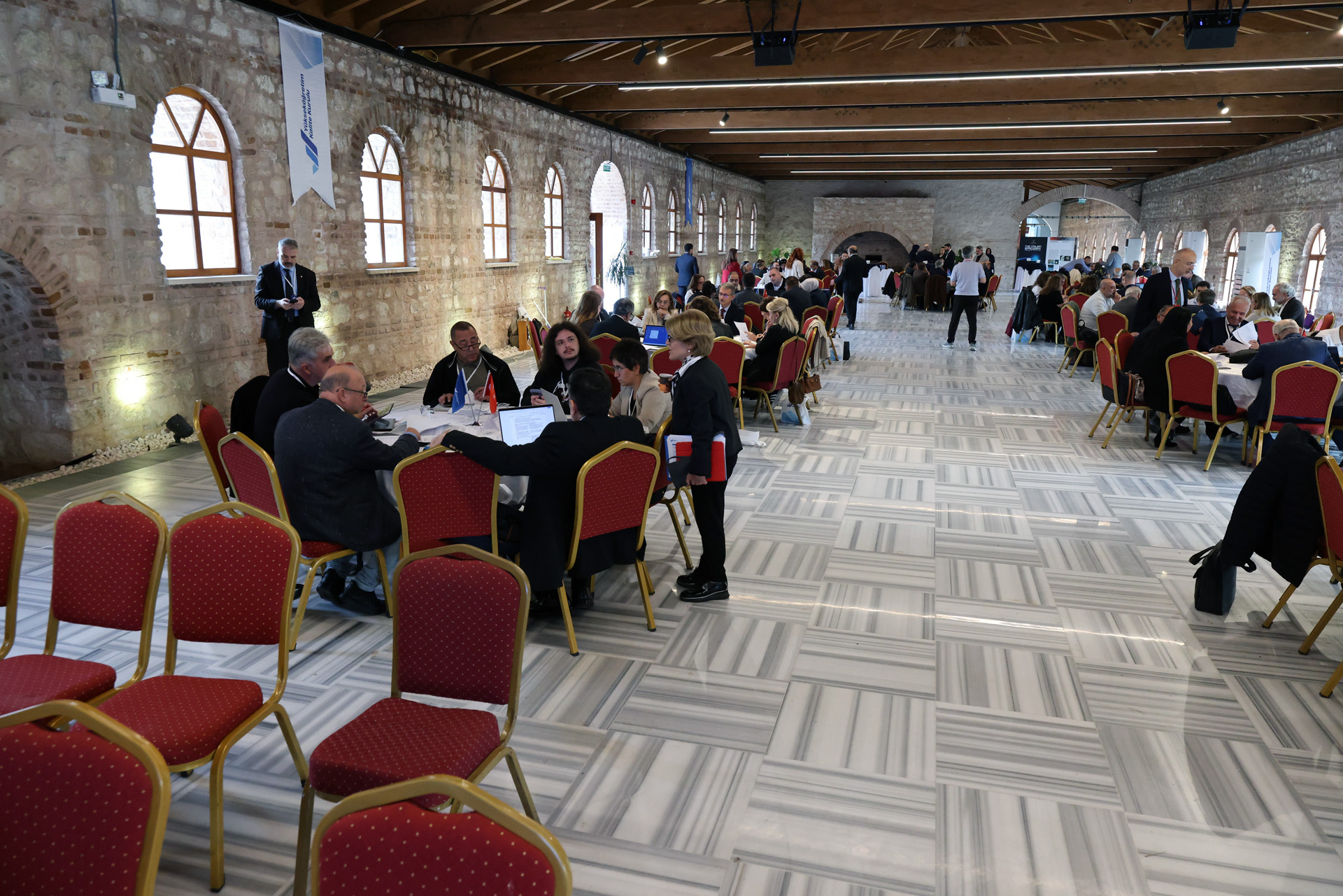
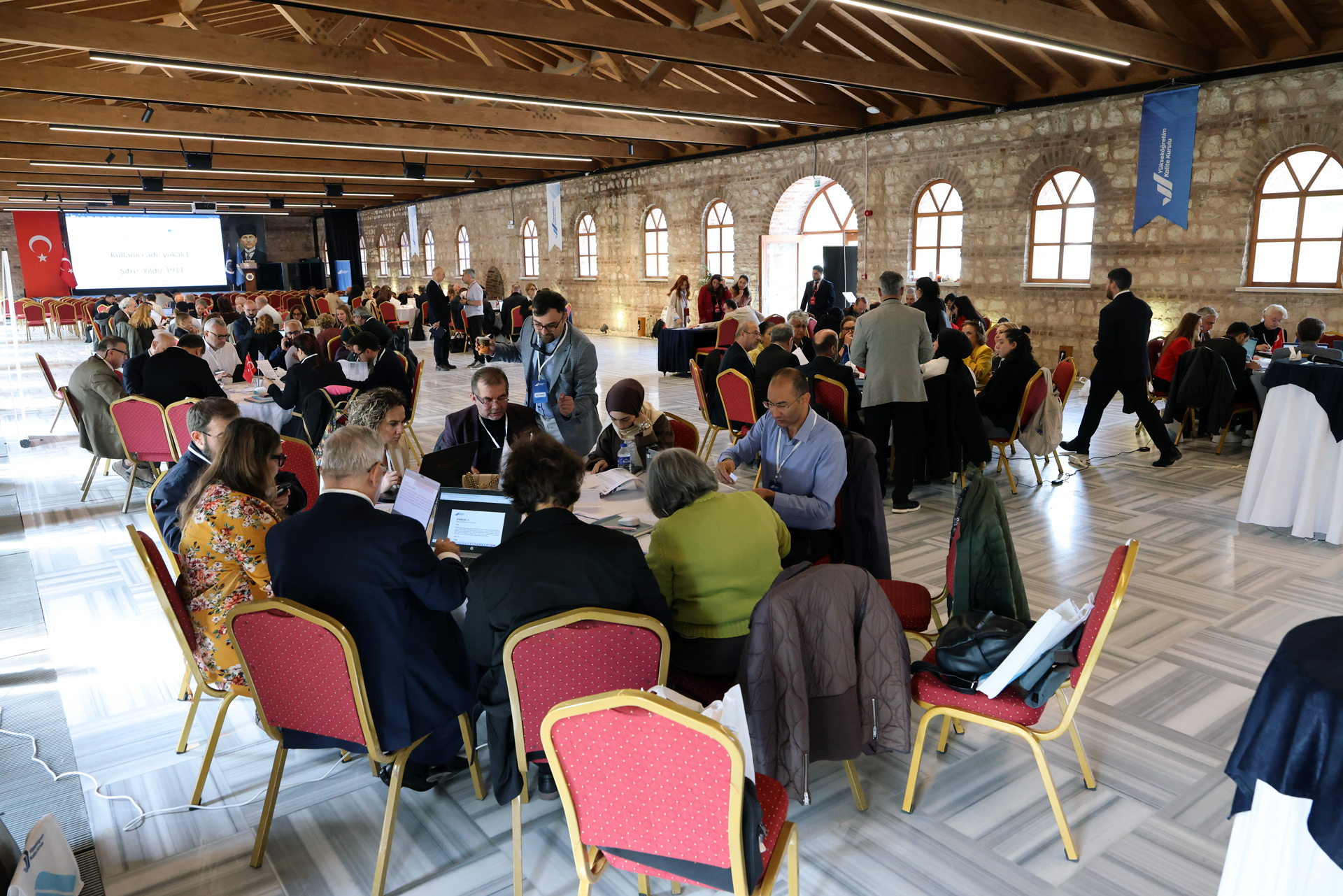
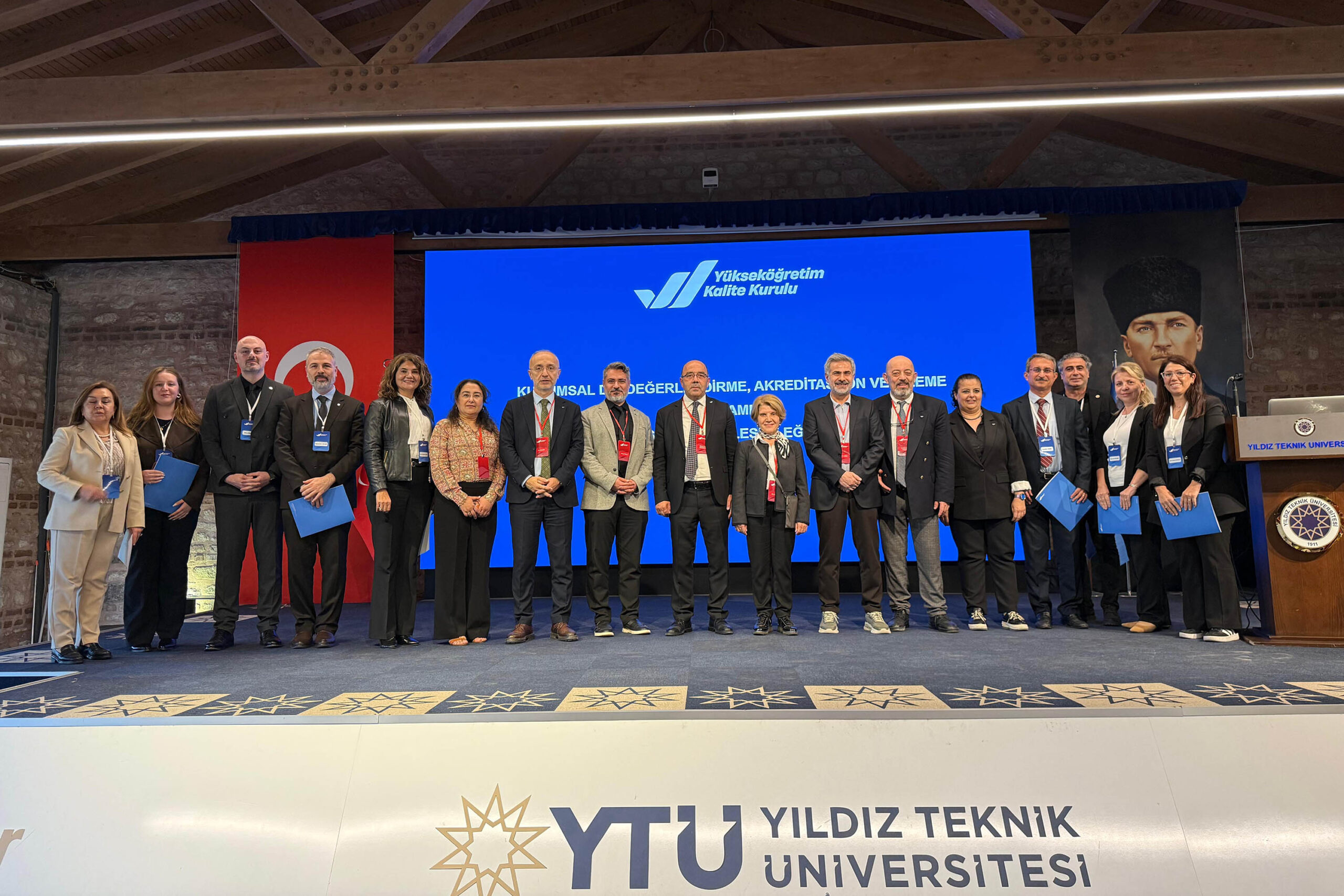
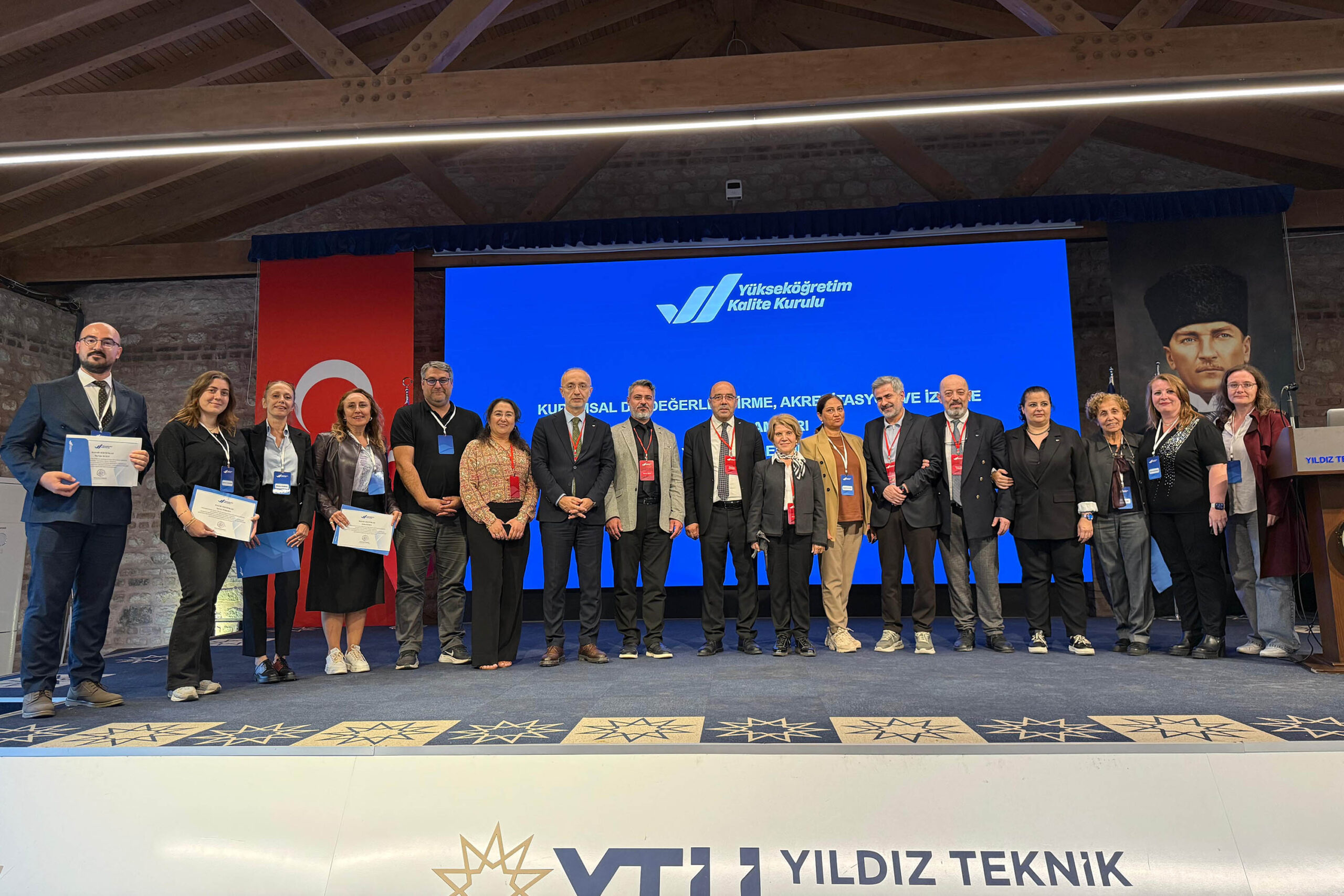
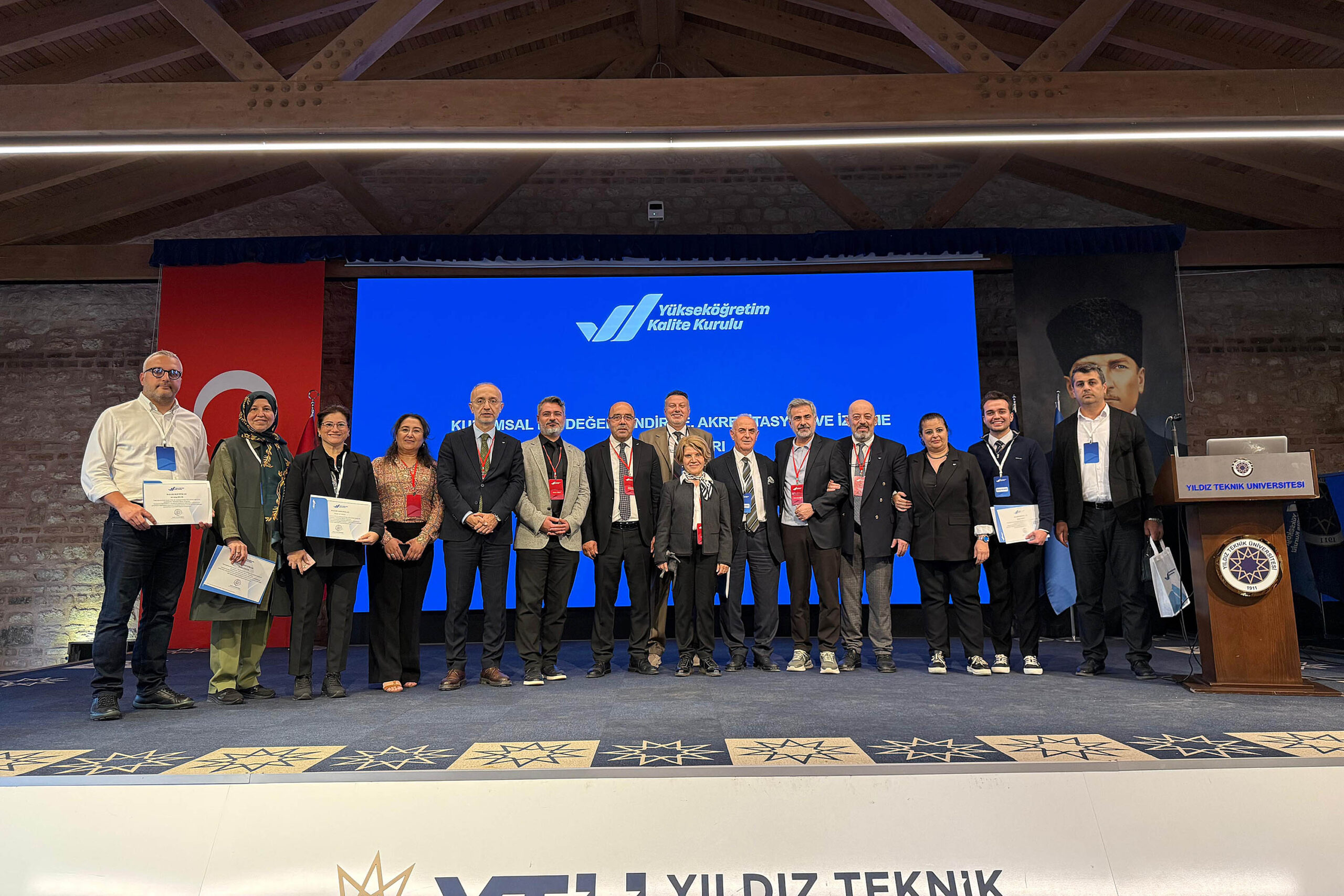
Prof. Vatan Karakaya, YTU Acting Rector, Prof. Ramazan Bayındır, THEQC Vice President, THEQC Council Members, THEQC experts, alongside 150 evaluators from 83 different institutions consisting of academic and administrative staff and sector representatives attended the training held at the YTU Davutpaşa Campus Historical Bath Culture Centre in İstanbul.
Speaking at the opening of the program, Prof. Karakaya stated that the quality culture in higher education in Türkiye has reached a significant milestone, noting that the primary issue from now on is the monitoring and continuous improvement of activities carried out within institutions. Stating that institutions have made significant progress in the planning and doing phases, the first two stages of the PDCA (Plan-Do-Check-Act) cycle, during the evaluation processes, he said, “Quality assurance has truly become internalised and reached a certain point, but there are still areas that require closer attention.”
Stating that quality mechanisms in higher education will gain a new dimension with digital transformation, Prof. Karakaya drew attention to the necessity of evaluating the impact of artificial intelligence and autonomous systems on quality assurance processes.
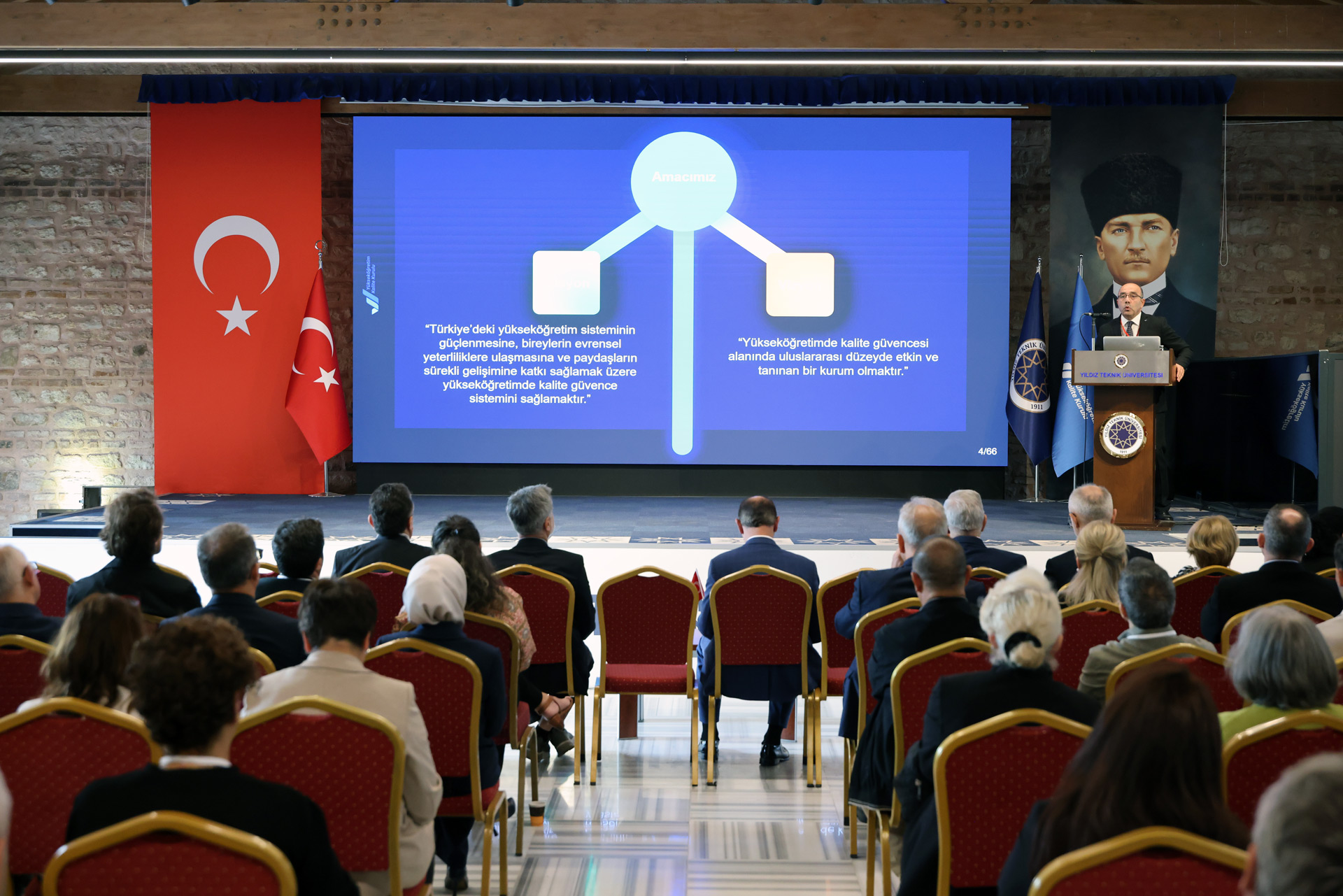
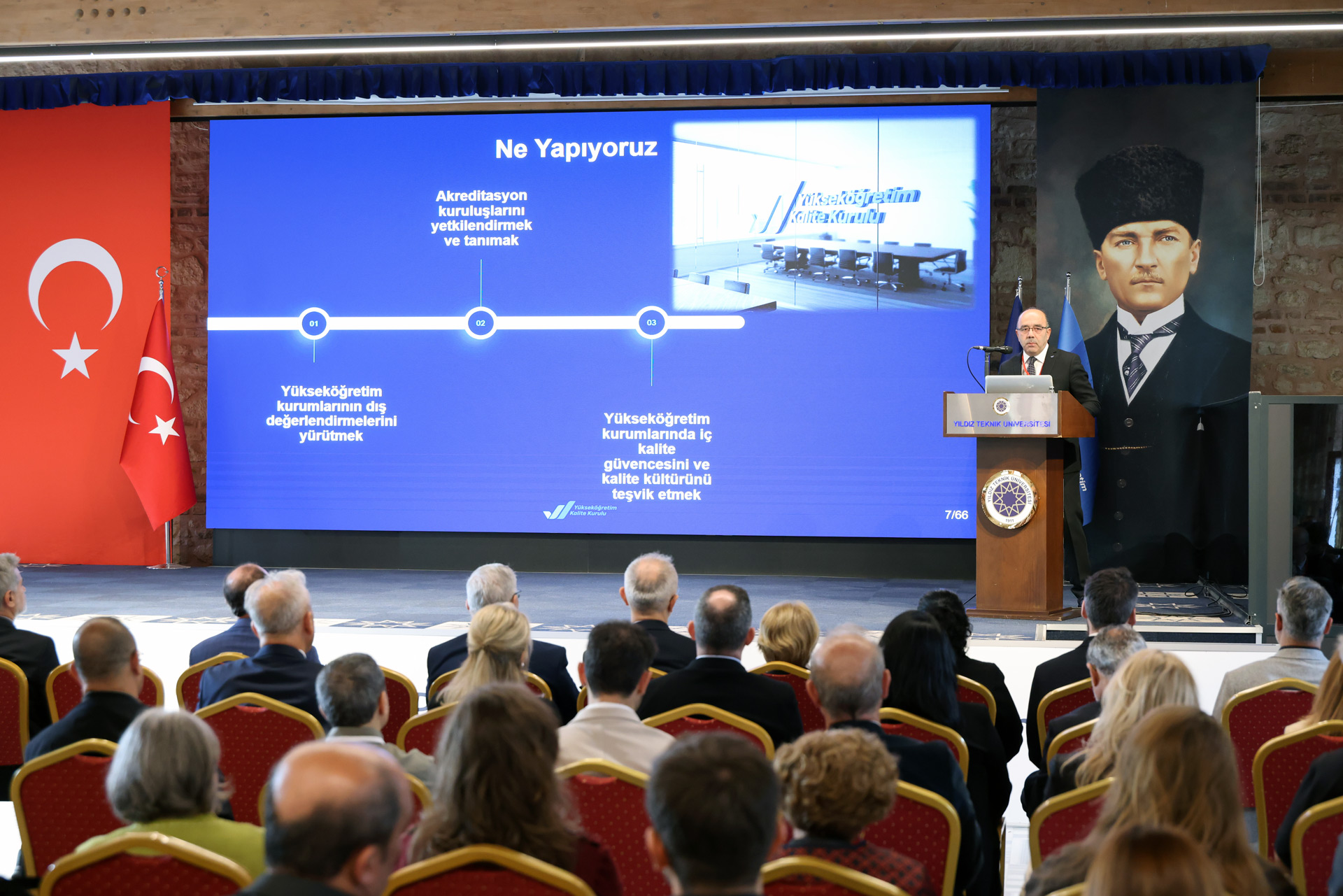
In his speech, Vice President Bayındır shared technical information regarding THEQC’s institutional evaluation processes. Stating that the criteria determined within the framework of the Standards and Guidelines for Quality Assurance in the European Higher Education Area (ESG) are taken as a basis in THEQC’s evaluation processes, he expressed that an evidence-based and multi-stage system is applied in evaluating institutions.
Prof. Bayındır stated that field studies are conducted in line with transparent and measurable principles, and their main goal is to determine the maturity level of institutions based on concrete evidence. He also conveyed that THEQC continues its information-sharing activities in the field of quality alongside the cooperations they carry out with various international institutions.
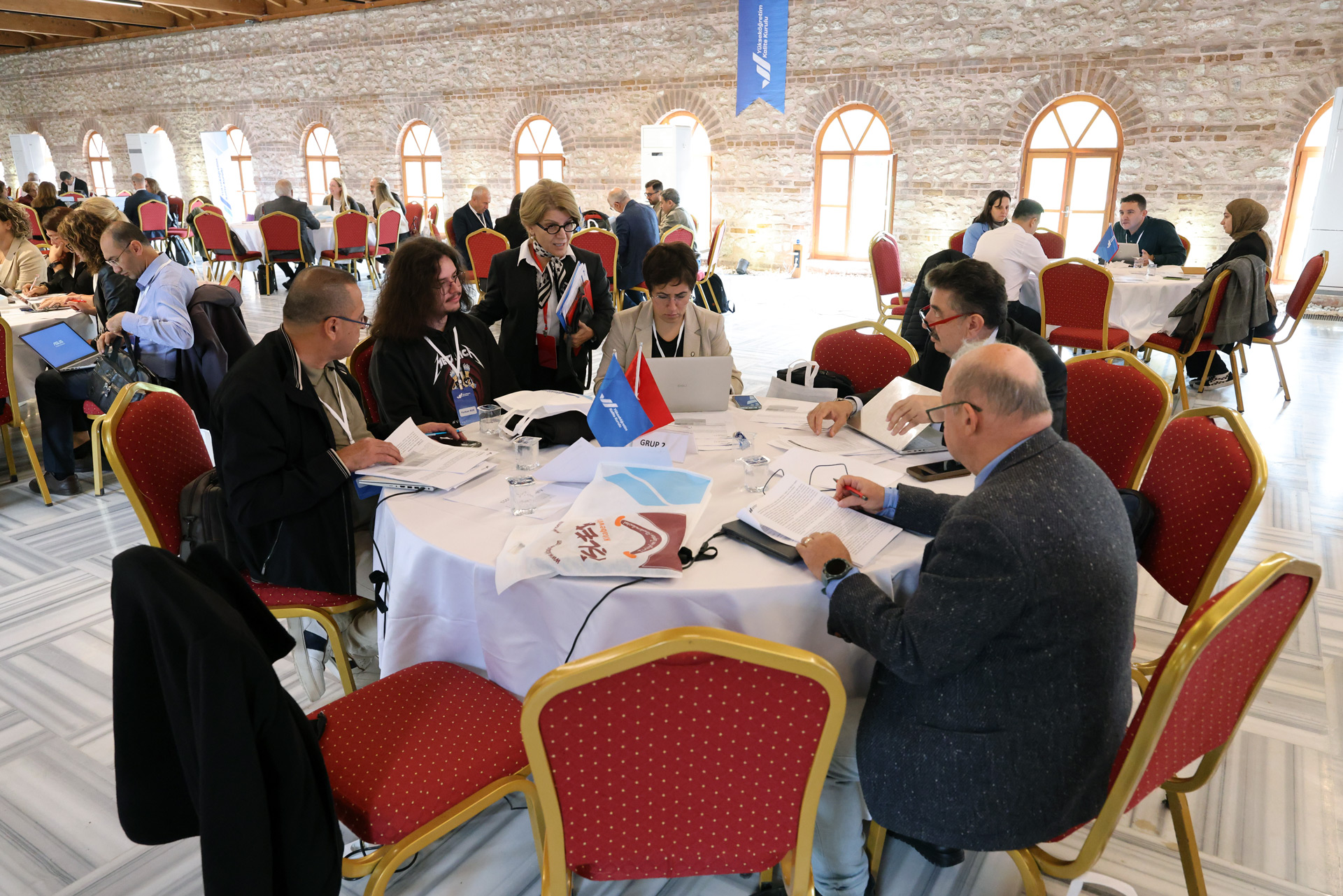
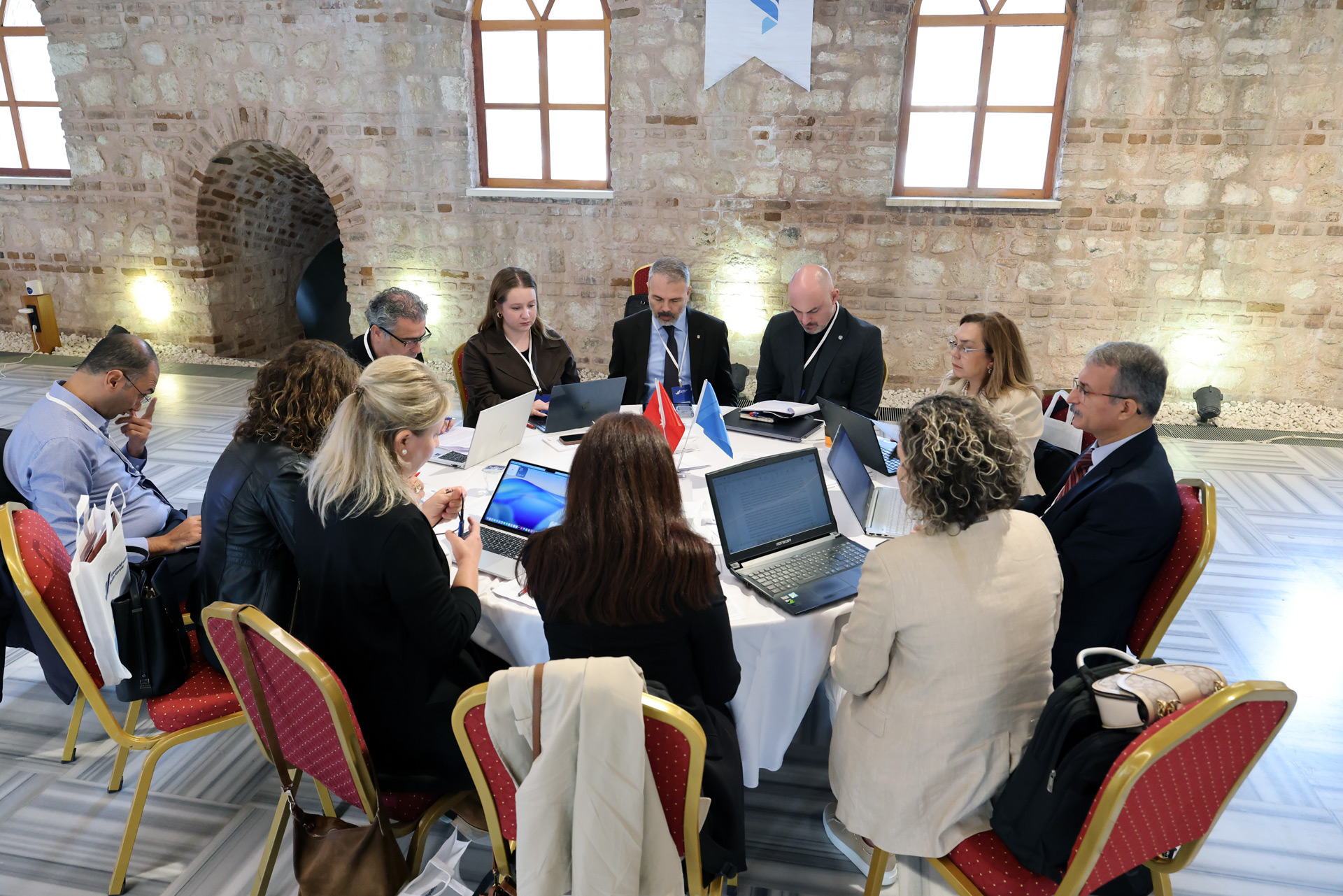
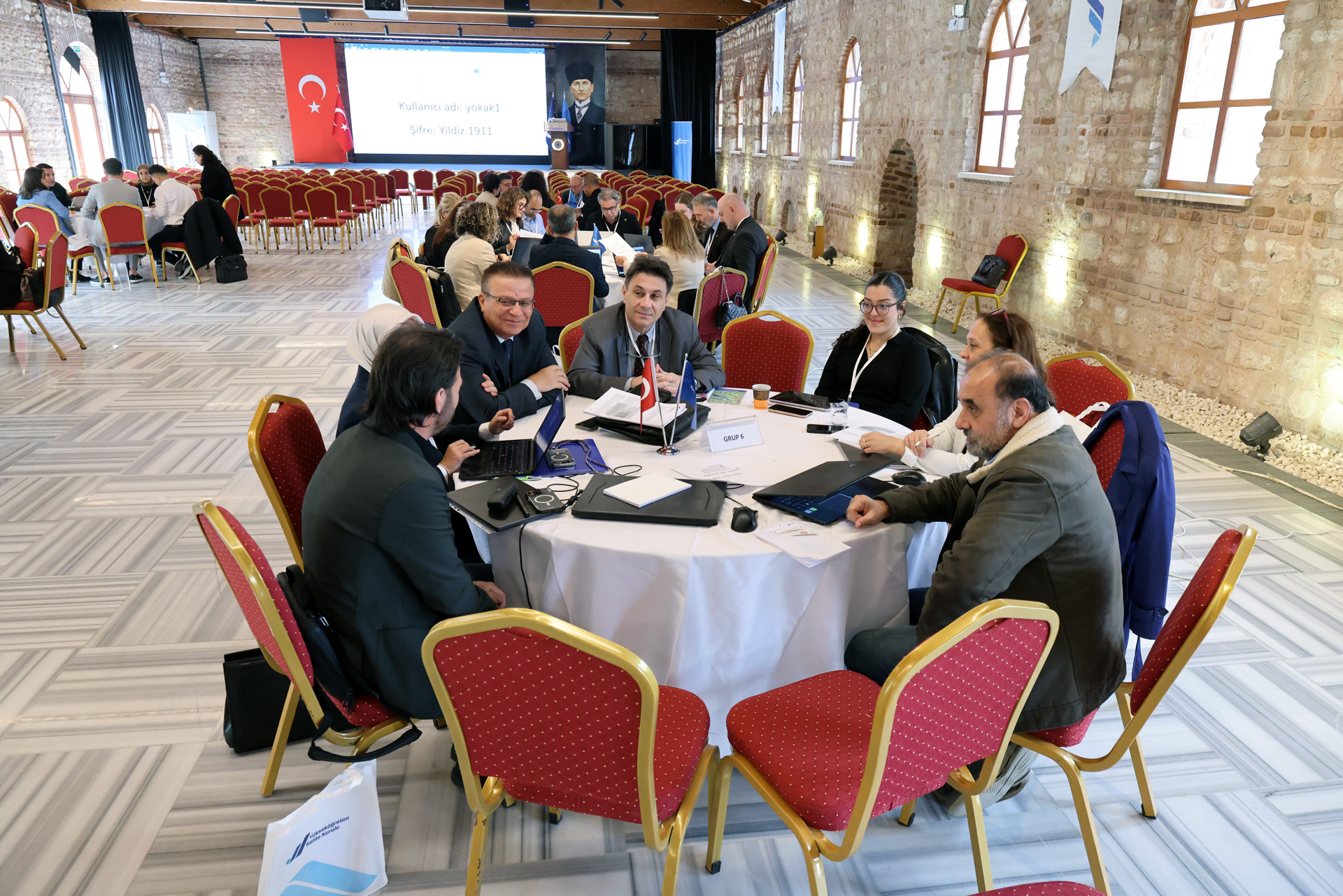
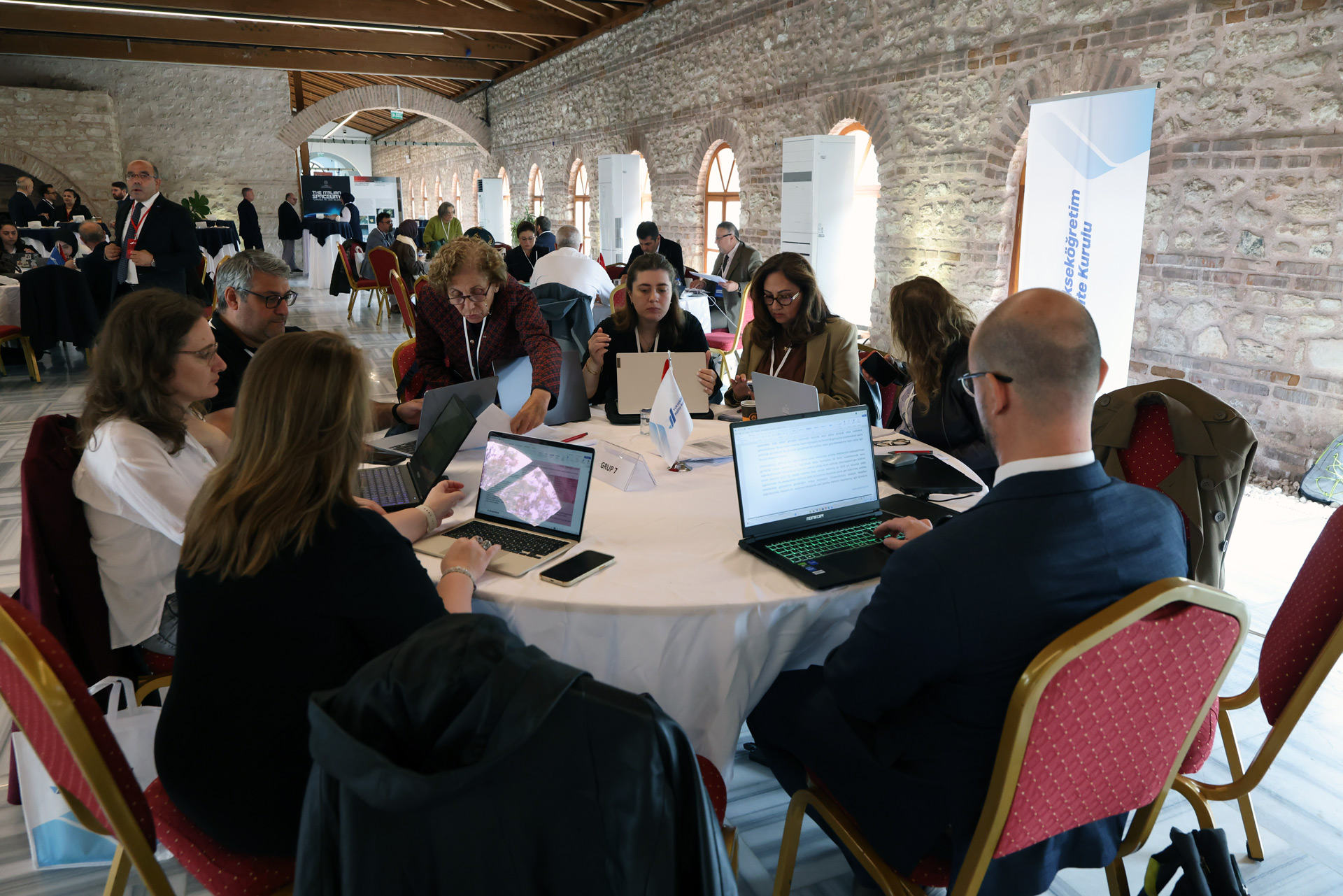
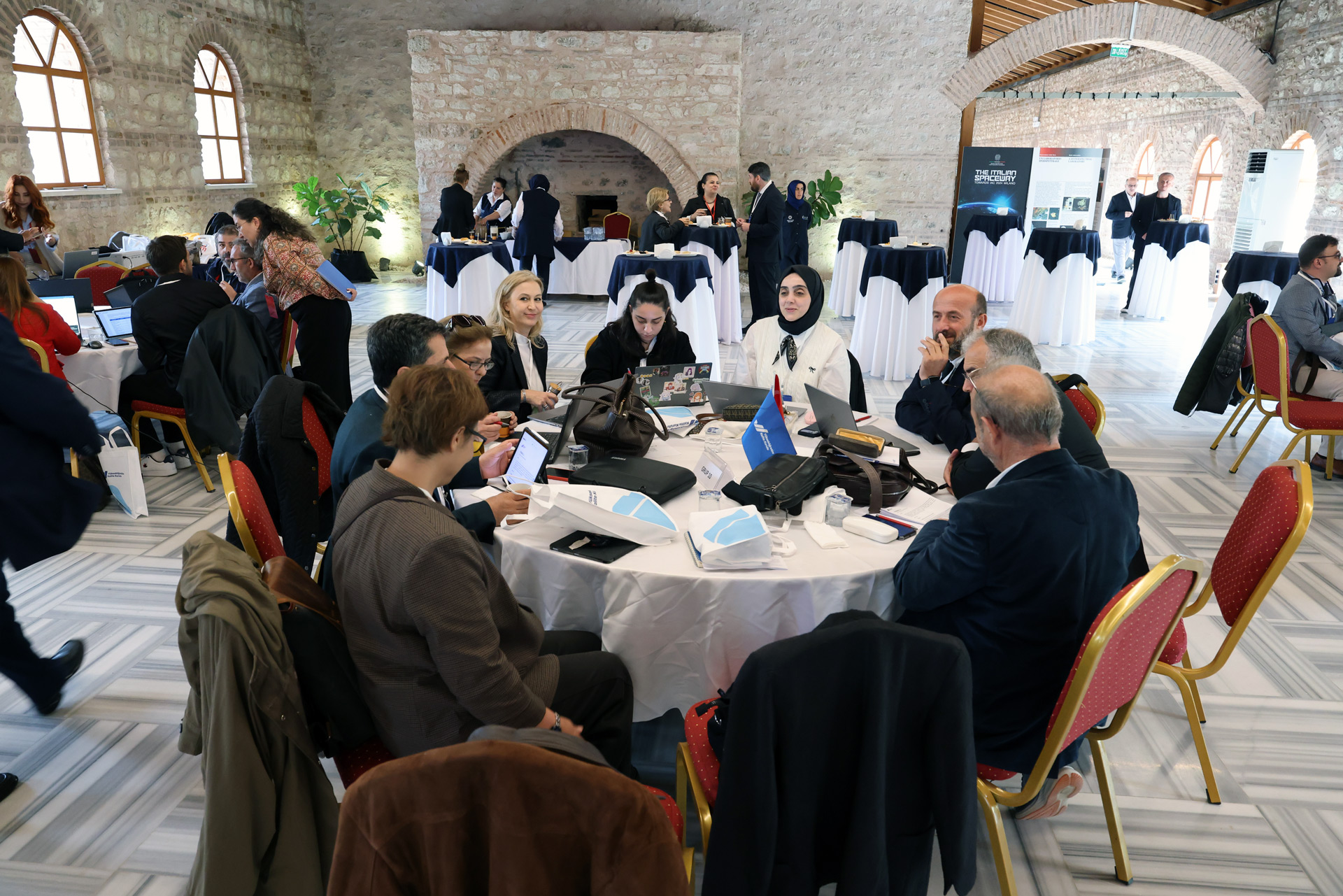
Following the opening speeches, the training sessions commenced, during which participants engaged in practical studies regarding evaluation processes. Detailed discussions and information sharing took place under the headings: “Let’s Find the Strengths and Areas for Improvement,” “Who do we ask what?”, “What evidence is needed?”, “PDCA Tagging Study,” and “How Should the Exit Statement Be?”
Aimed at creating a common learning environment regarding the quality assurance practices of different institutions, the event targeted strengthening a common understanding and culture of quality processes among higher education institutions.
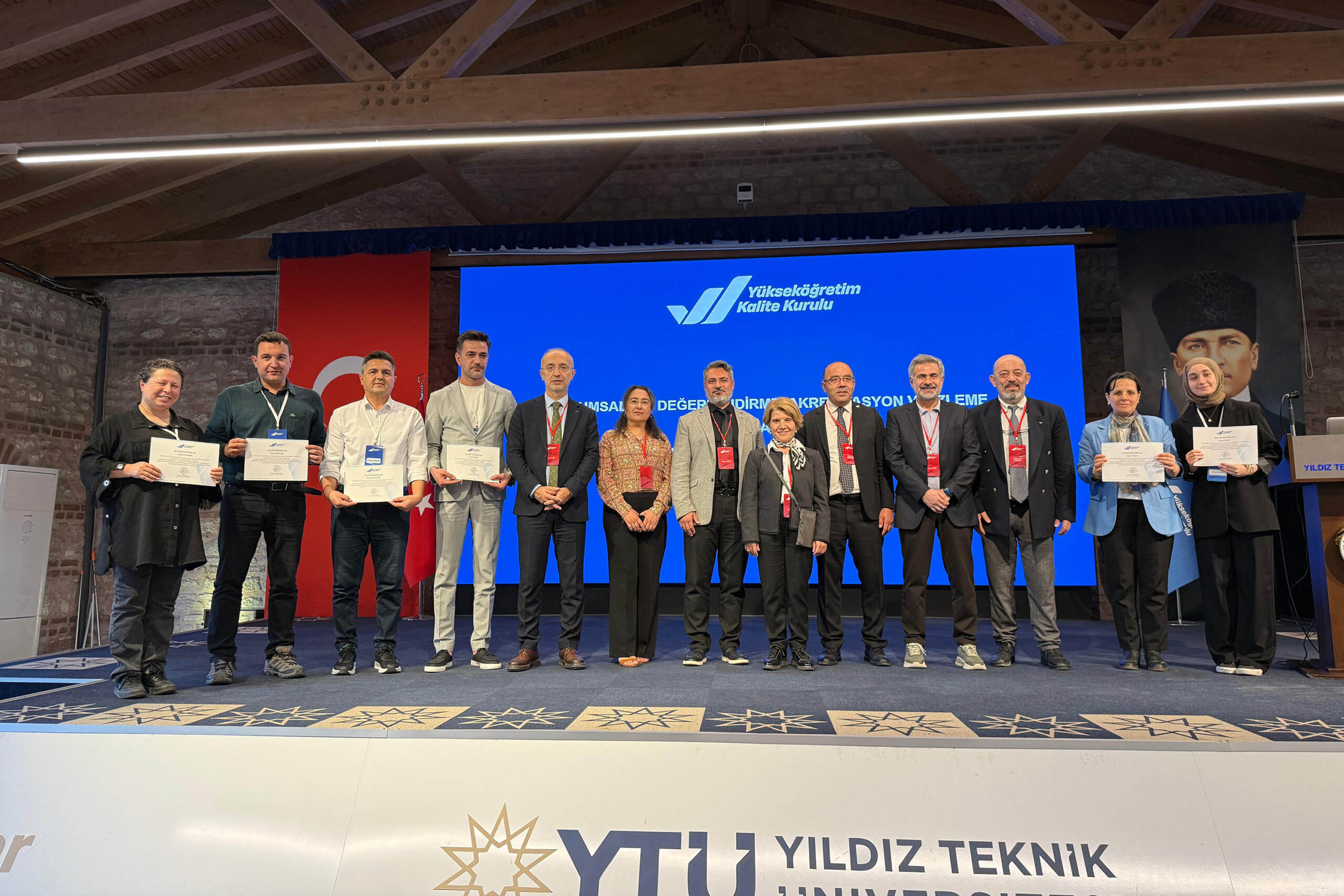
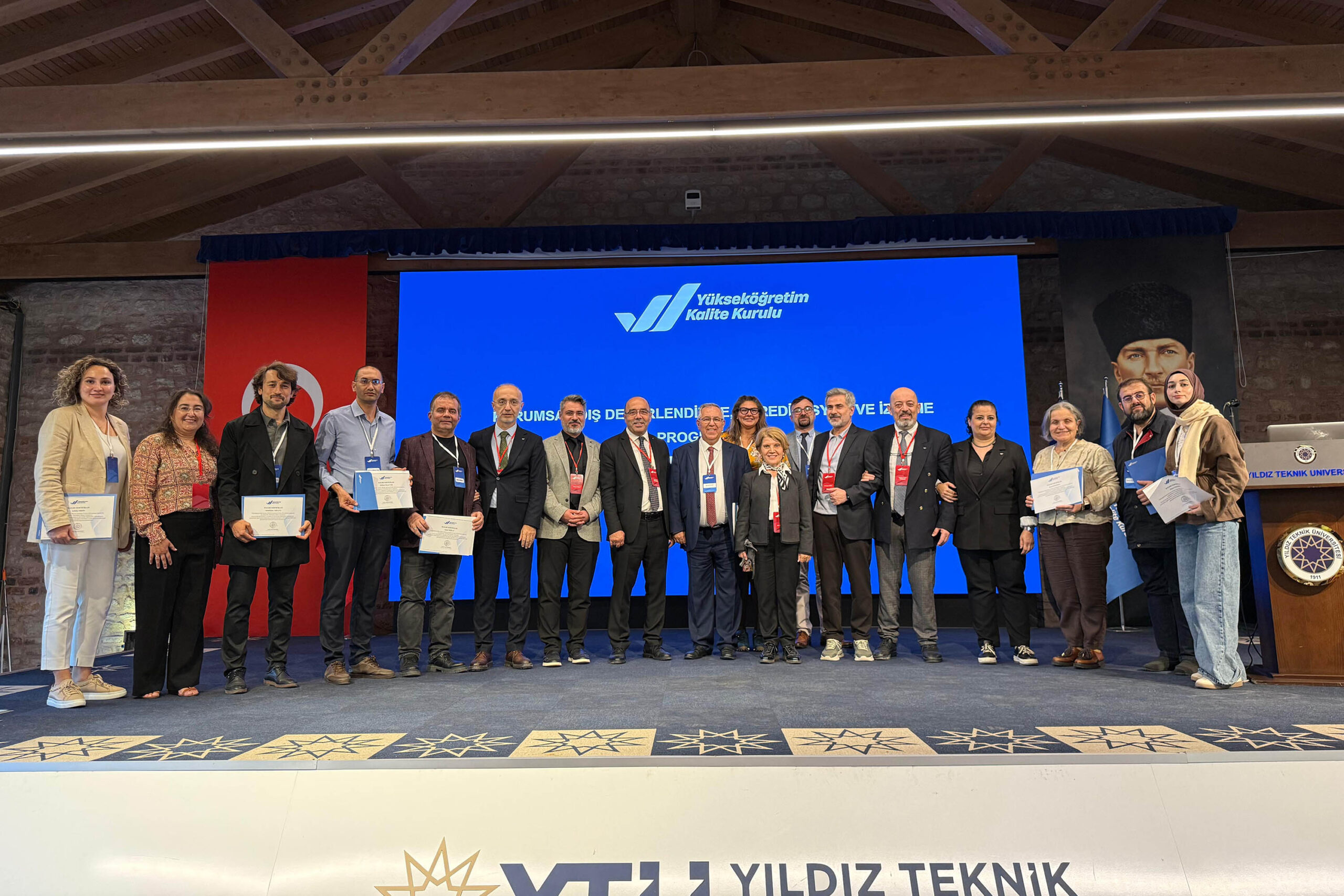
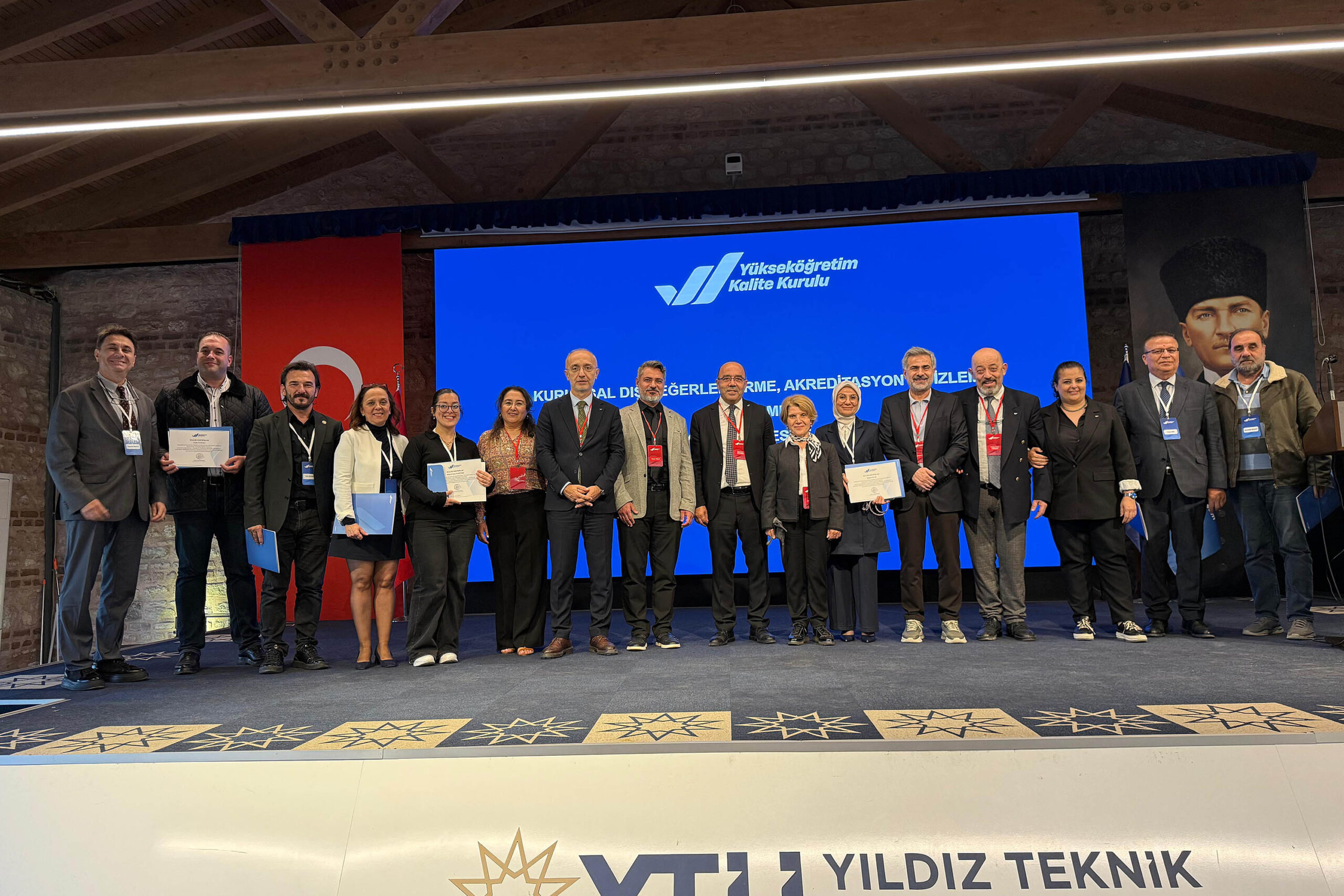
The program concluded with an evaluation session and the presentation of certificates of attendance.