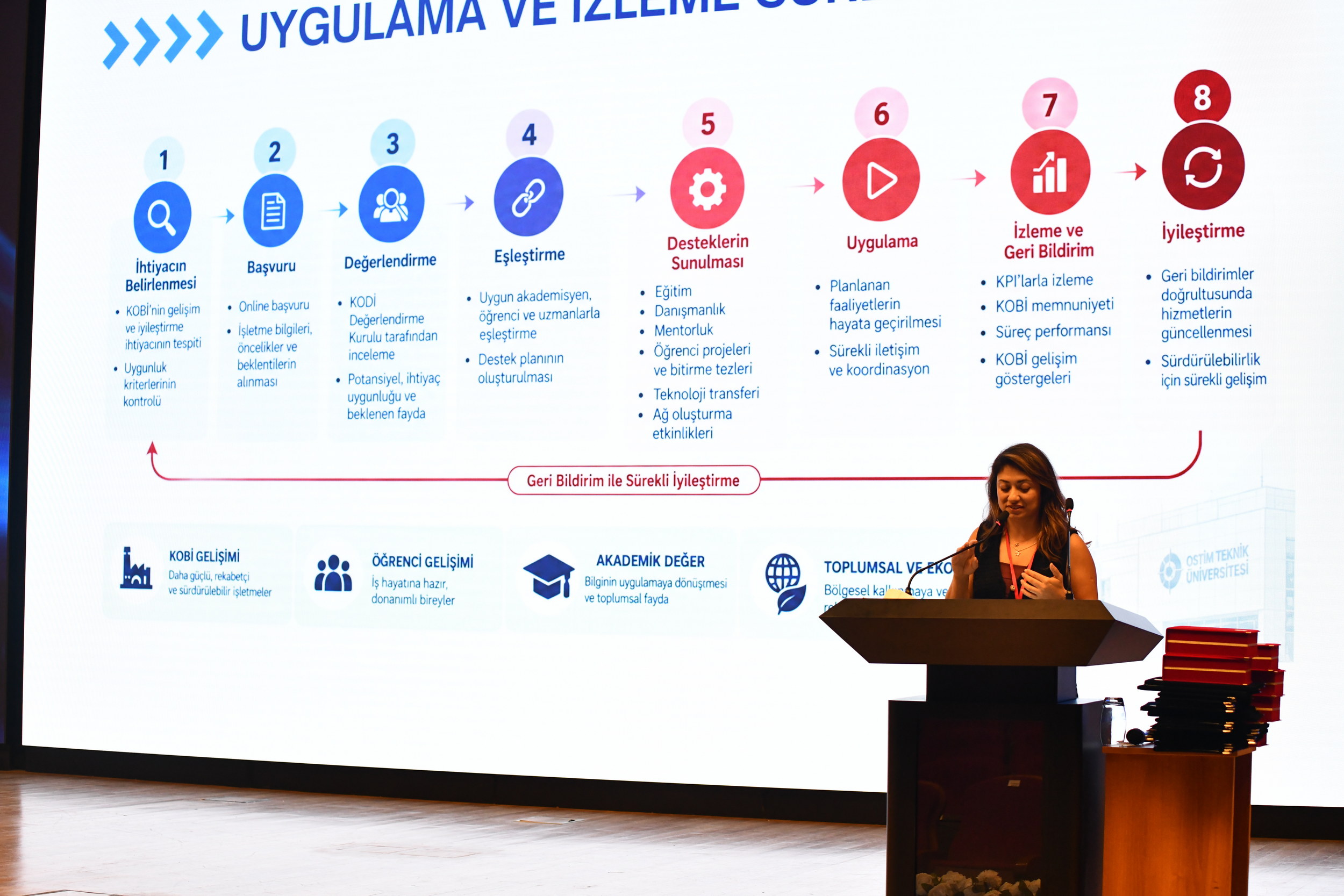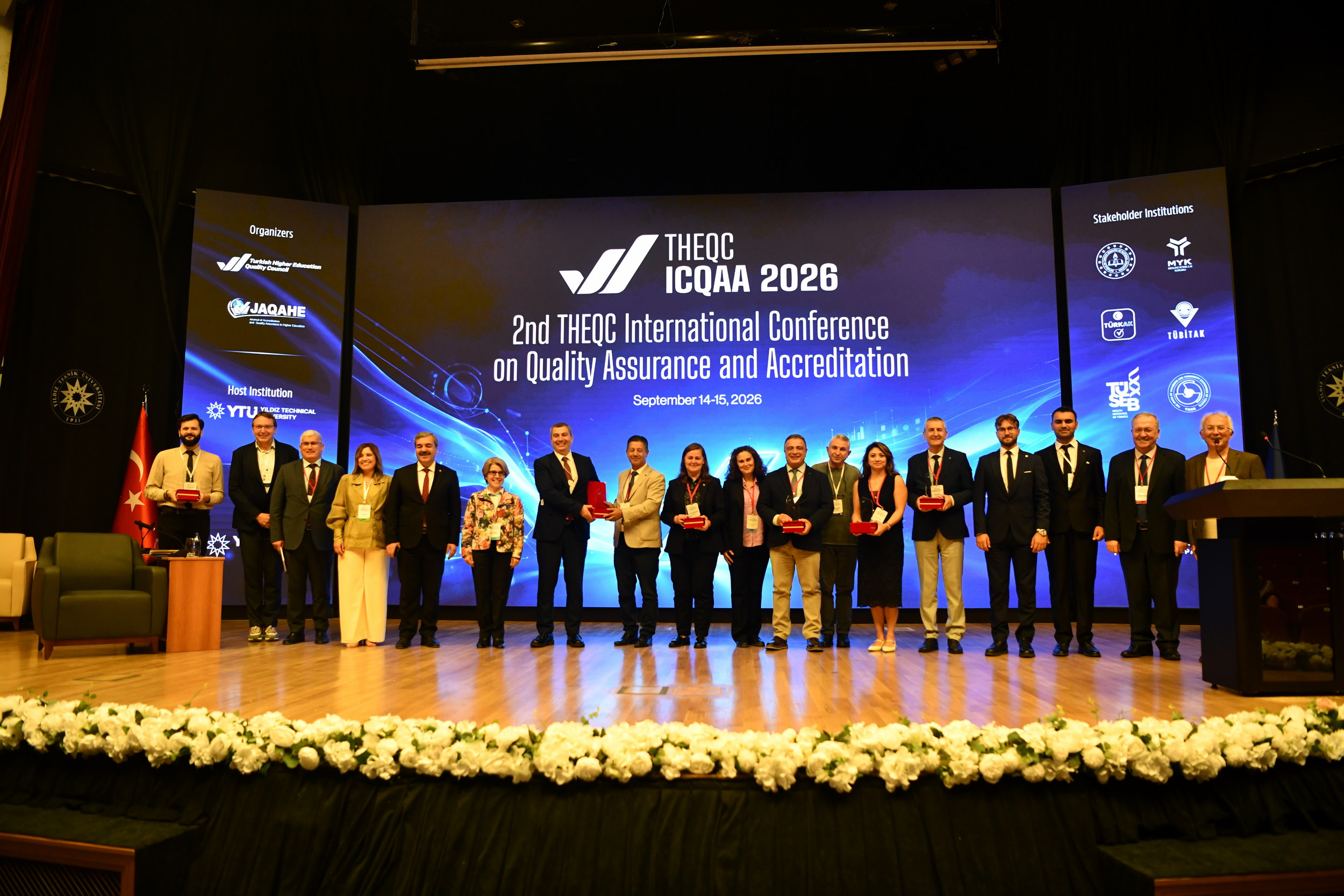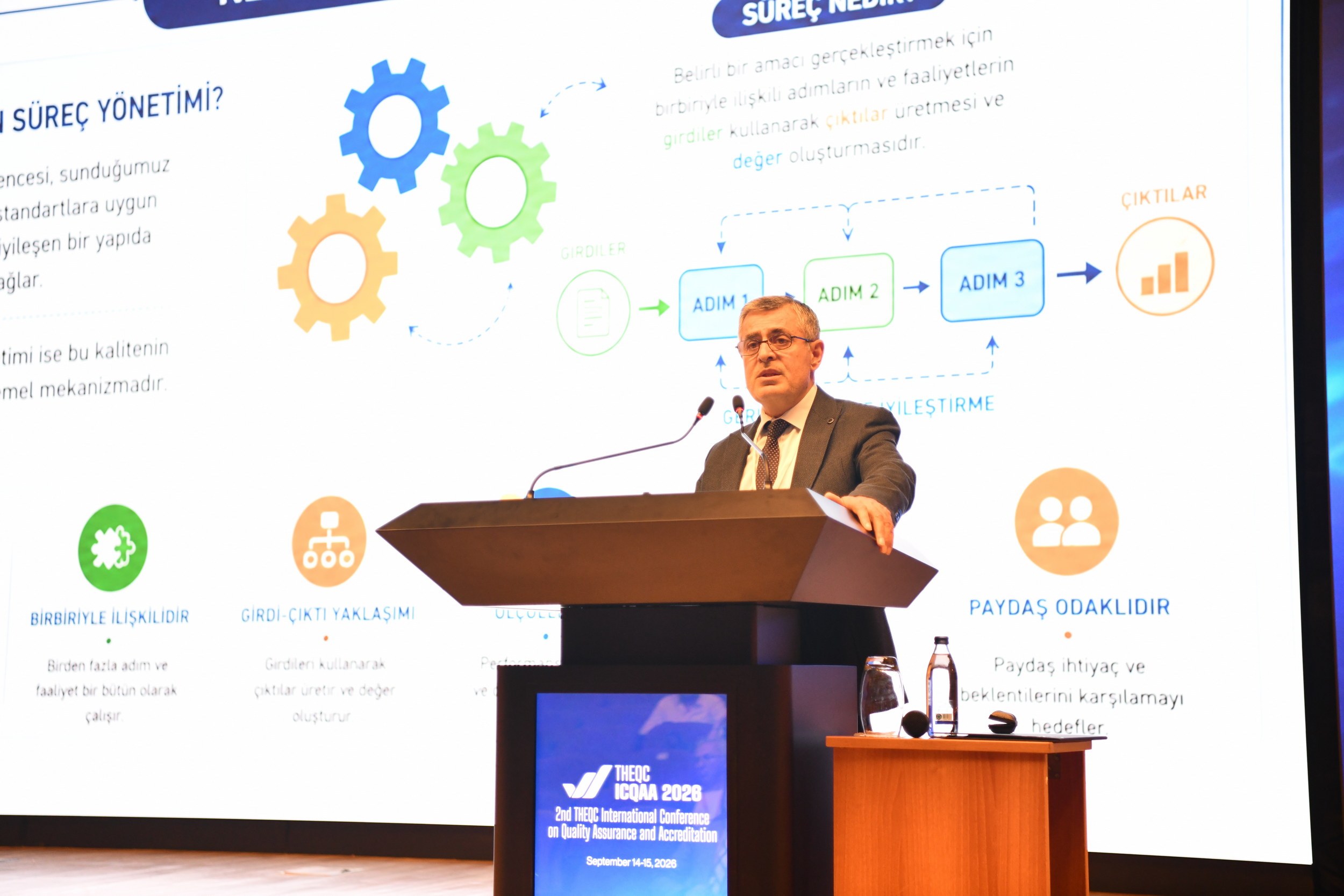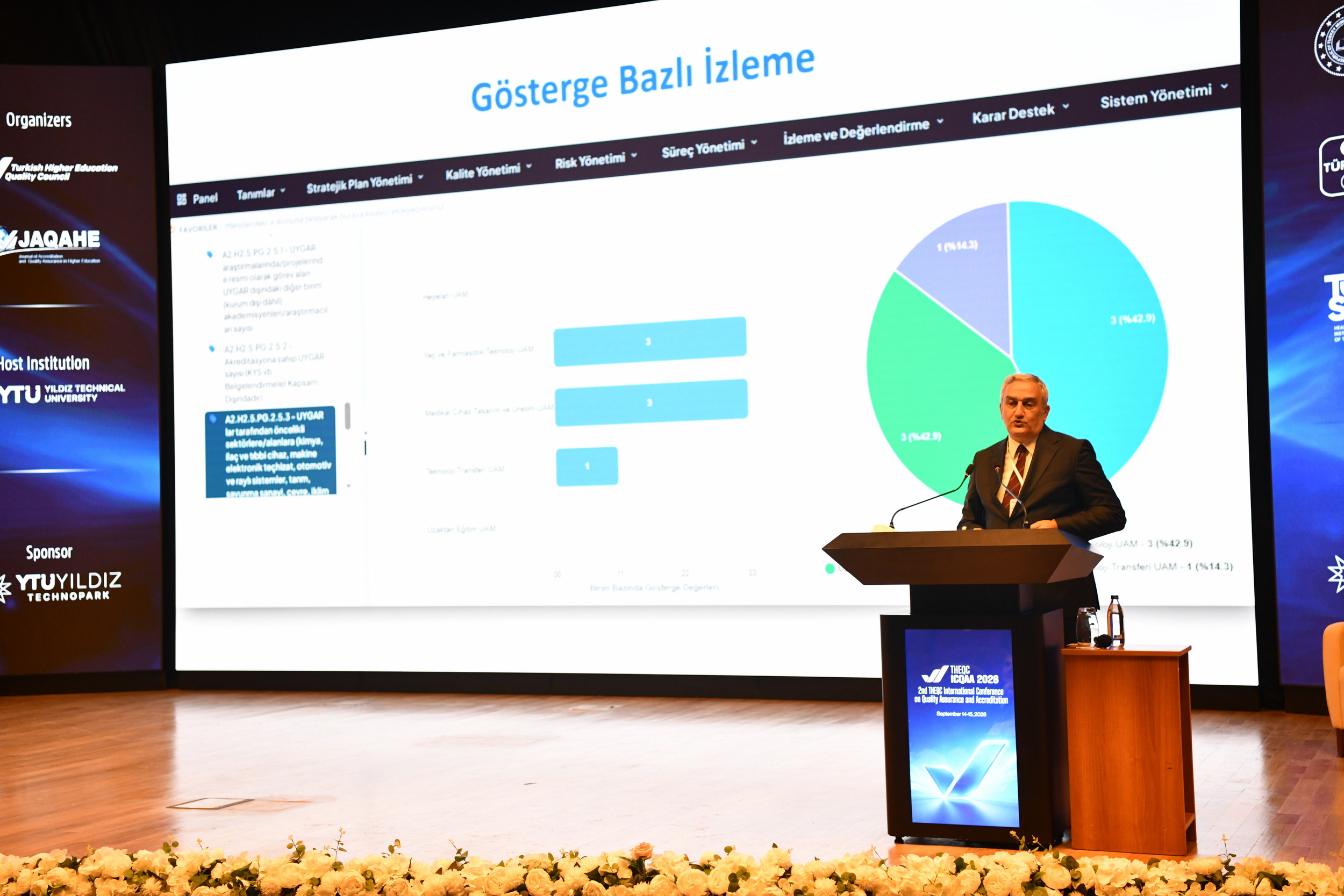
The 2026 THEQC International Conference on Quality Assurance and Accreditation Held in İstanbul
- Date 16 September 2026
The 2026 THEQC International Conference on Quality Assurance and Accreditation Held in İstanbul
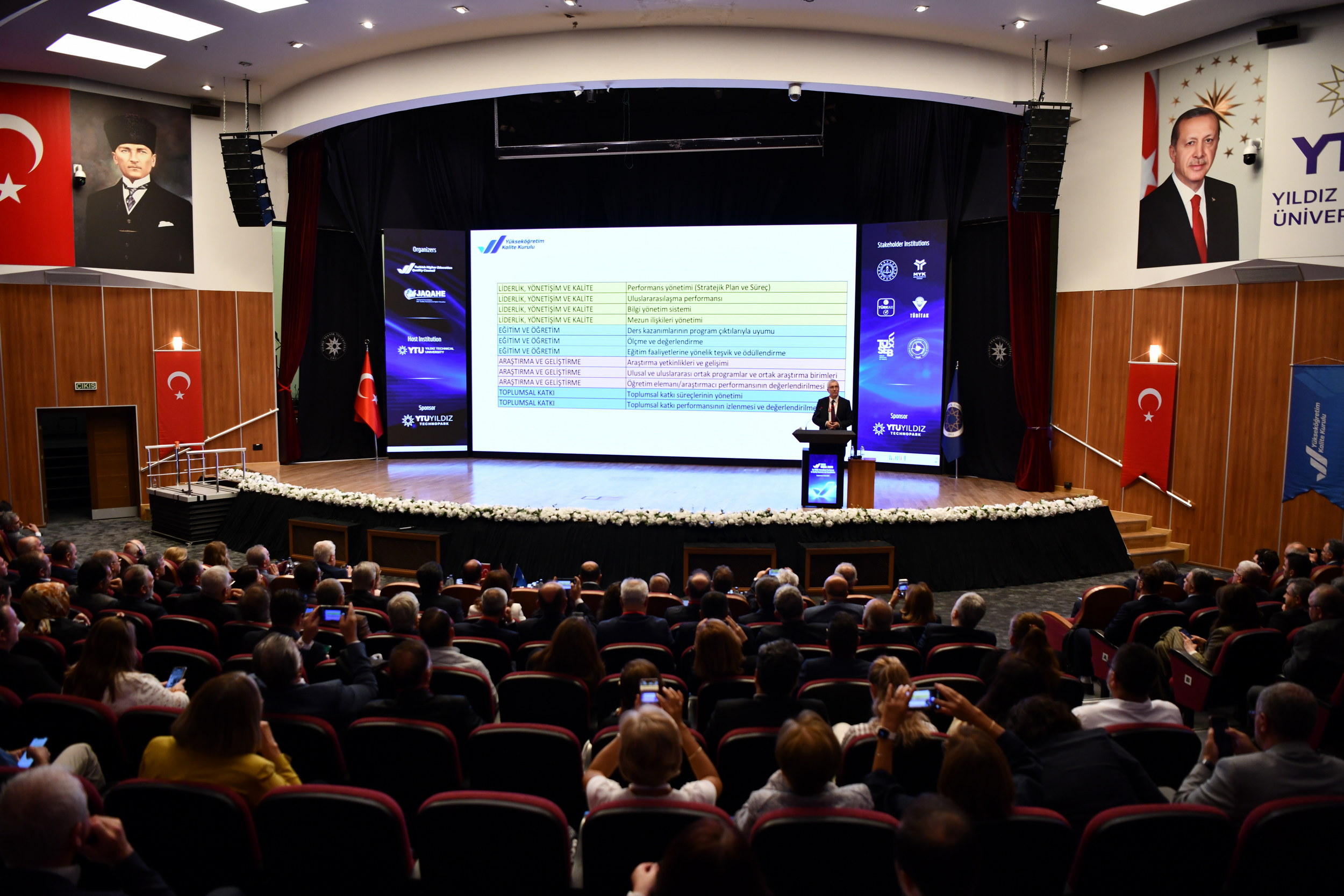
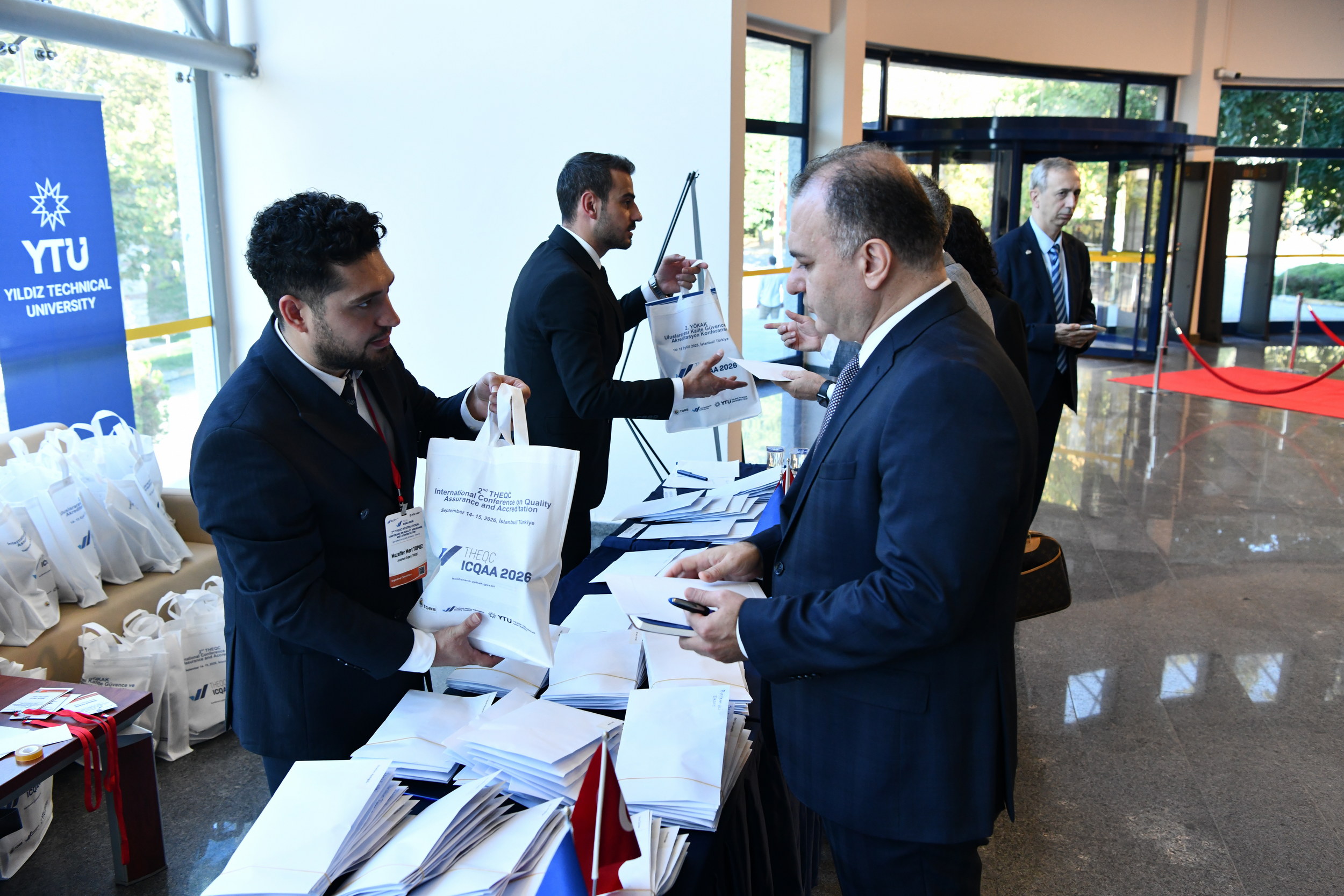
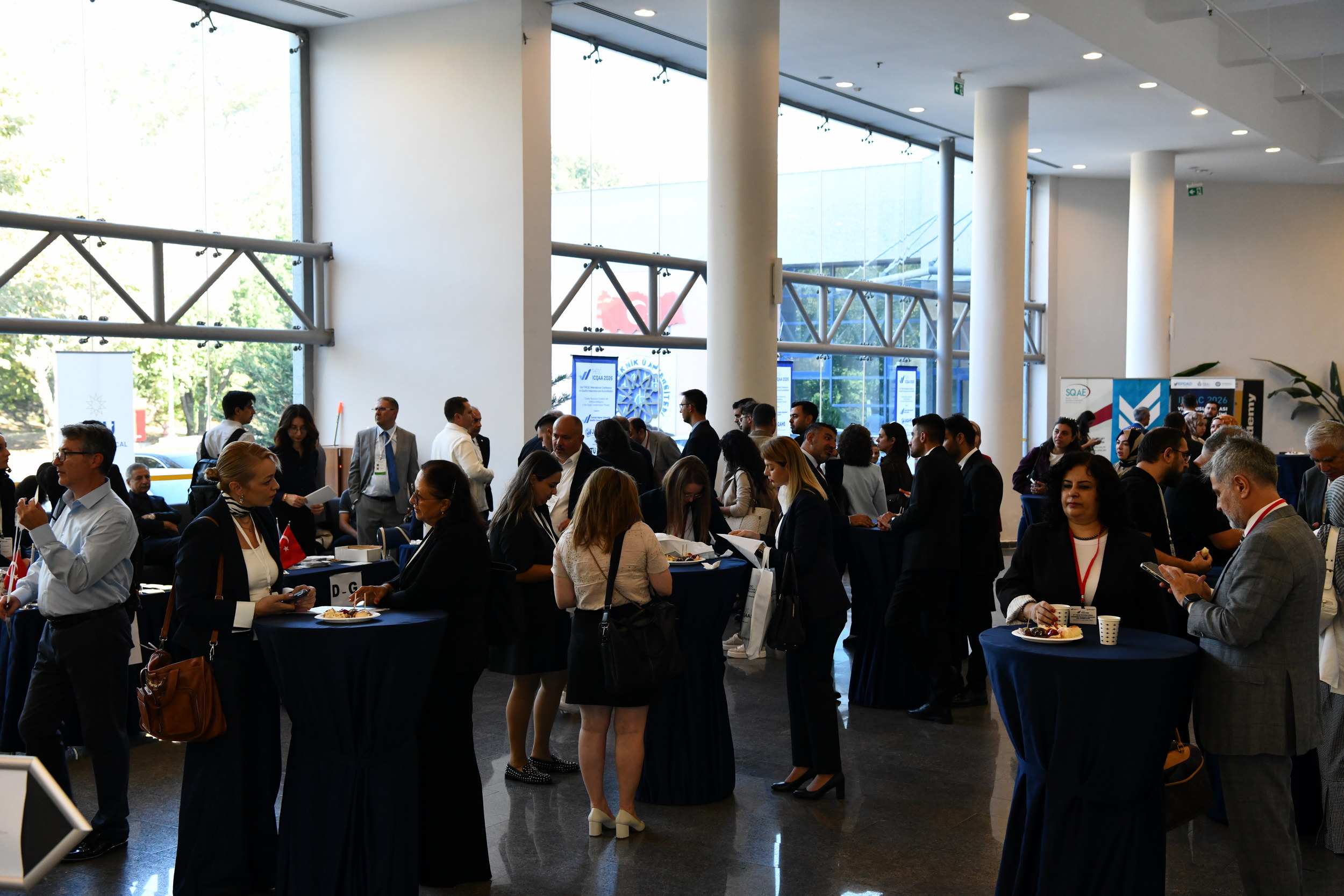
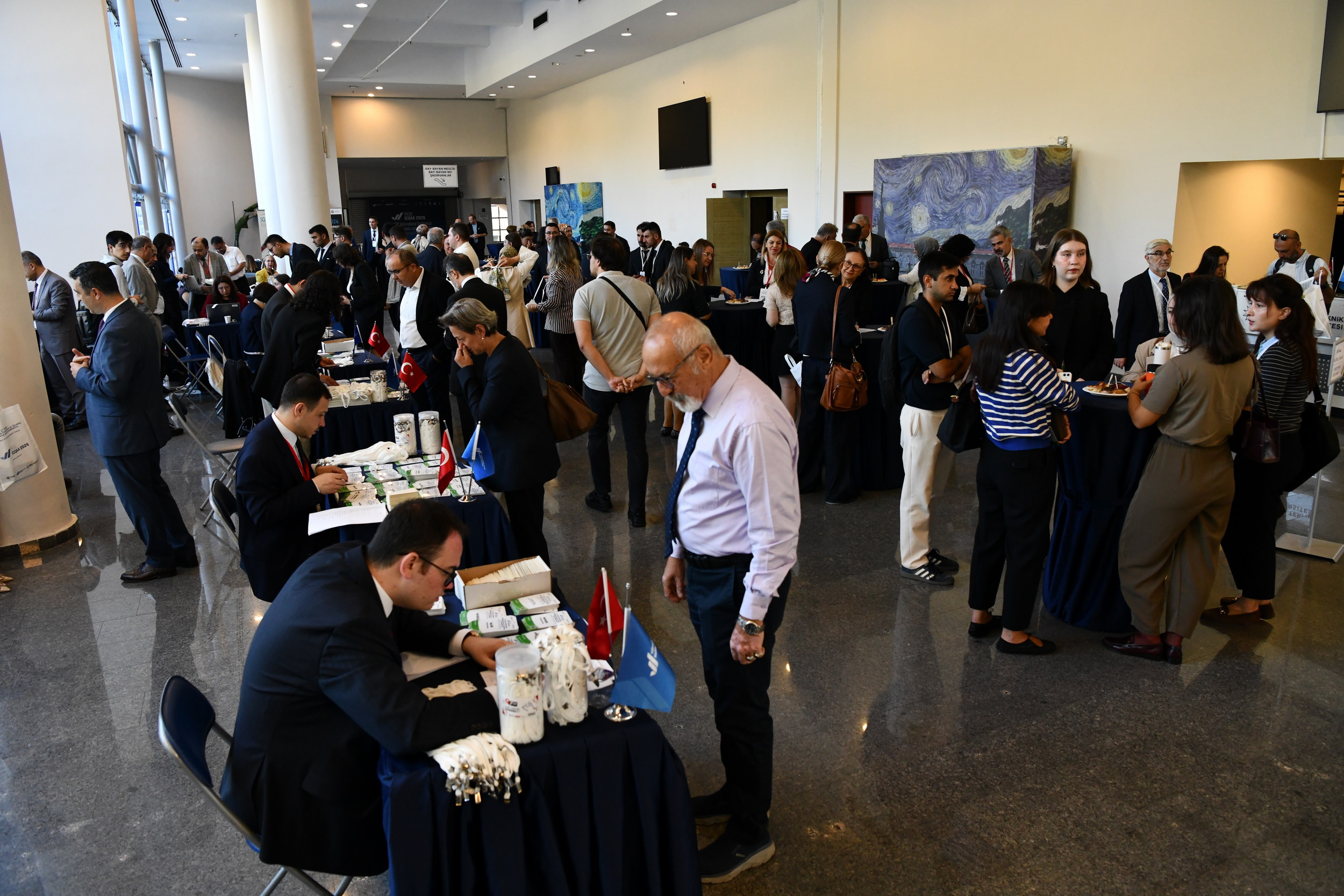
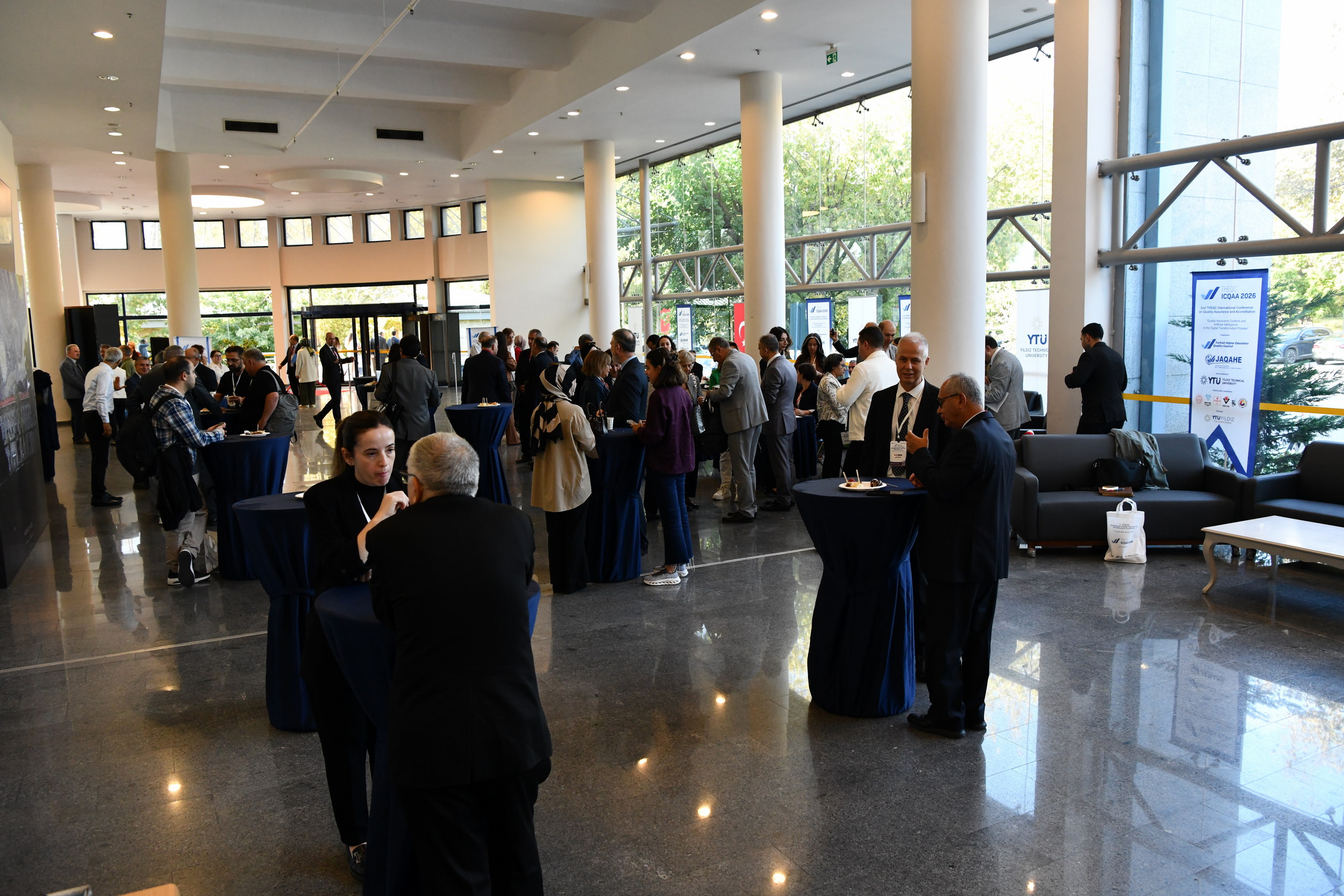
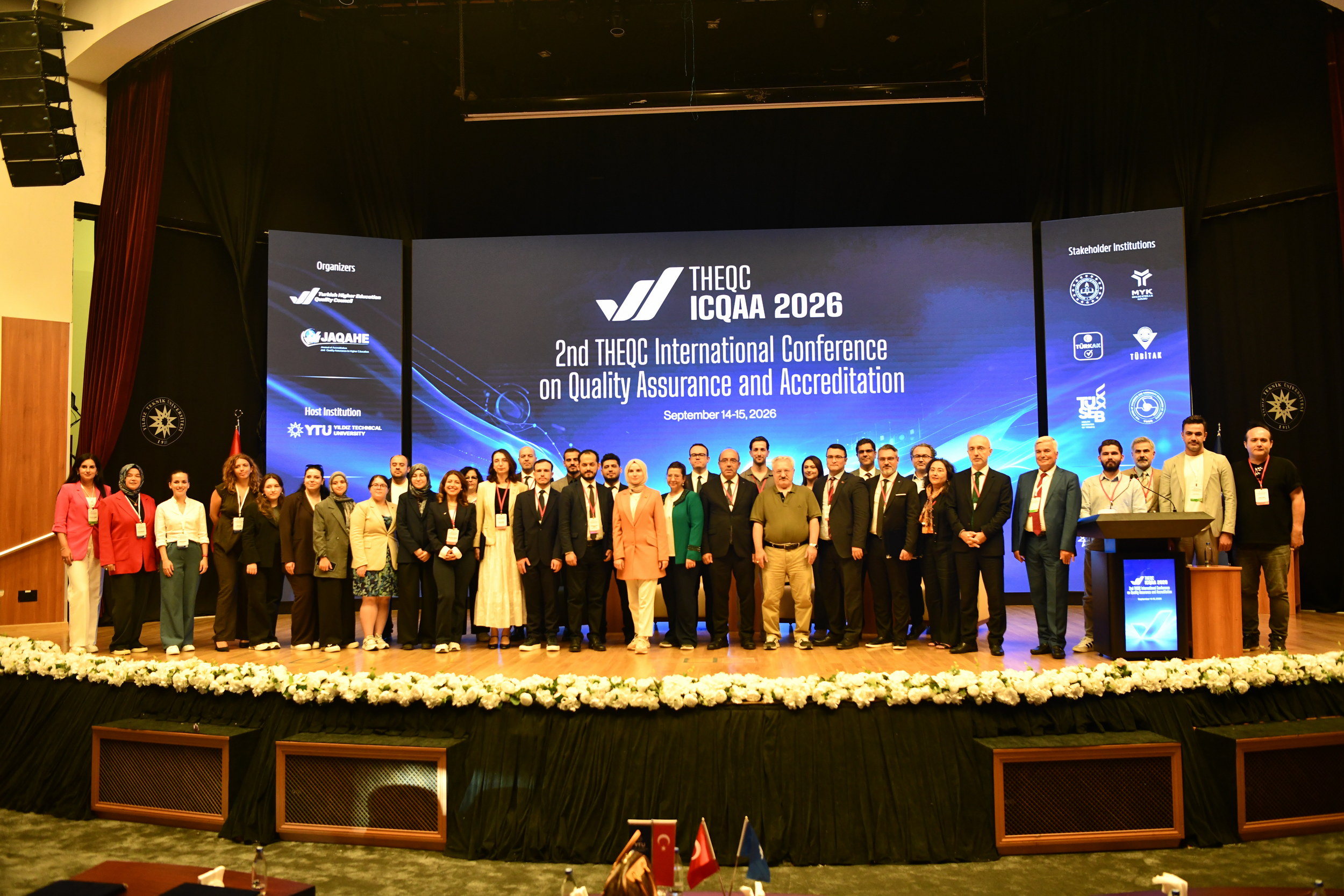
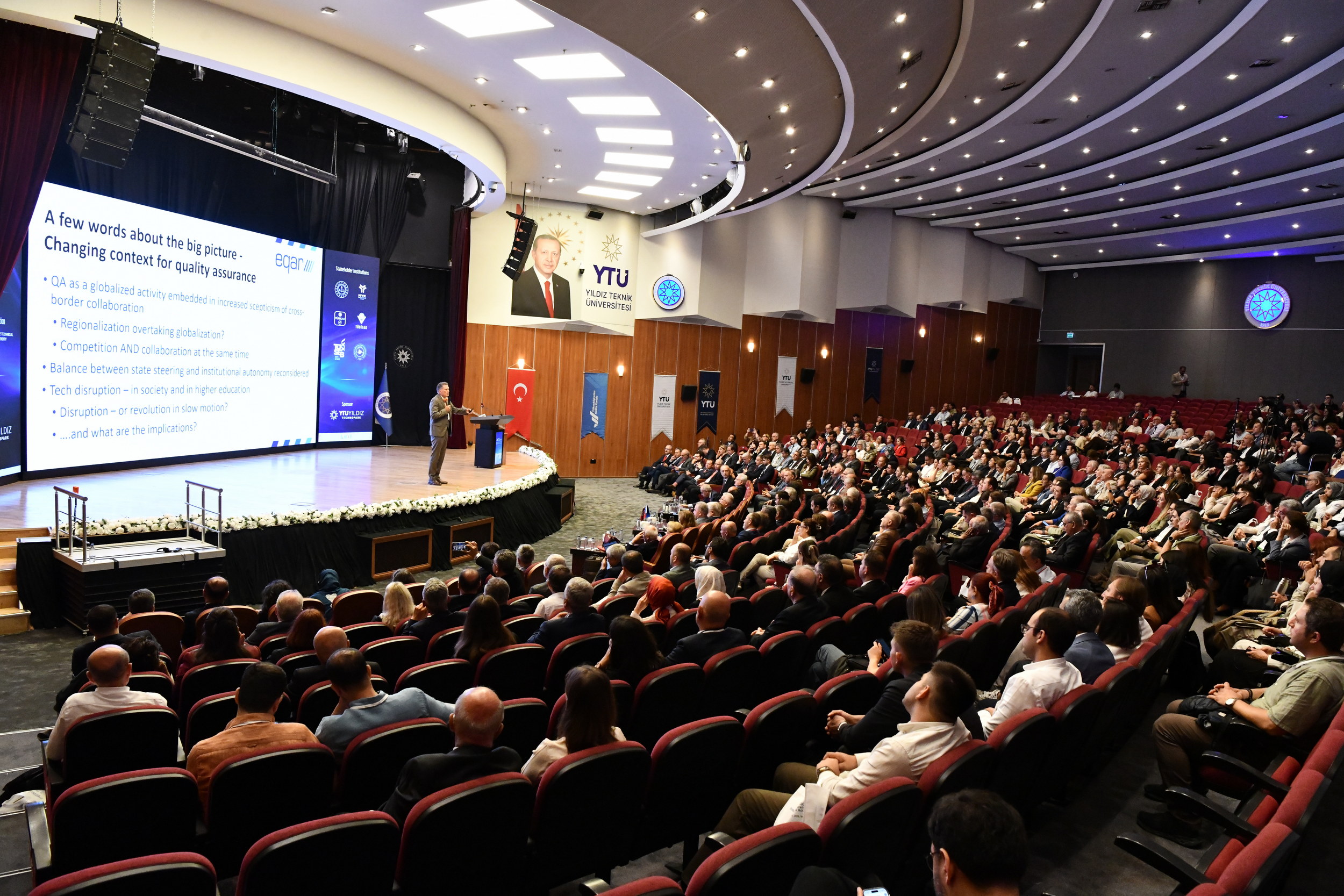
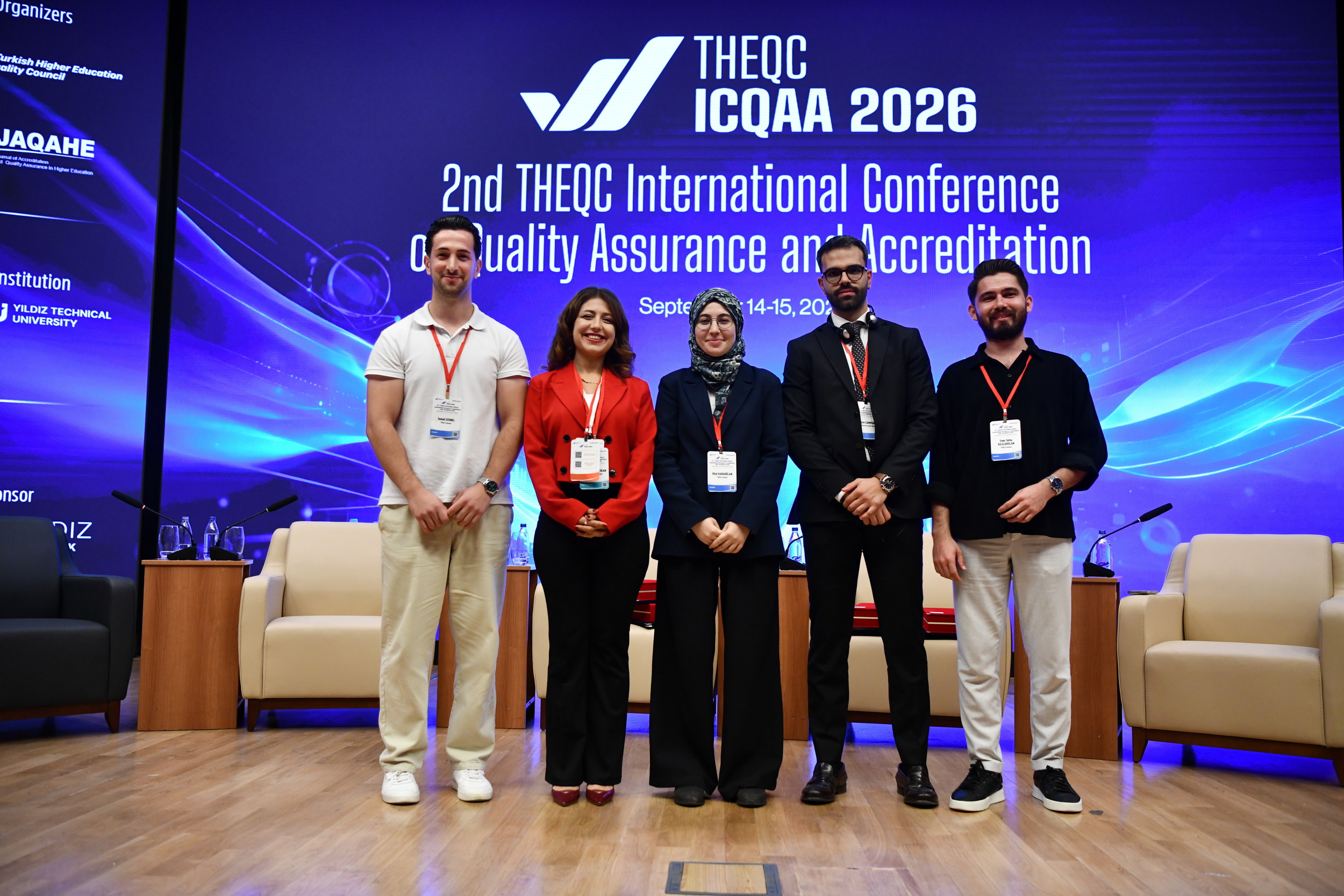
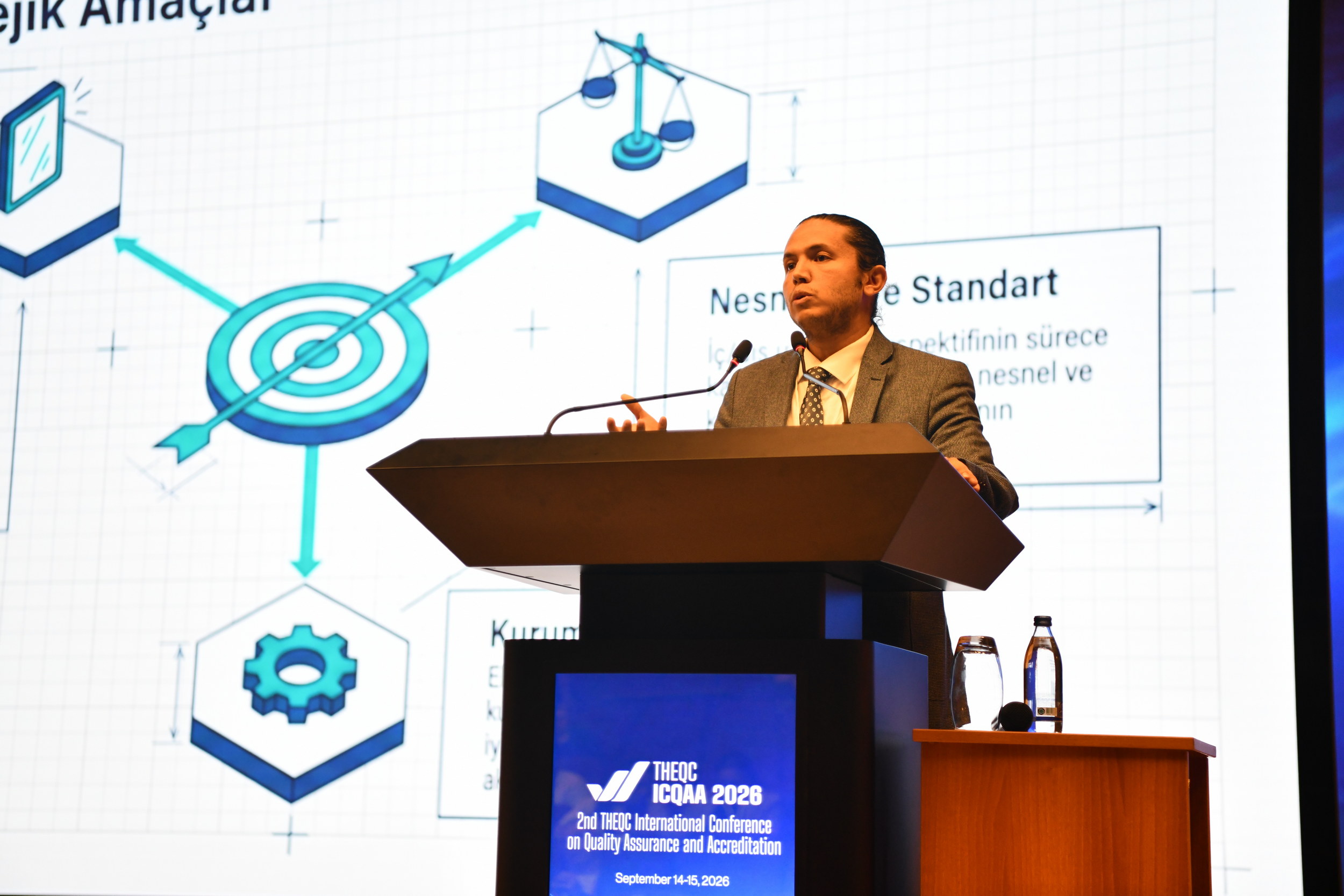
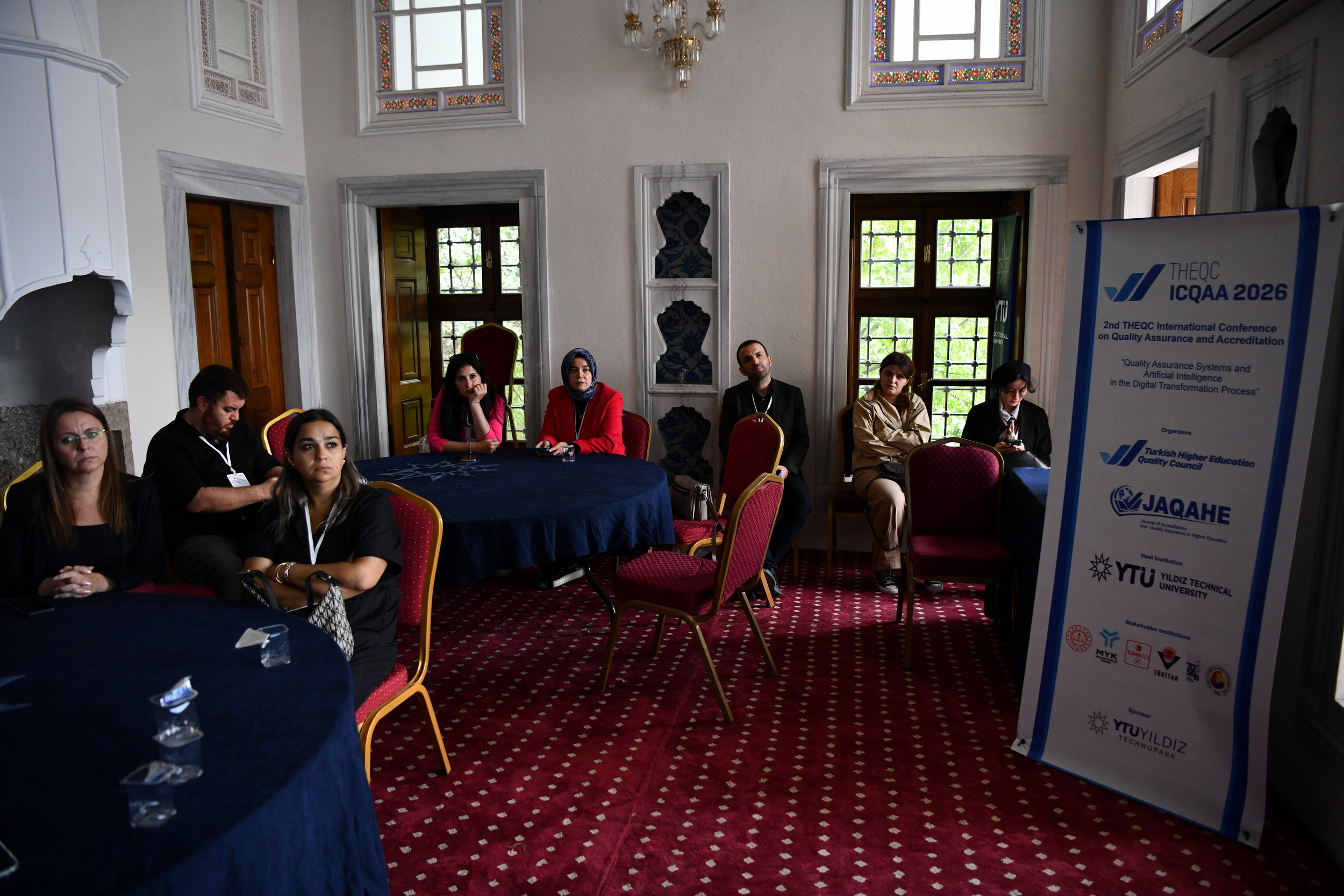
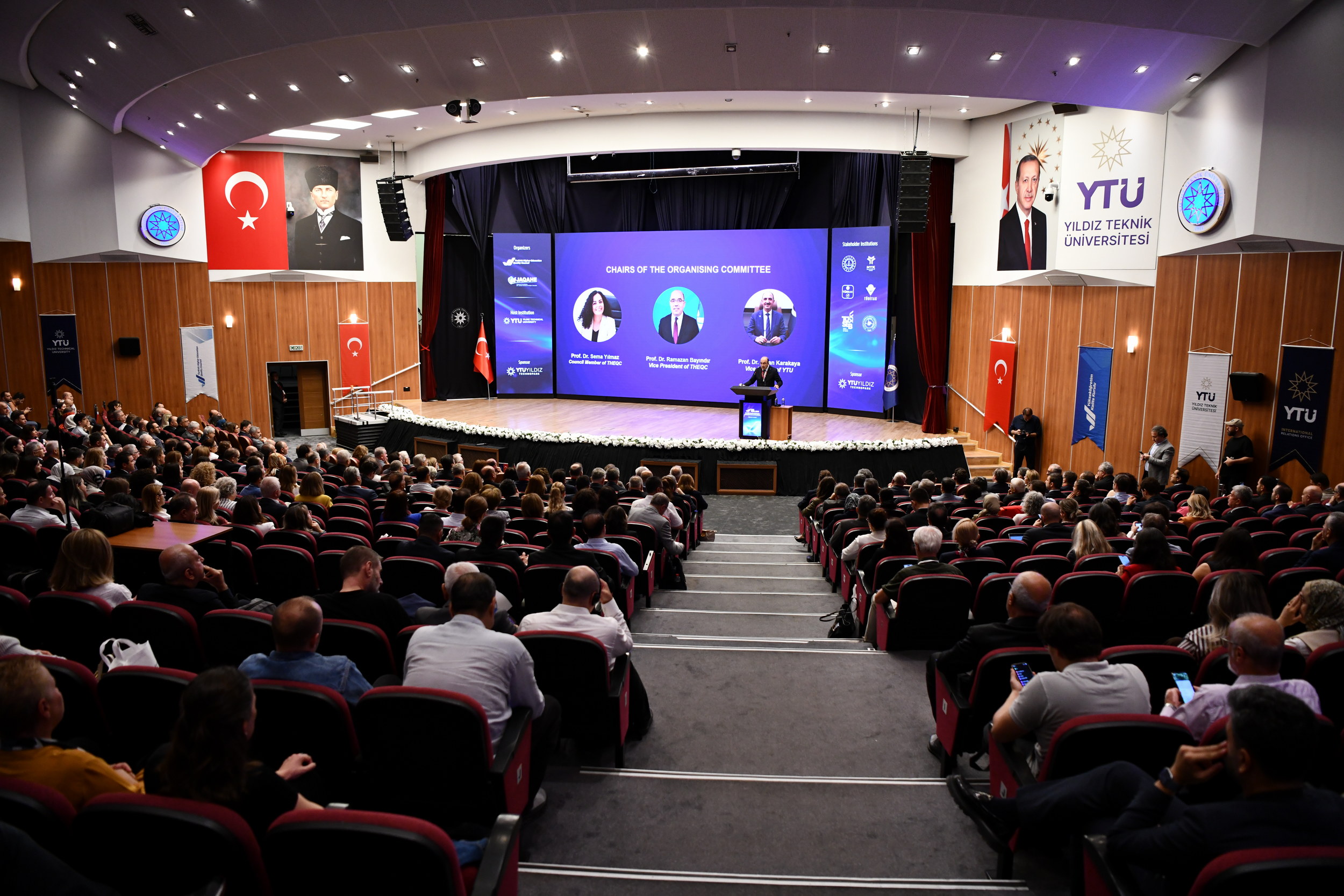
Organised by the Turkish Higher Education Quality Council (THEQC) and hosted by Yıldız Technical University (YTU), the 2026 THEQC International Conference on Quality Assurance and Accreditation was held in İstanbul under the main theme of “Quality Assurance and Artificial Intelligence in the Digital Transformation Process.”
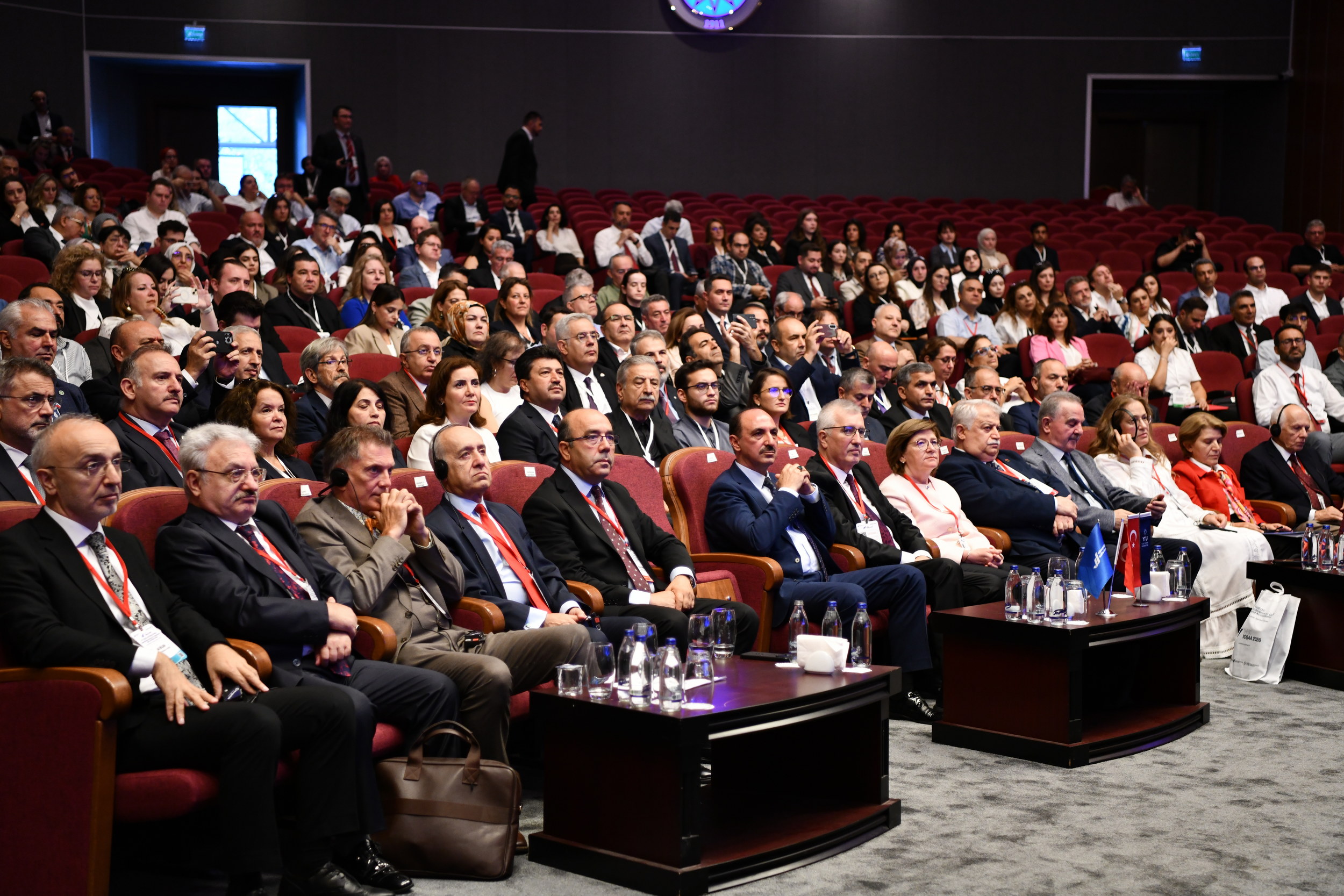
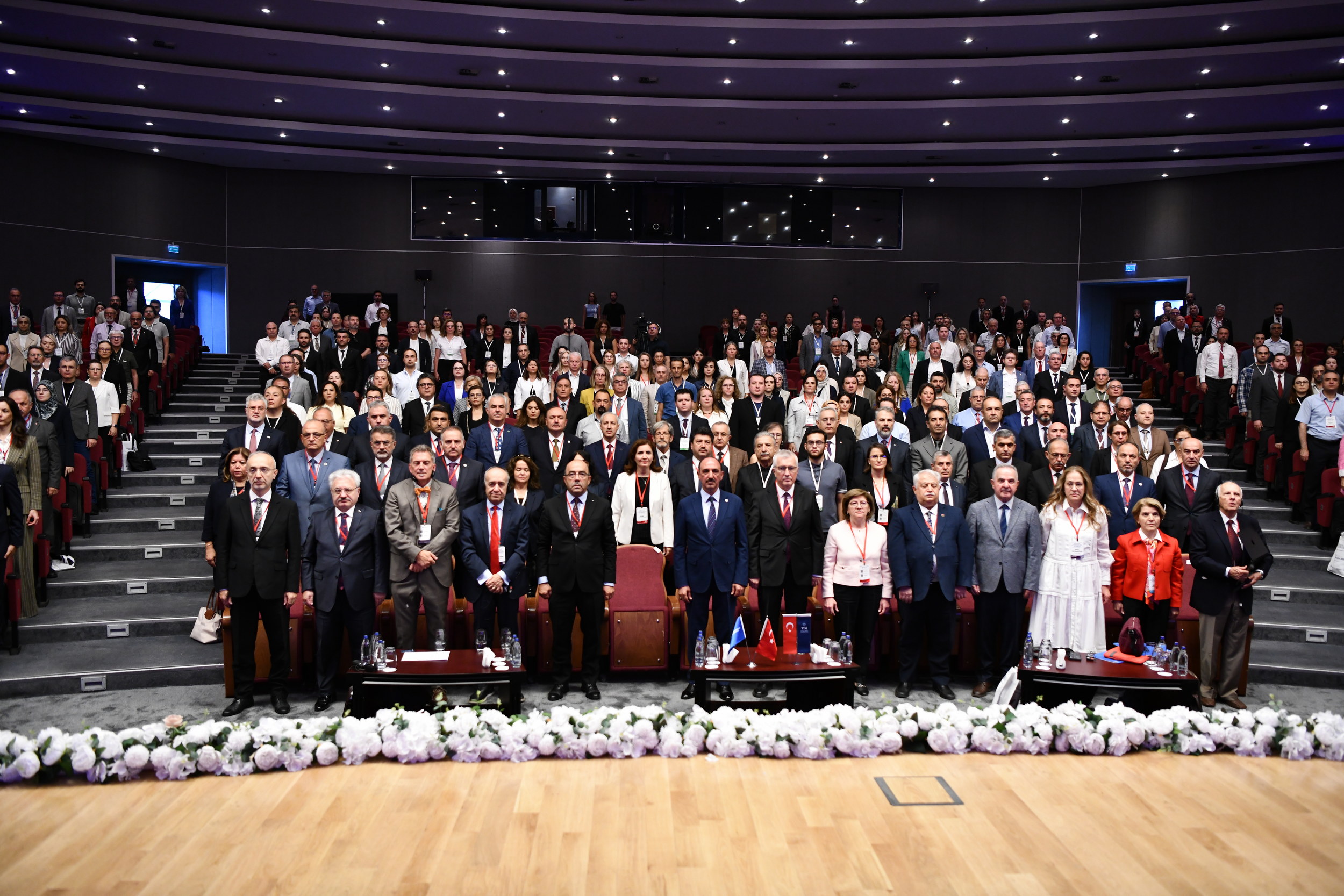
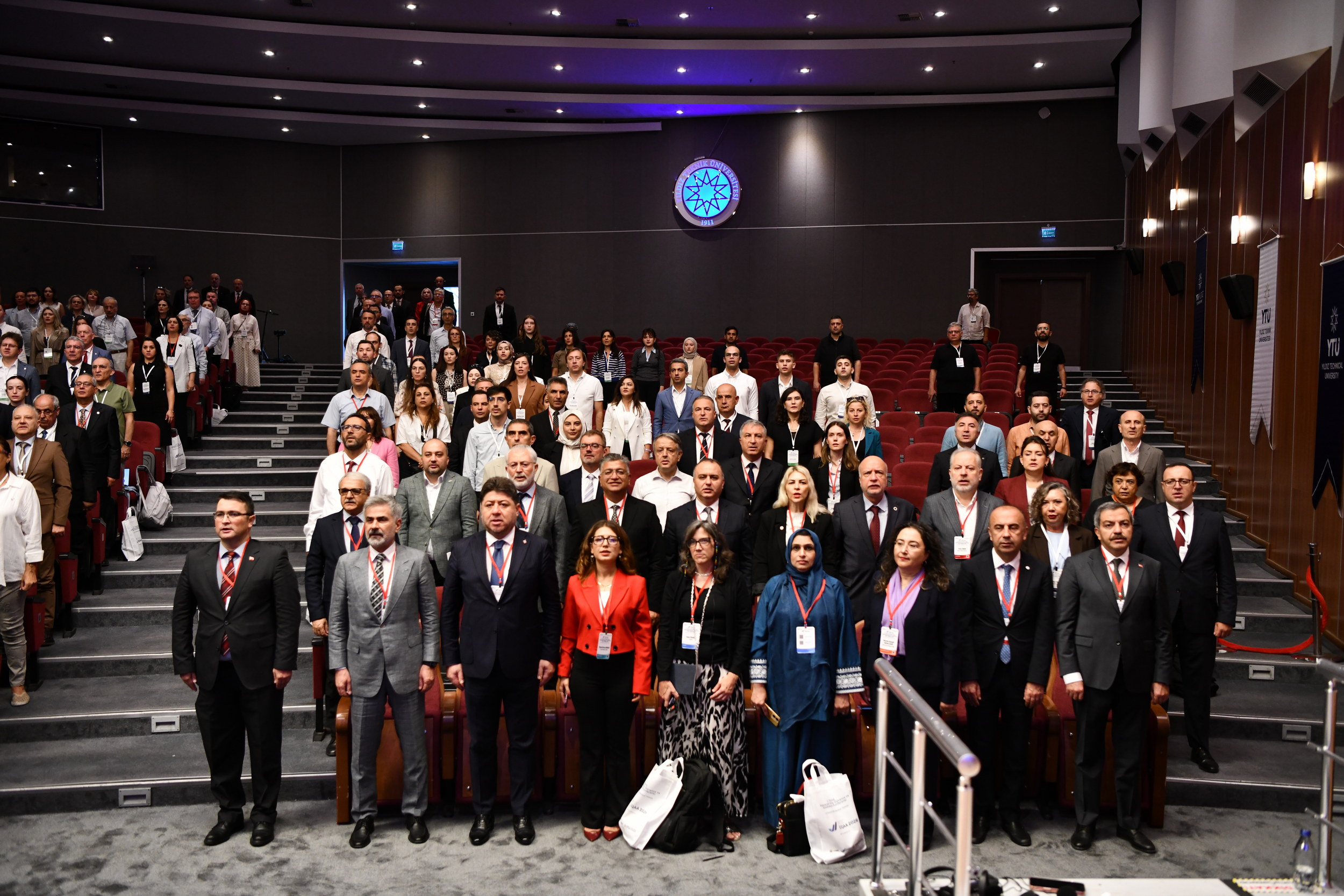
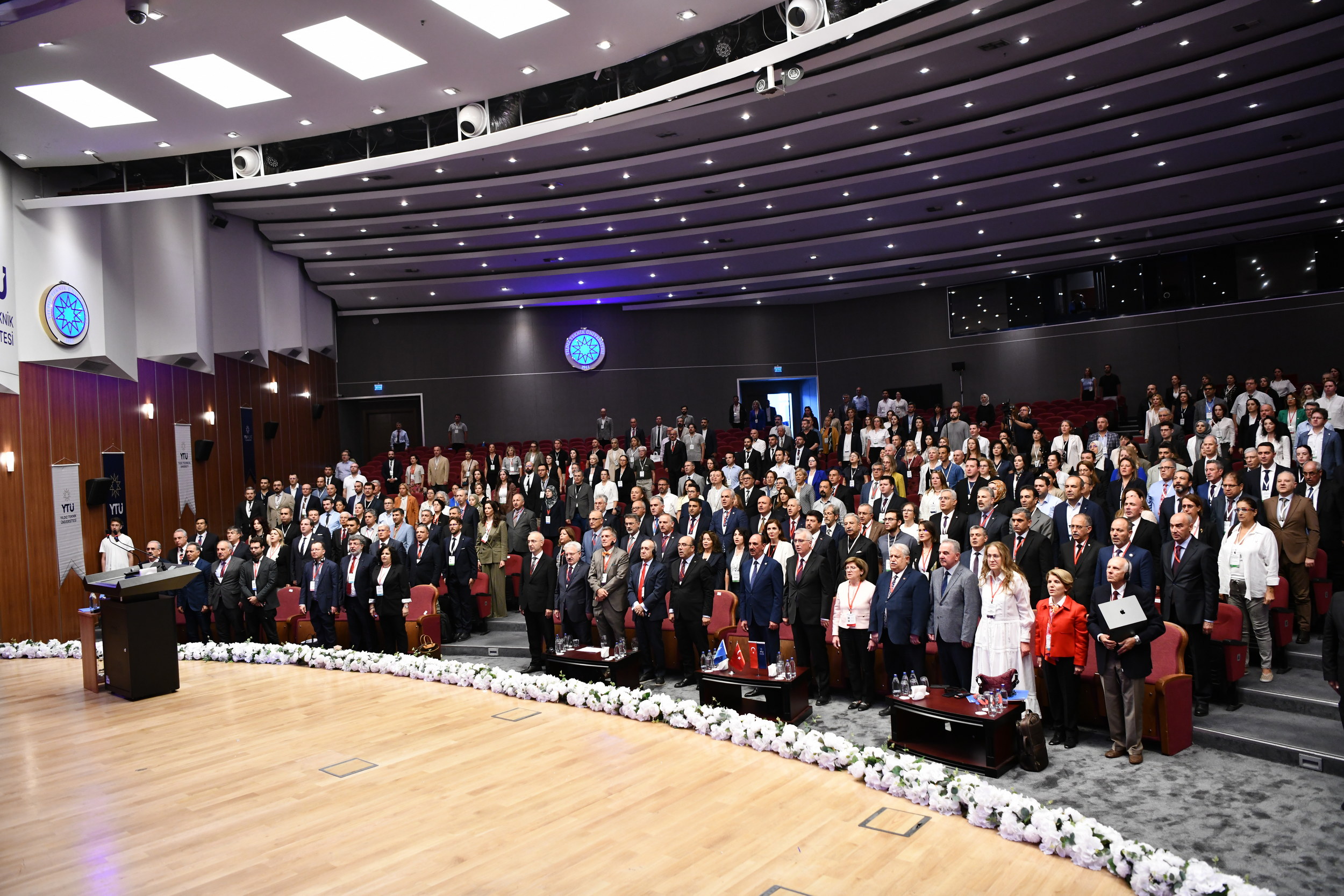
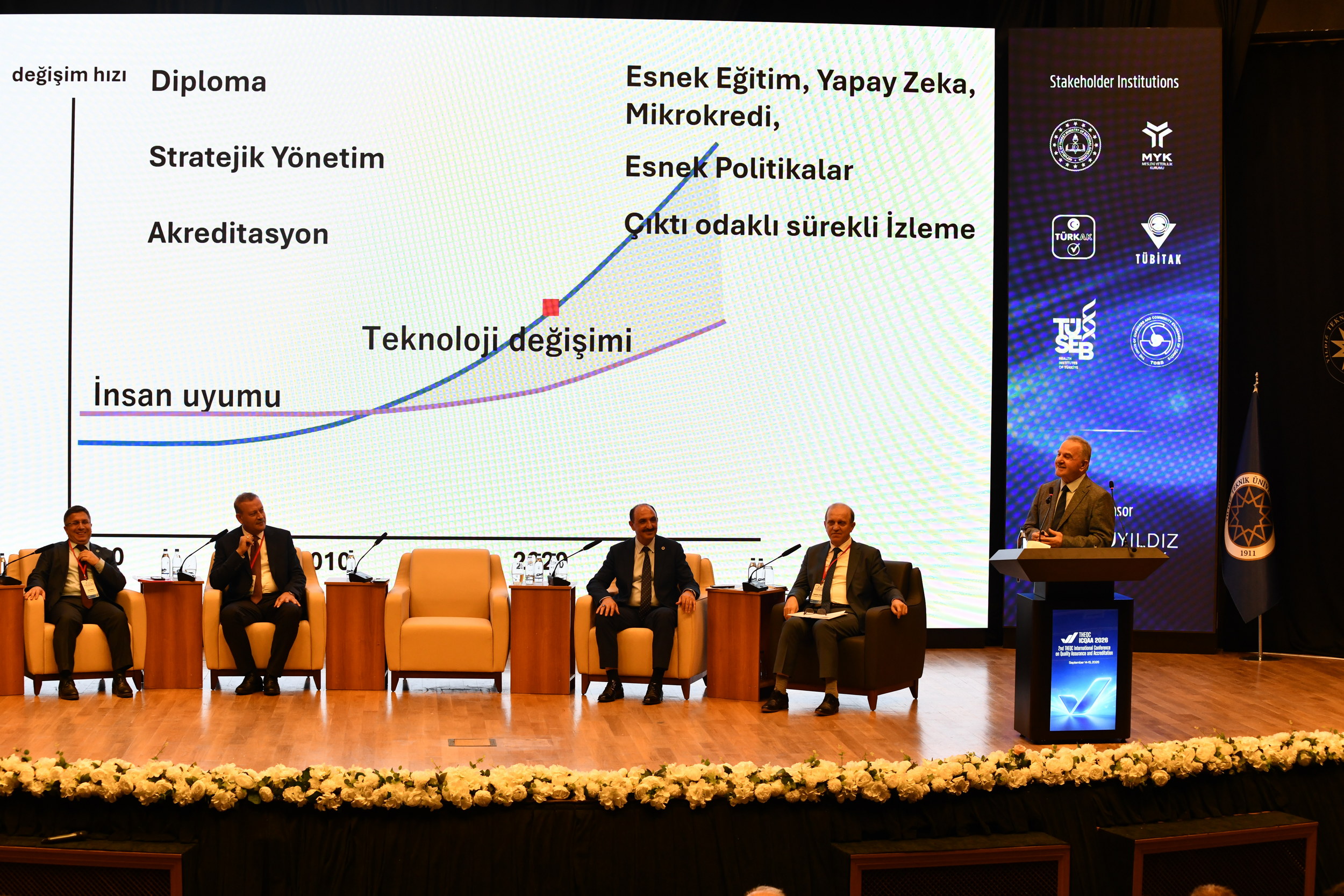
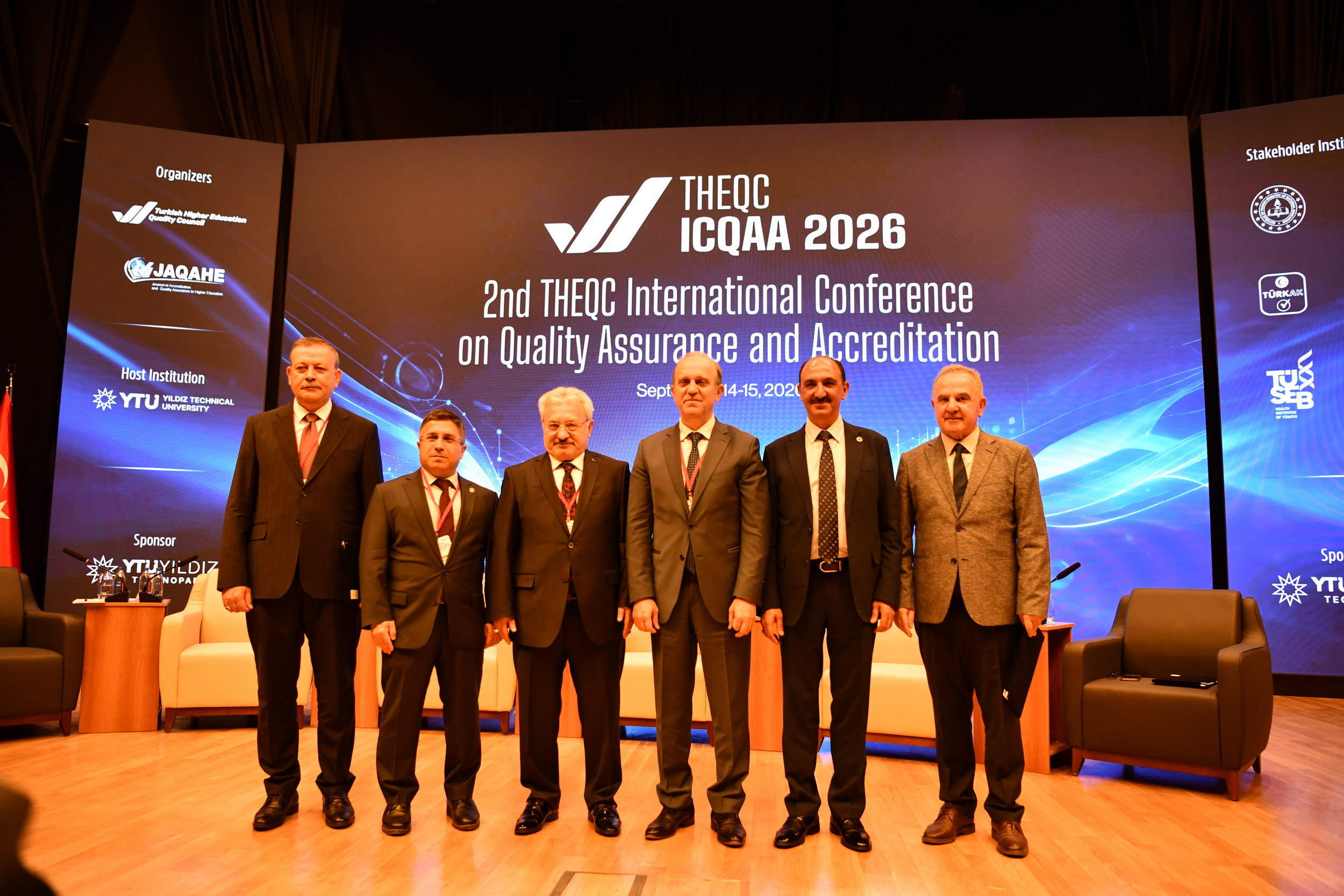
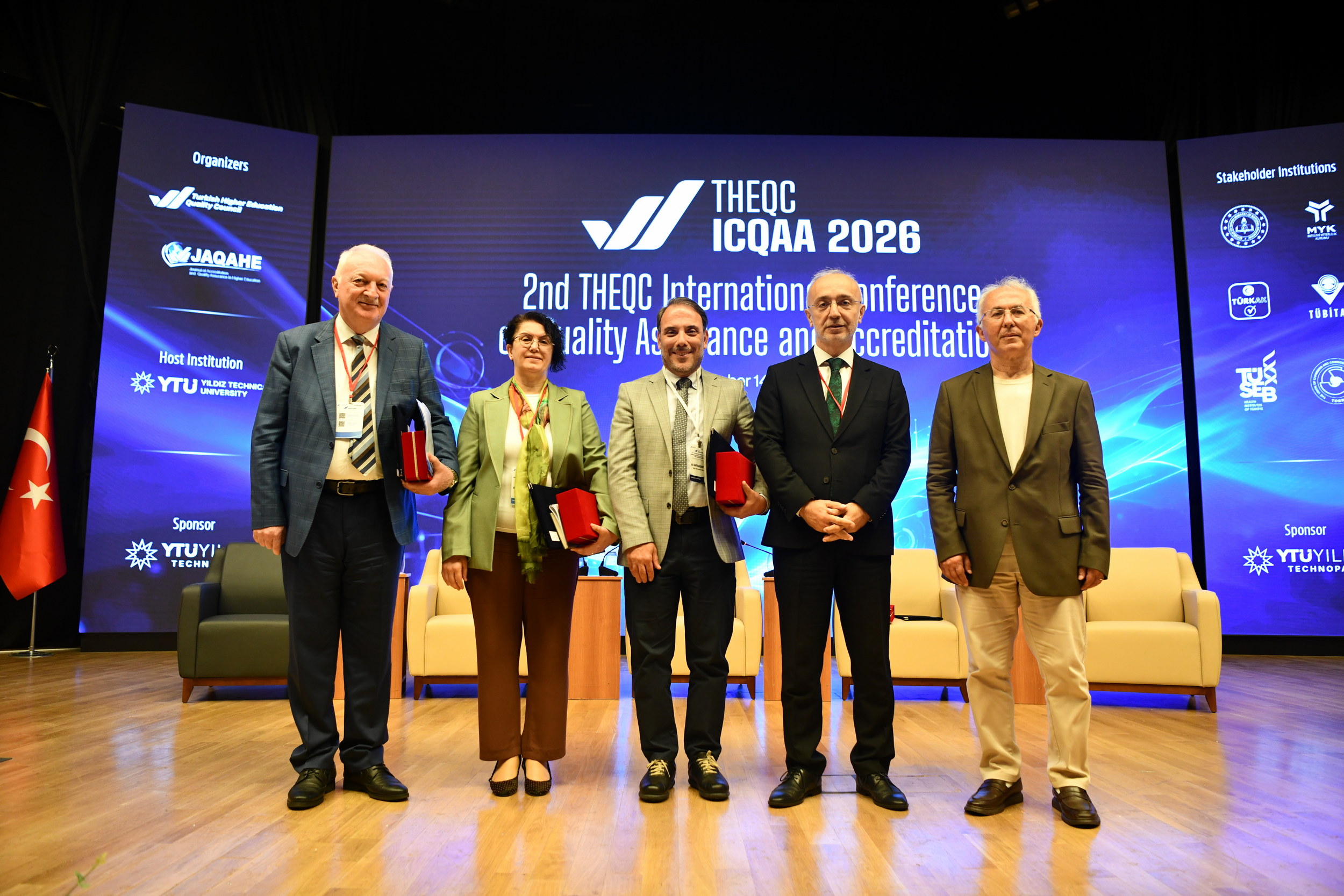
Prof. Ümit Kocabıçak, THEQC President; Prof. Tuncay Döğeroğlu, Member of the Presidential Board of Education Policies; Prof. Muzaffer Şeker, President of the Turkish Academy of Sciences (TÜBA); Aşkın Tören, President of the Vocational Qualifications Authority (VQA); Prof. Vatan Karakaya, YTU Acting Rector, and Prof. Ramazan Bayındır, THEQC Vice President, alongside numerous high-level national and international representatives attended the opening ceremony of the conference, held at Yıldız Technical University Davutpaşa Campus on 14-15 September 2026.
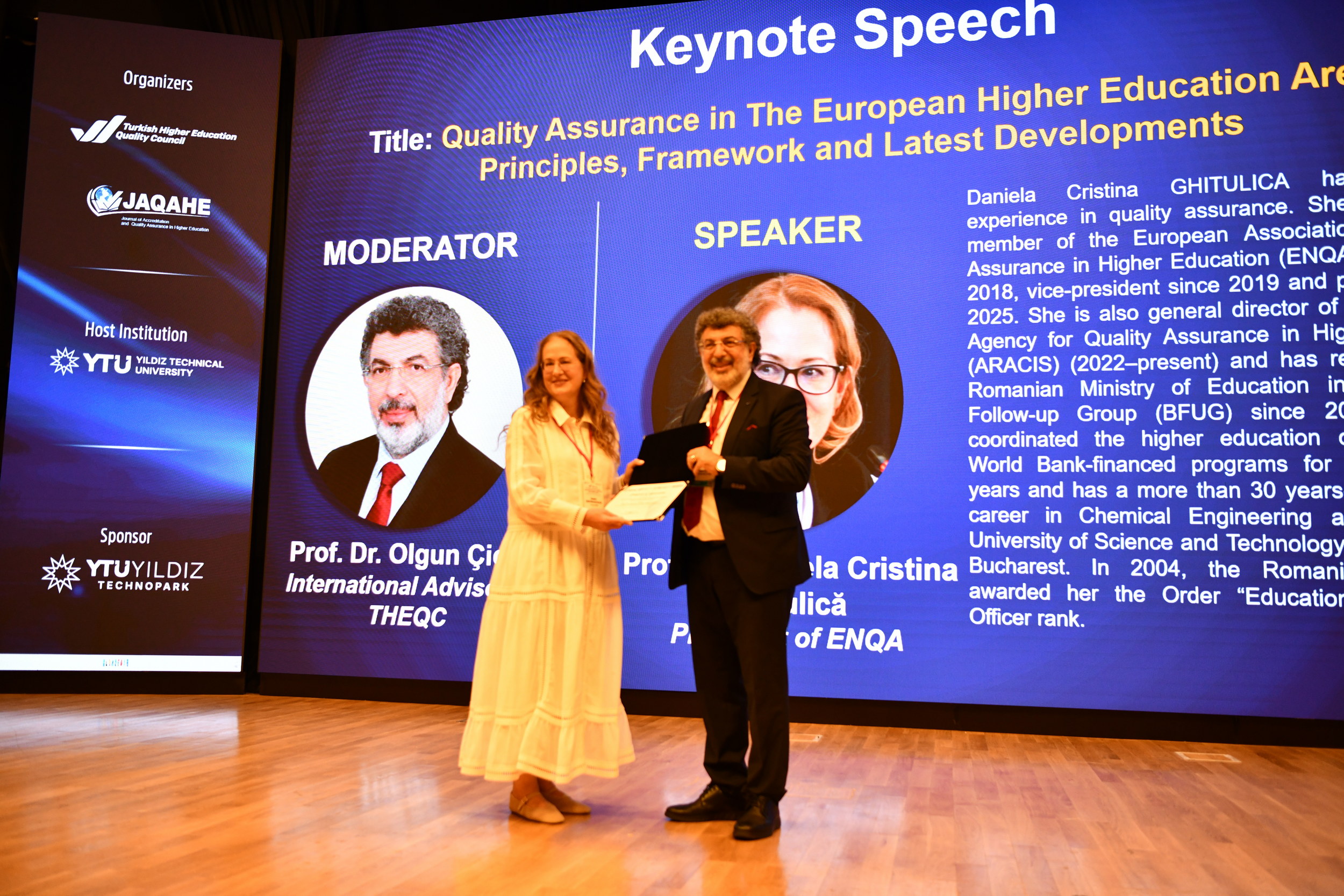
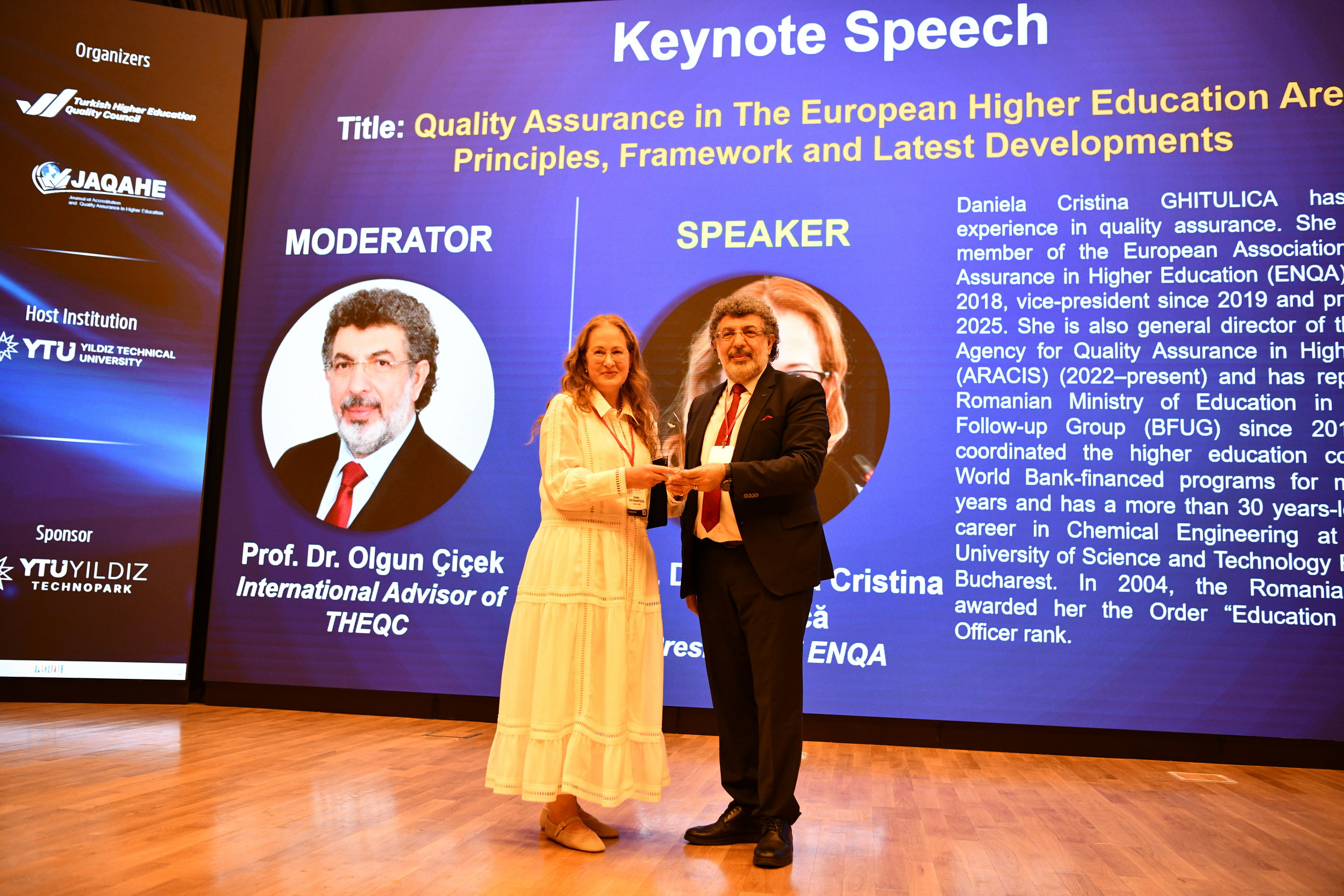
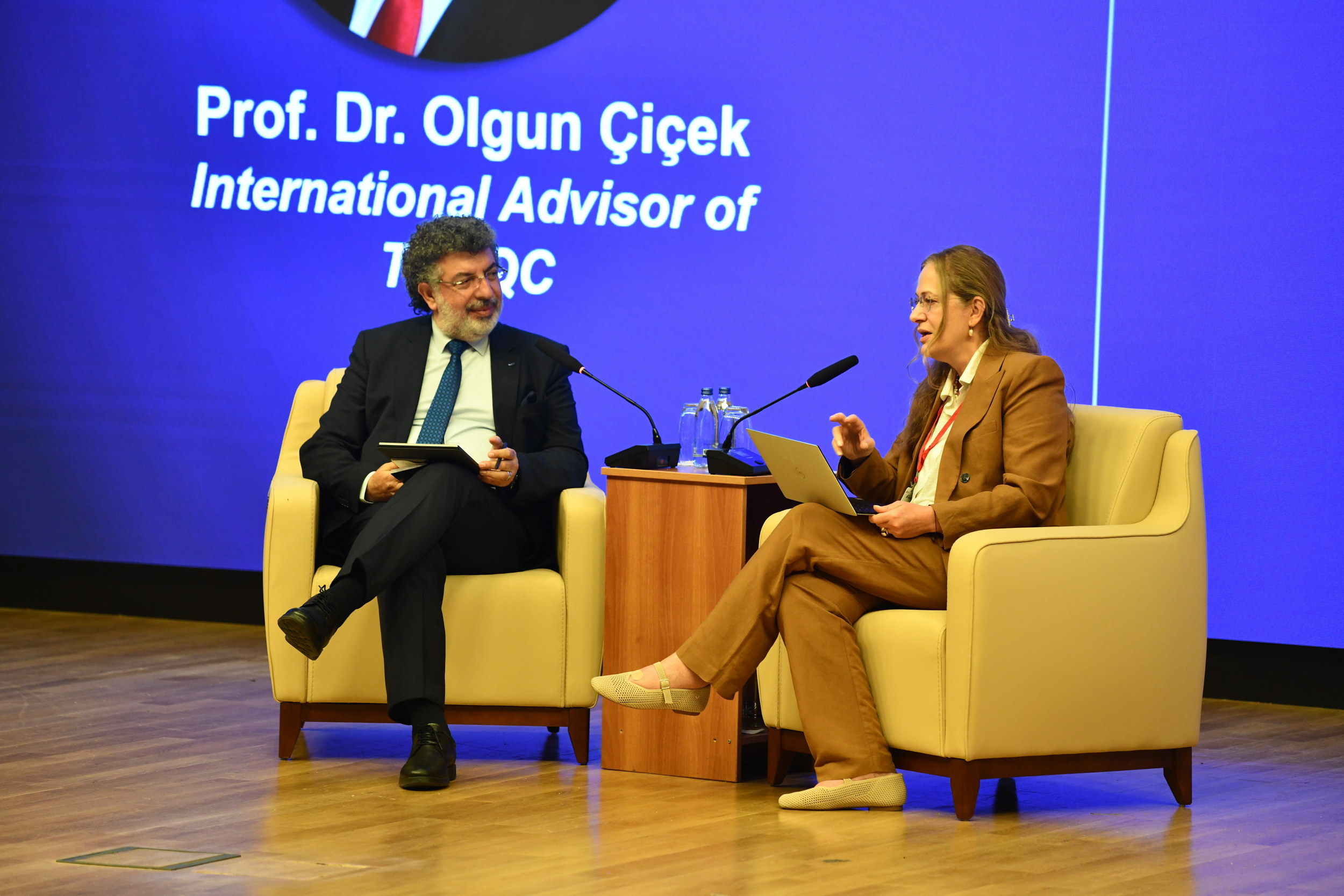
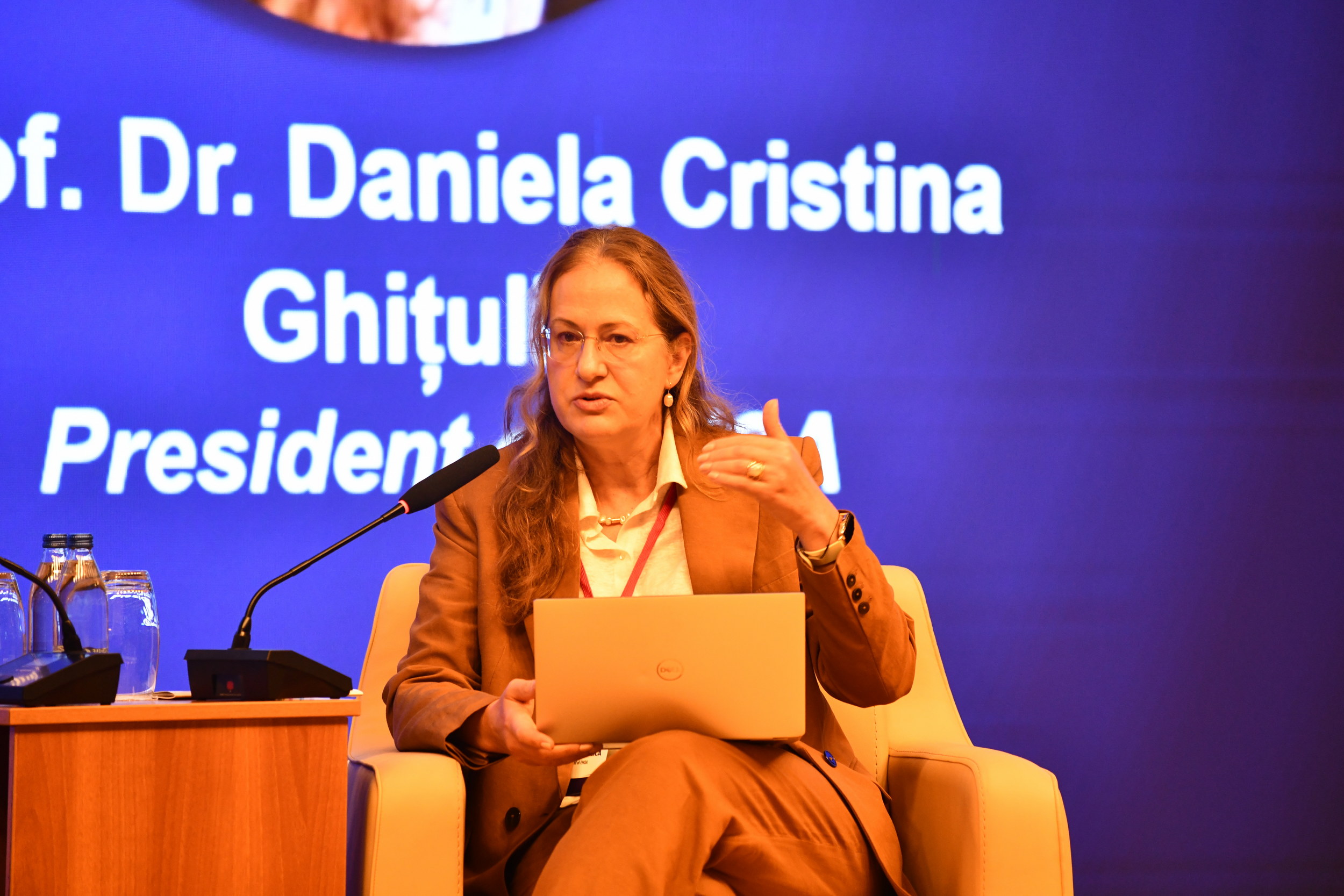
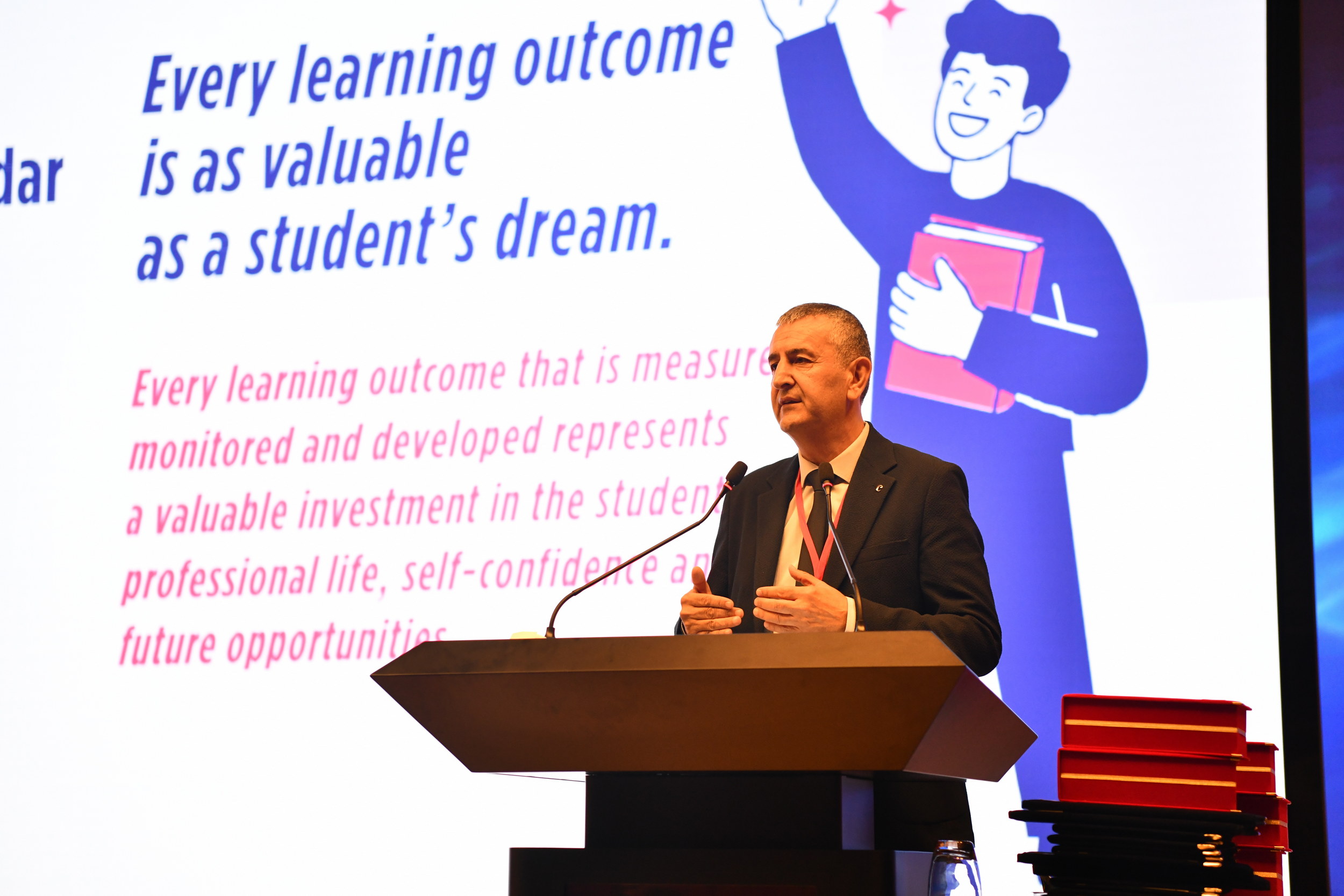
The conference also had high-level participation from international quality assurance organisations. Alongside the four keynote speakers, Dr Nasser H. Paydar, CHEA President; Prof. Daniela Cristina Ghitulica, ENQA President; Prof. Björn Stensaker, EQAR President; and Prof. Jamil Salmi, retired faculty member of Diego Portales University, the presidents and senior representatives of INQAAHE, EURASHE, PNQAHE, ASIC-UK, FIBAA, and AQAS also took part in the ceremony.
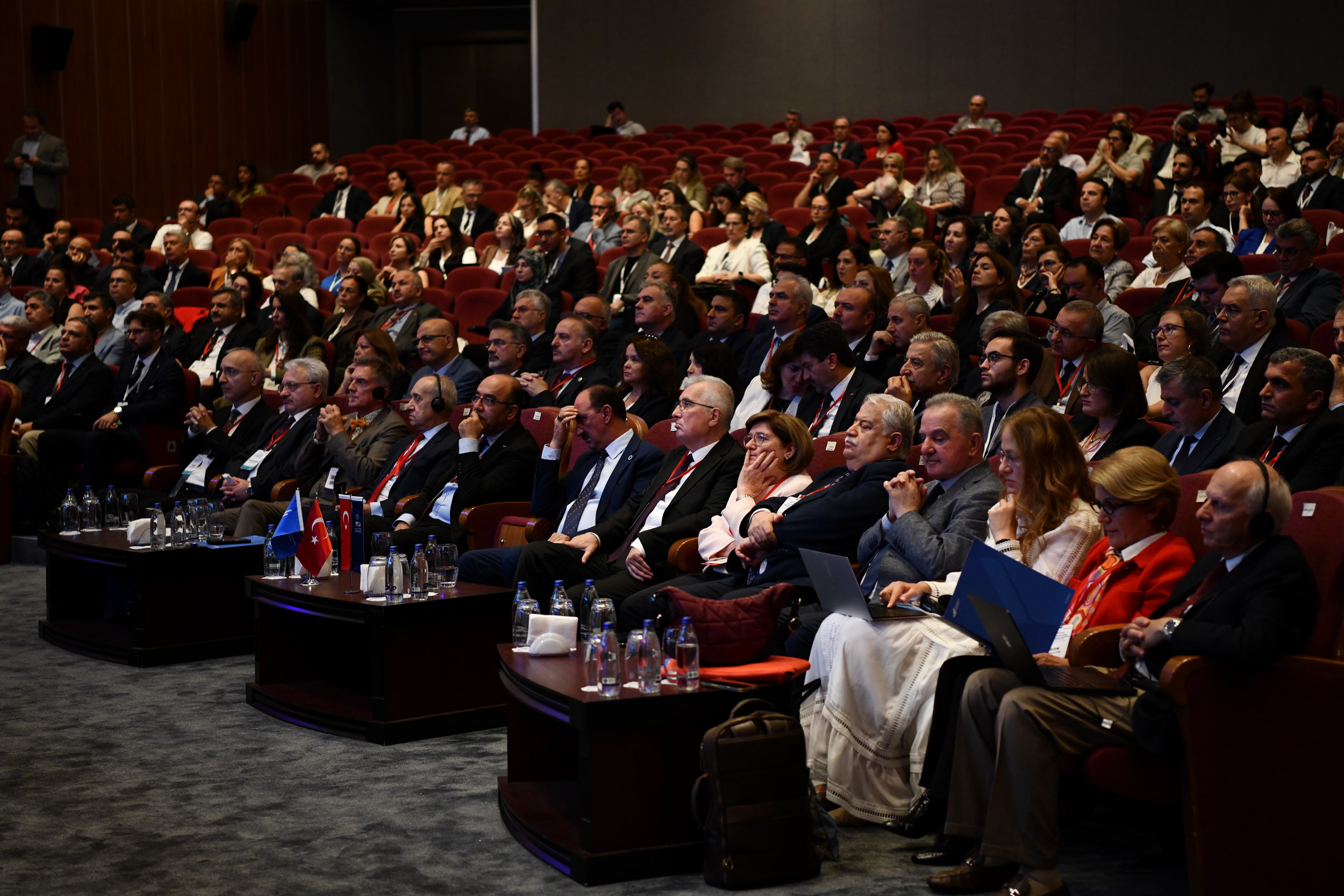
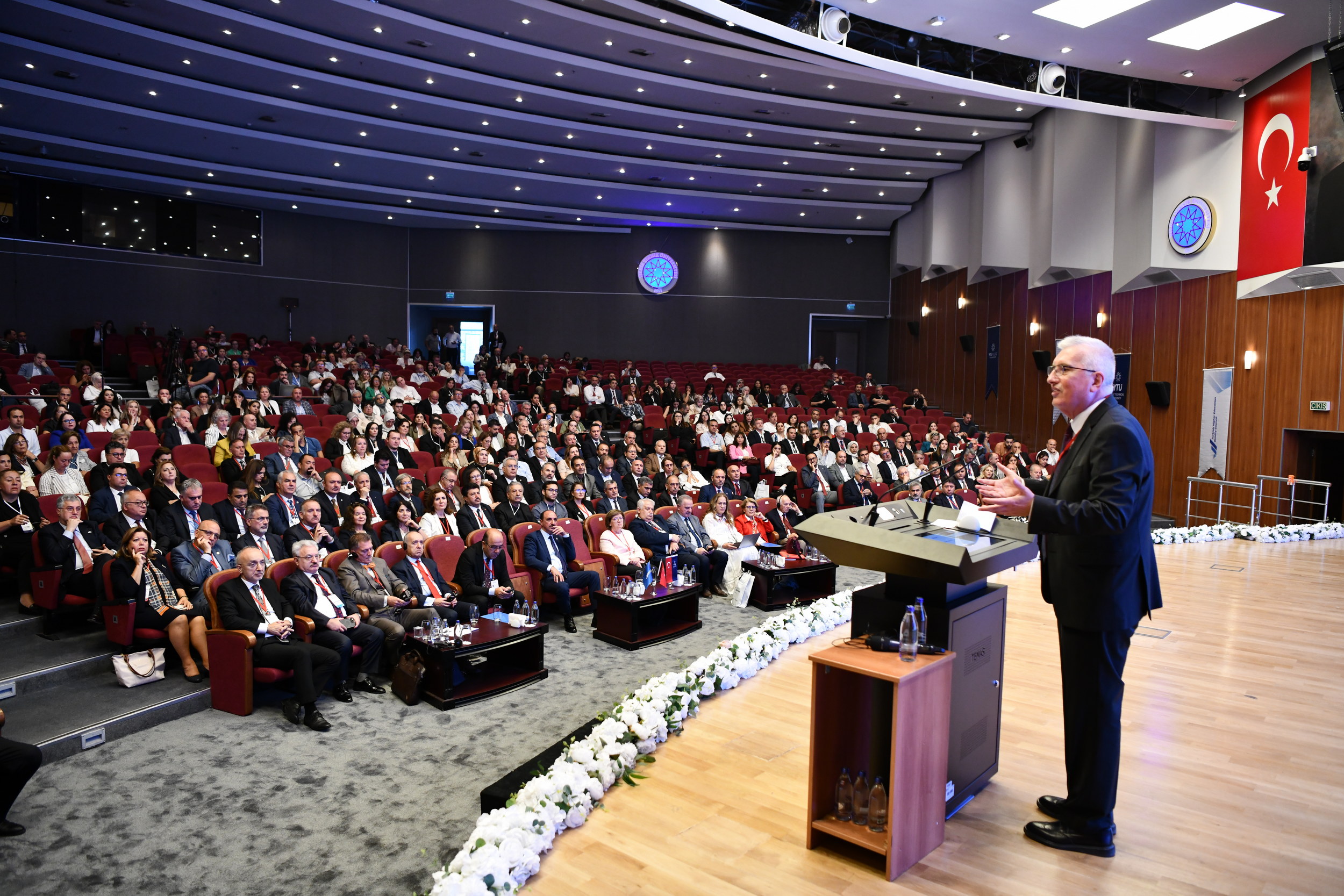
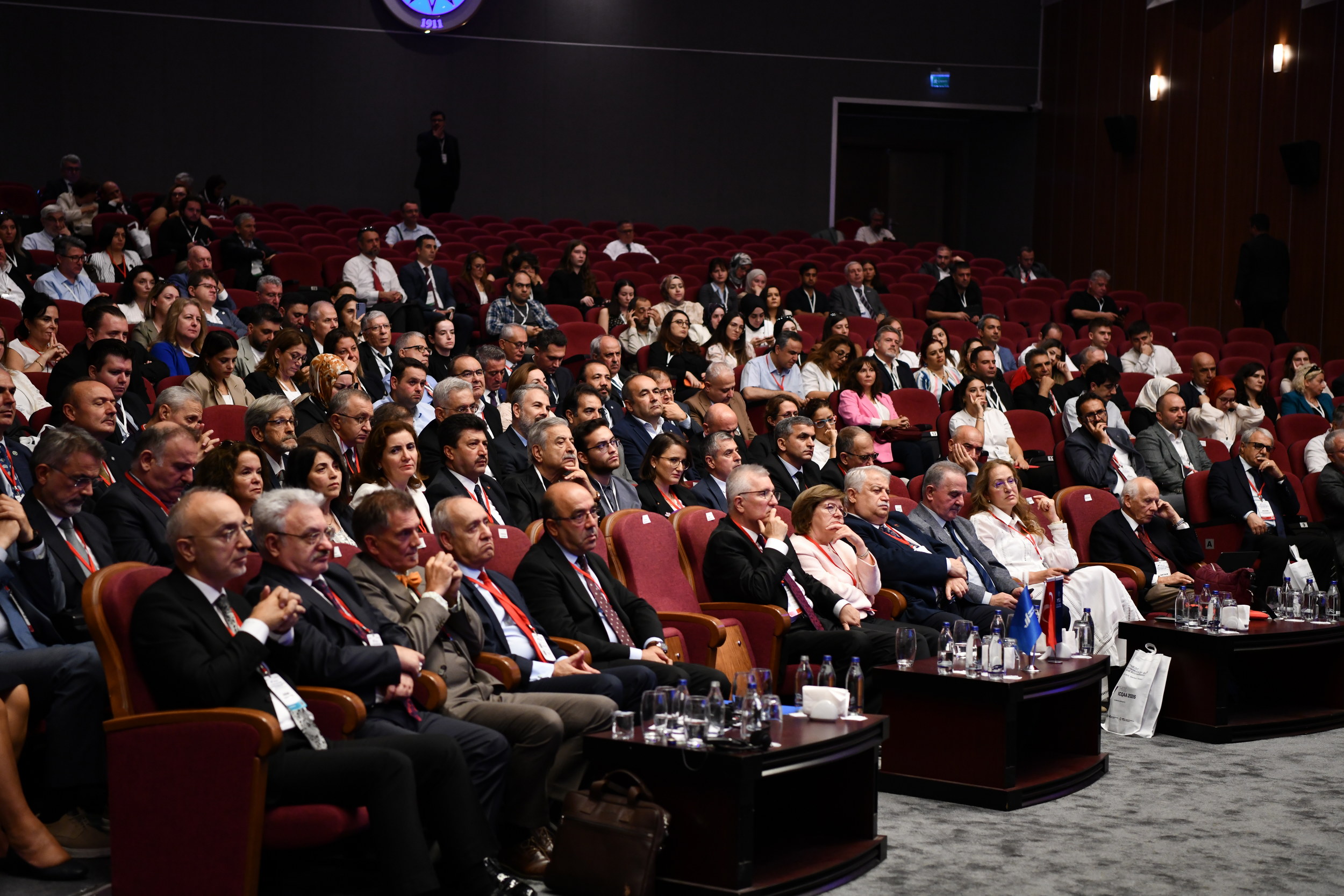
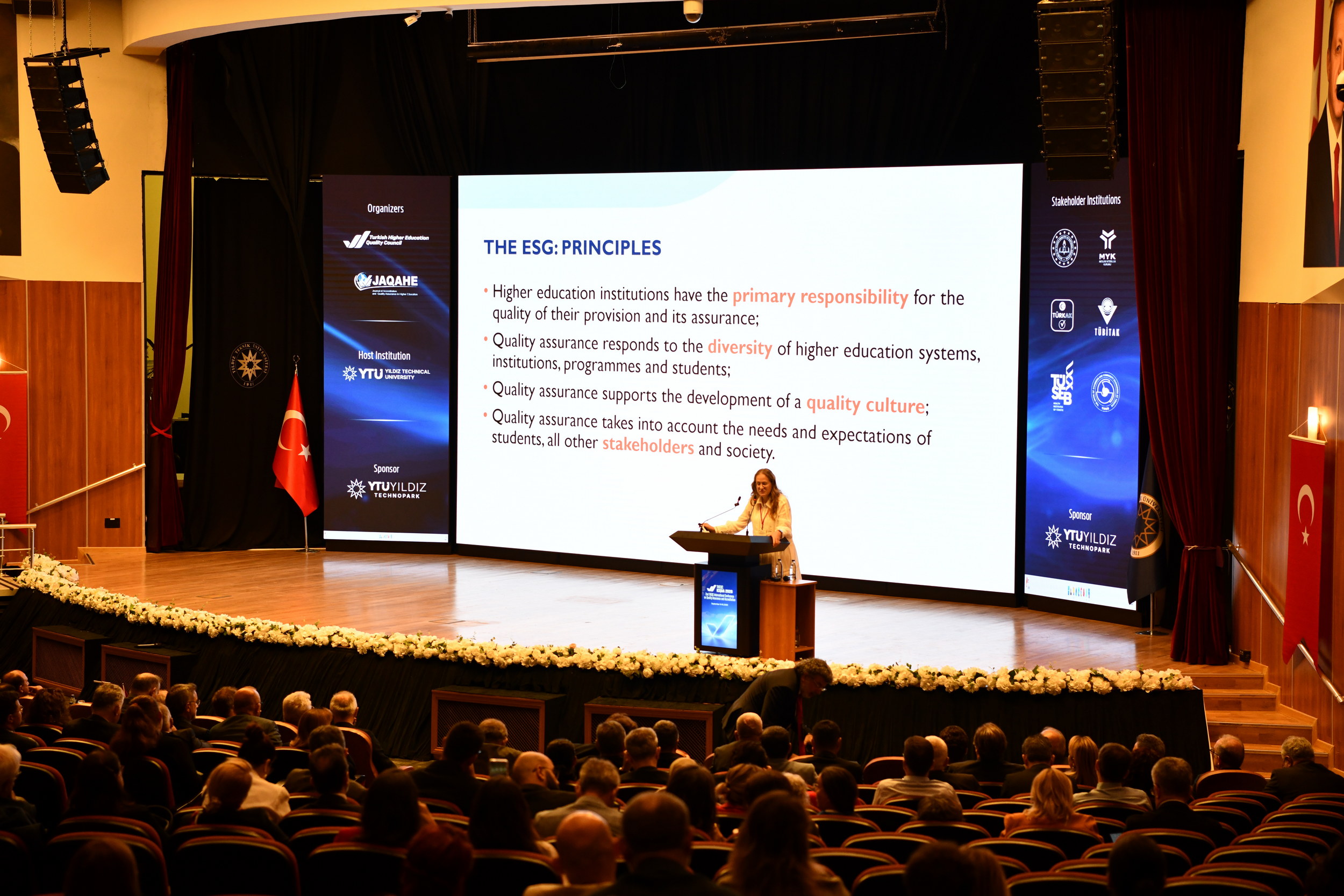
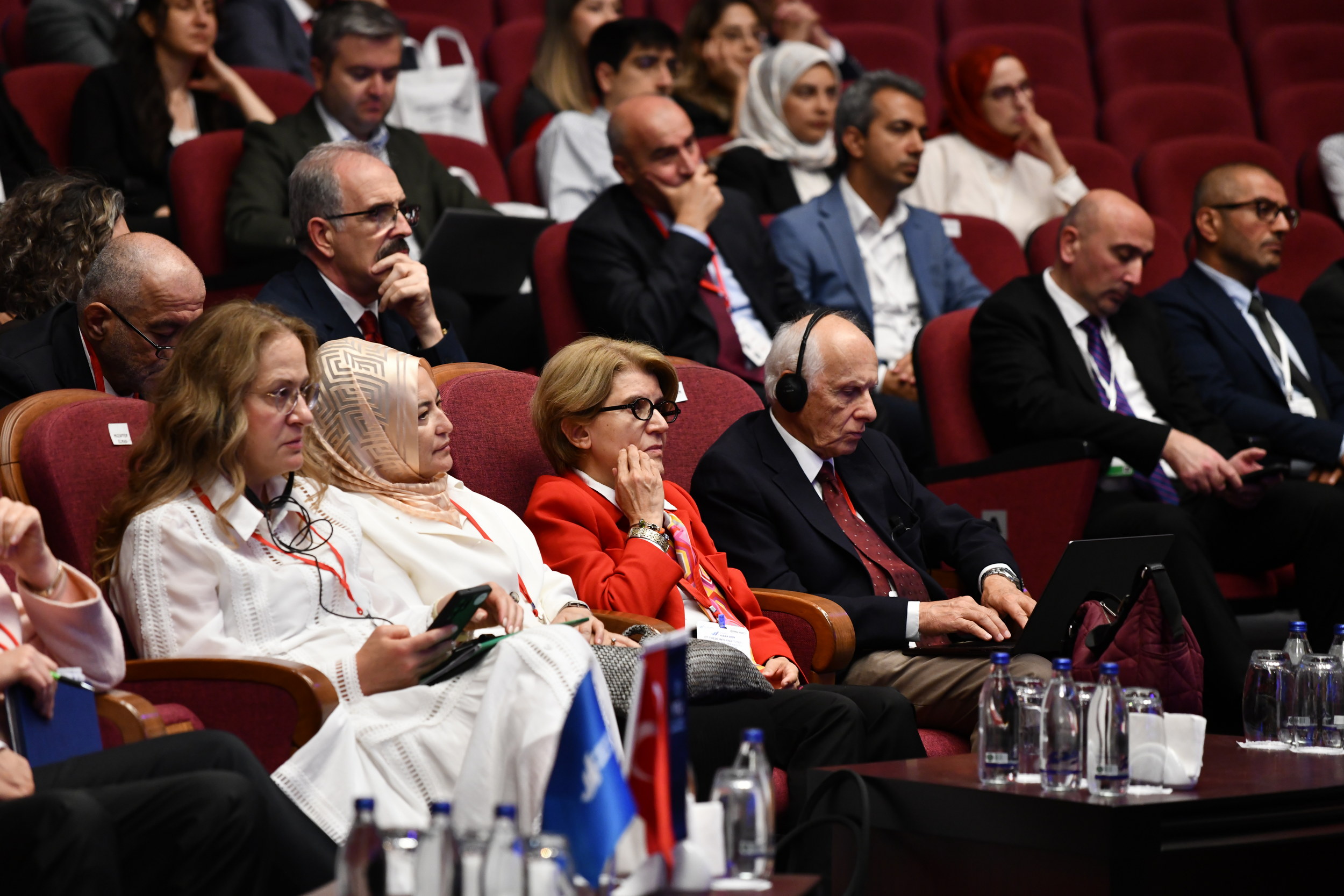
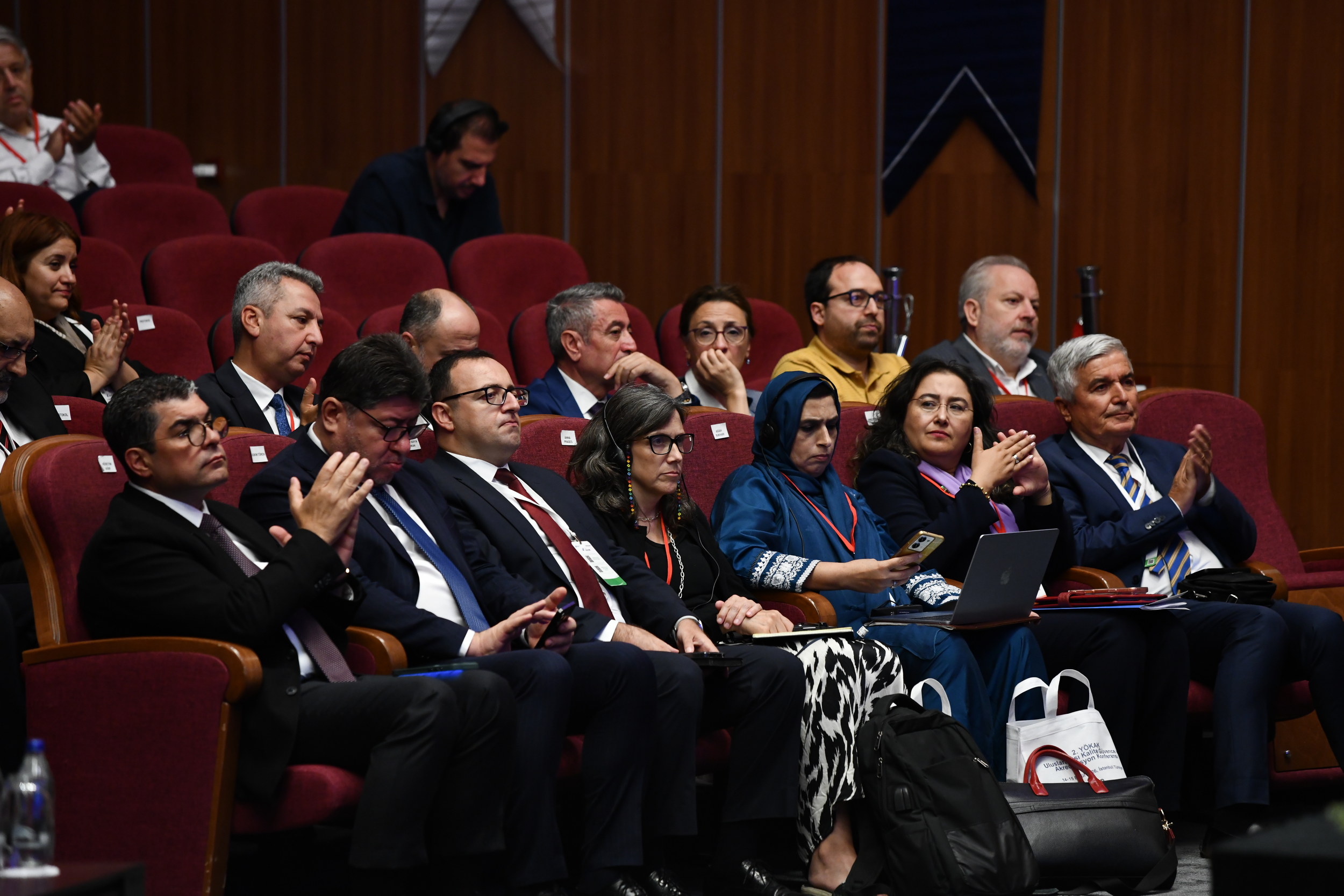
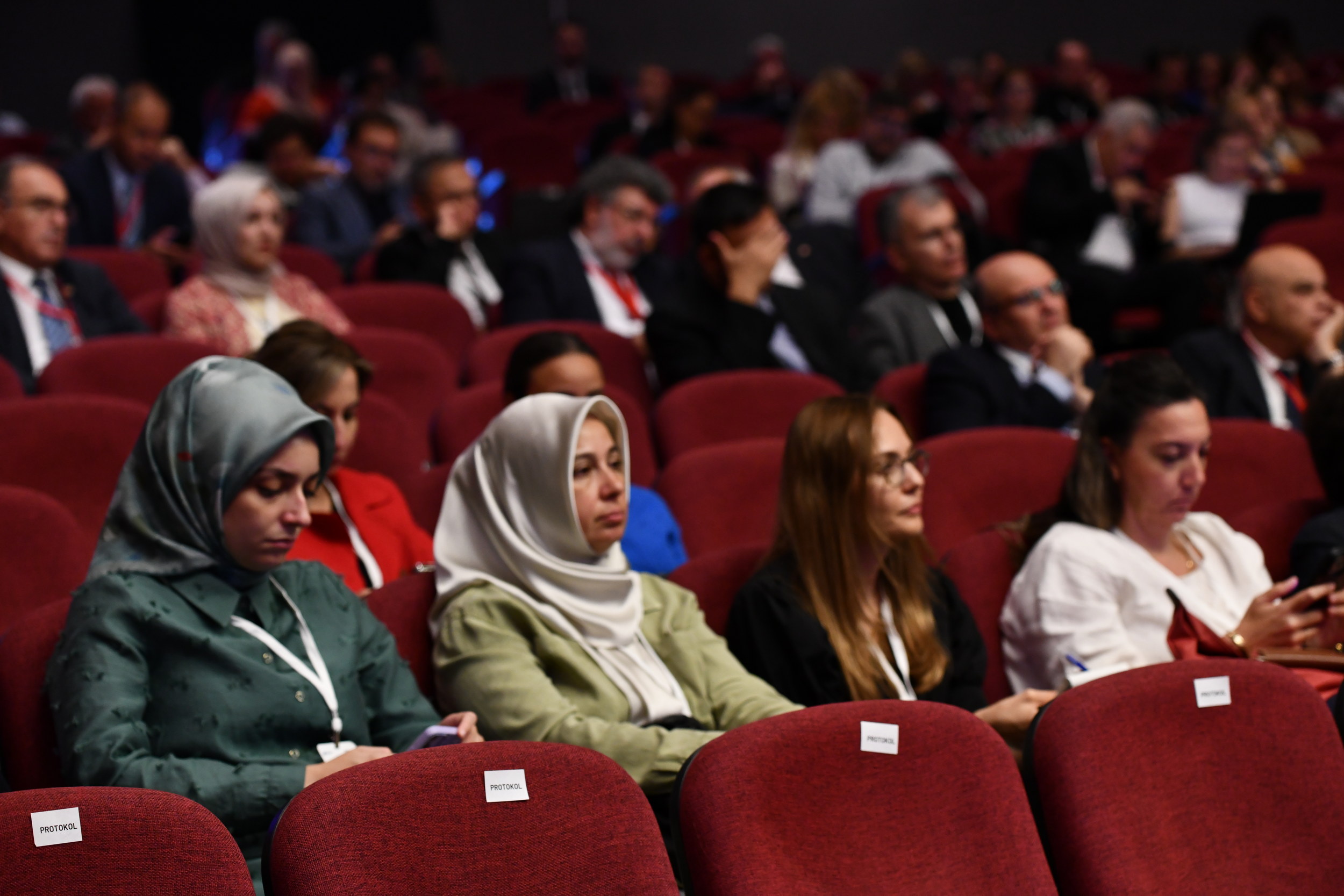
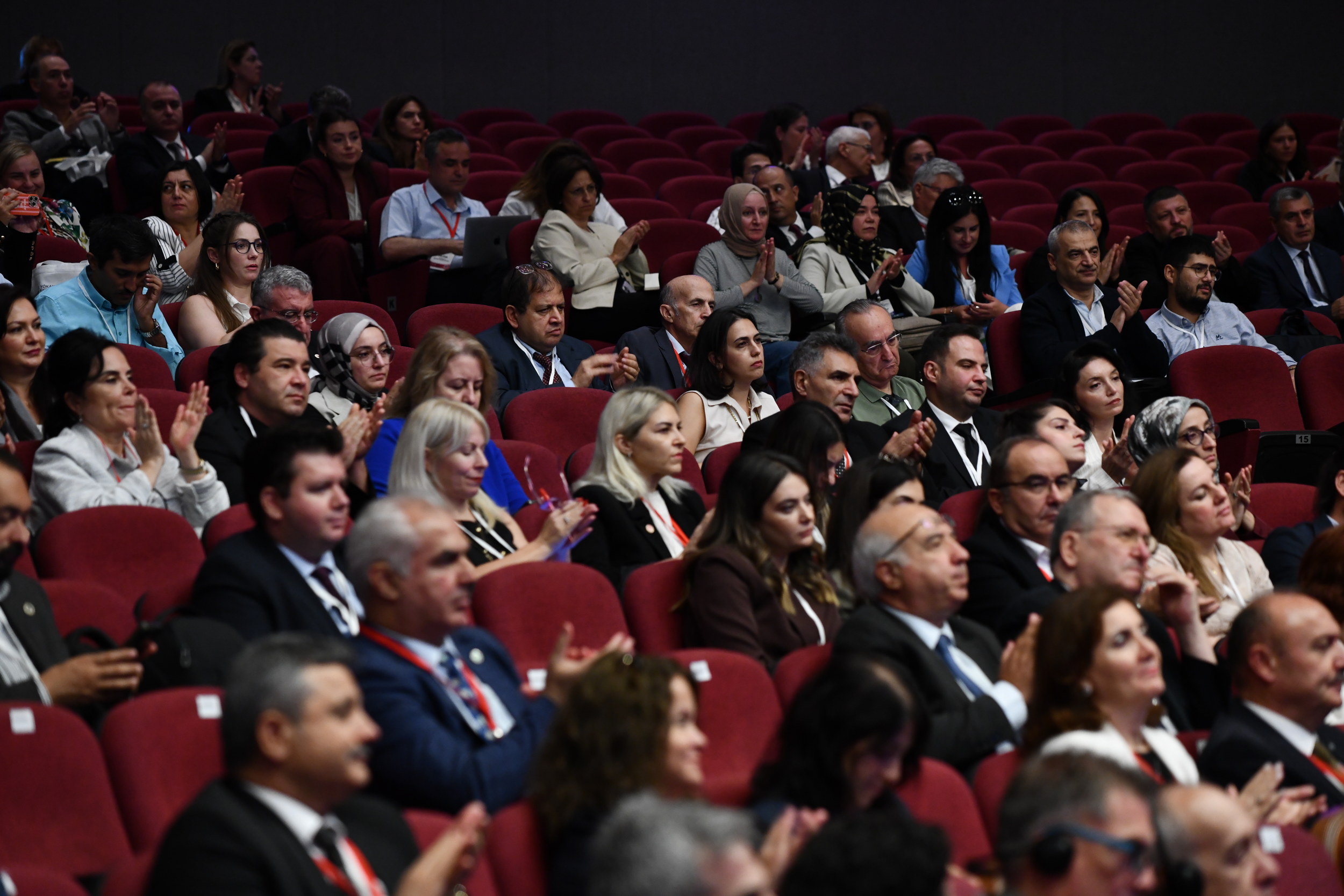
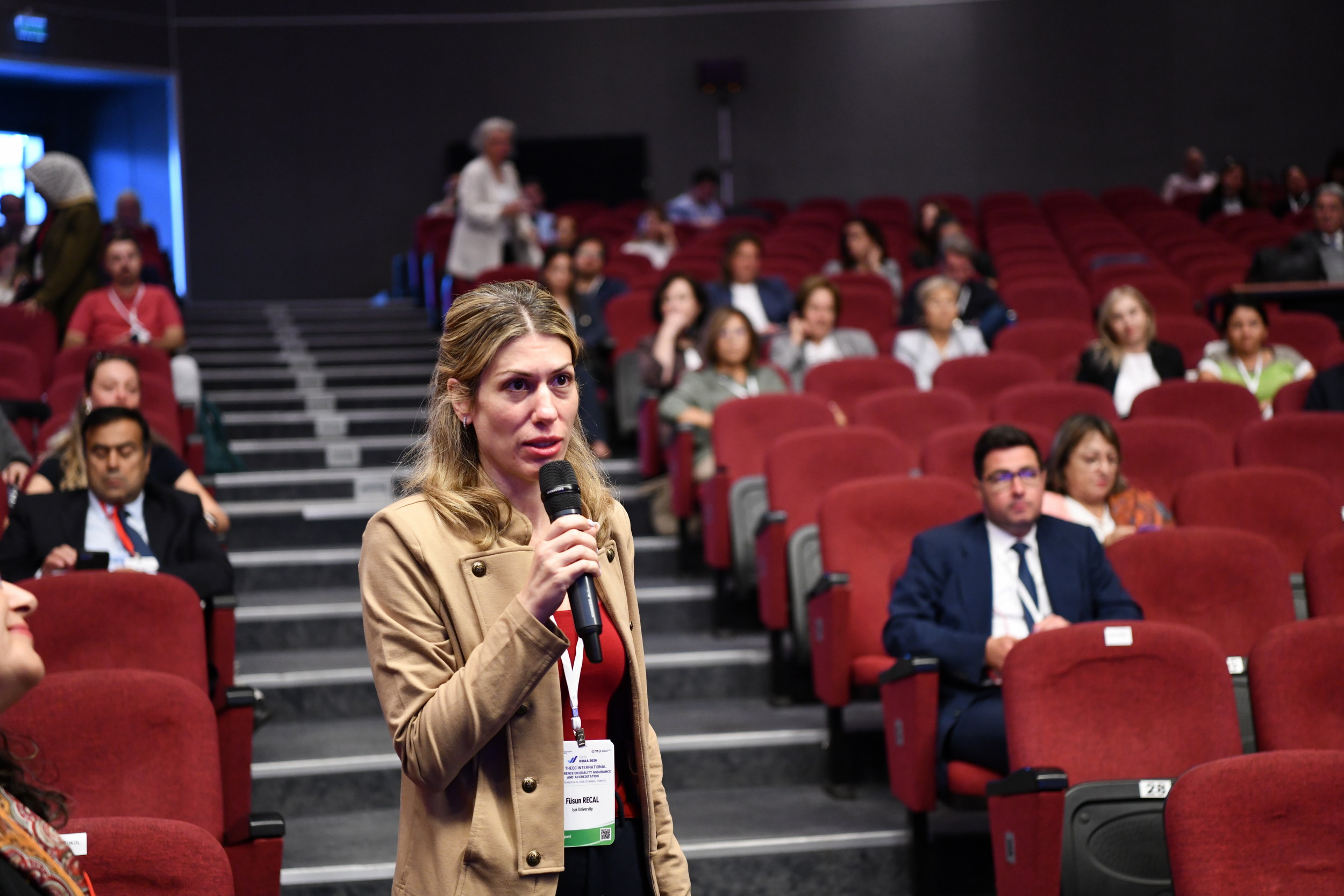
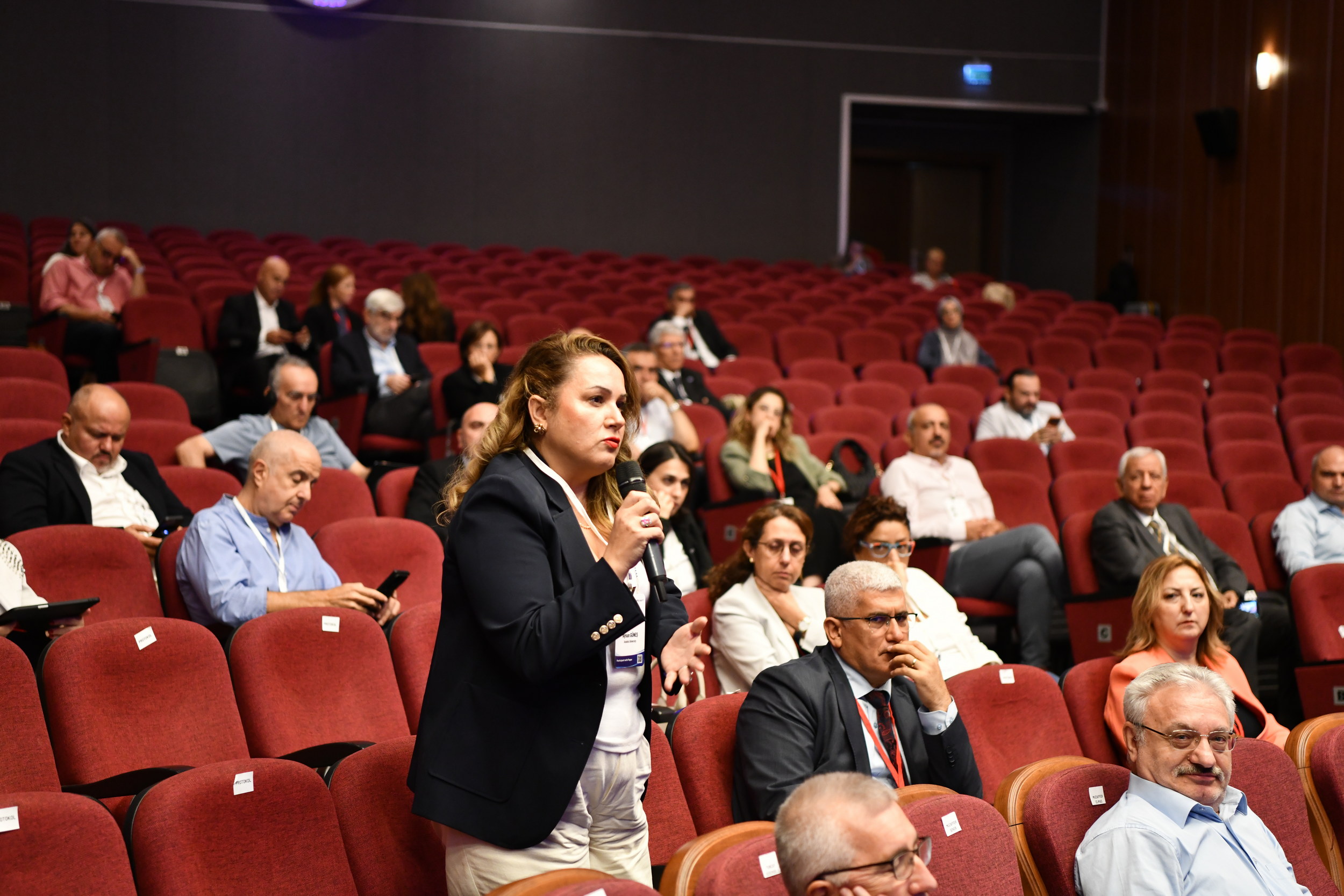
Bringing together more than 1,000 national and international invitees, the conference featured diverse stakeholders from the higher education and quality assurance ecosystem, including rectors and vice-rectors from various Turkish universities, academics, administrative leaders, students, representatives of public institutions and organisations, as well as managers and representatives of national accreditation agencies and associations.
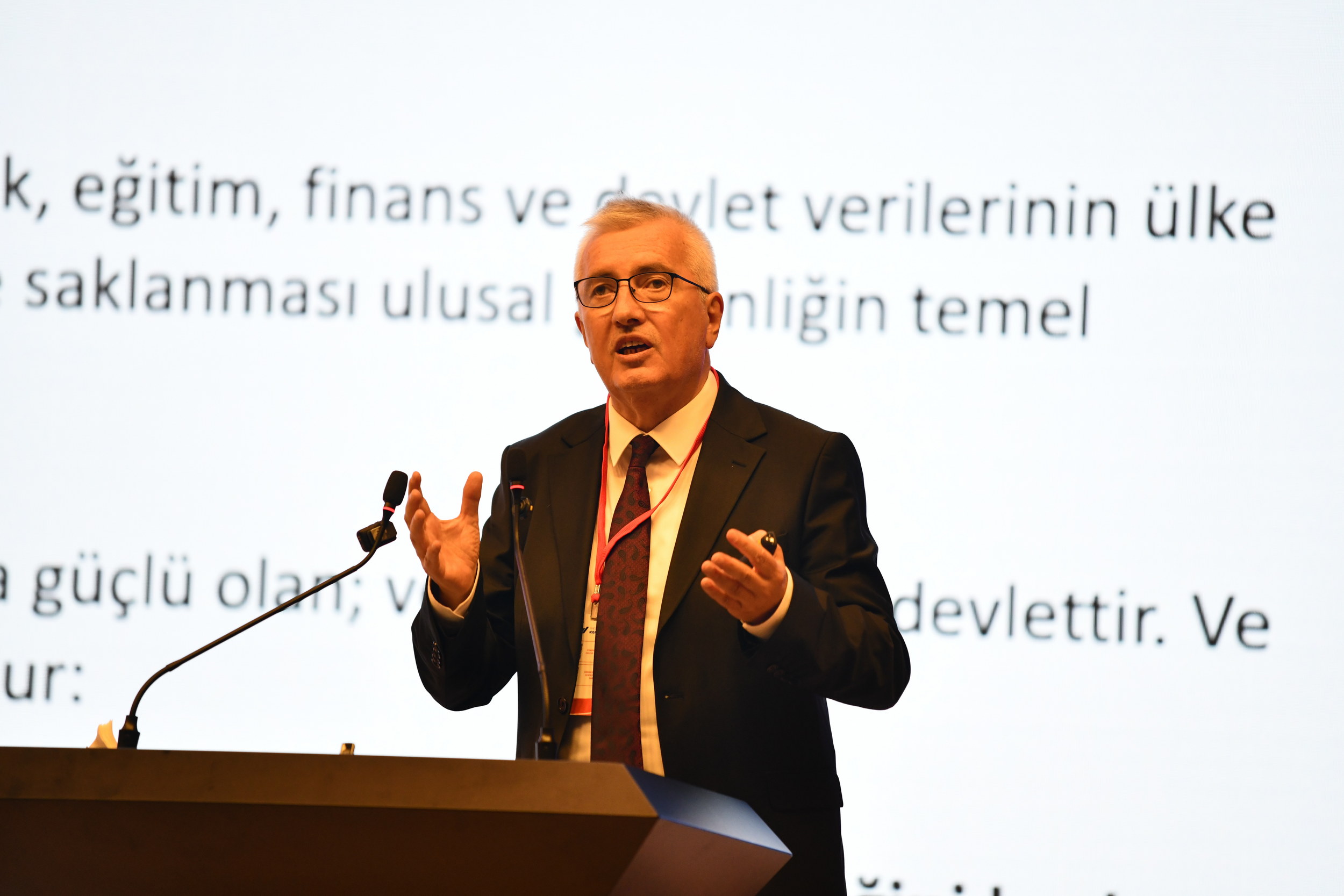
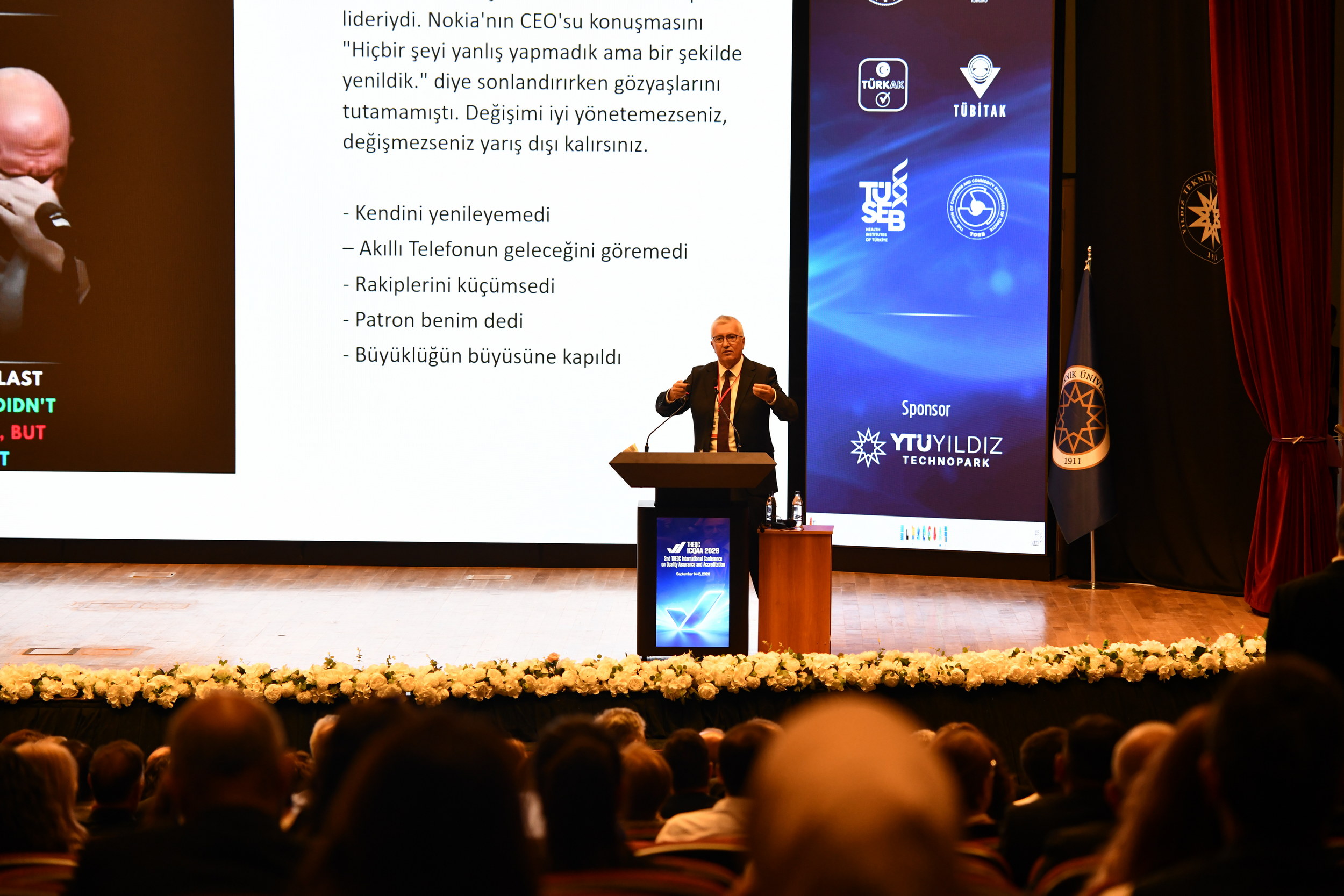
“Those who cannot manage change in the age of artificial intelligence will be left out of the race.”
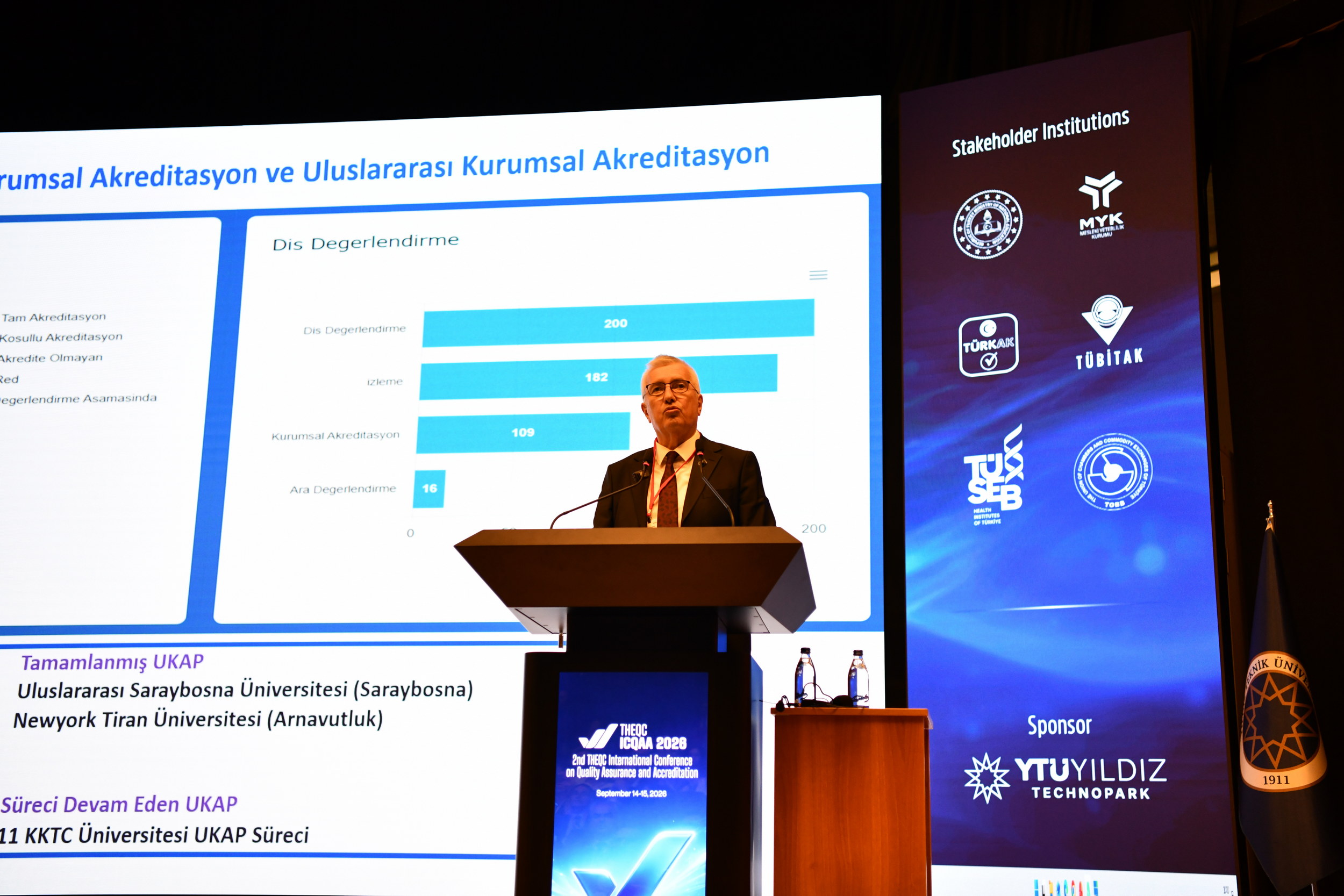
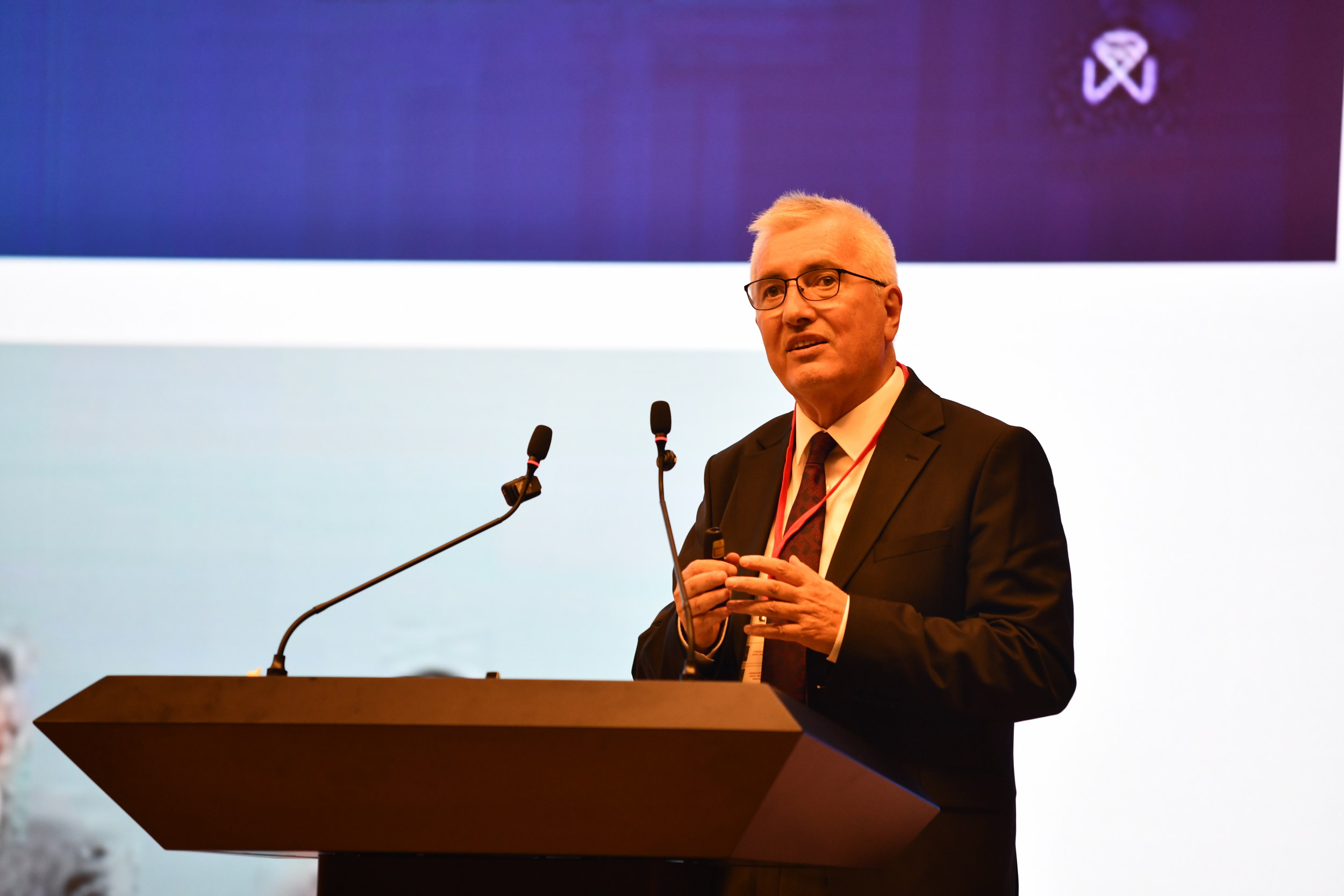
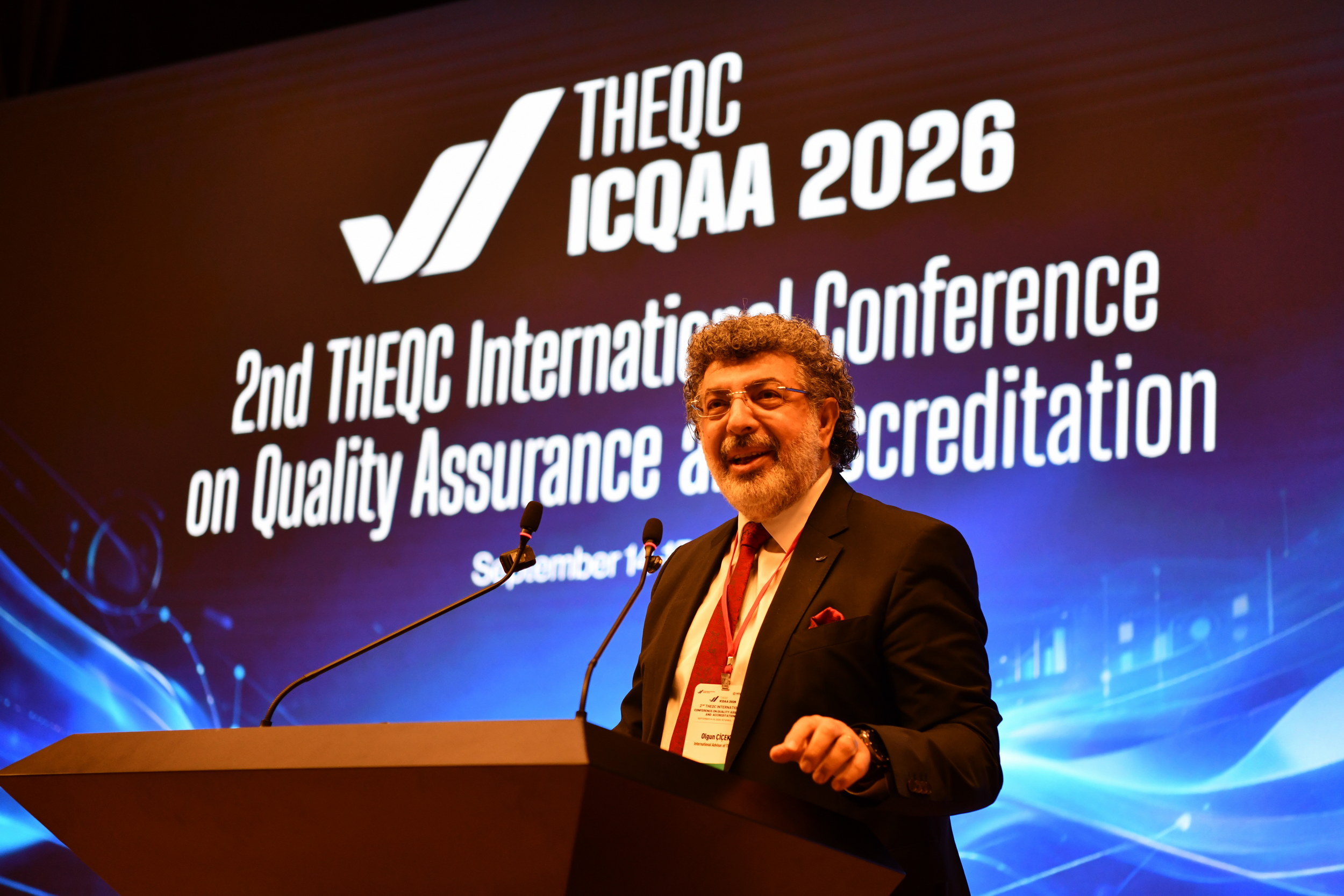
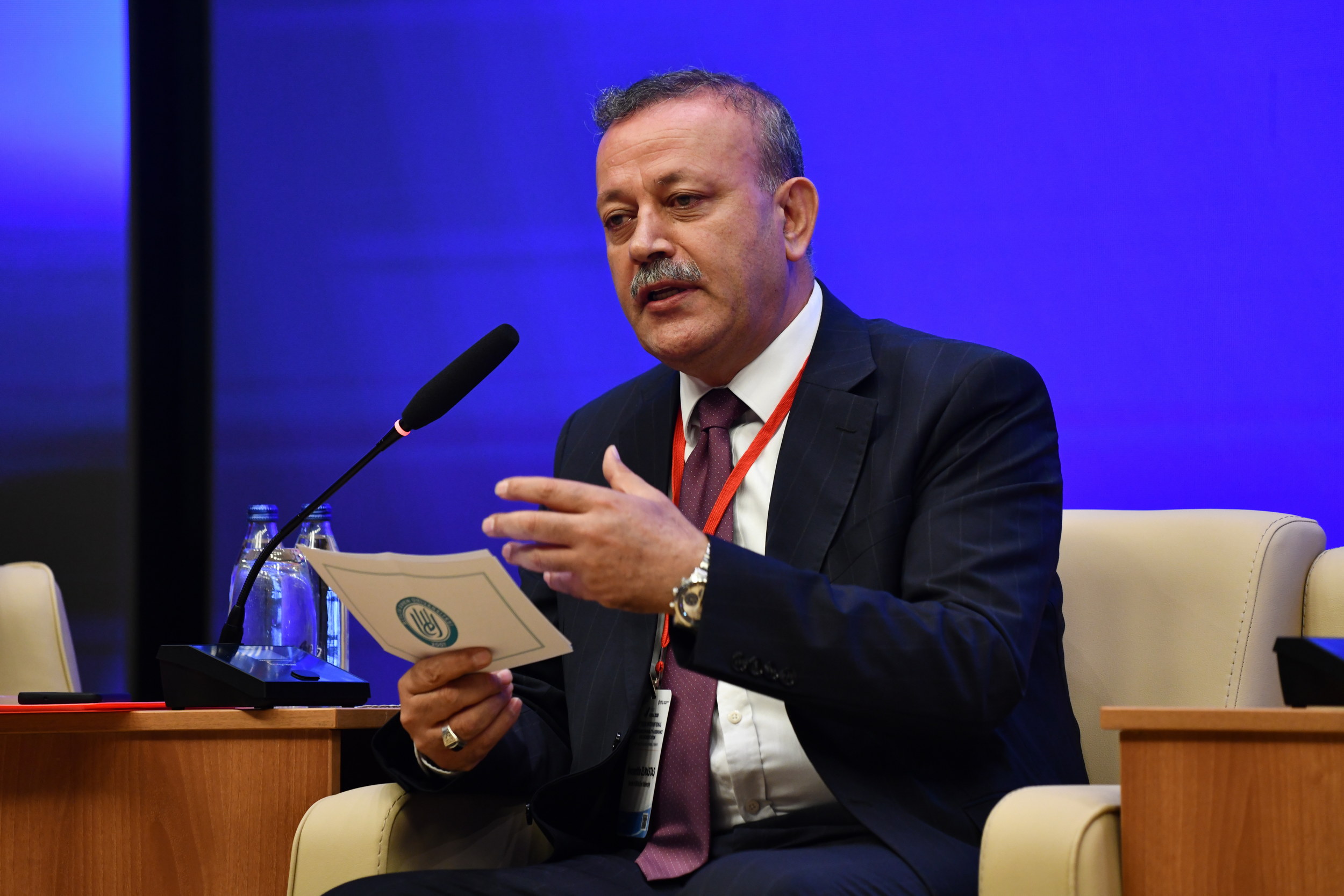
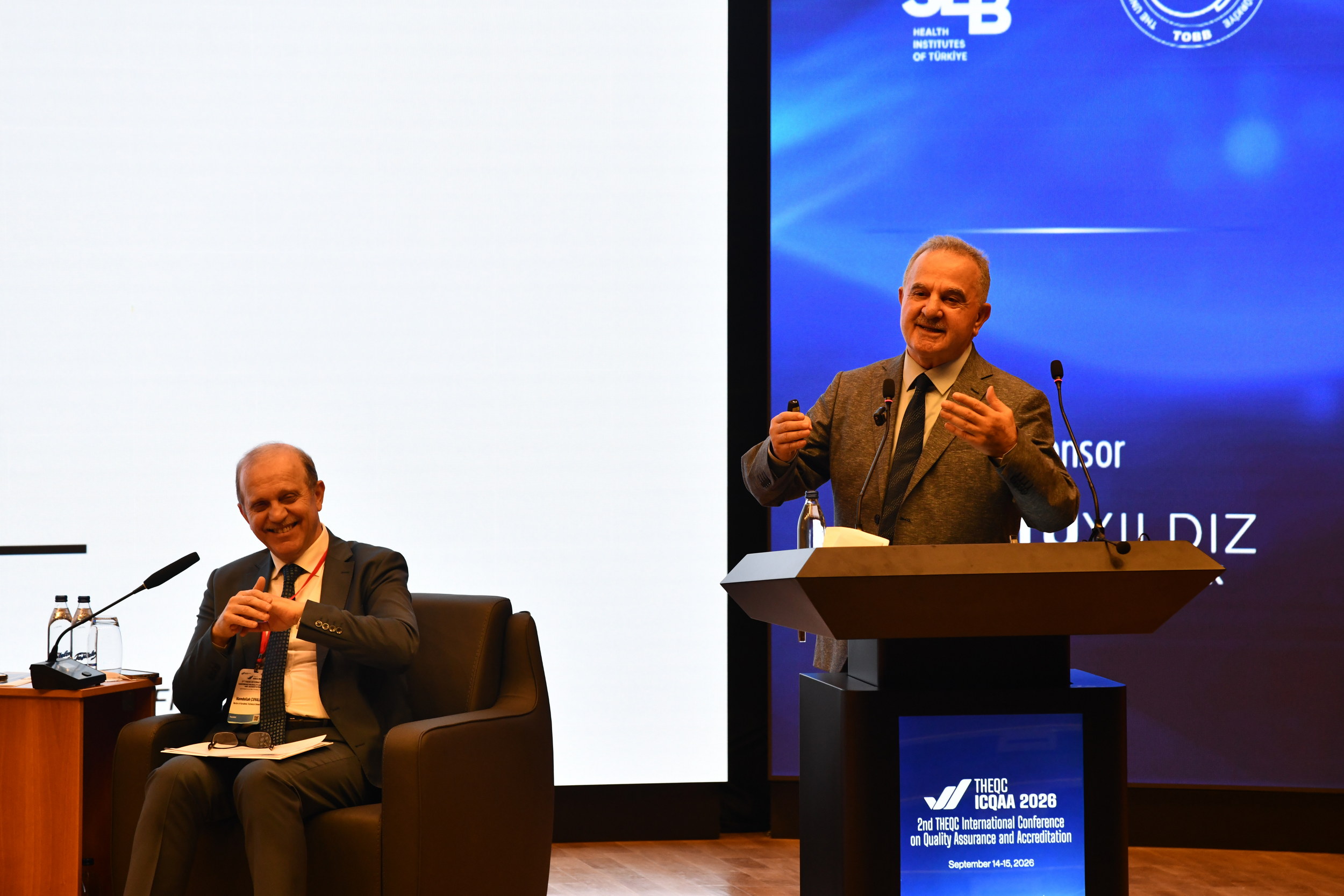
Speaking at the opening of the conference, President Kocabıçak stated that approximately 65% of the 208 universities in Türkiye were established within the last 25 years, emphasising that quality assurance processes play a critical role in enhancing the quality of these institutions. Noting that Türkiye has 6,235,000 students and 190,000 faculty members, Kocabıçak stated that the institutional accreditation process for 149 universities has been completed, and the processes for the remaining universities will be finalised within the next two years. He also noted that THEQC possesses international institutional accreditation authority and conducts processes for universities in the Turkish Republic of Northern Cyprus (TRNC), Bosnia and Herzegovina, and Albania.
Drawing attention to the impacts of artificial intelligence and big data on higher education, Kocabıçak stated:
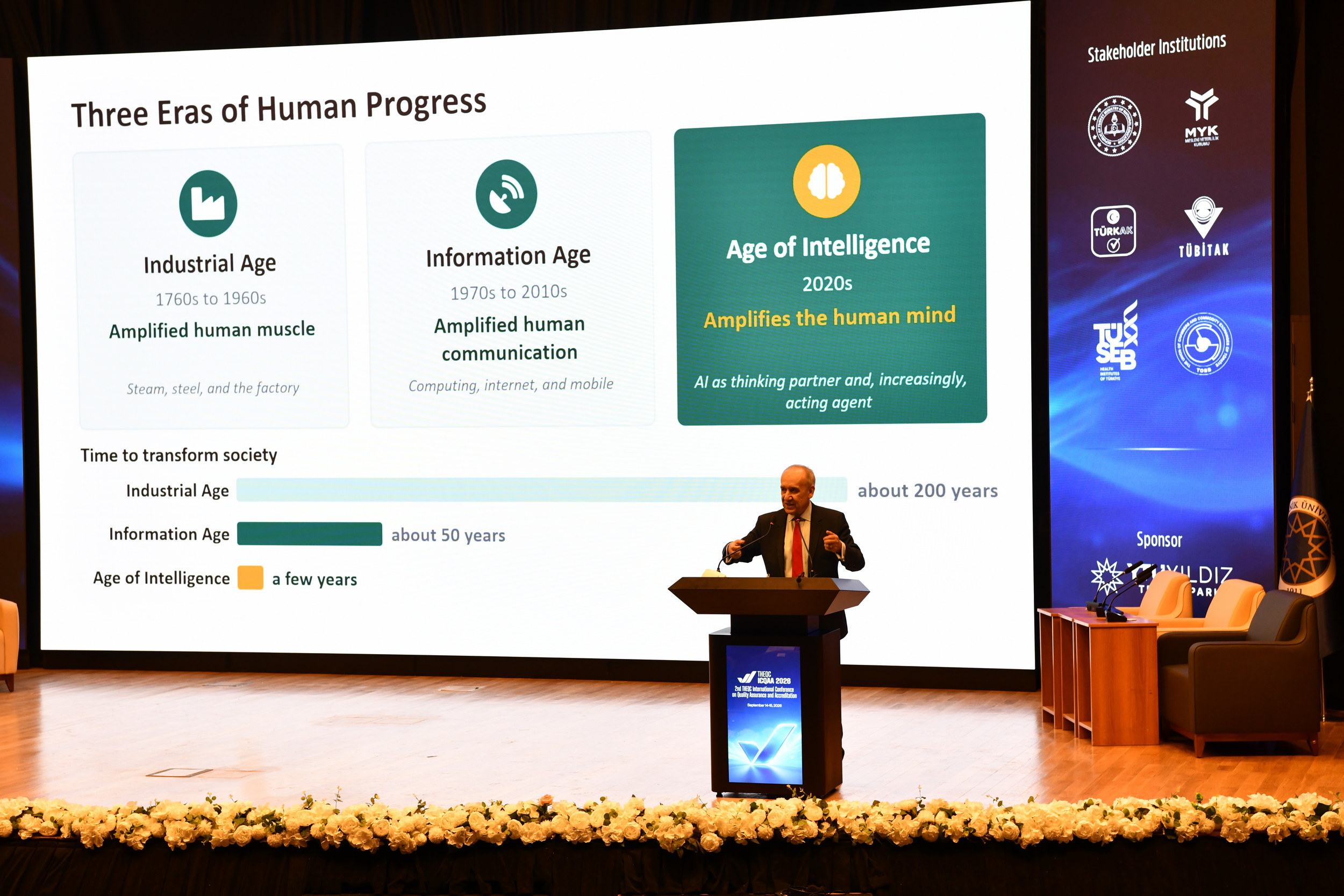
“In such a rapidly changing and transforming world, if you cannot manage change, you will be left out of the race. Artificial intelligence tools can now process even personal data that our closest ones do not know. Those who lose their data lose their future. Companies now tend to use artificial intelligence like a new graduate instead of training new graduates. We must interpret this transformation correctly.”
Stating that merely obtaining an accreditation certificate is not enough and that THEQC focuses on outcomes such as graduate employability, research competence, and visibility in world rankings, Kocabıçak announced that the Quality Management Information System (QMiS), which gathers all higher education data under a single roof, will be launched soon. Furthermore, he called upon representatives of international quality assurance agencies, expressing his wish to lay the foundations of the “World Standards and Guidelines” (WSG) vision, a global quality standard hosted by İstanbul.
“Humans and machines are at a new crossroads.”
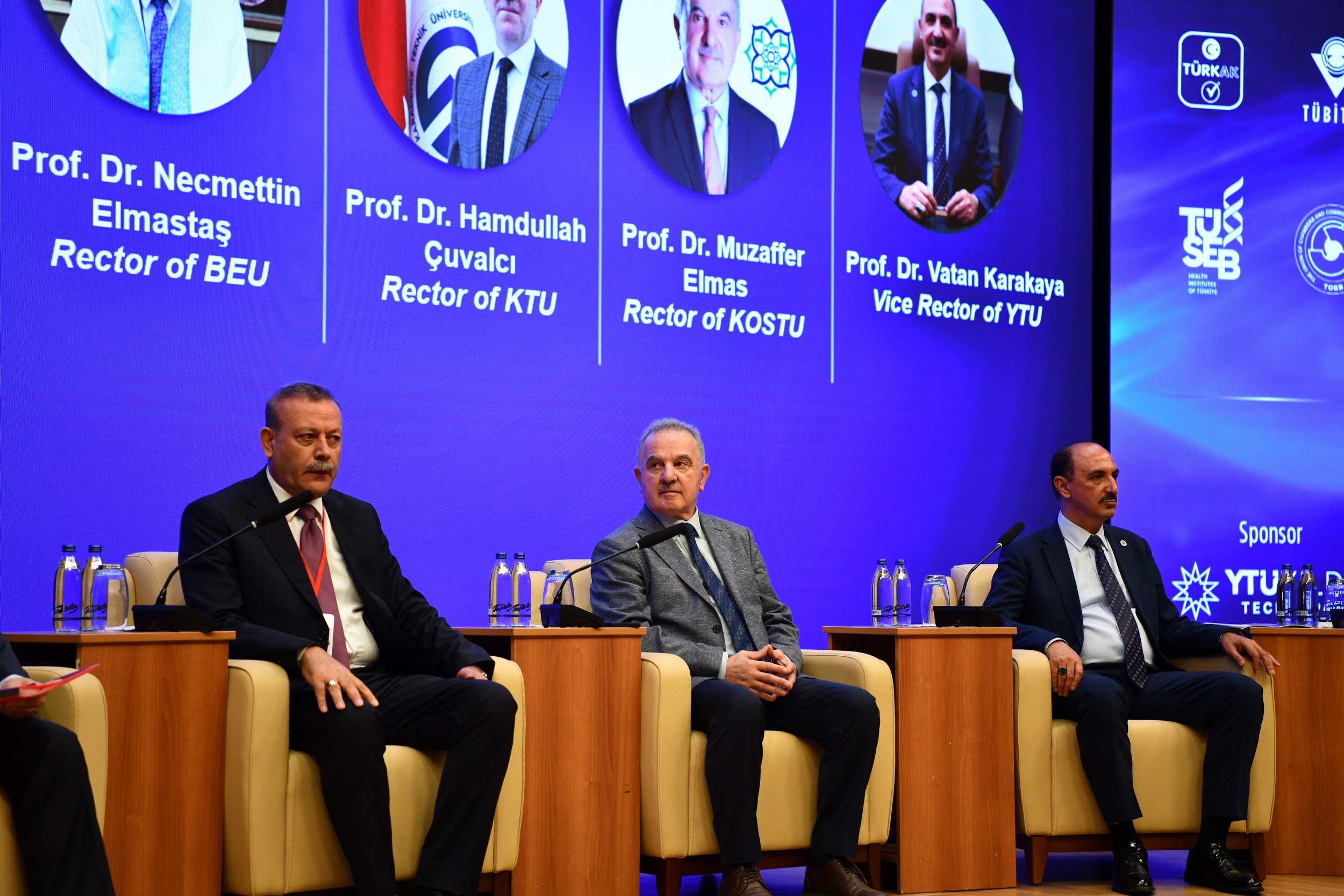
In his speech, YTU Acting Rector Prof. Vatan Karakaya stated that with artificial intelligence becoming capable of interpreting data rapidly, humans and machines have entered a new dimension of debate and competition. Expressing that higher education institutions and quality commissions must quickly determine their positions in this new process, Karakaya shared details with participants regarding the Integrated Quality Management System implemented by the university to adapt to the age of artificial intelligence, as well as the innovative IT systems they will establish.
Karakaya also introduced the projects “YTU Publishing,” established as an alternative to global companies in international publishing, and “YTU Certification Hub,” aimed at developing international standards.
Over 1,000 participants and 259 papers
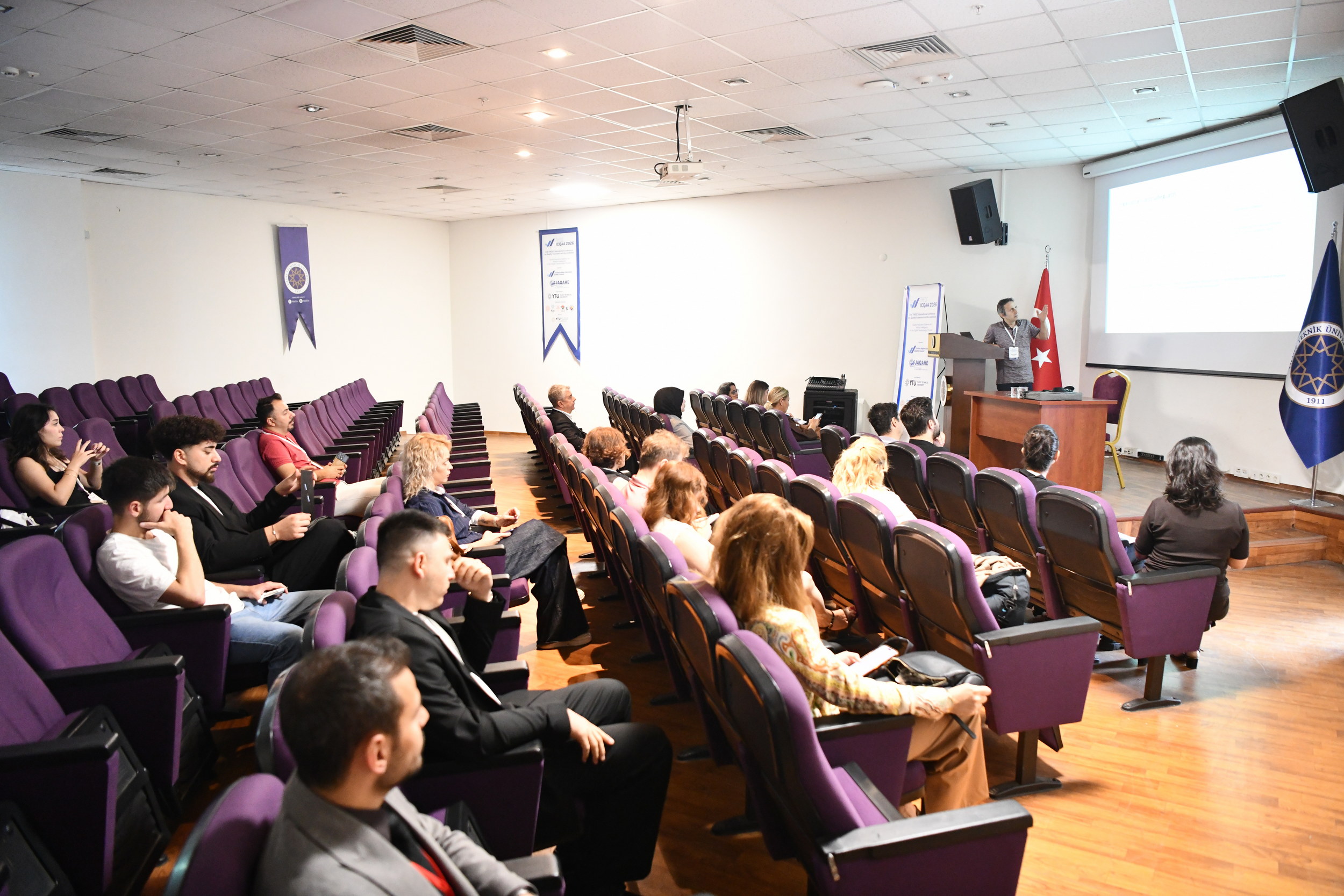
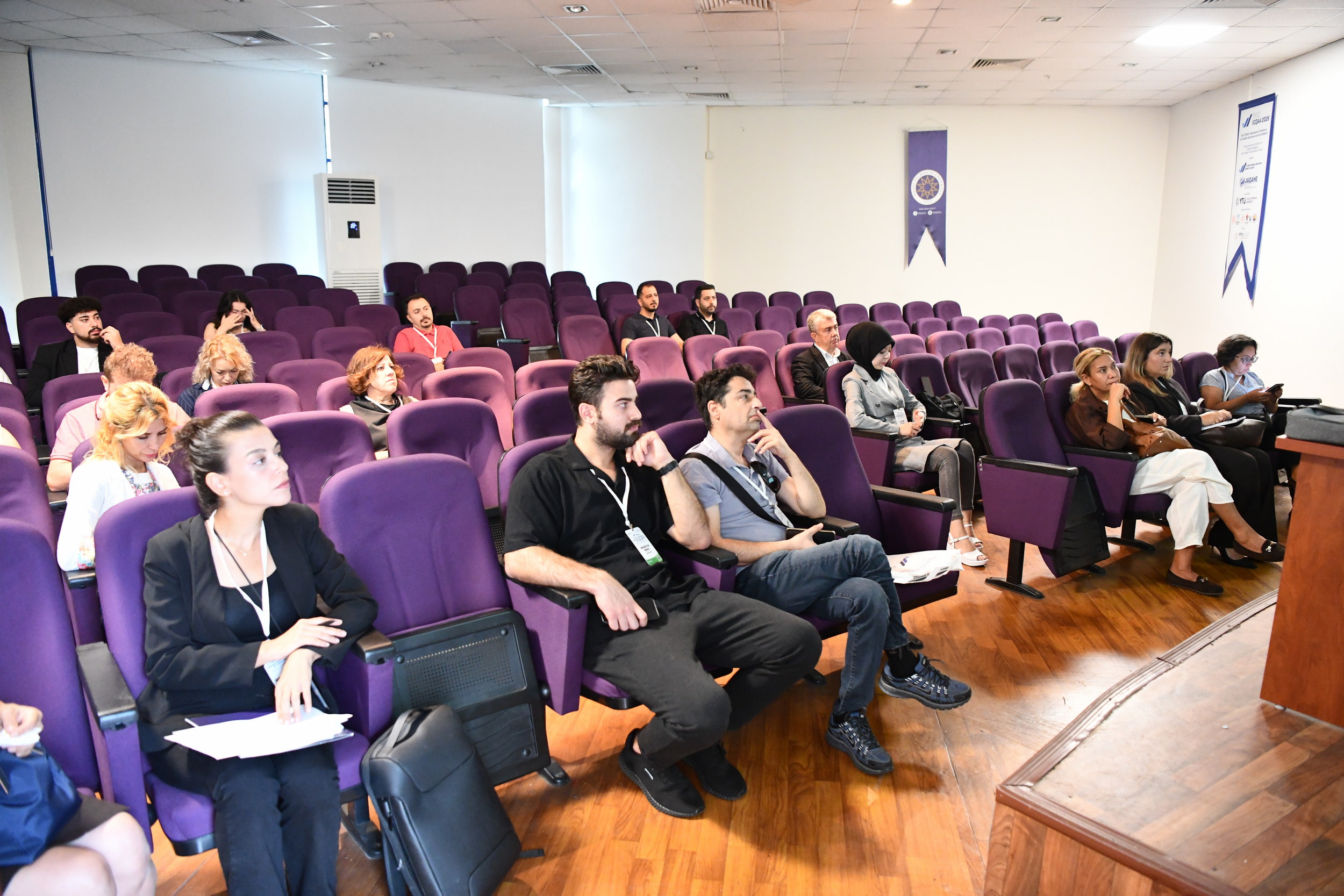
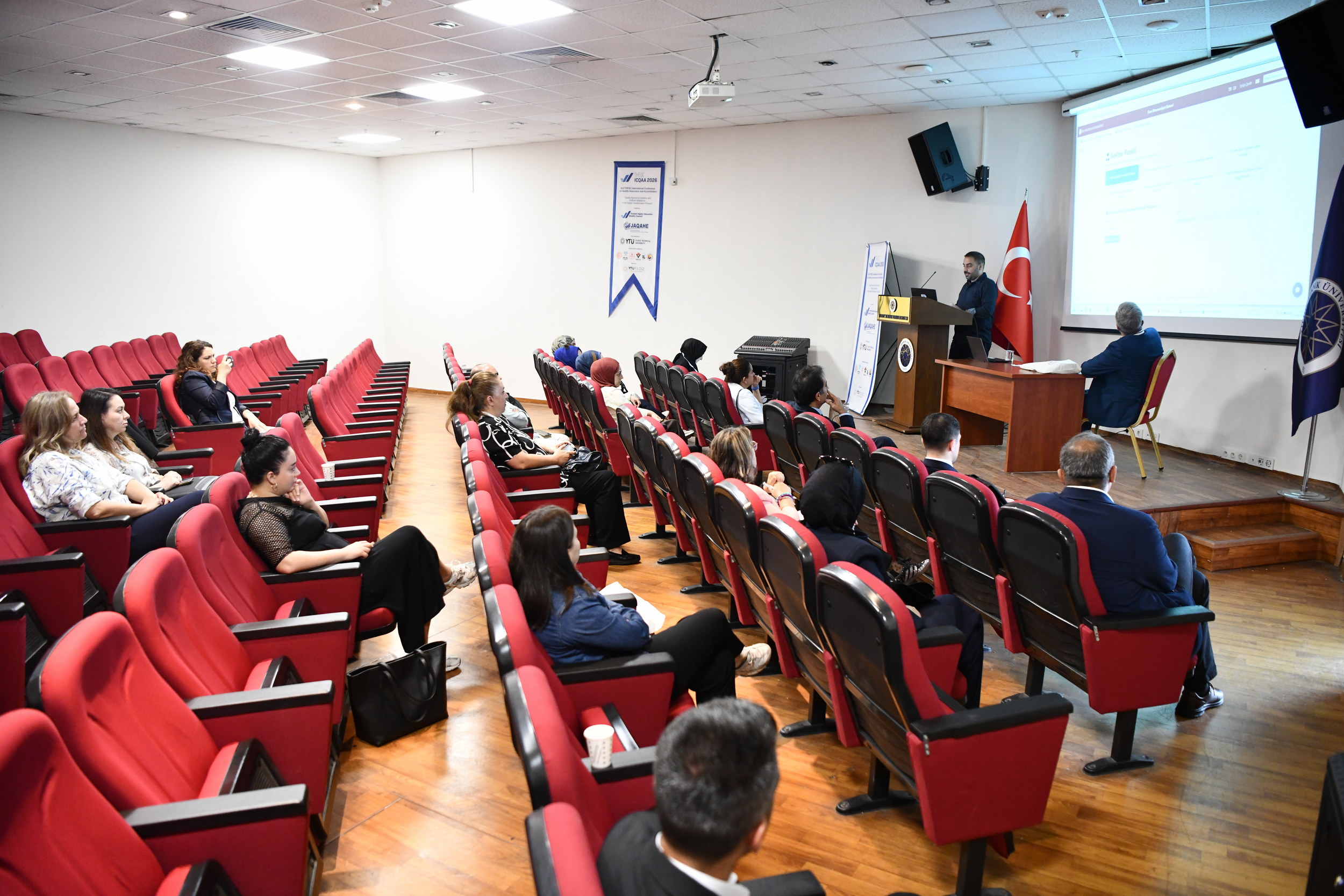
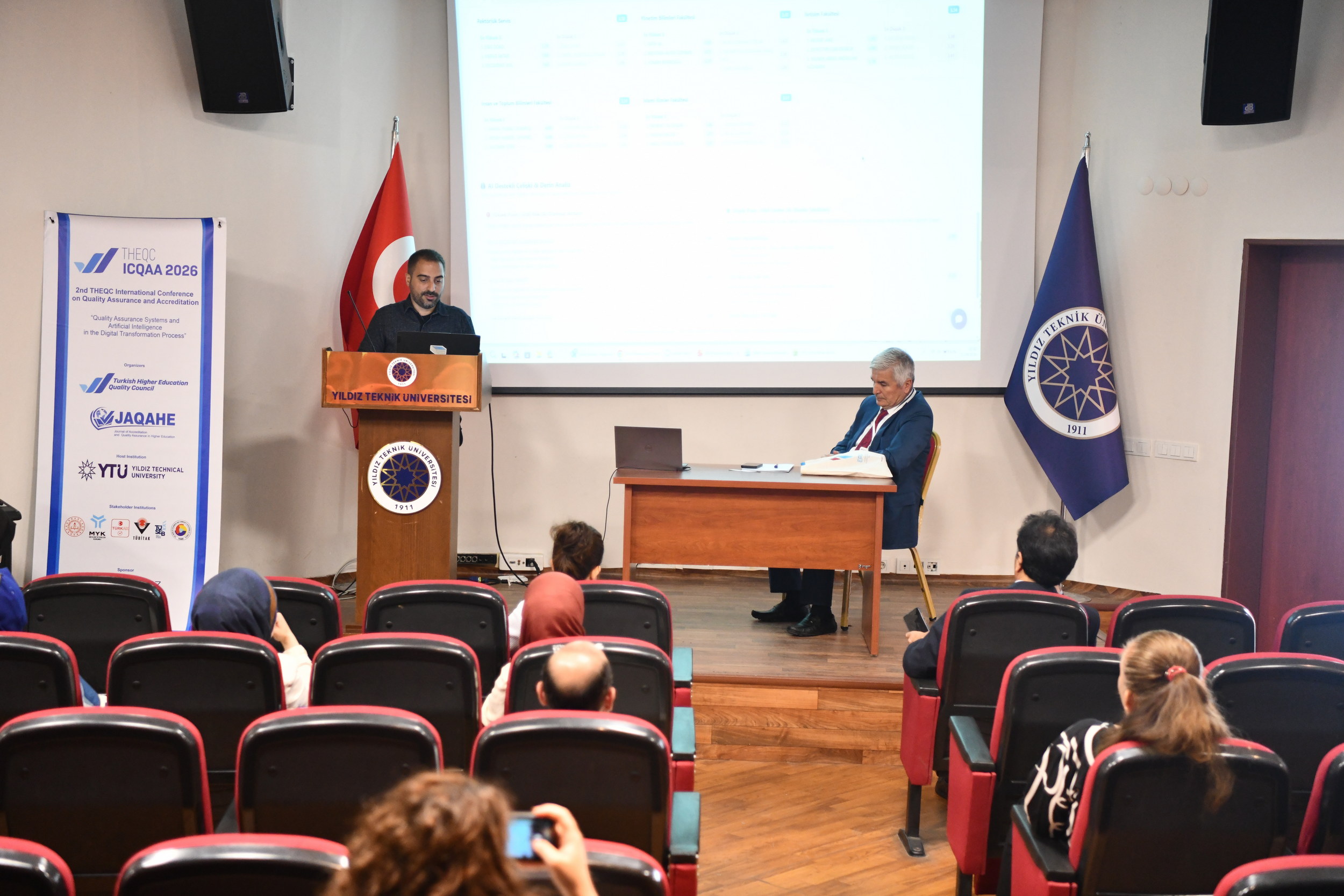
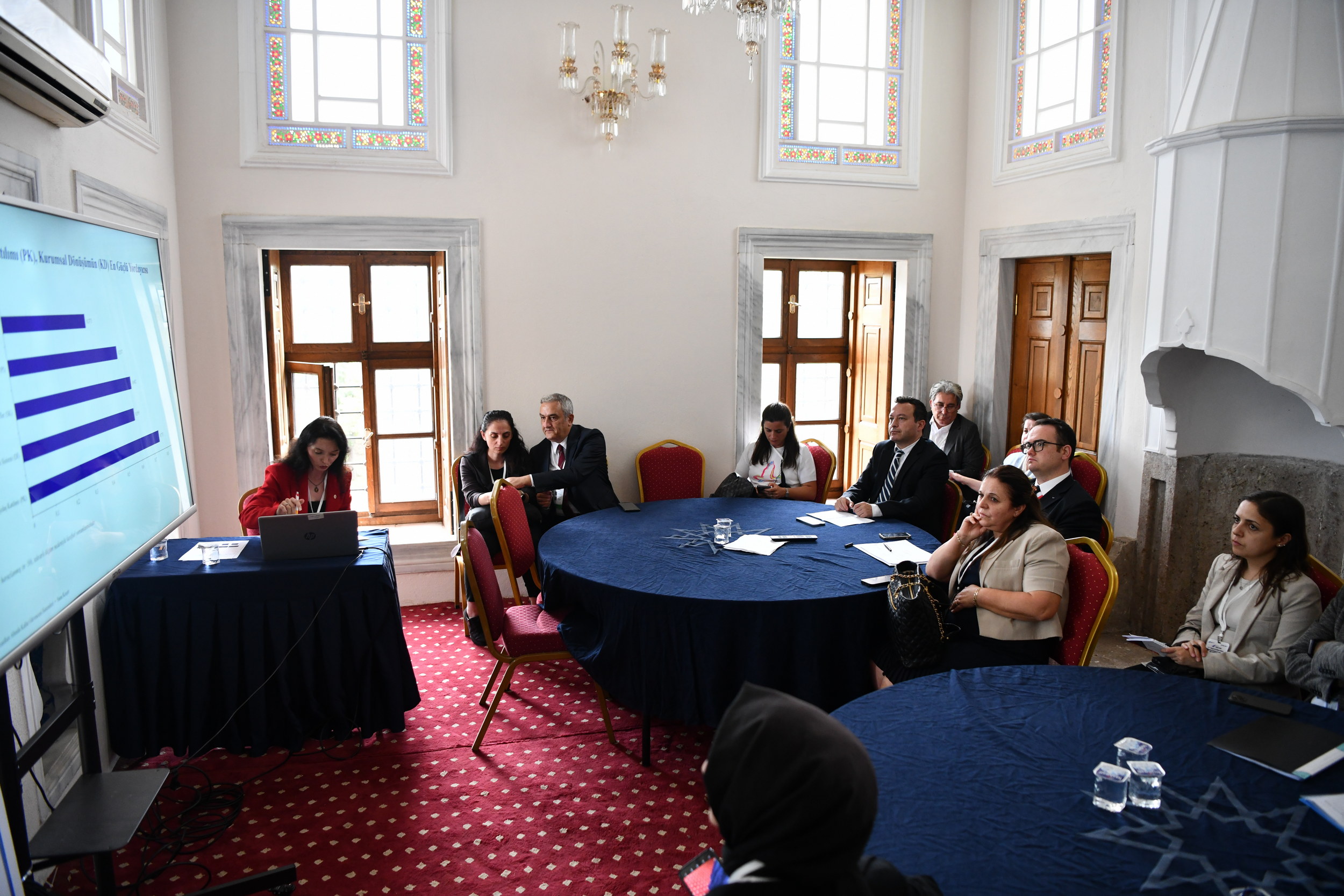
Prof. Ramazan Bayındır, Conference Organising Committee Chair and THEQC Vice President, reported that out of 316 submitted papers, 259 were accepted, and across two days, parallel sessions in 6 separate halls, 4 keynote speeches, and 9 panels were conducted.
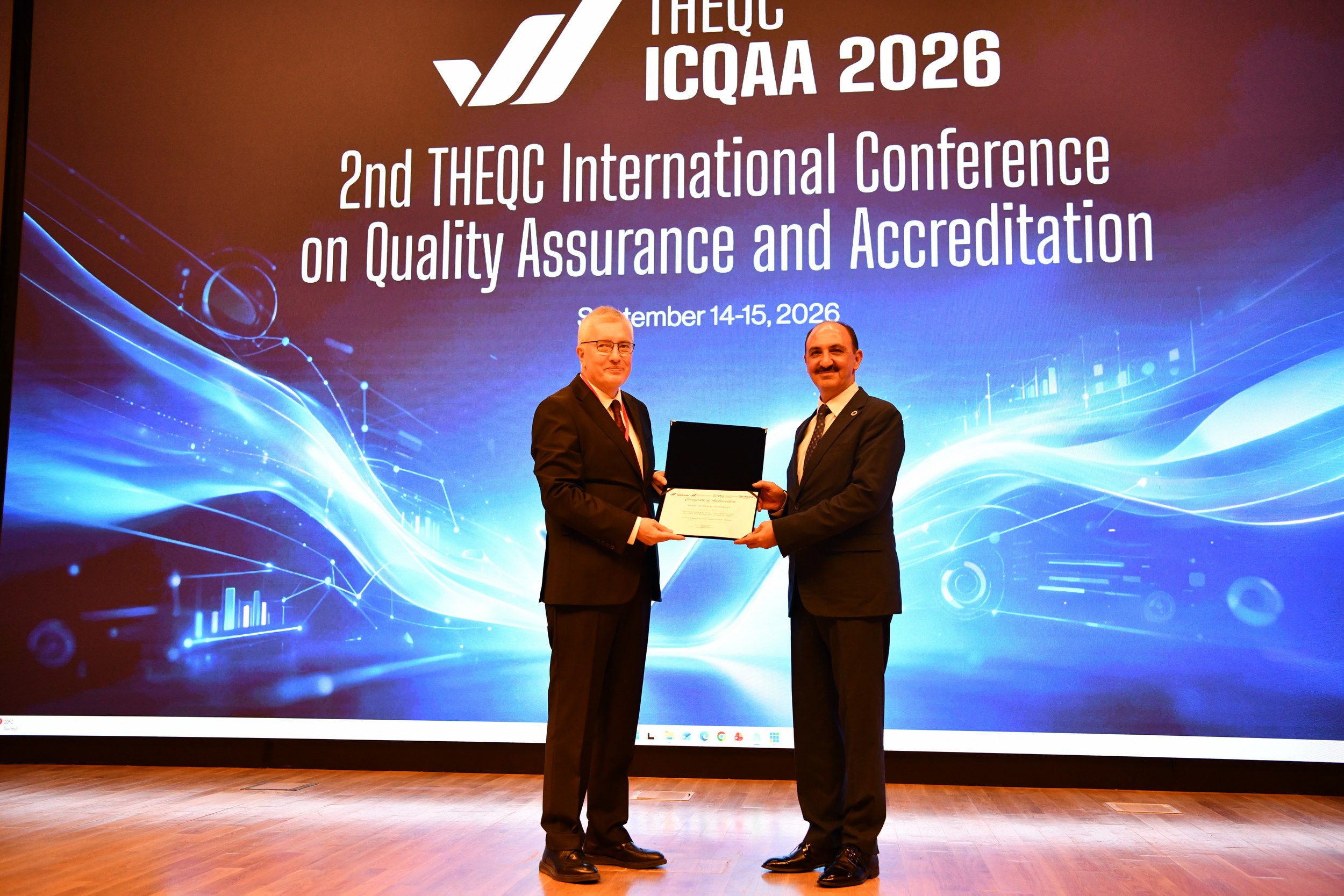
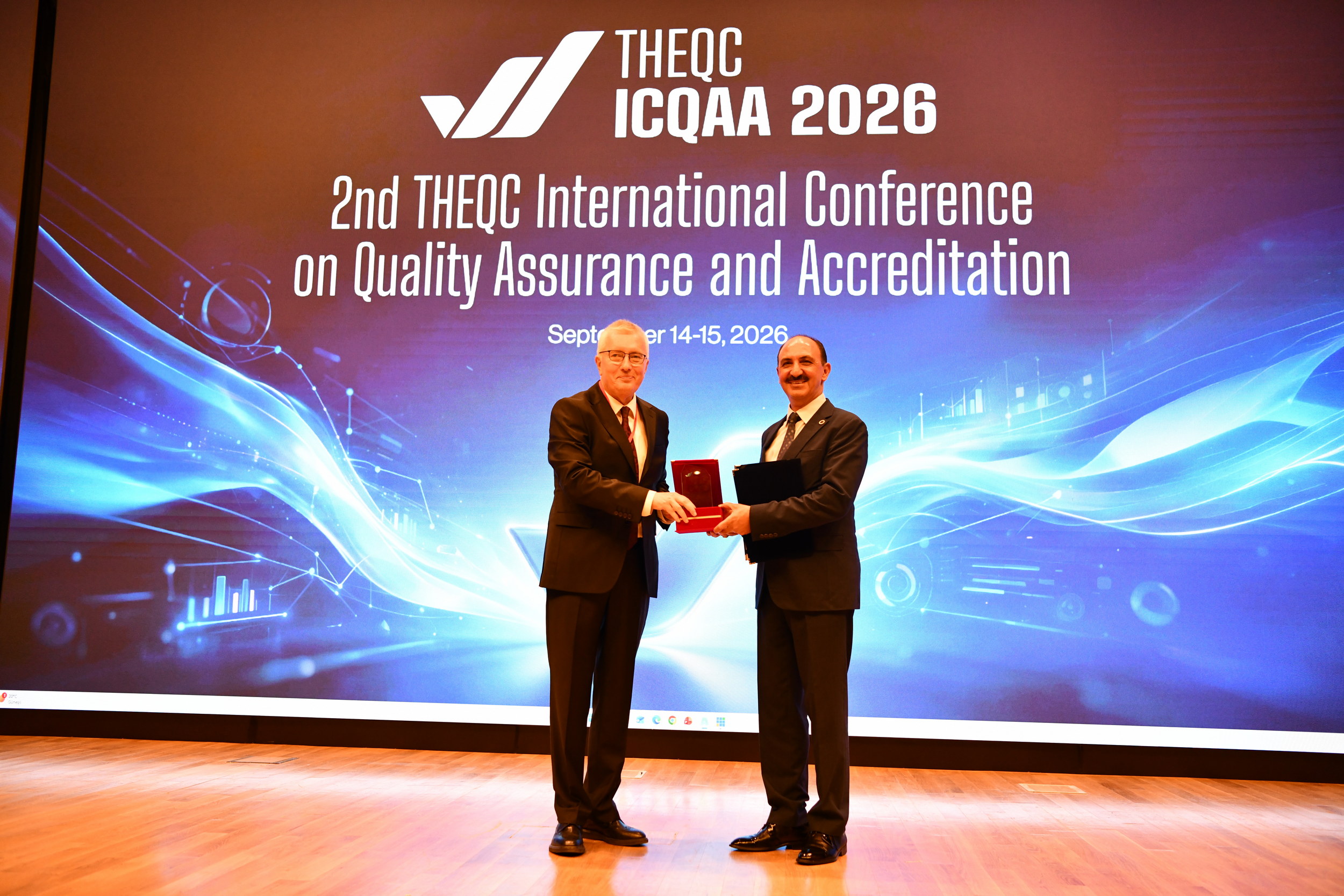
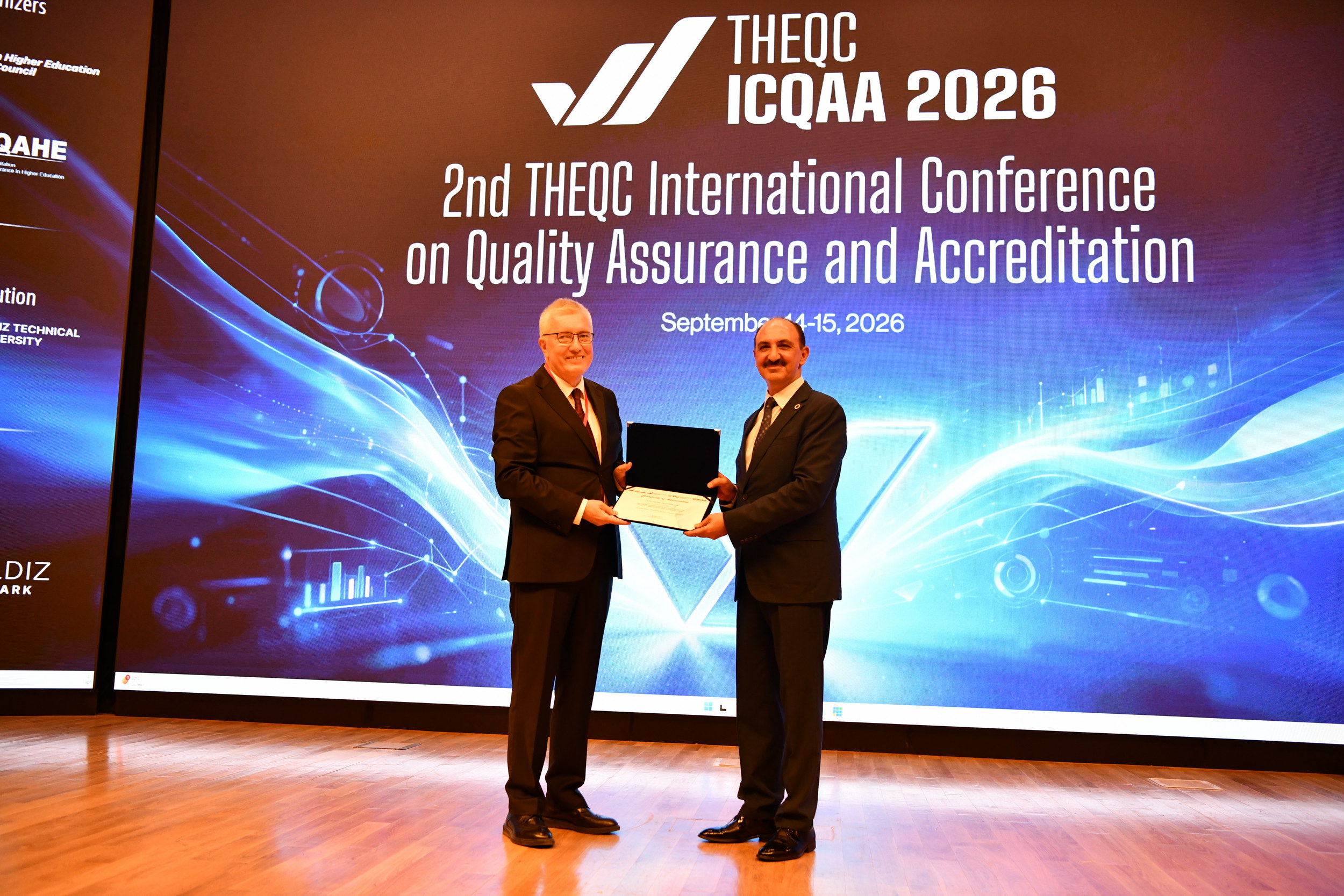
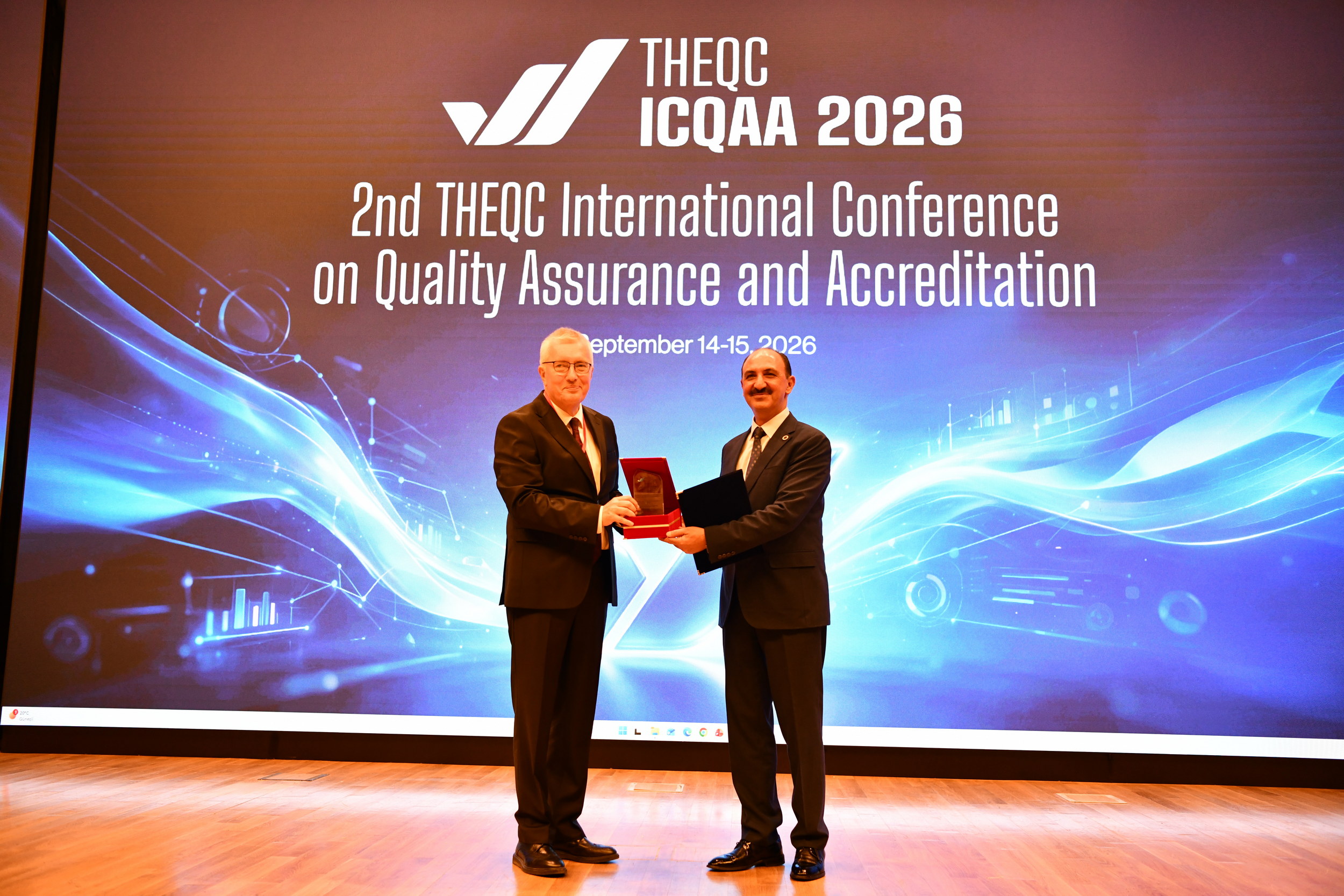
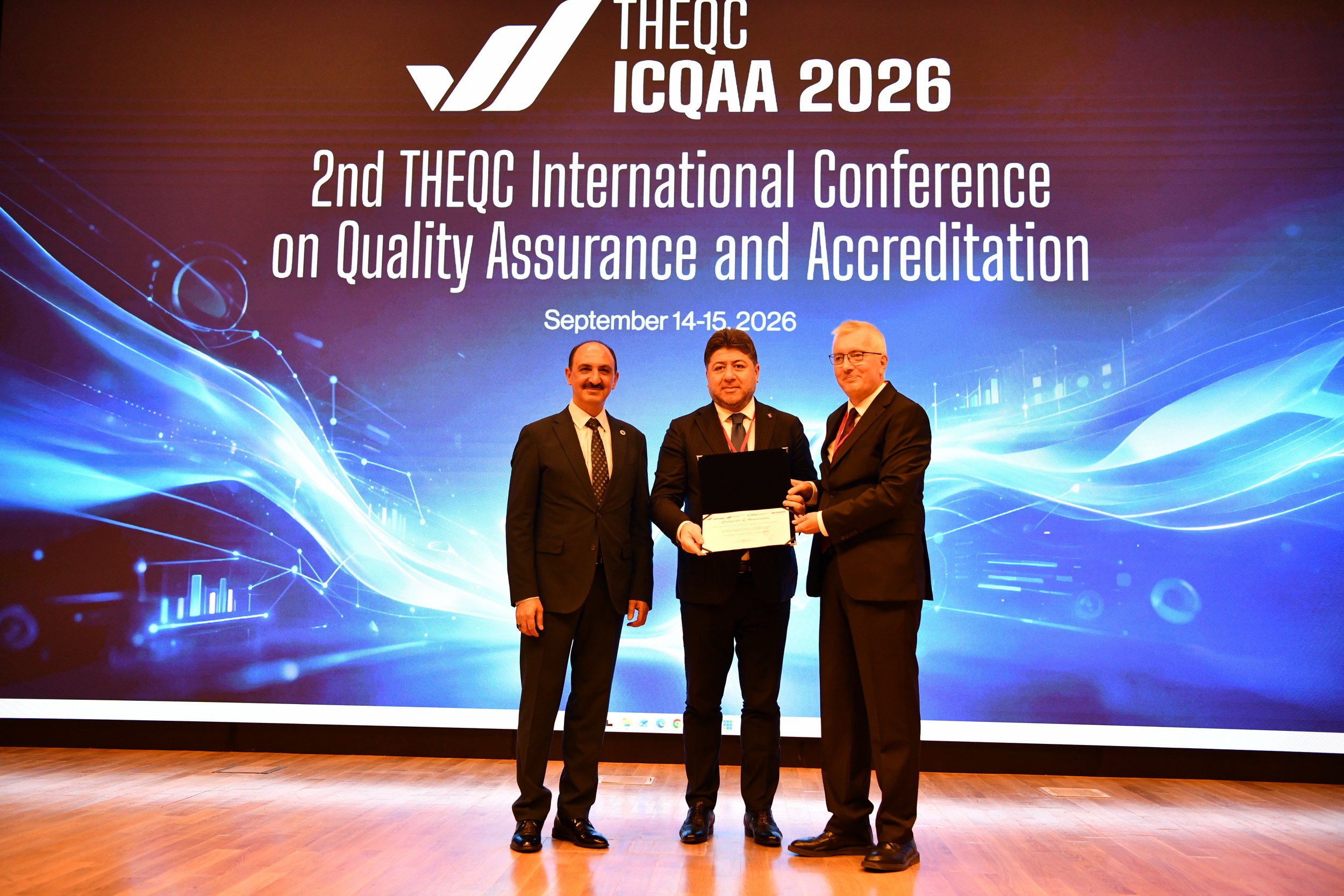
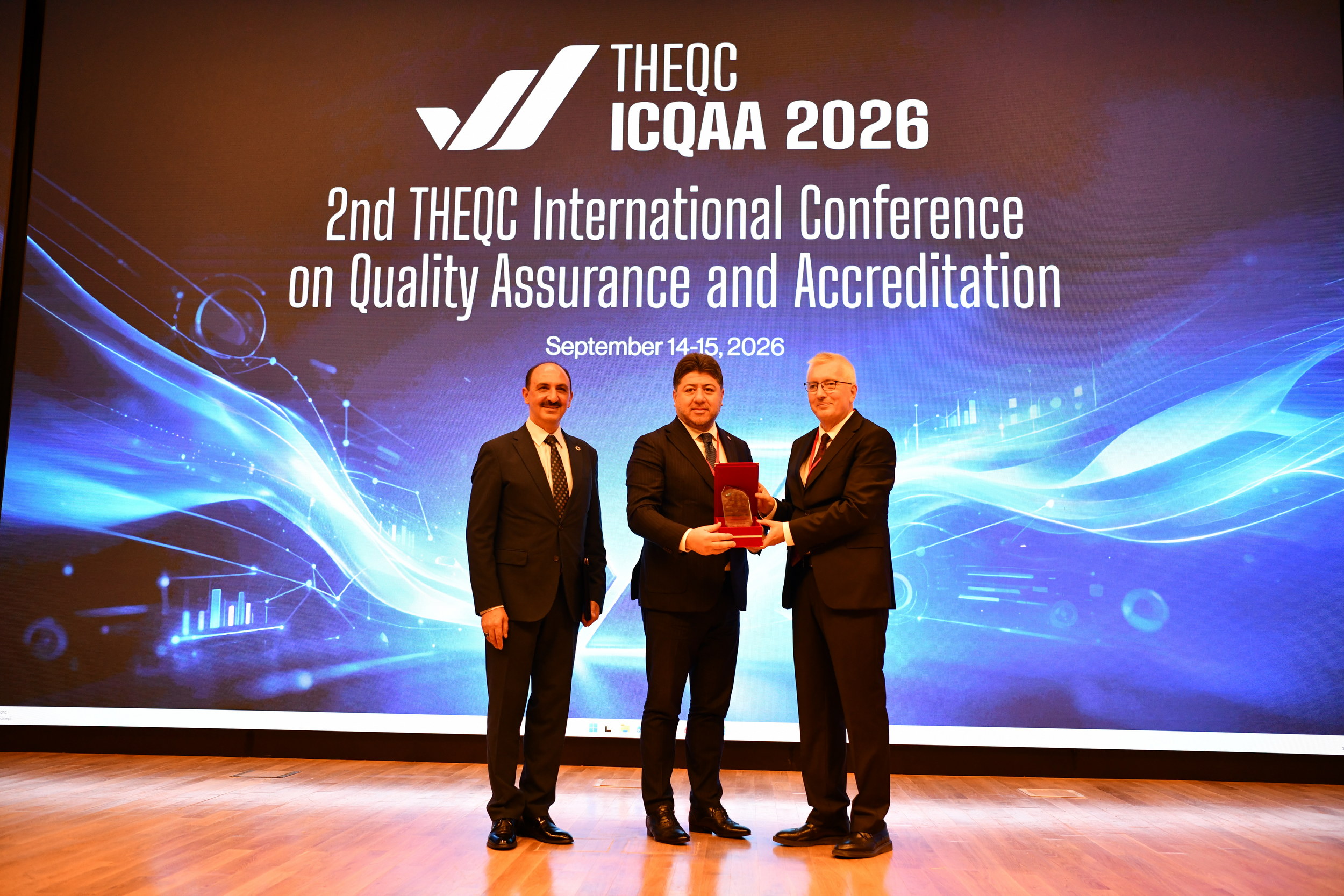
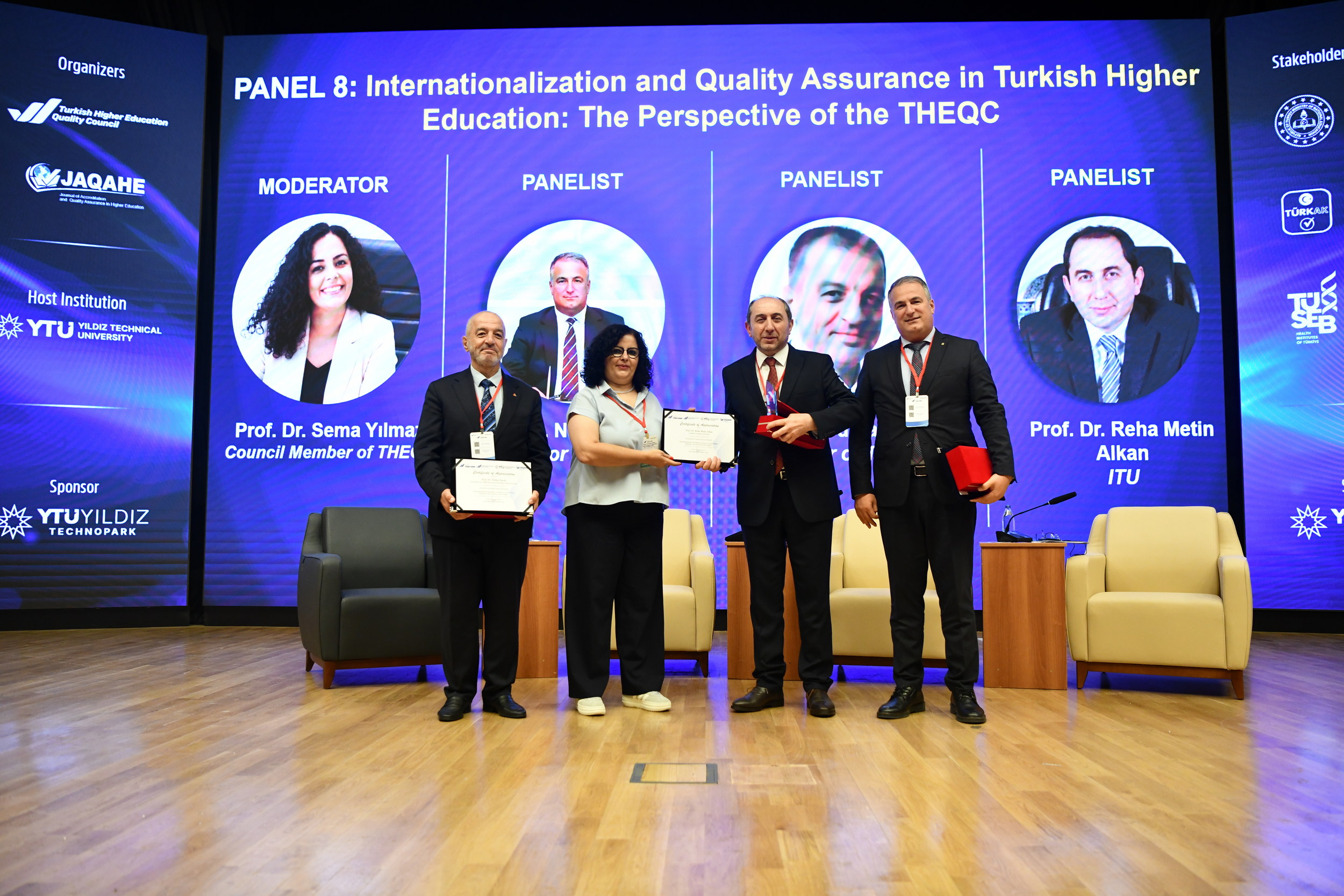
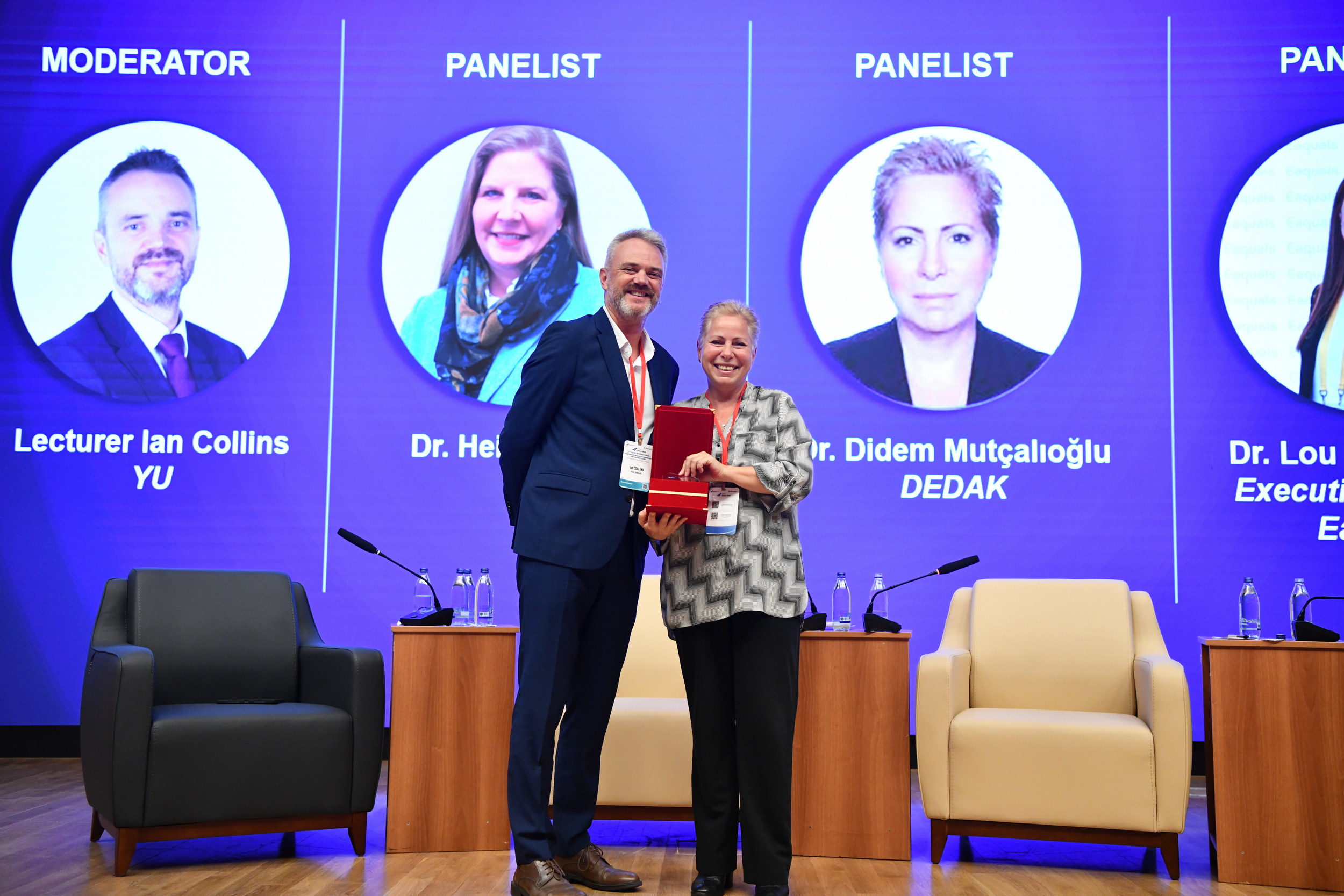
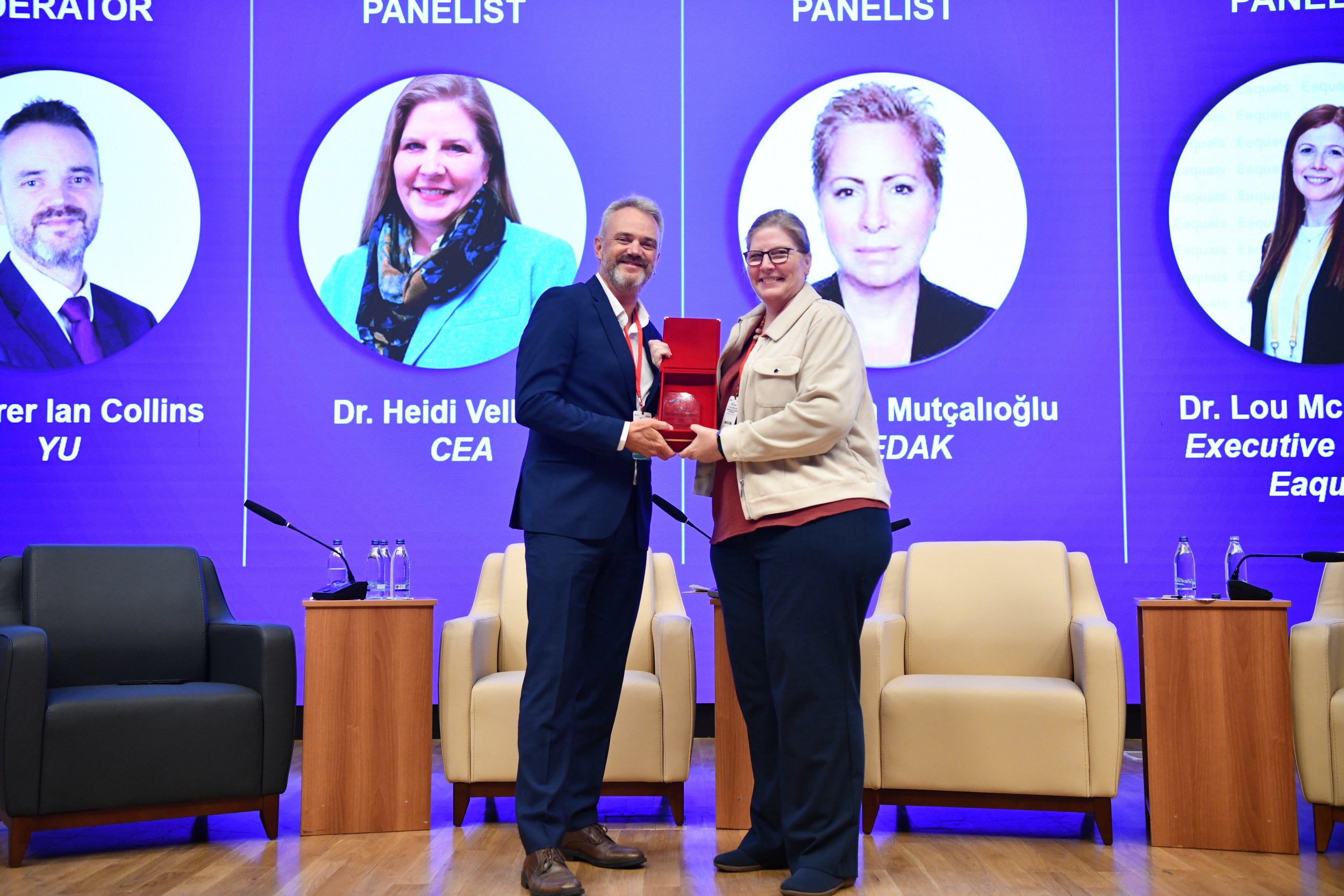
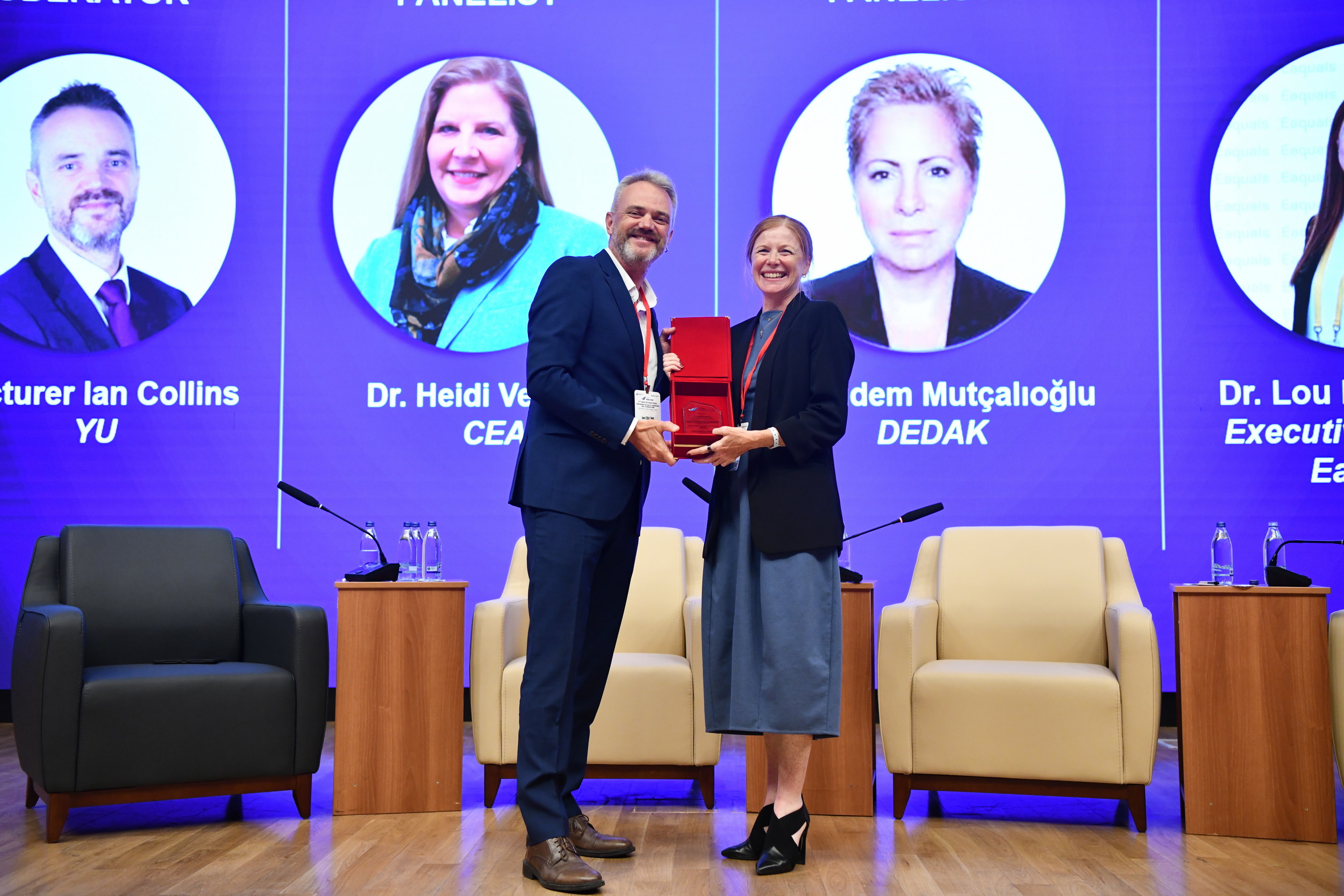
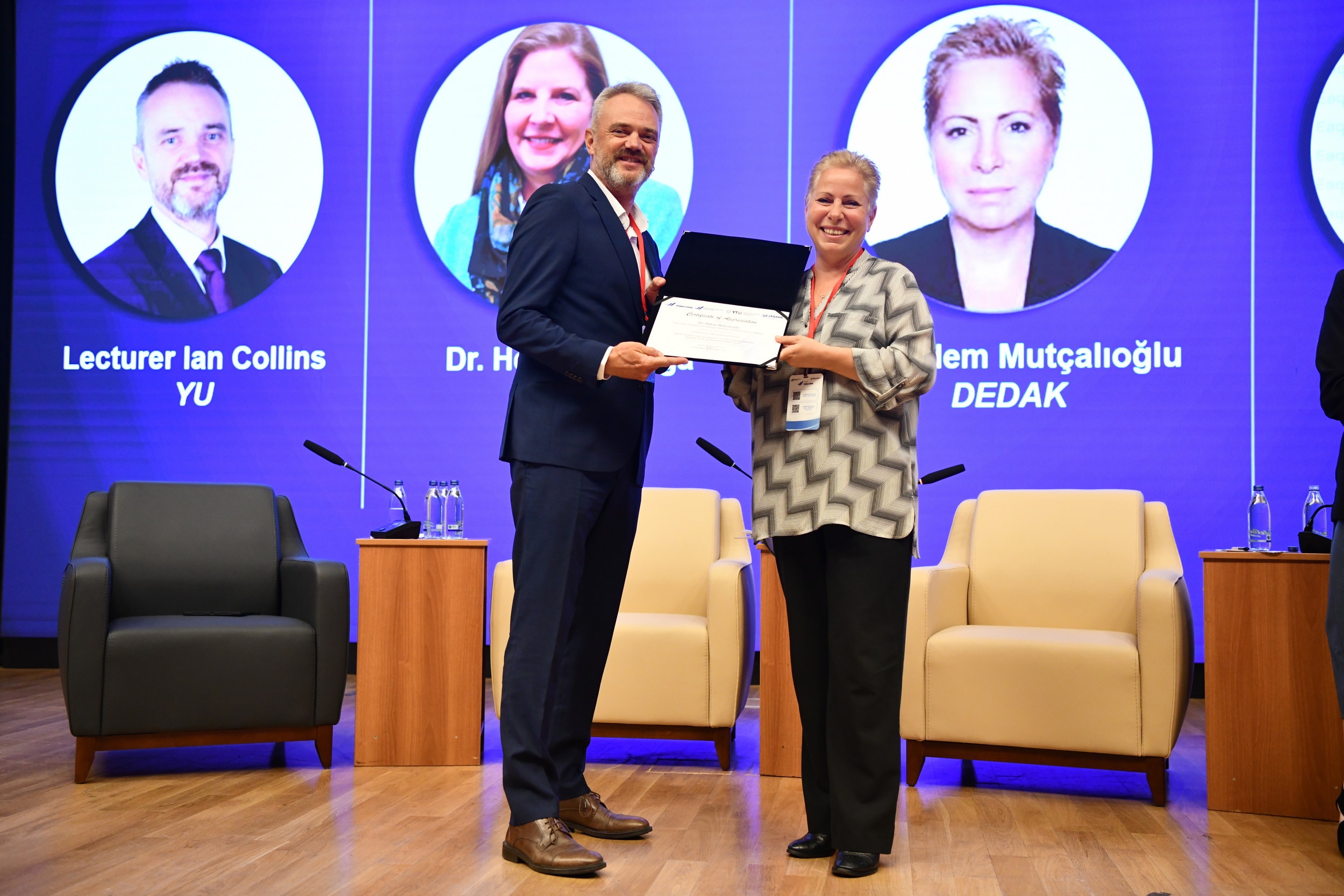
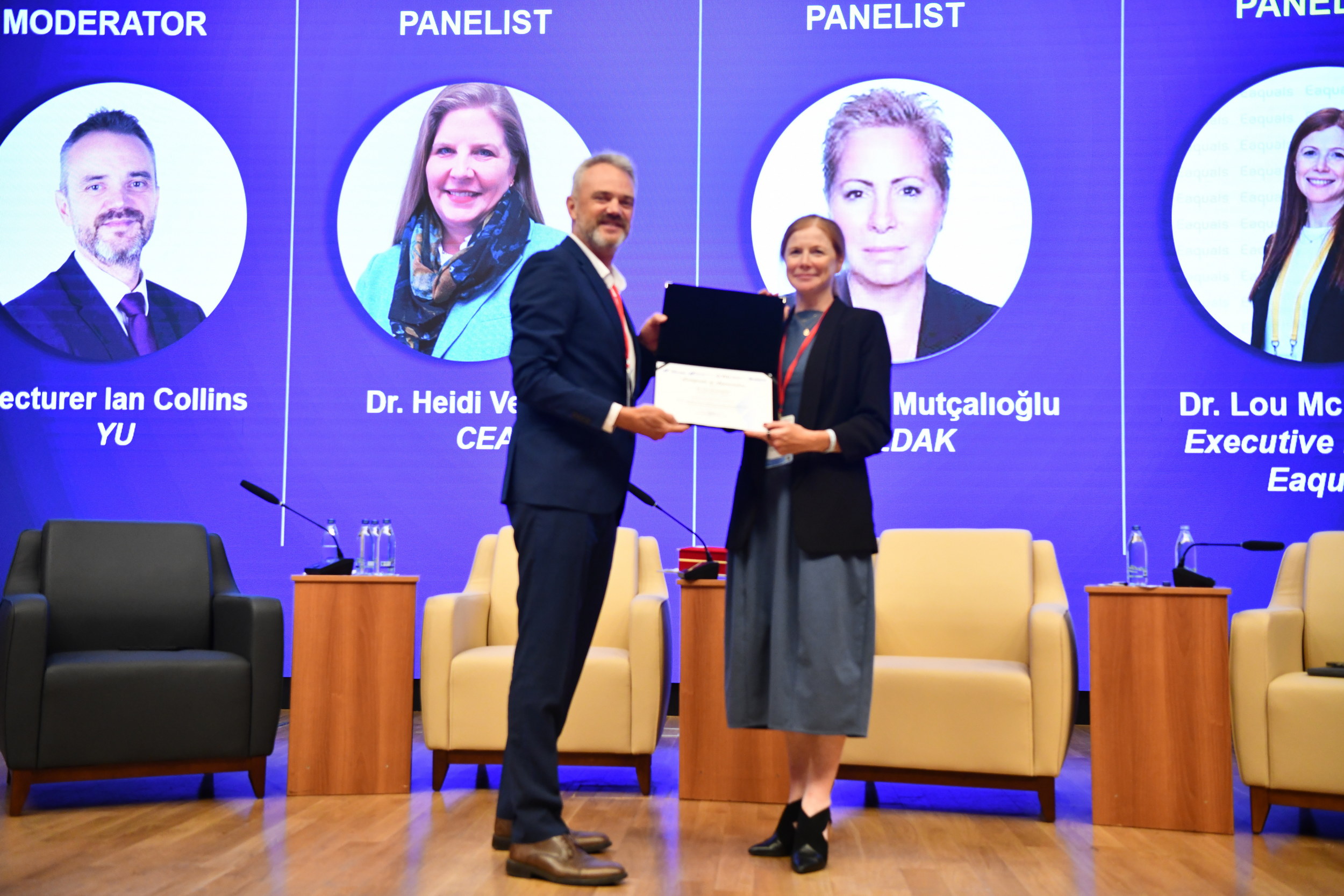
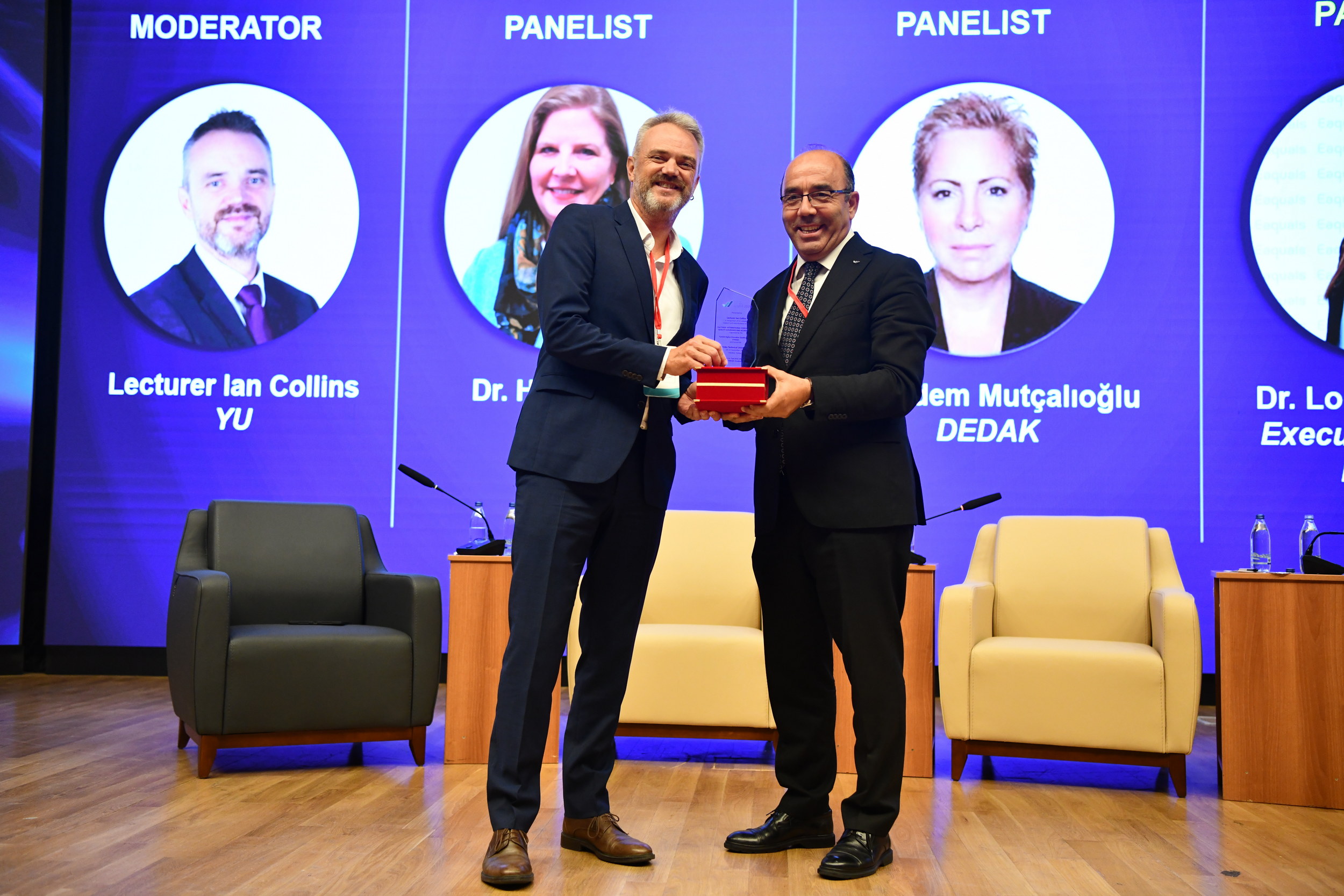
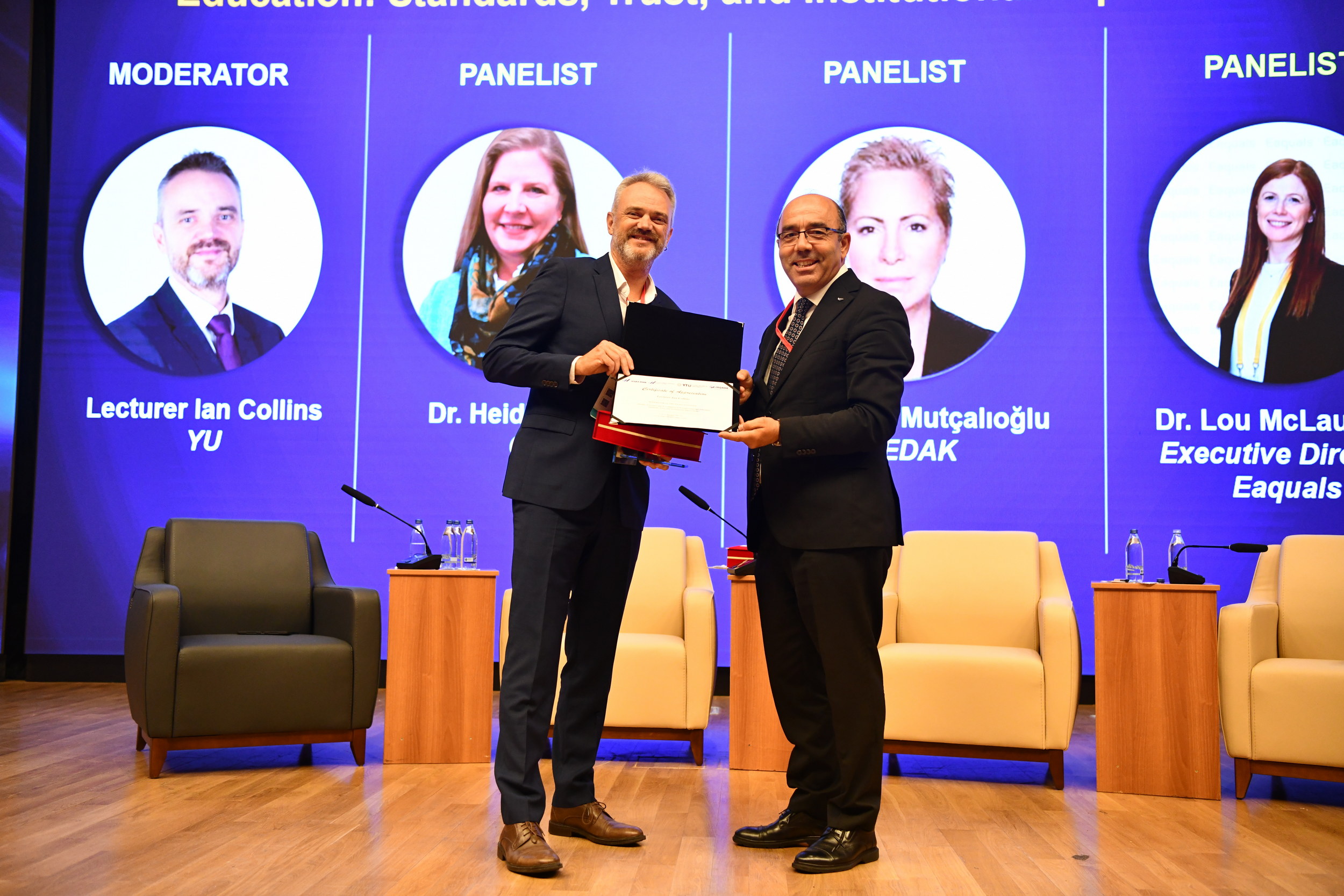
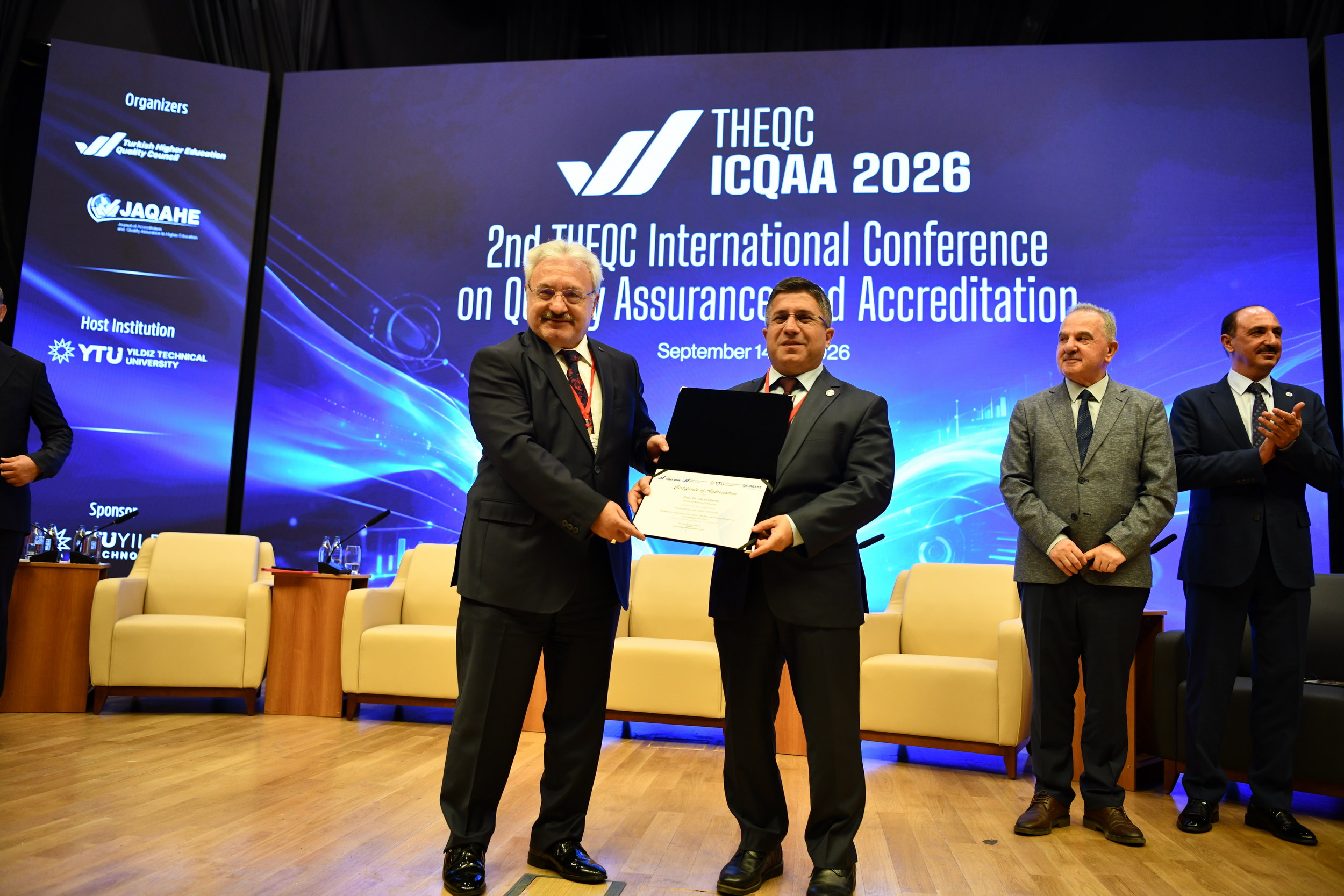
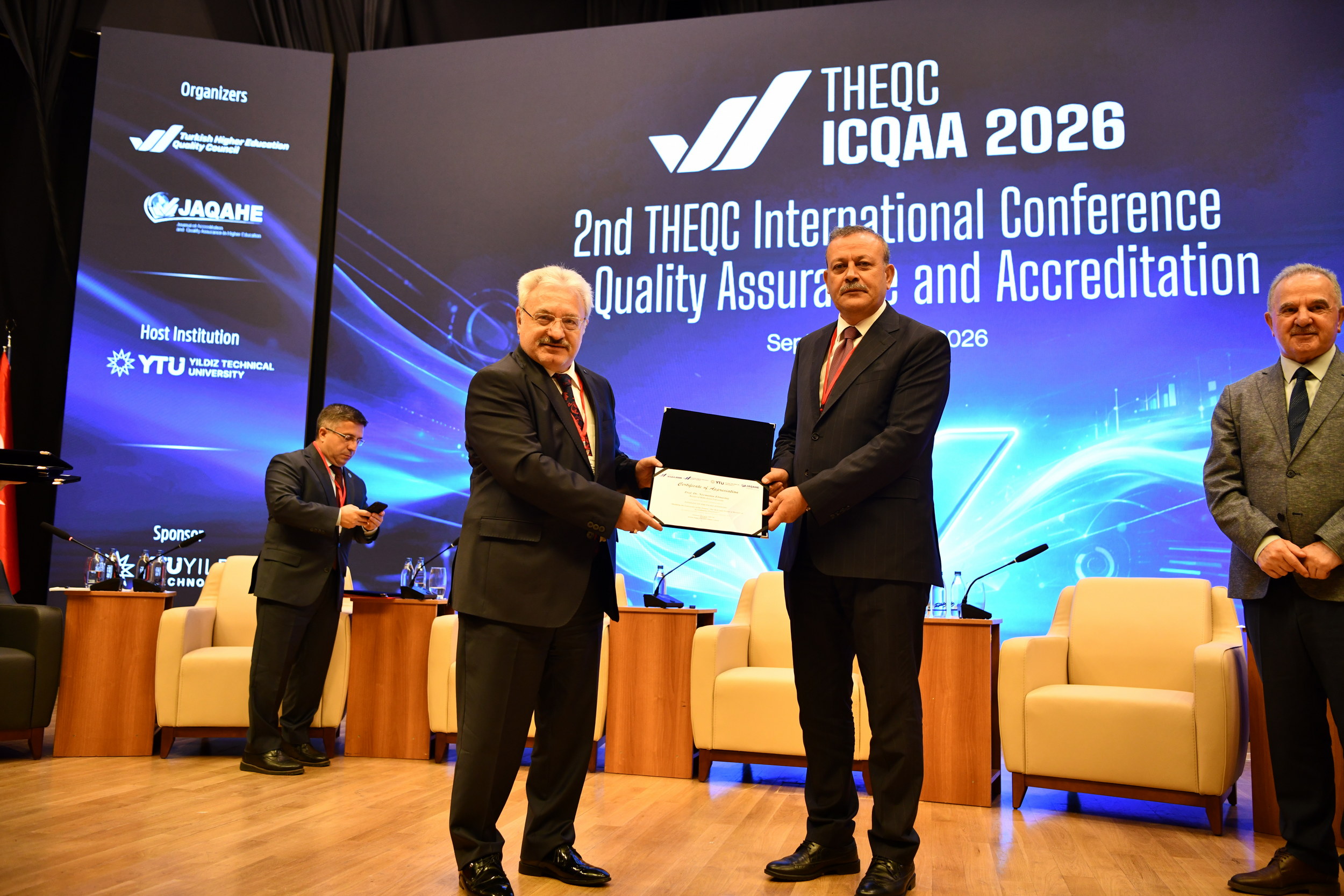
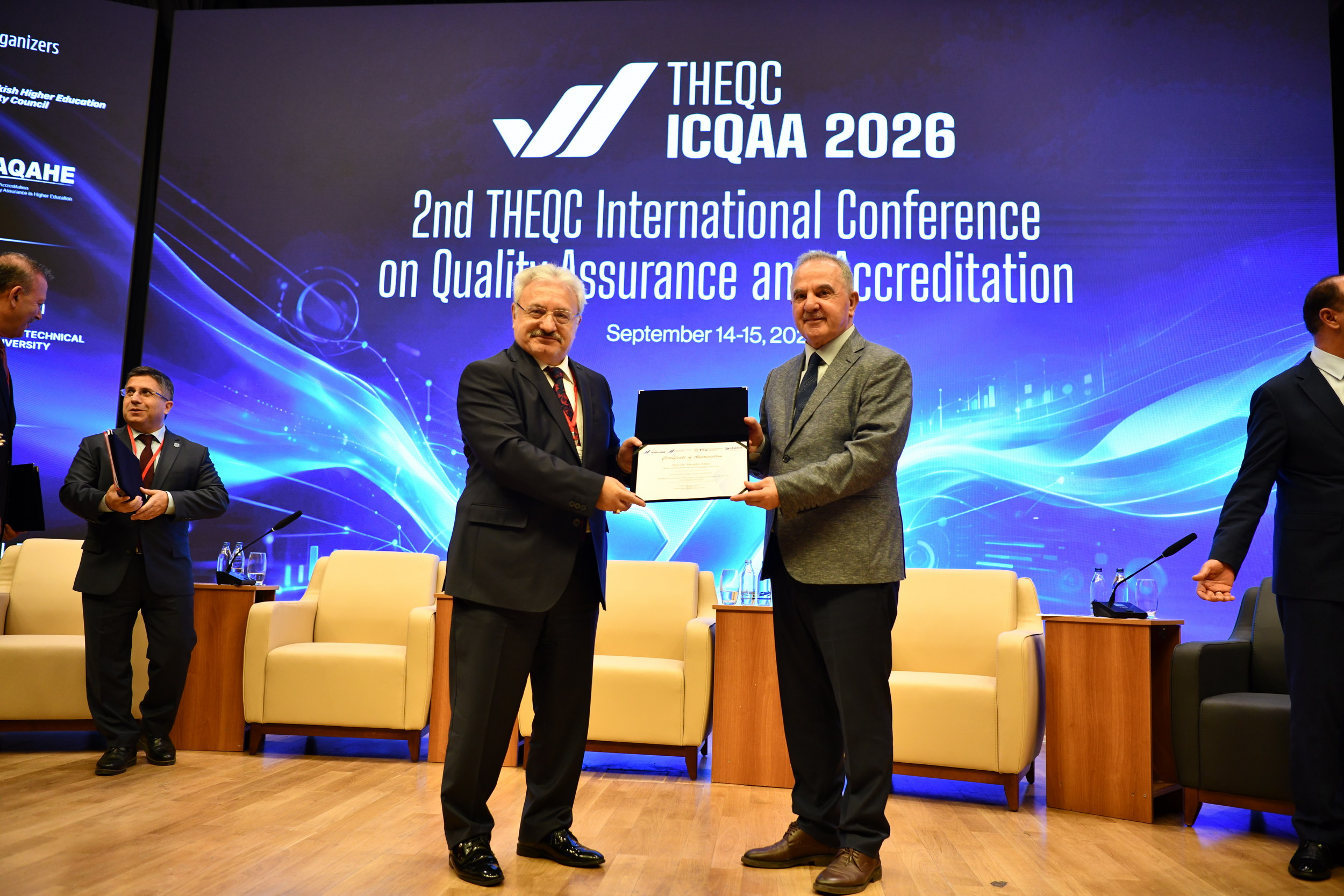
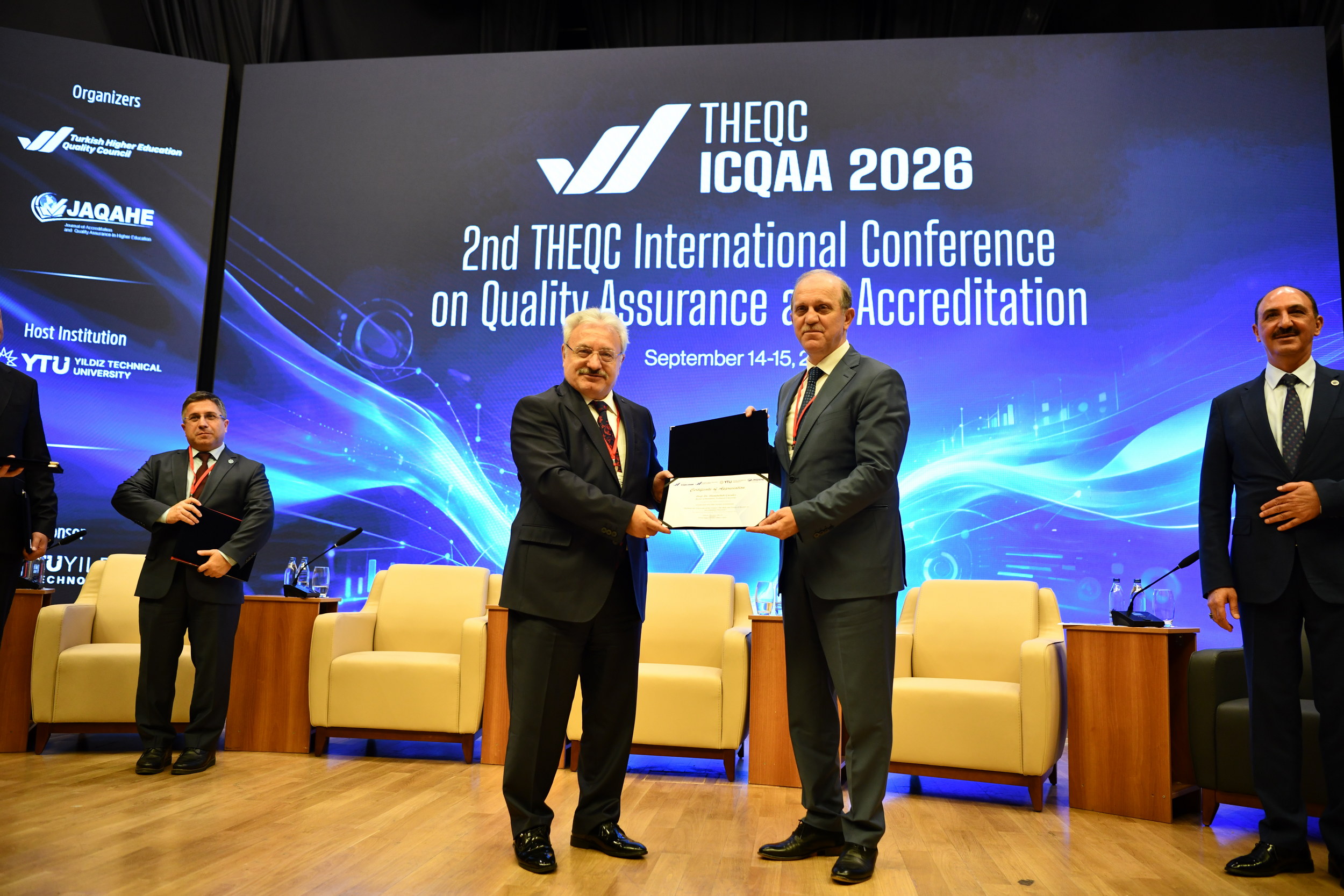
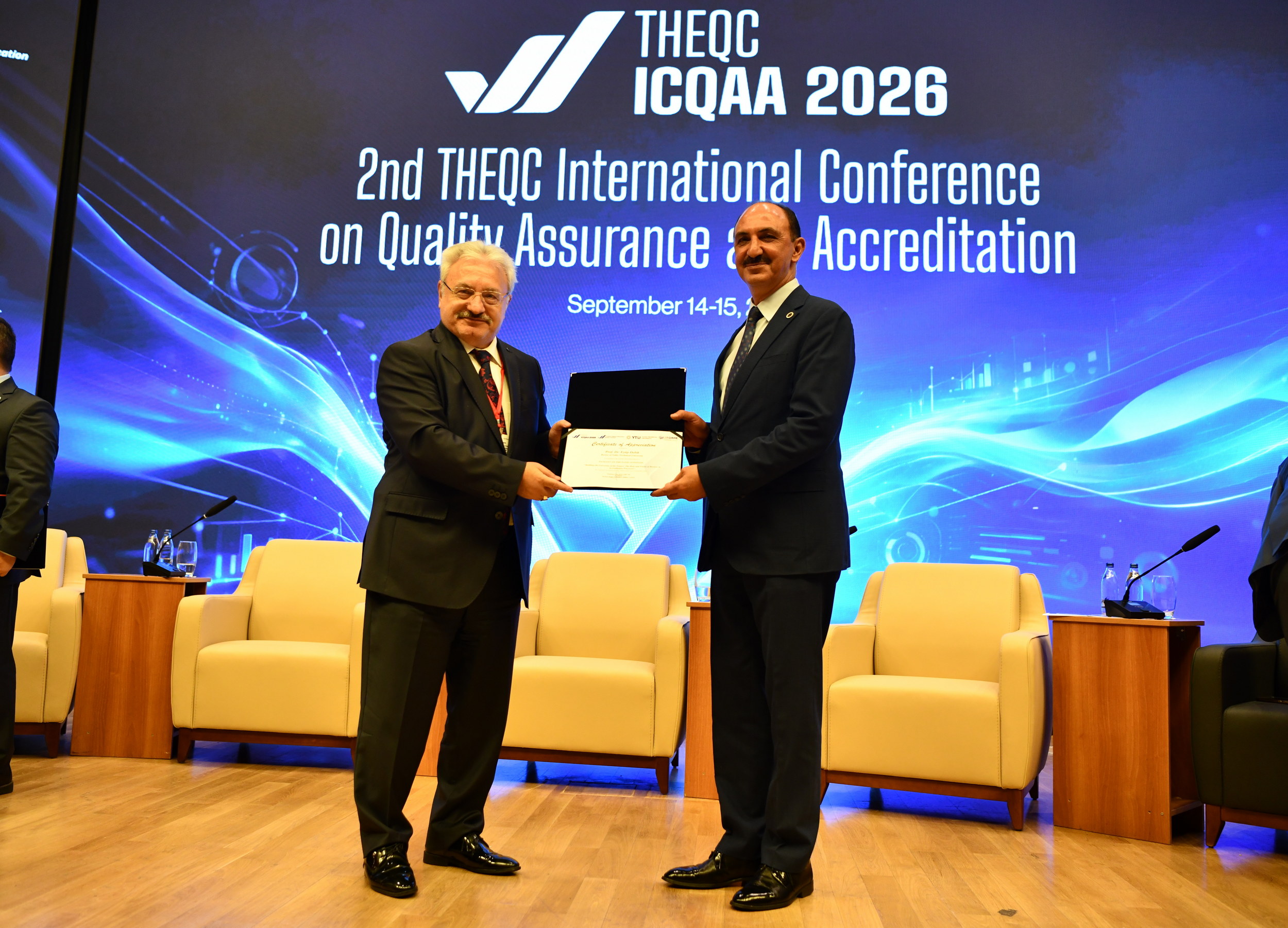
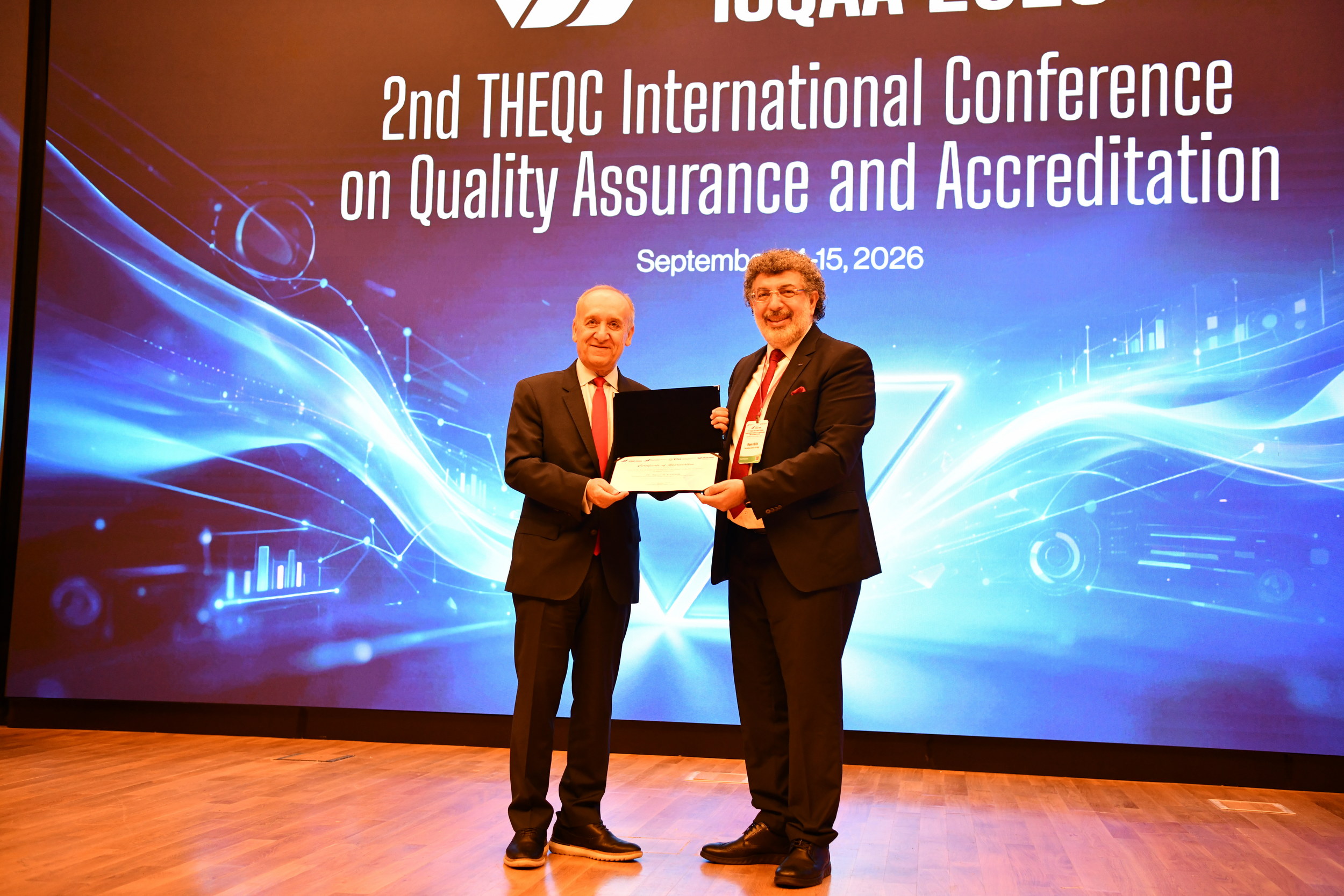
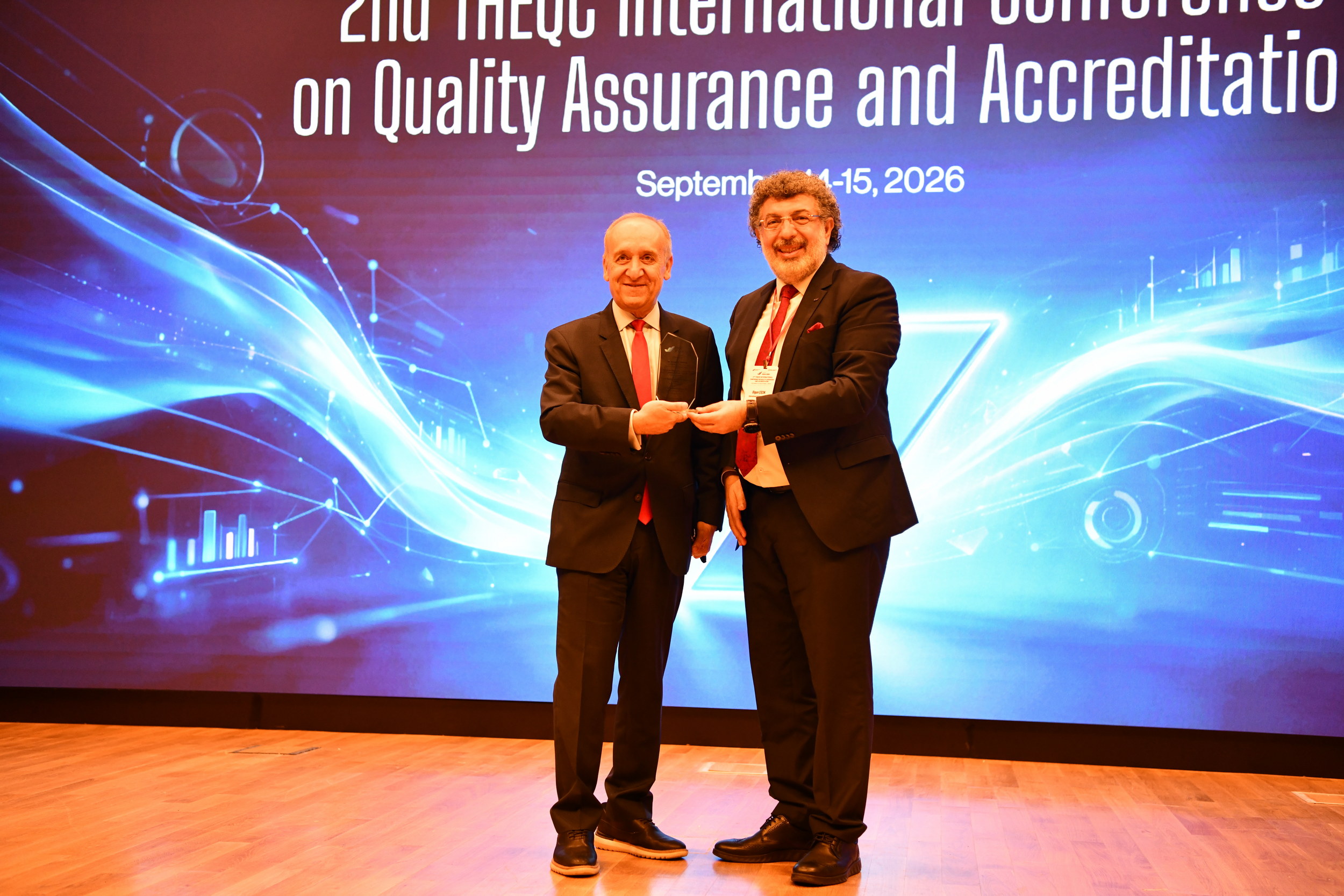
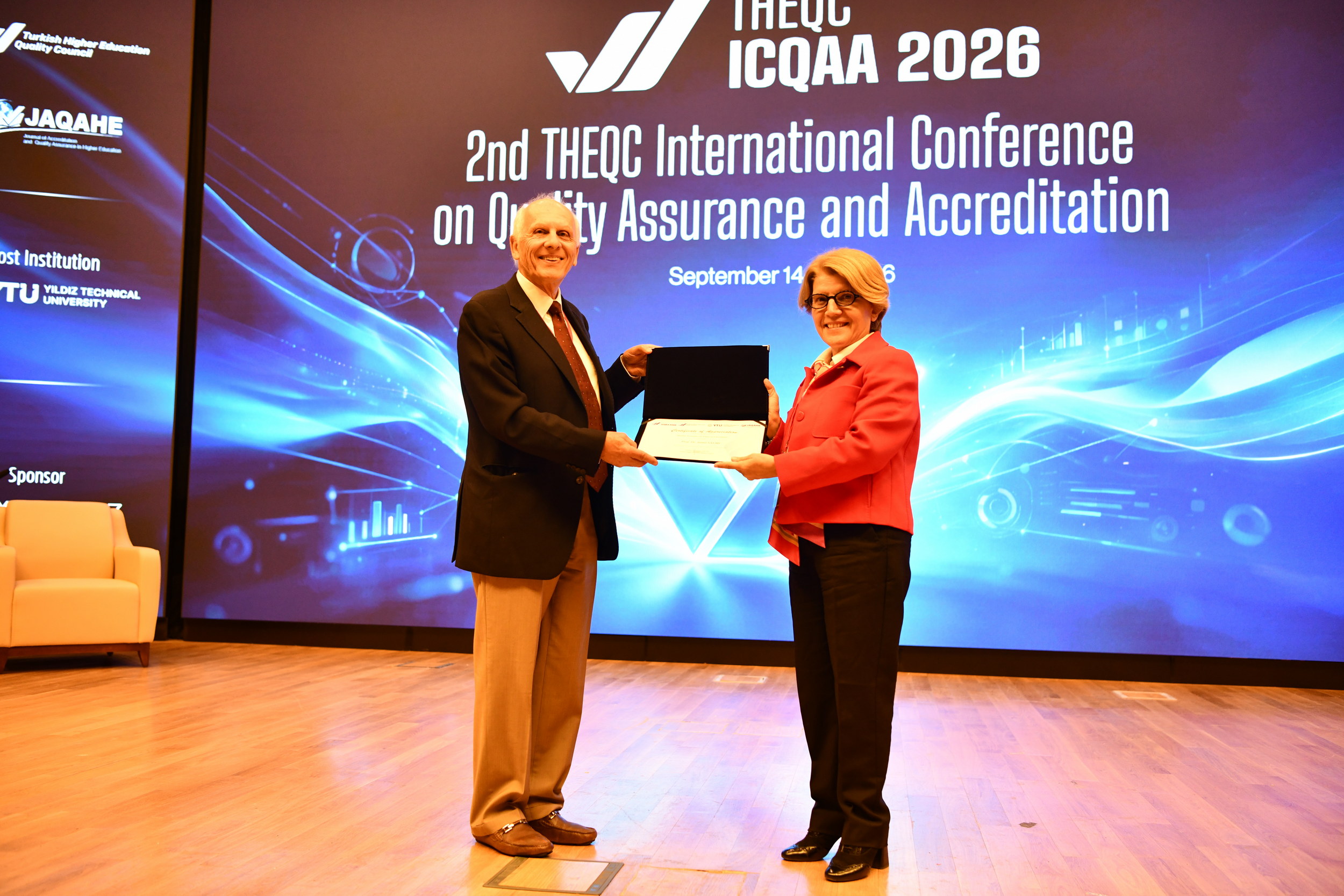
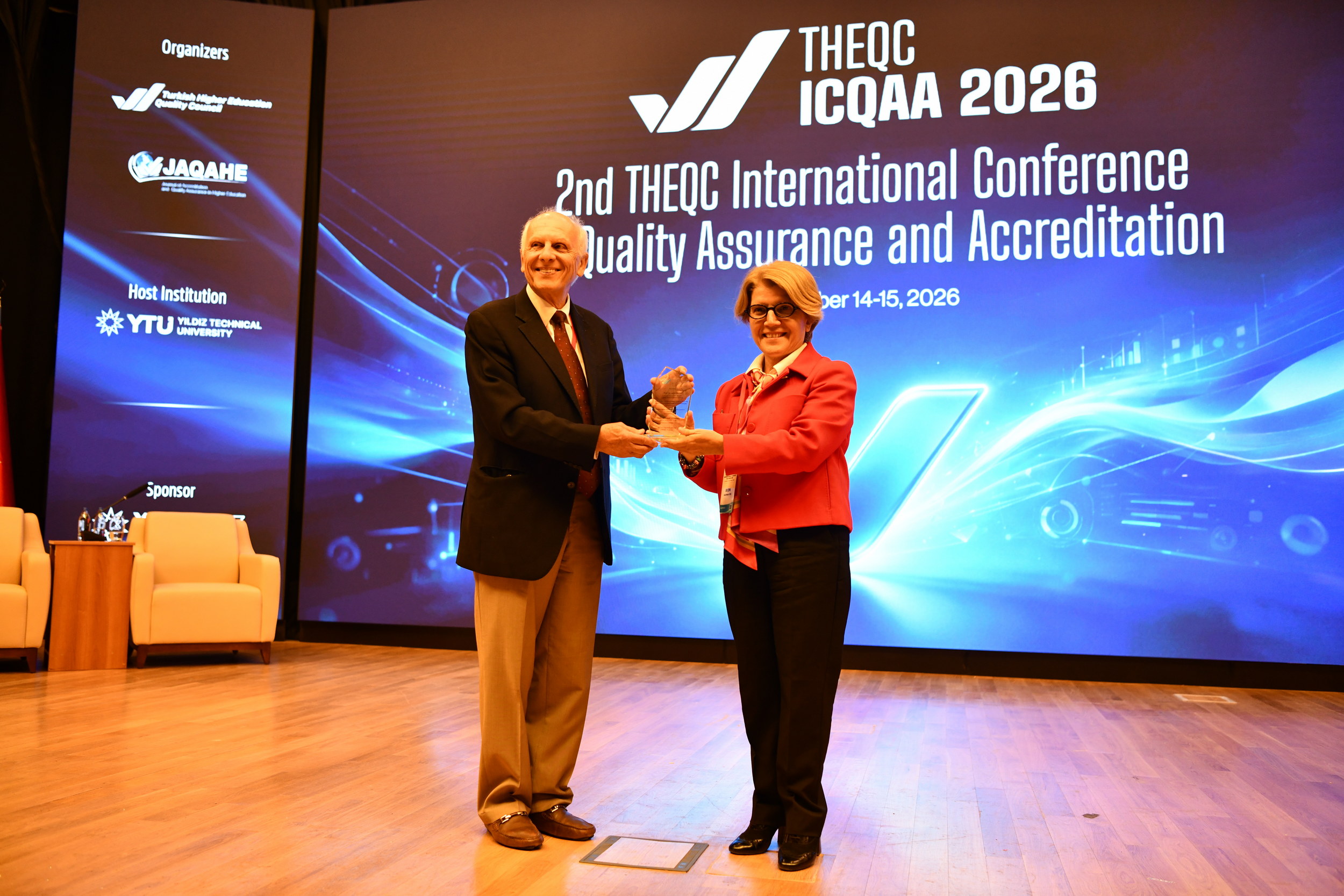
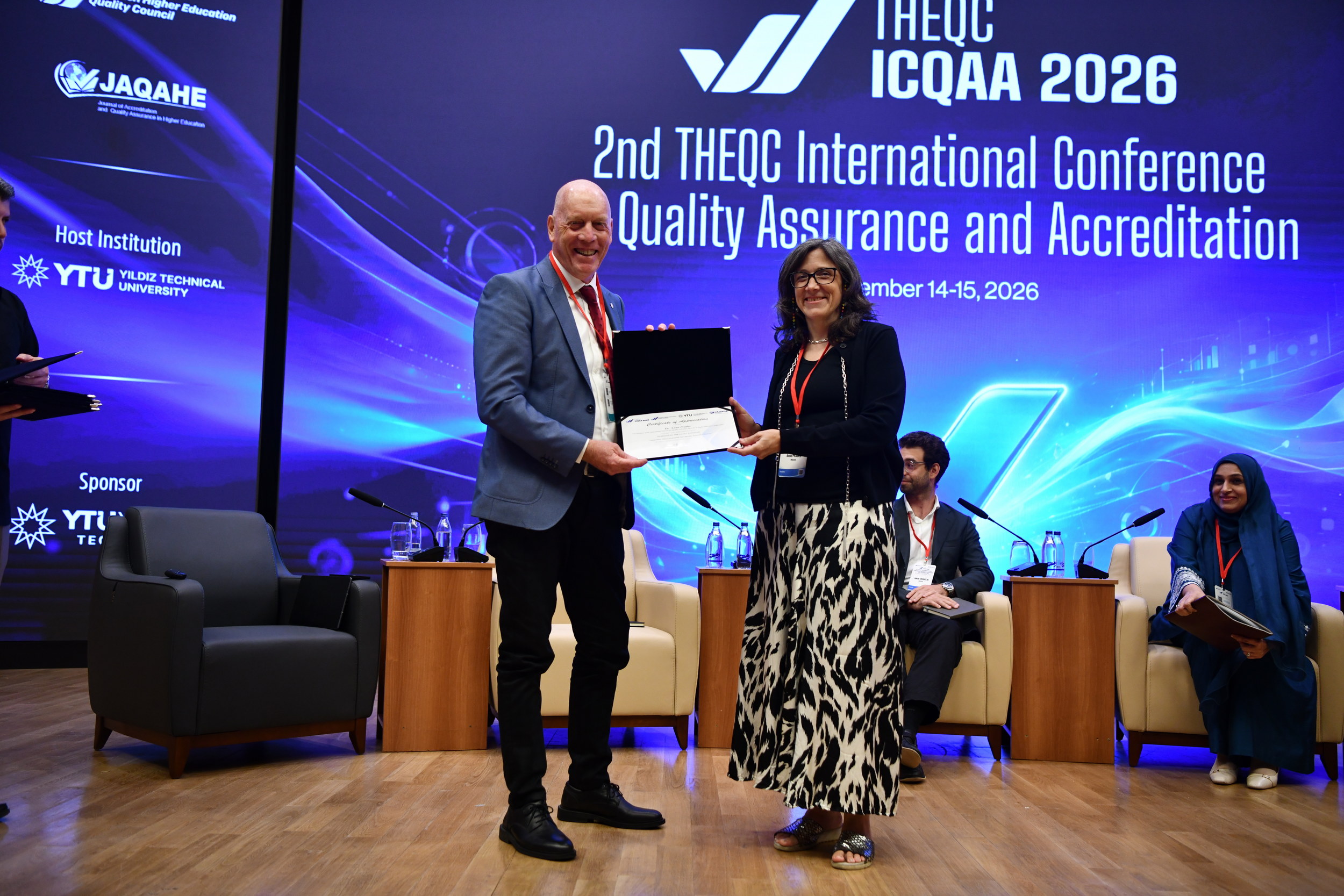
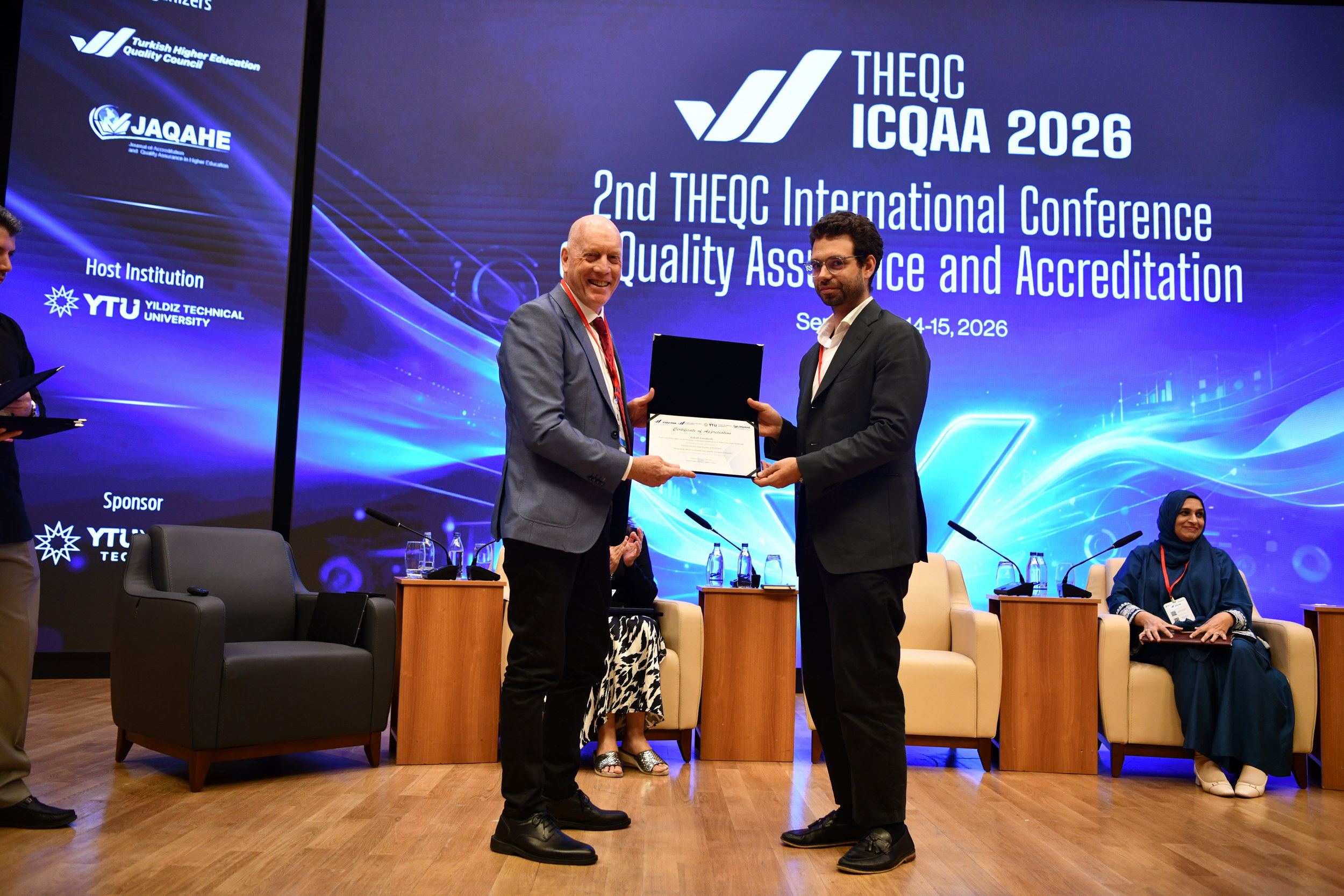
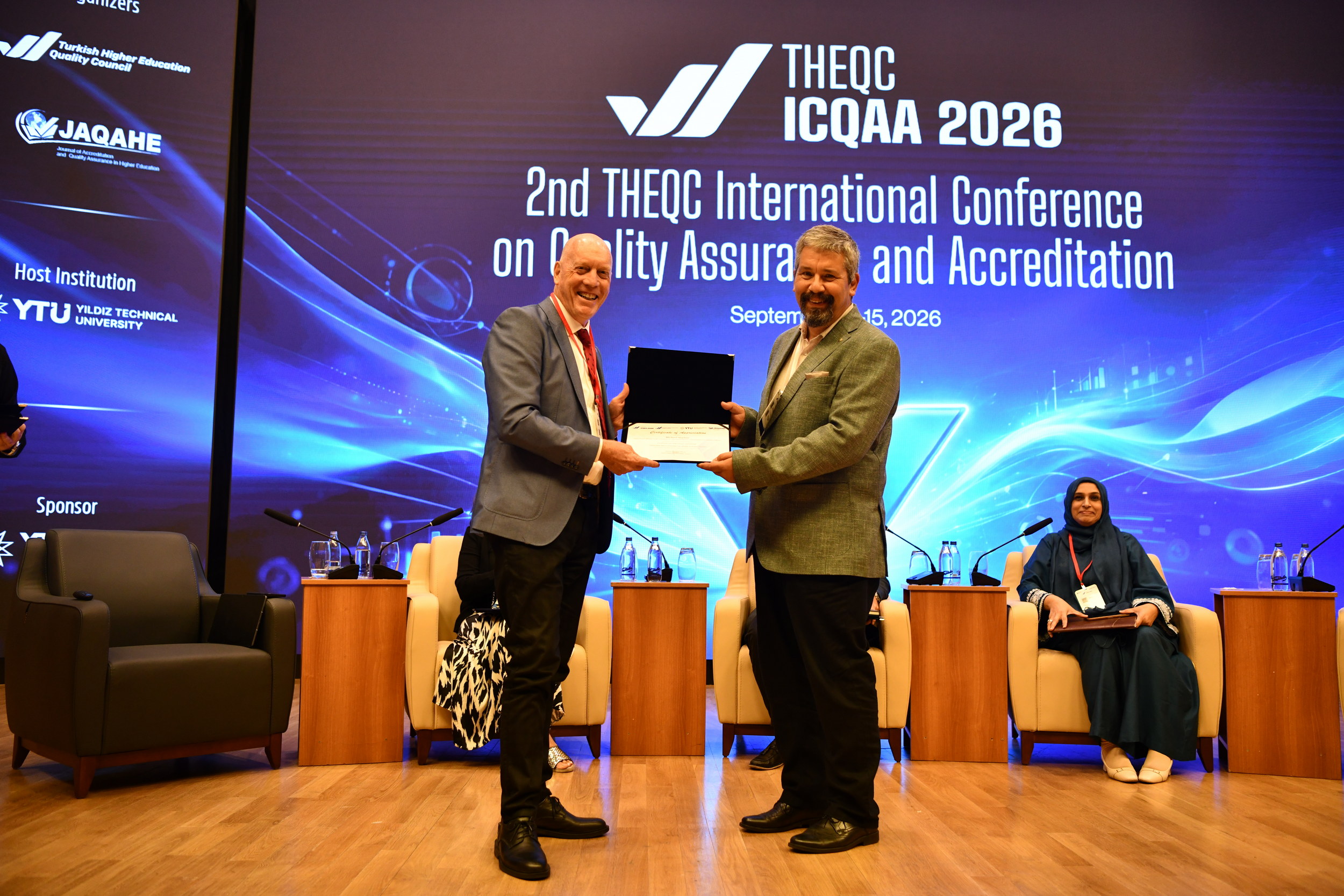
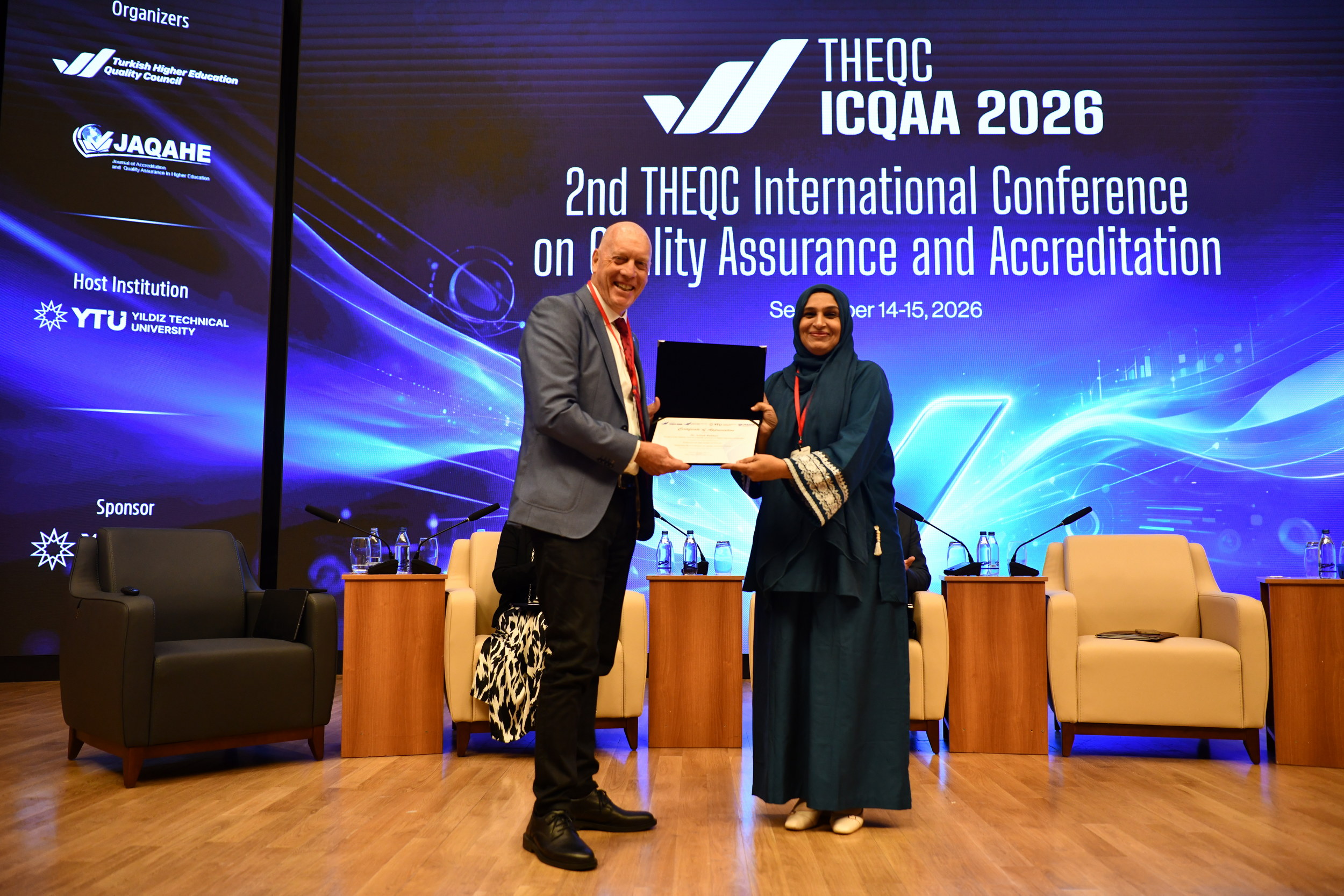
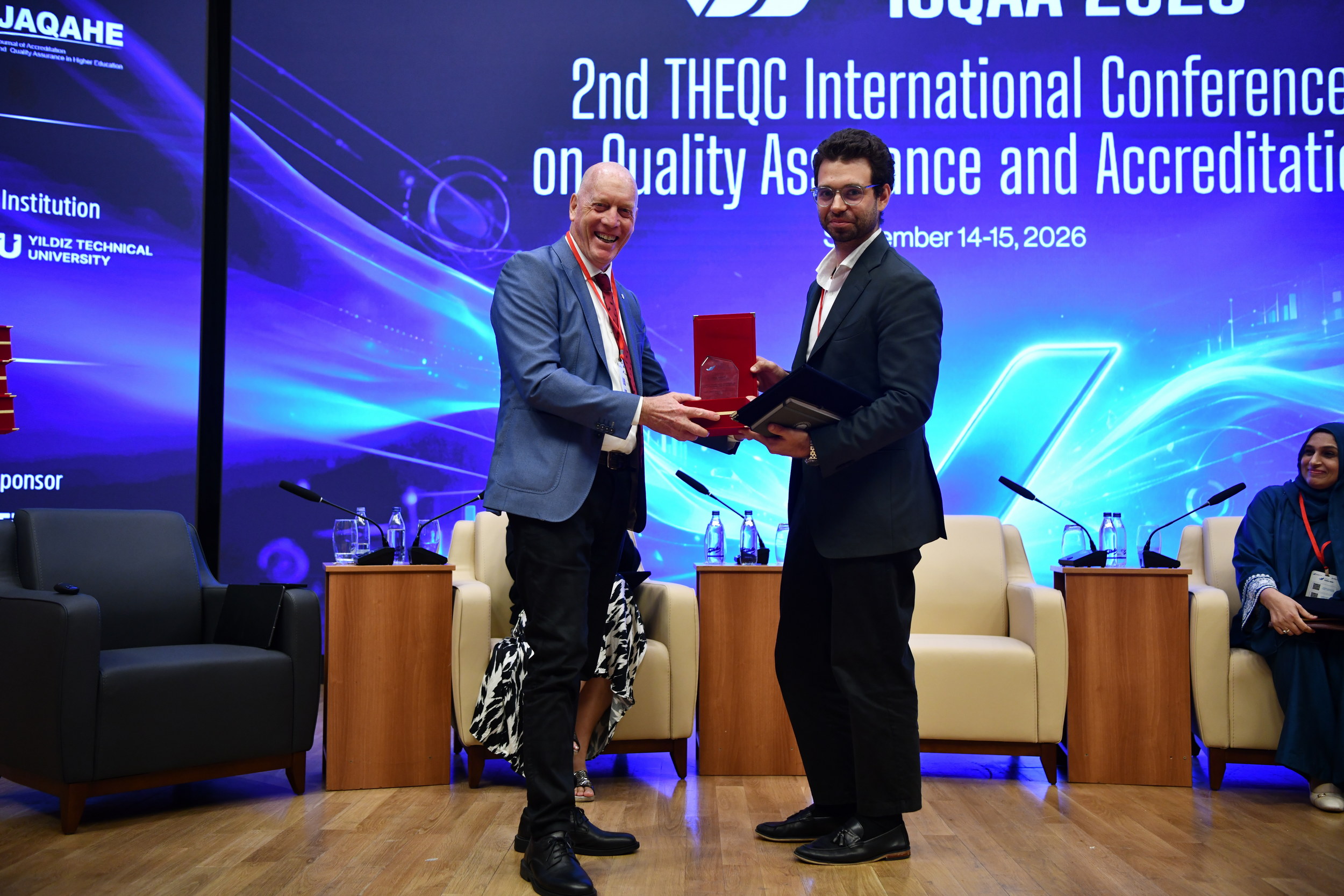
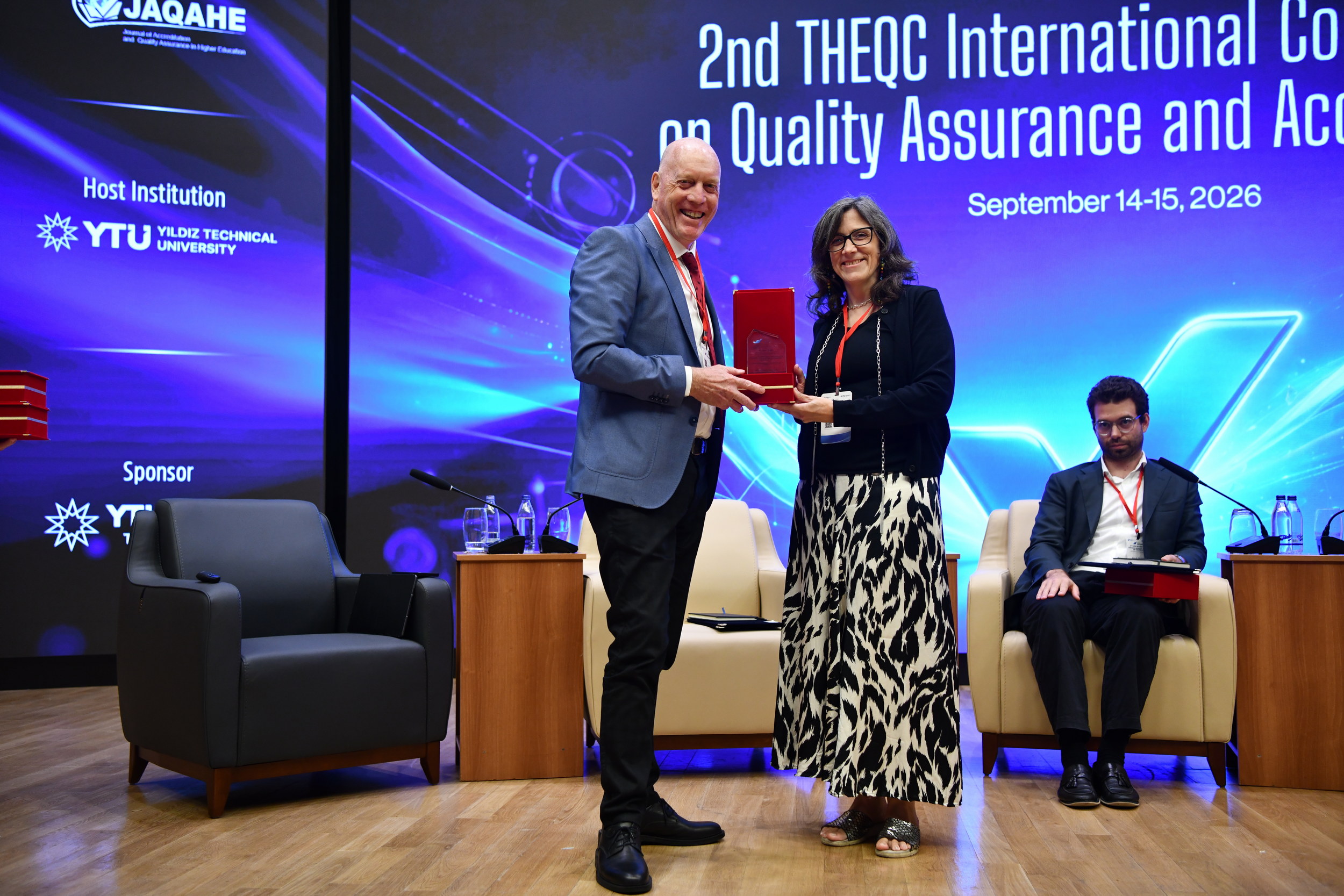
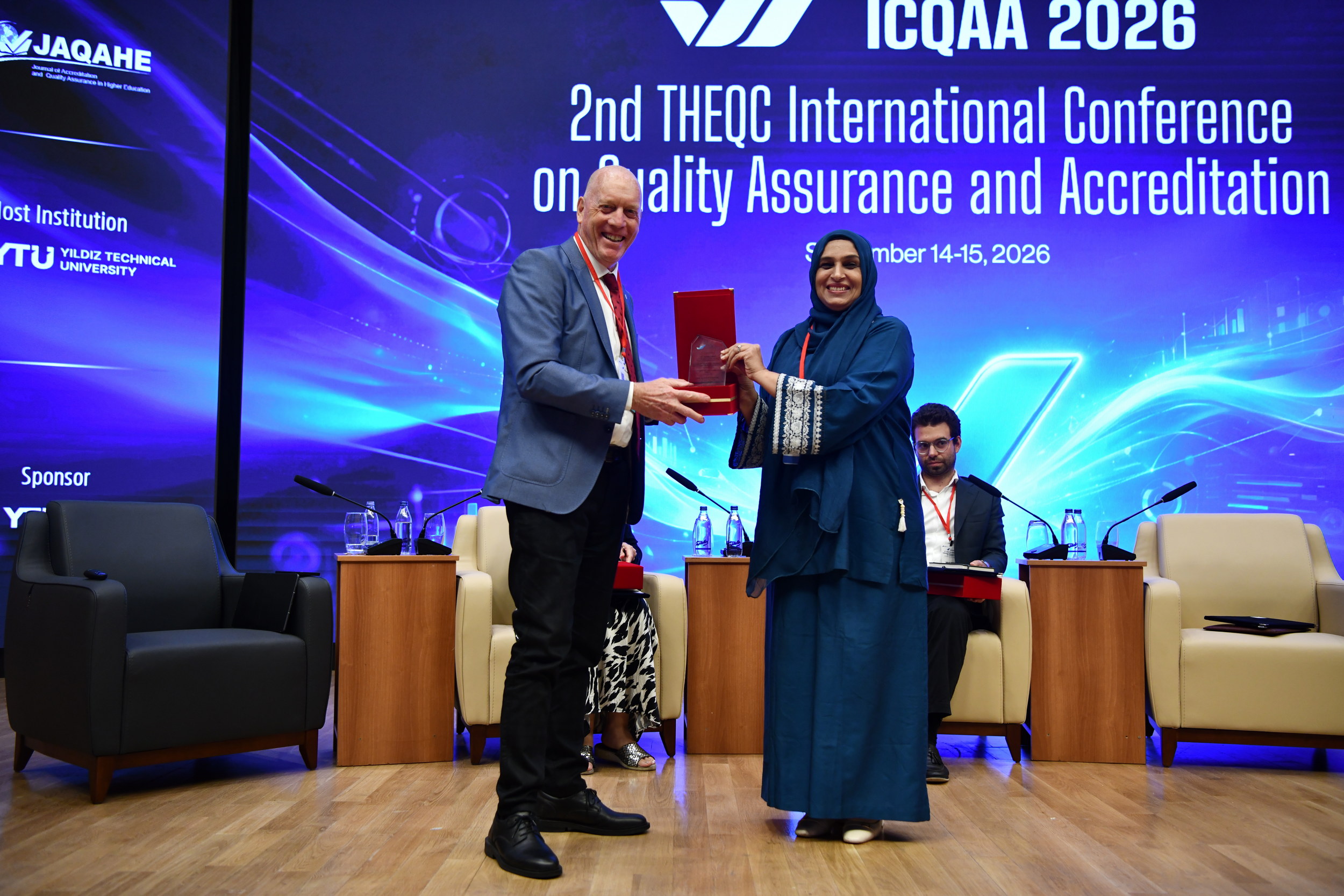
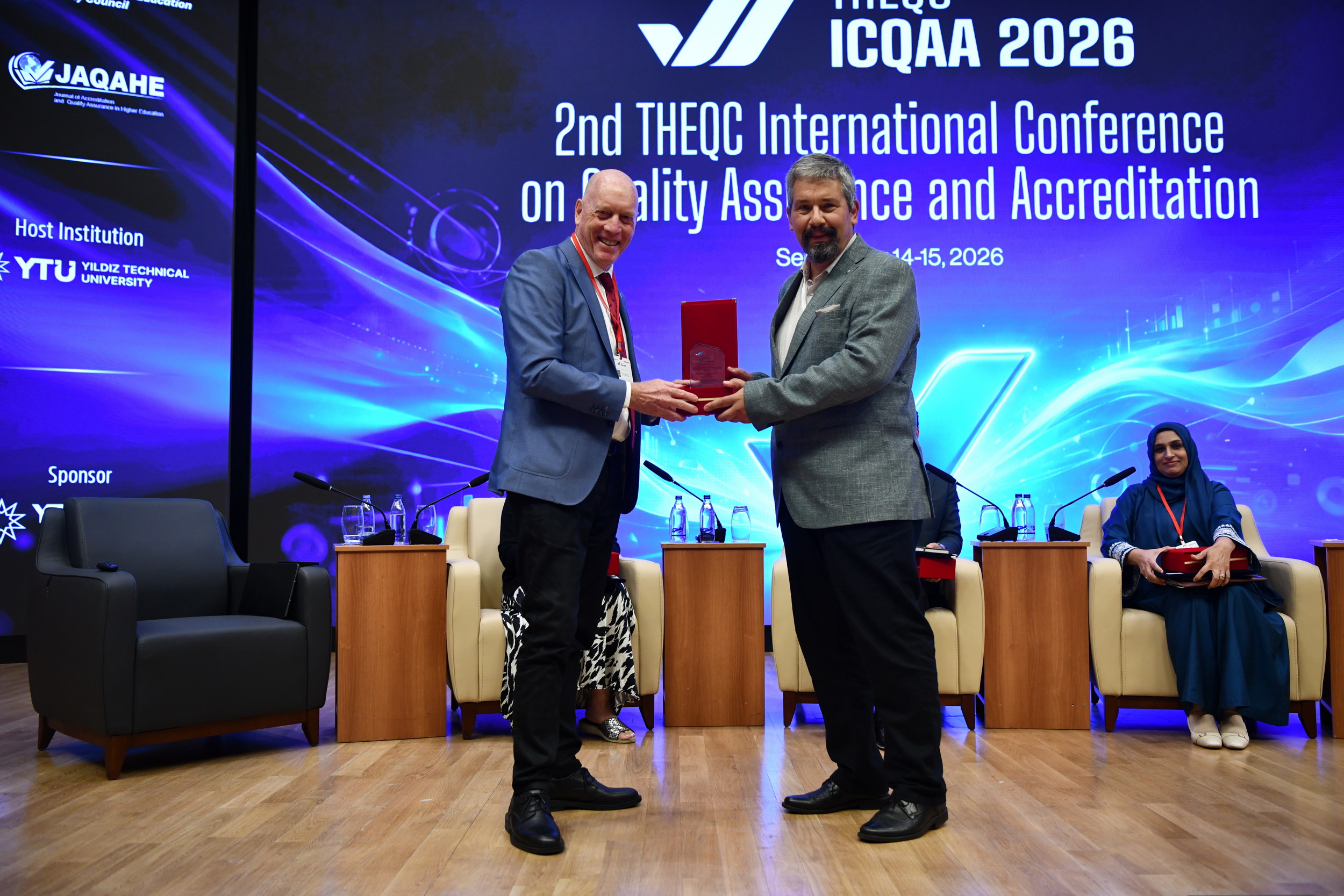
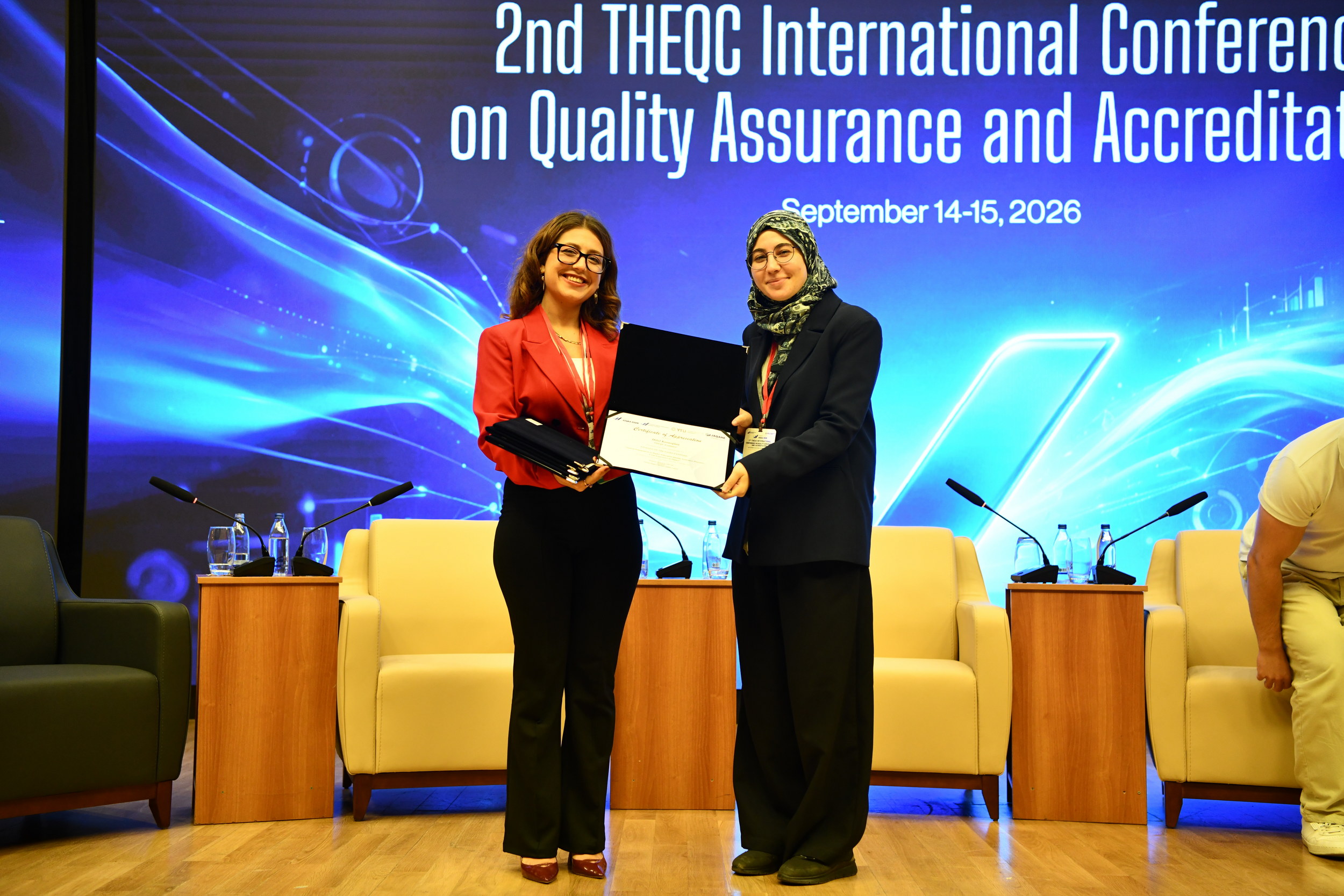
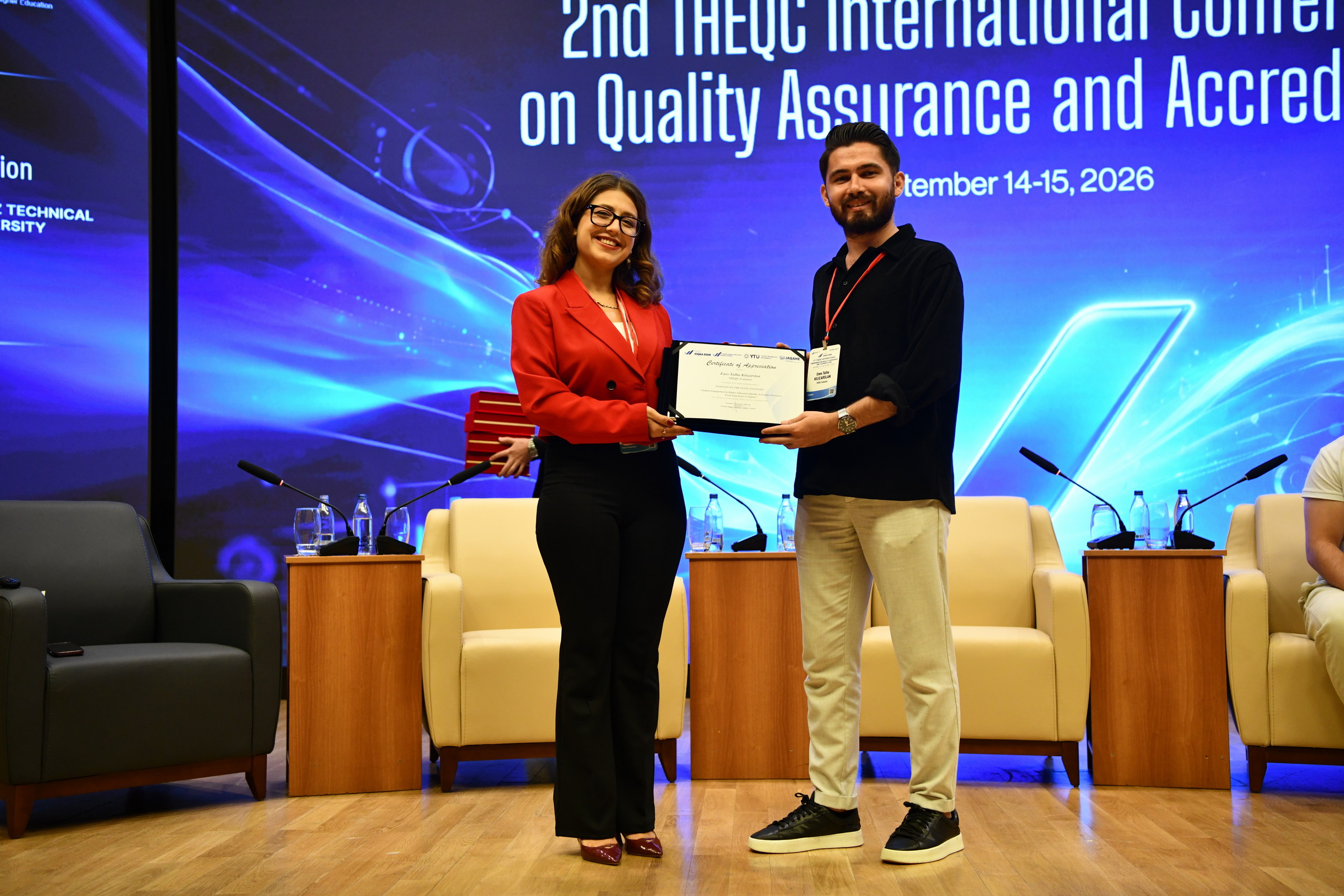
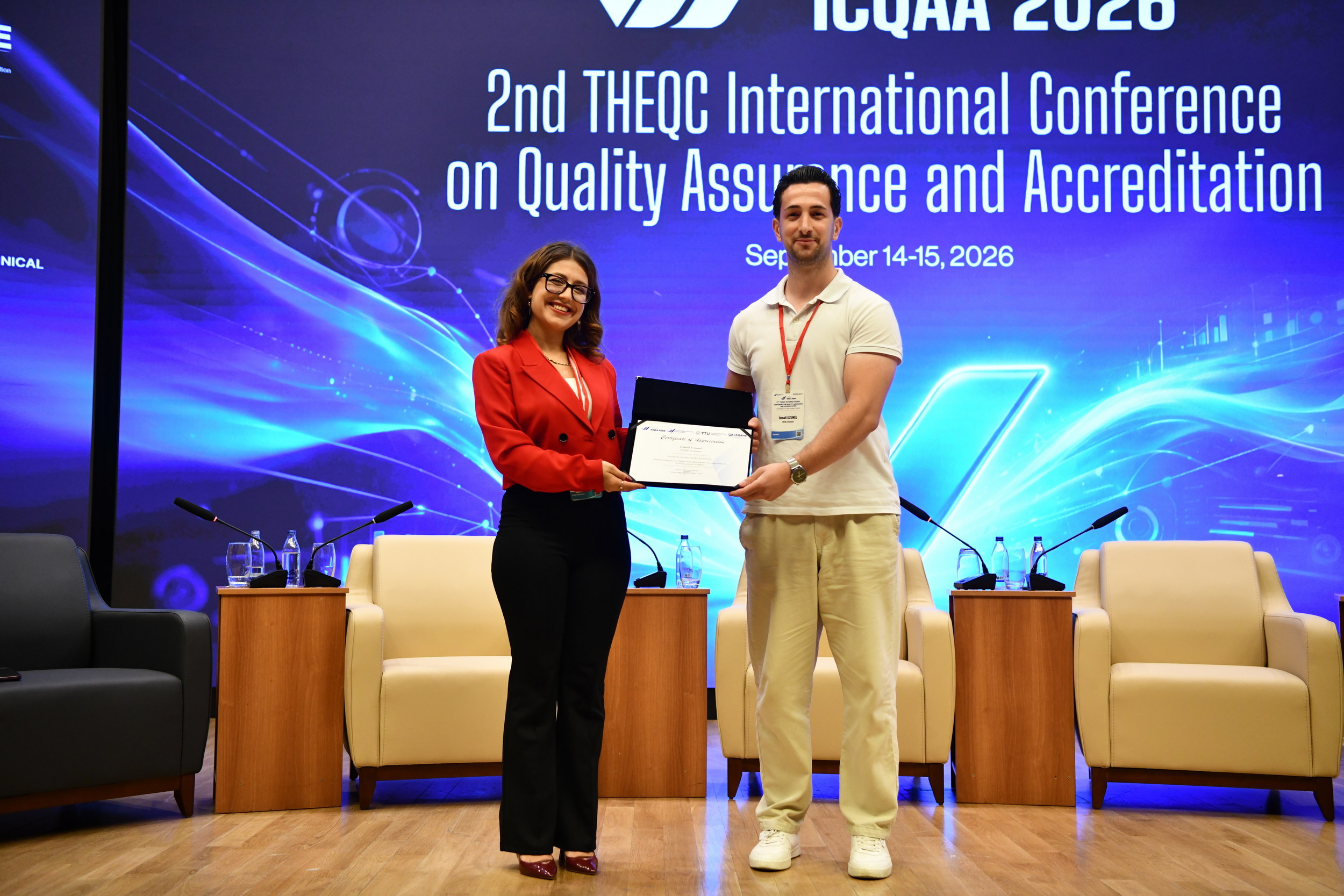
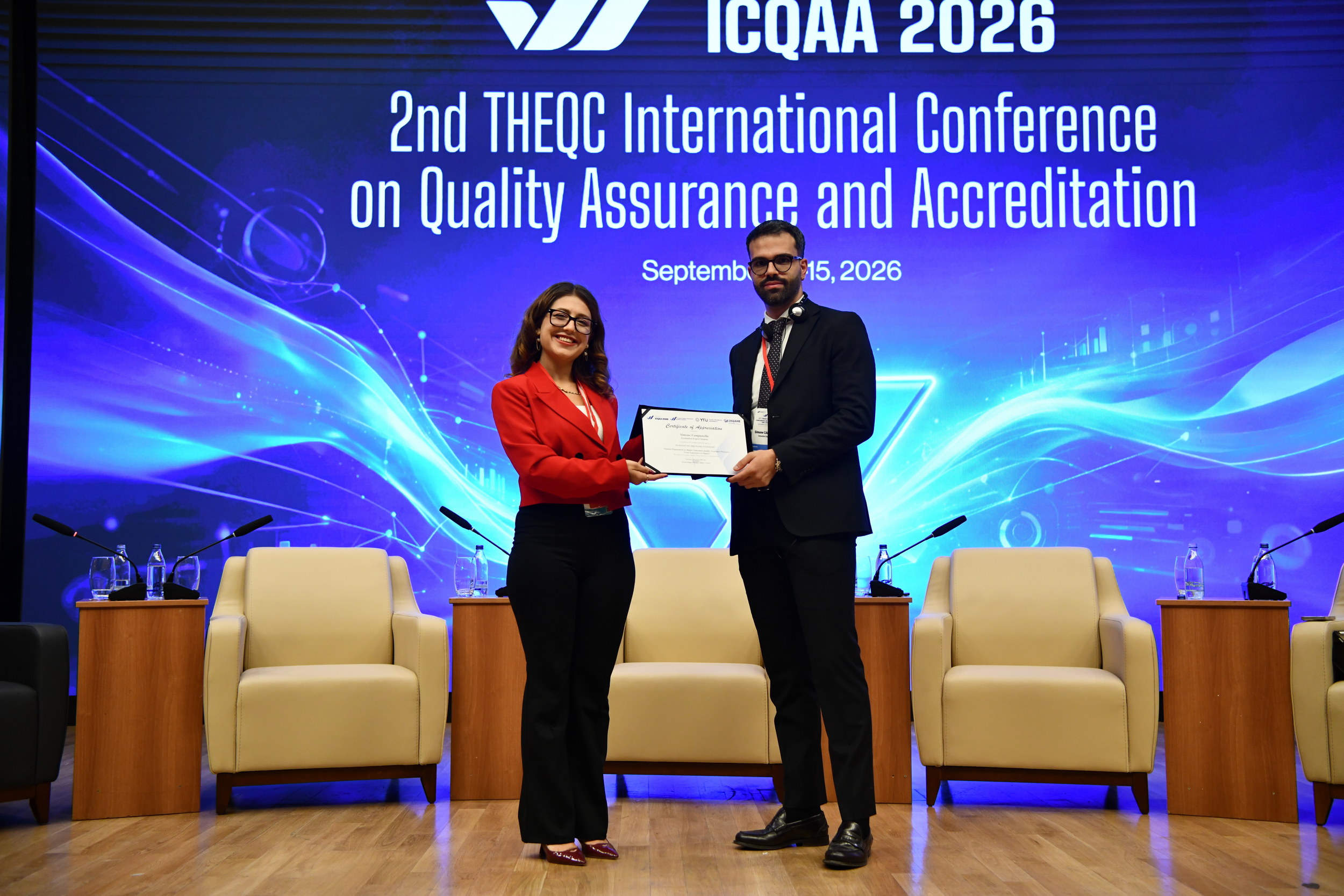
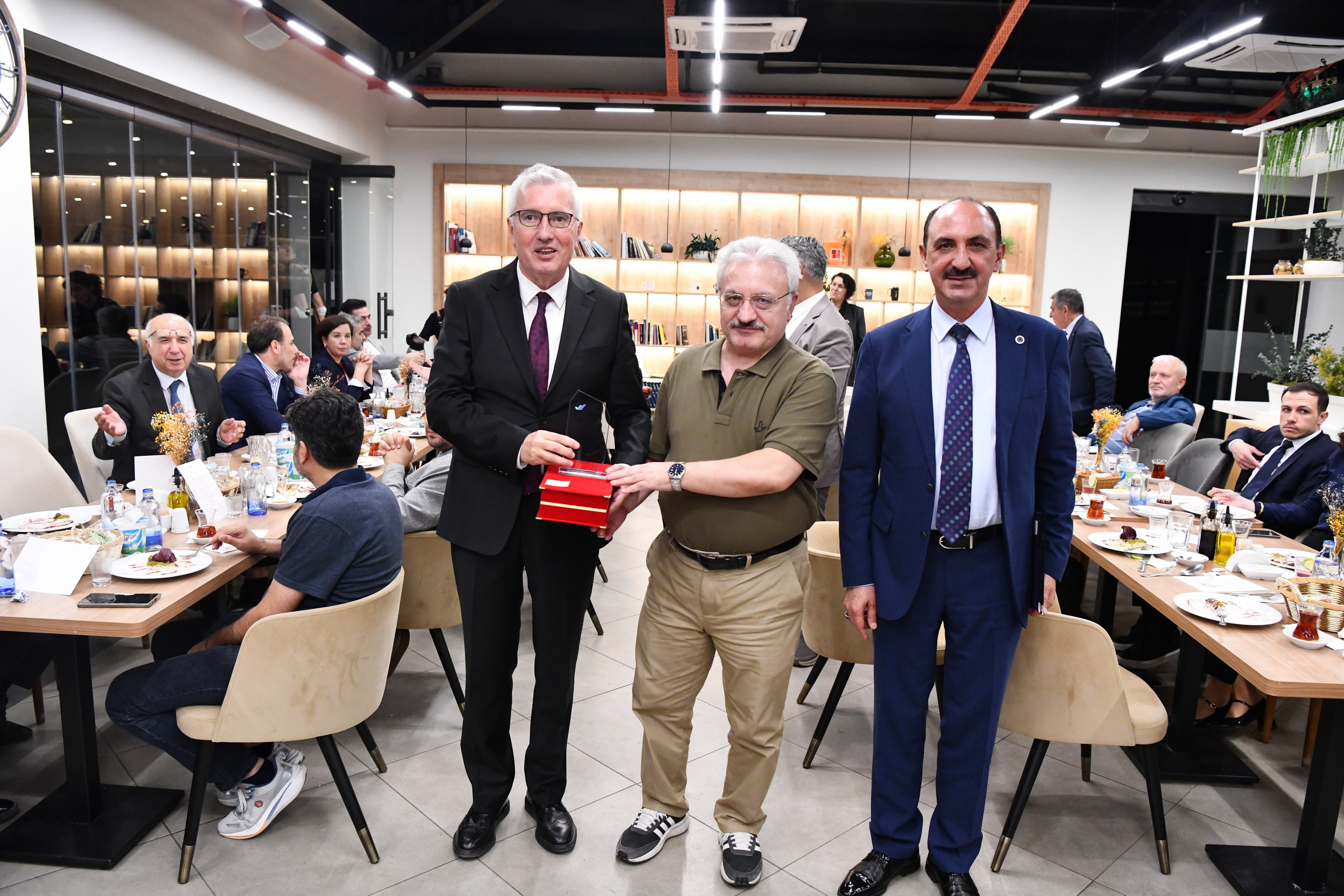
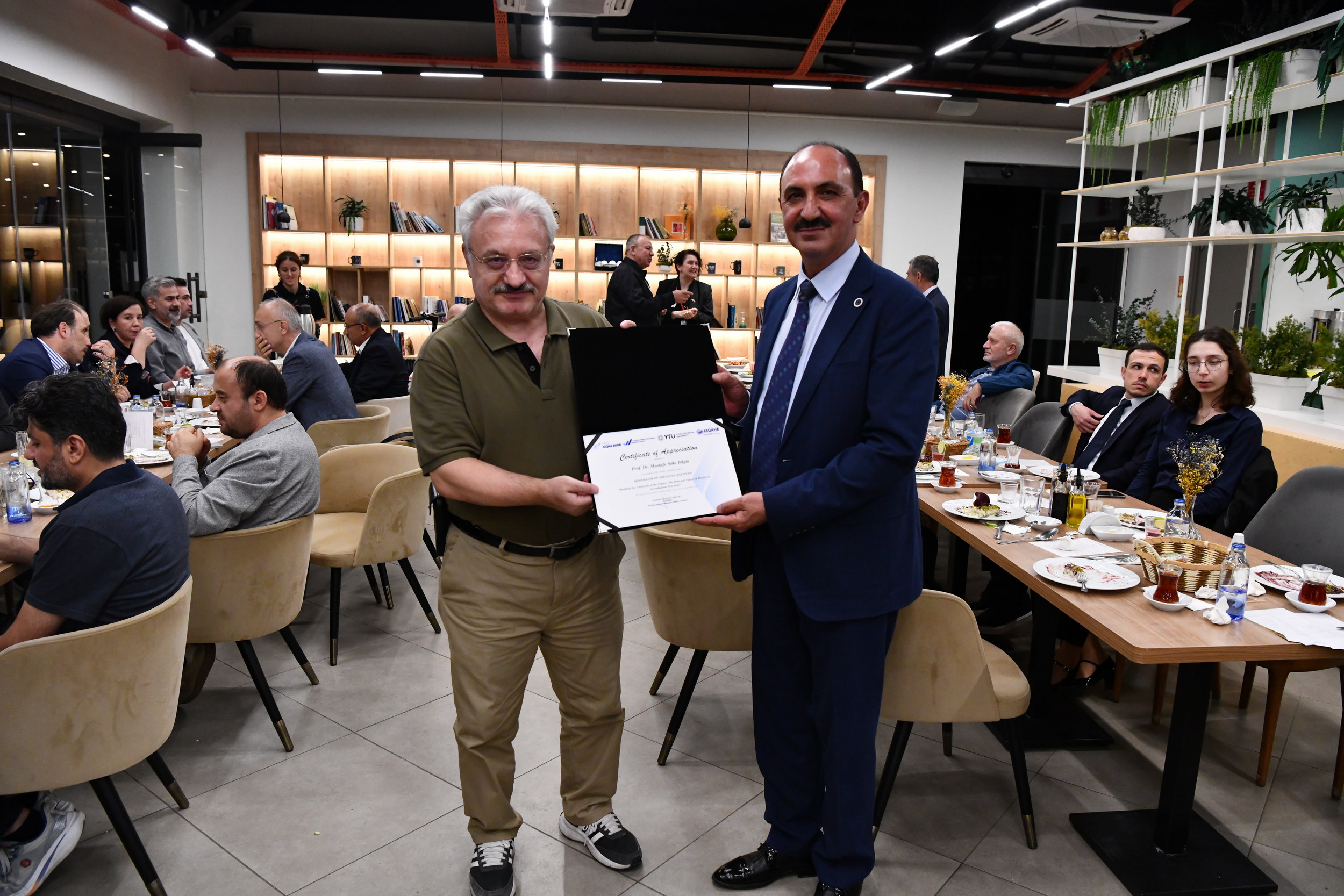
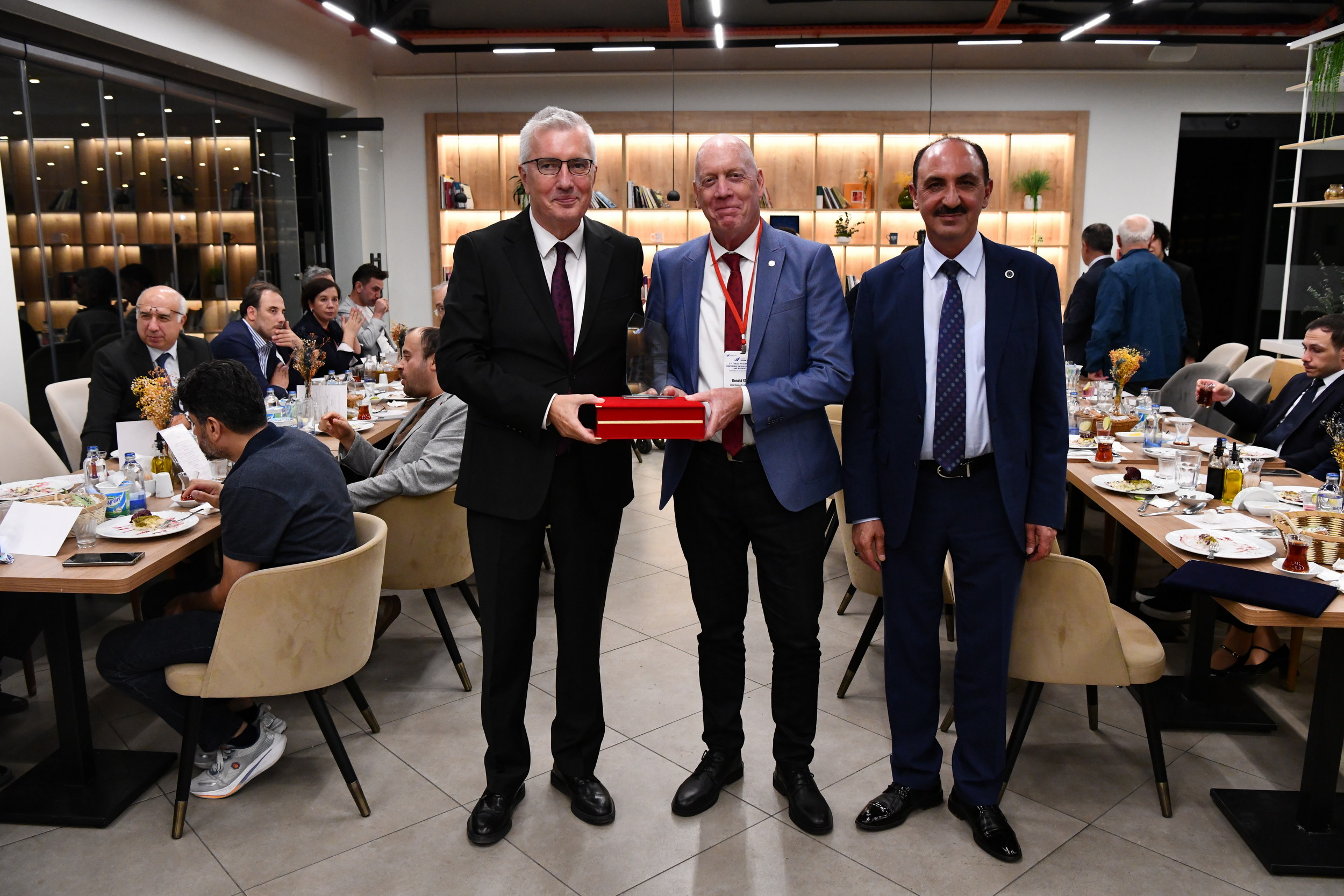
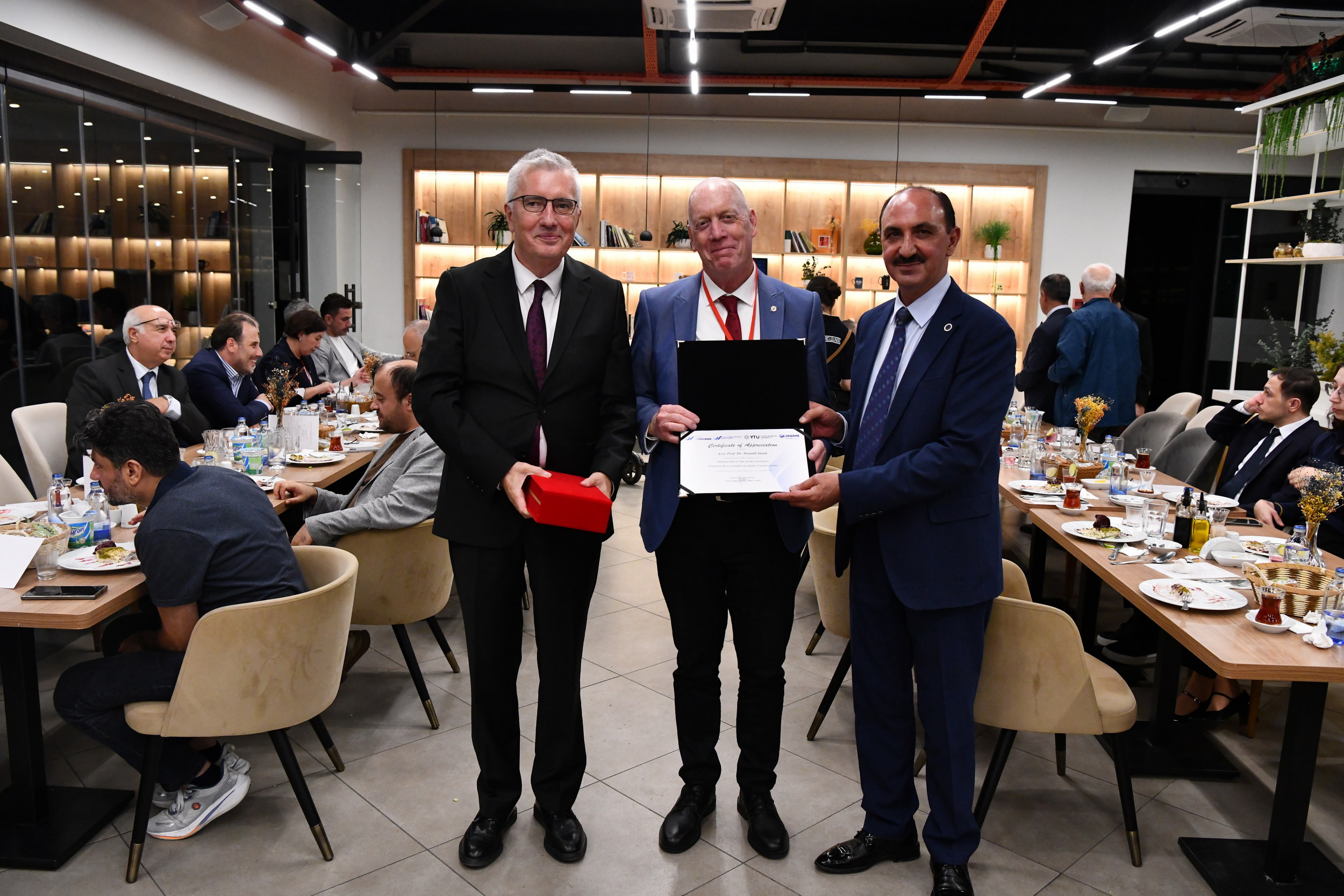
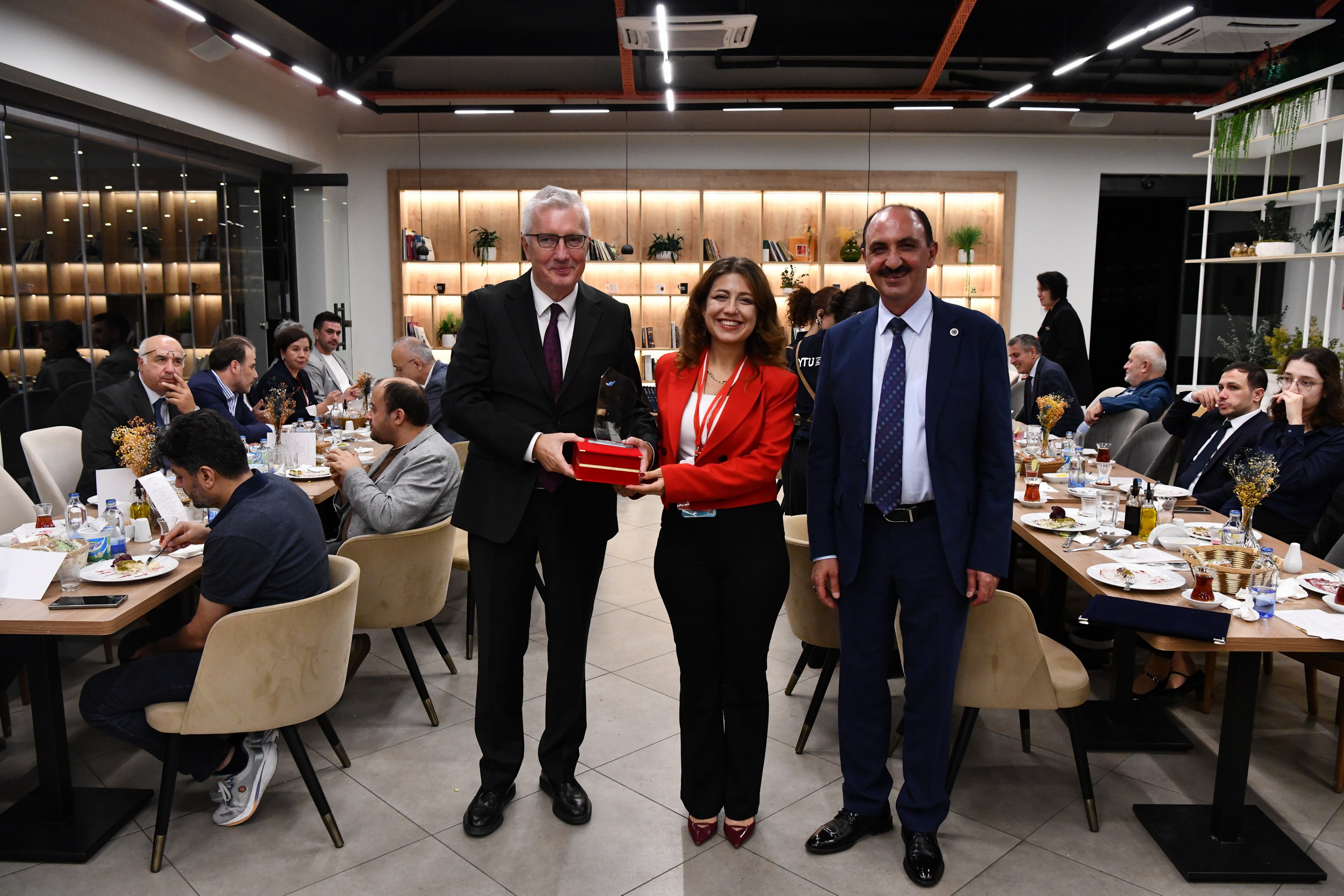
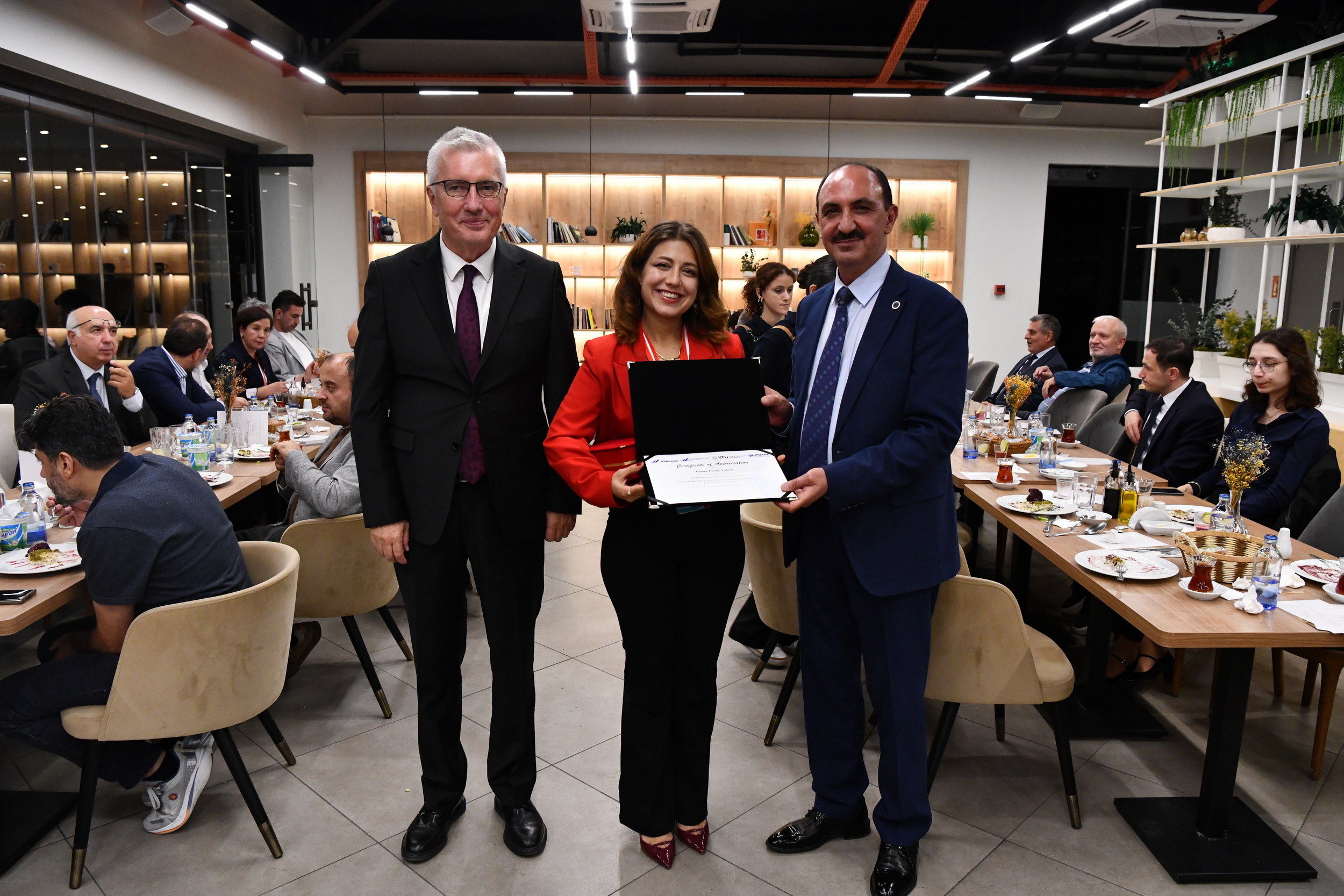
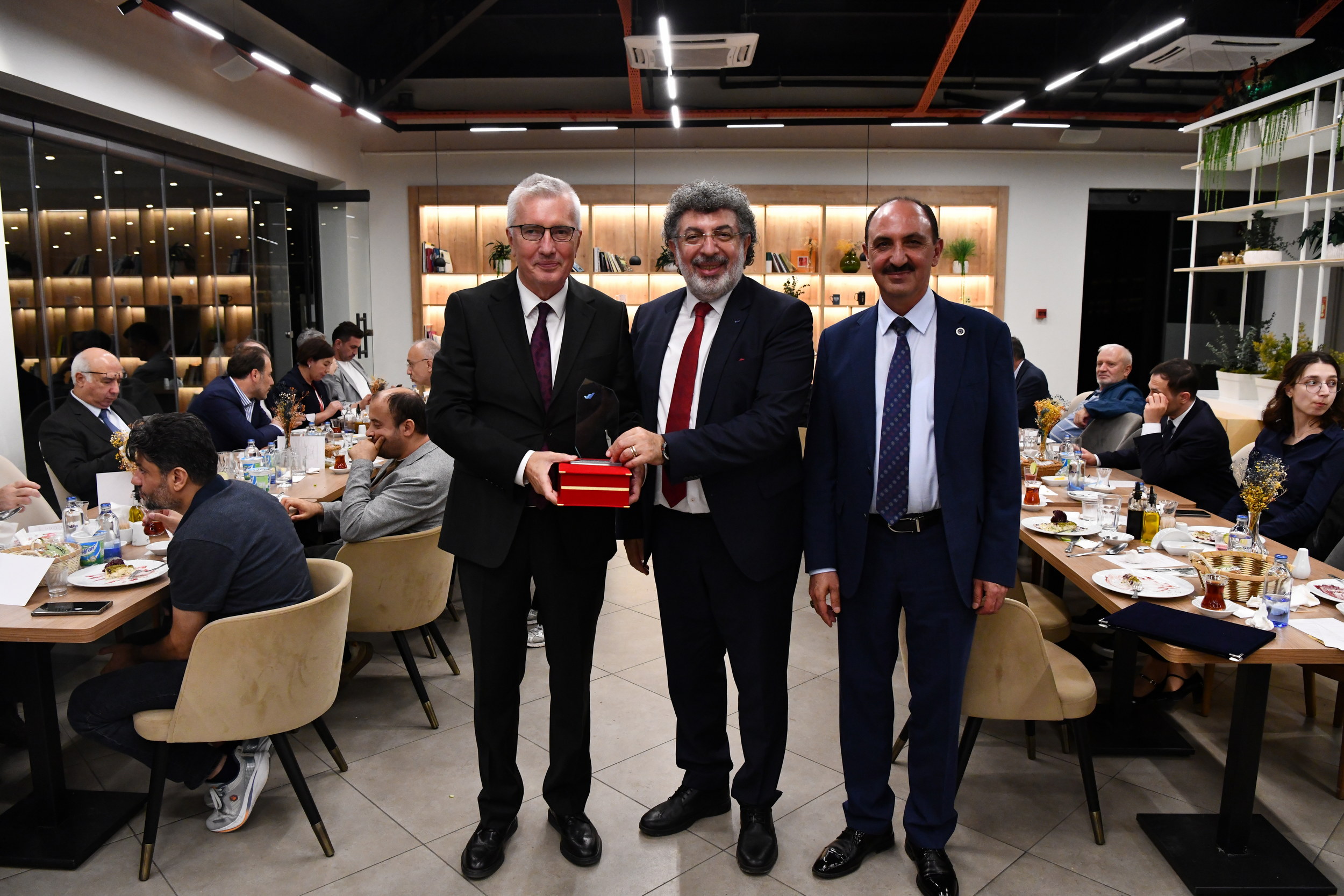
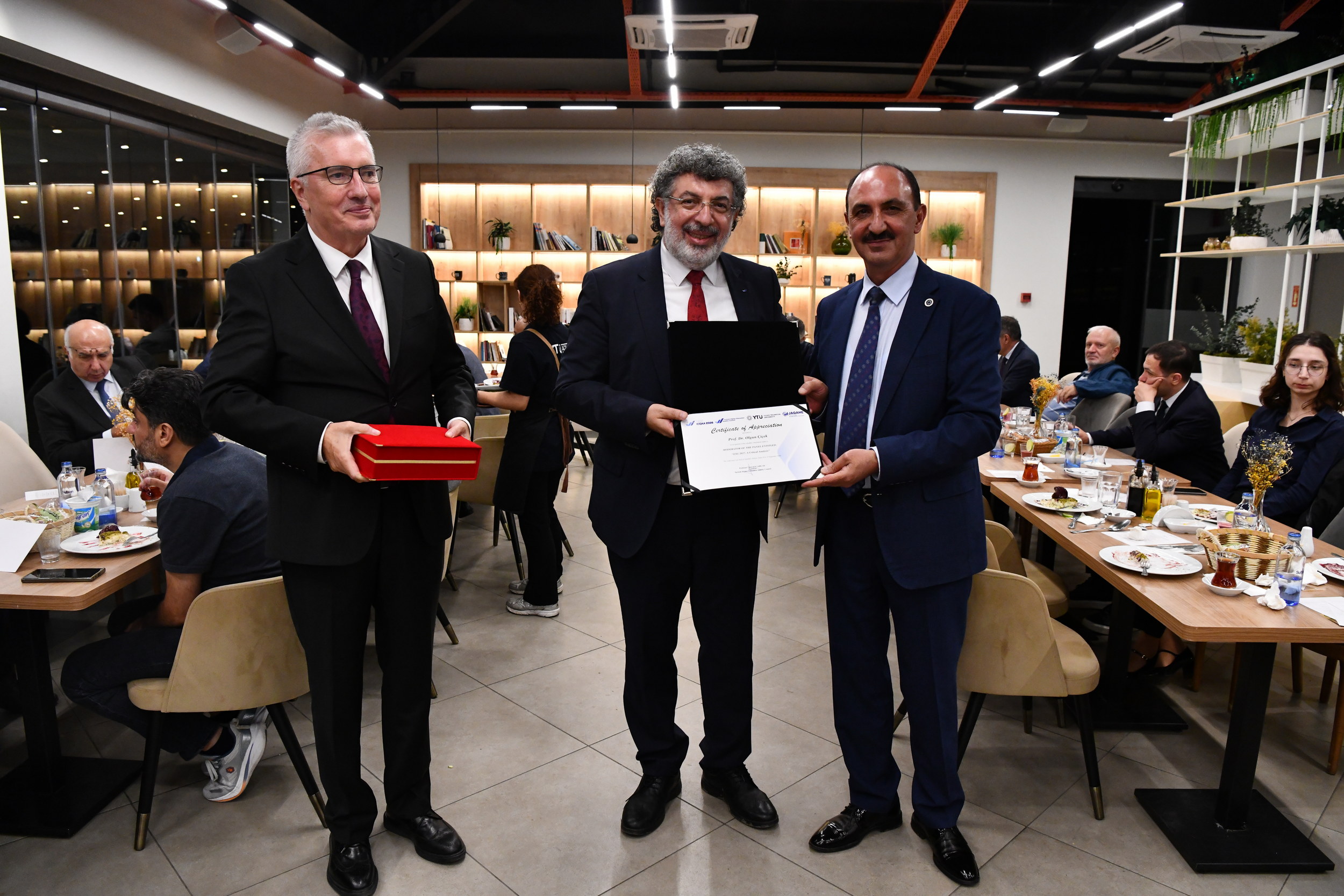
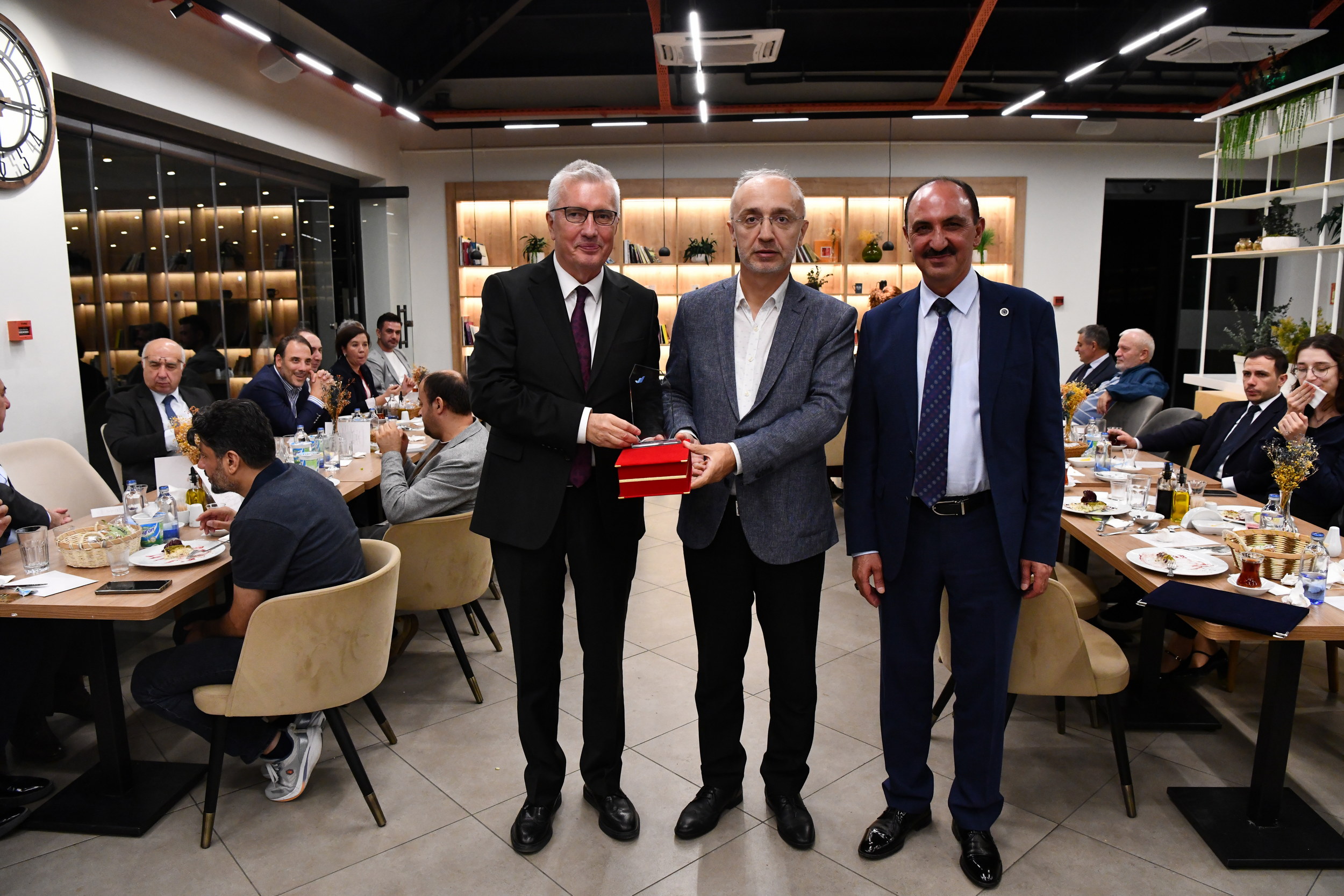
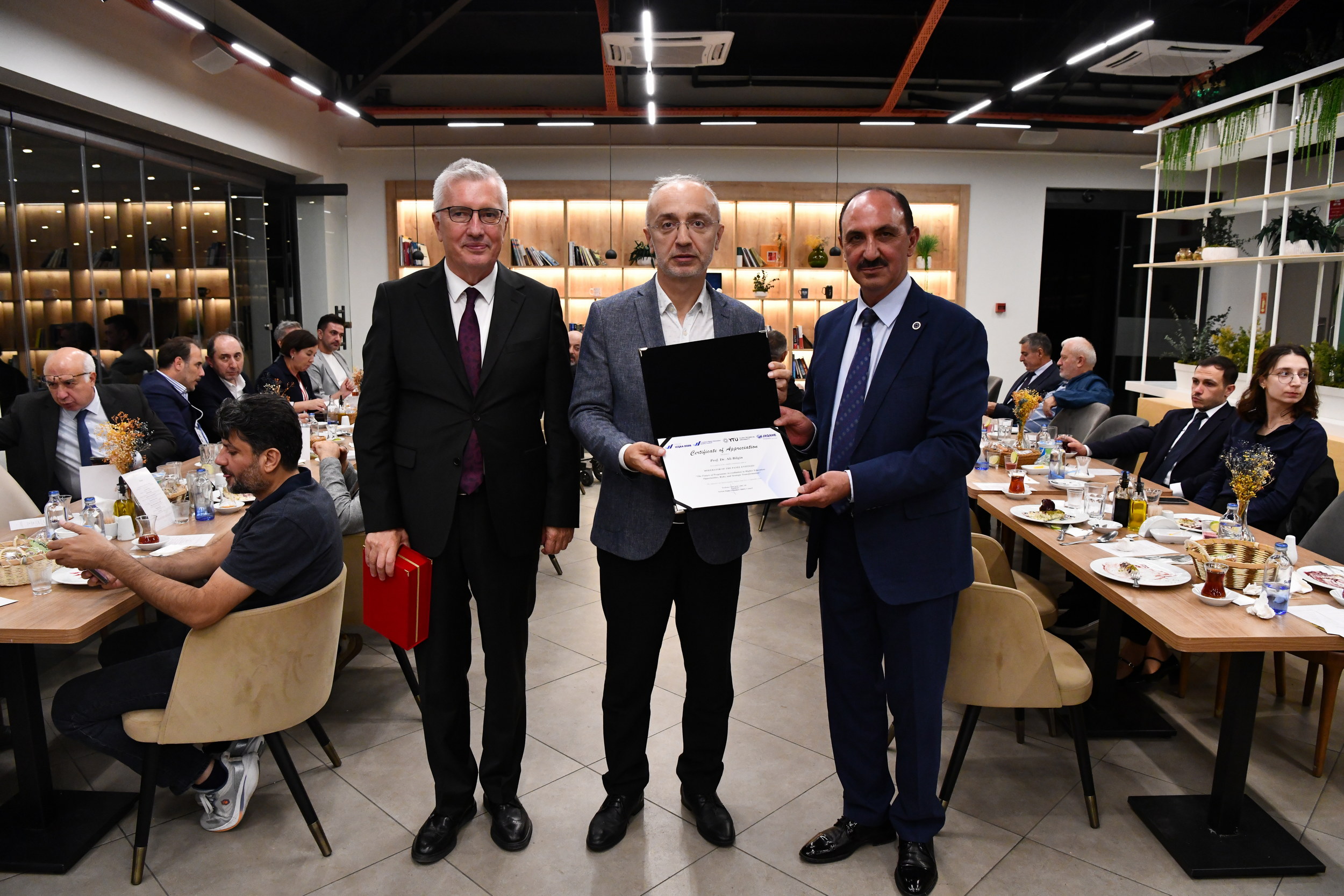
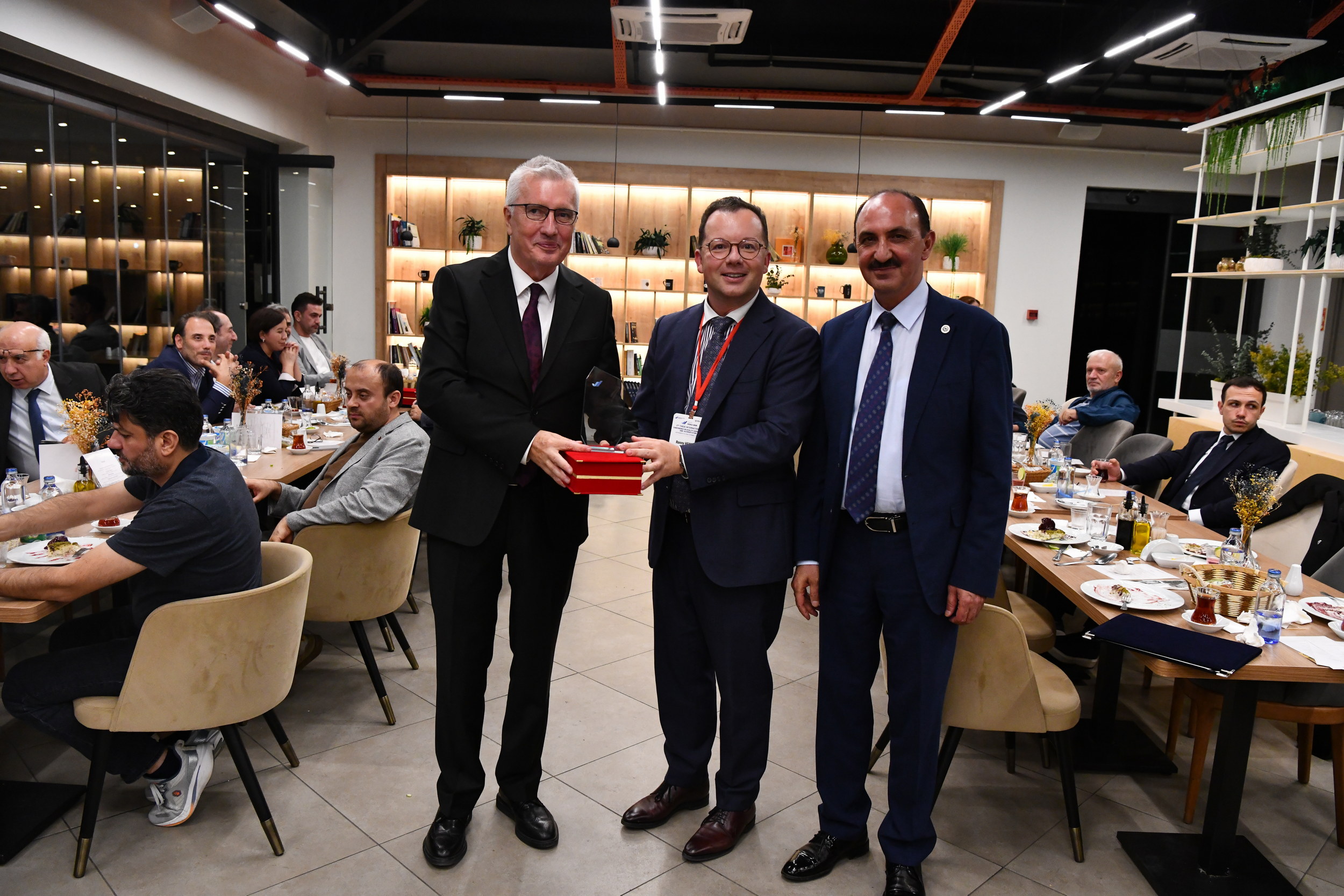
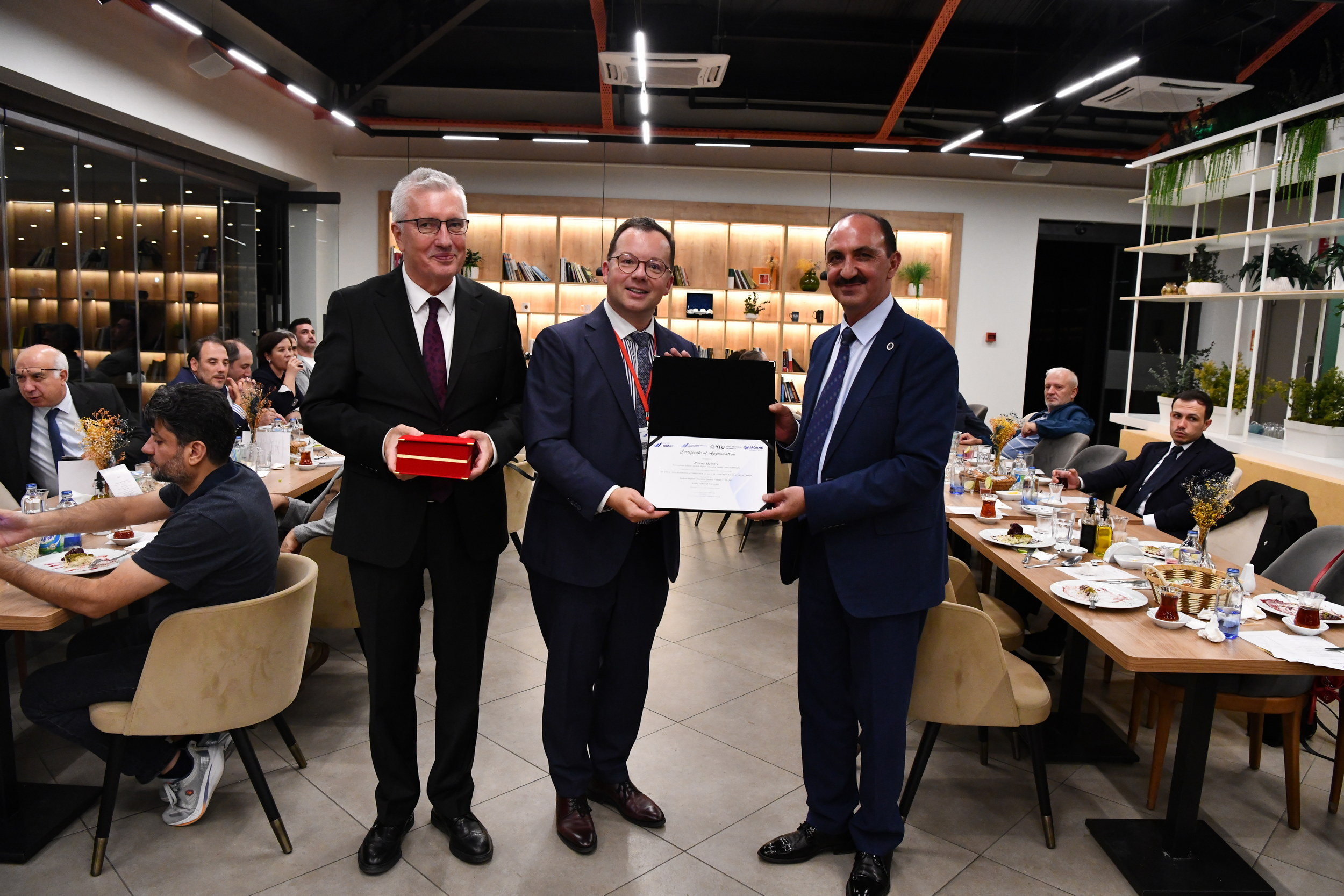
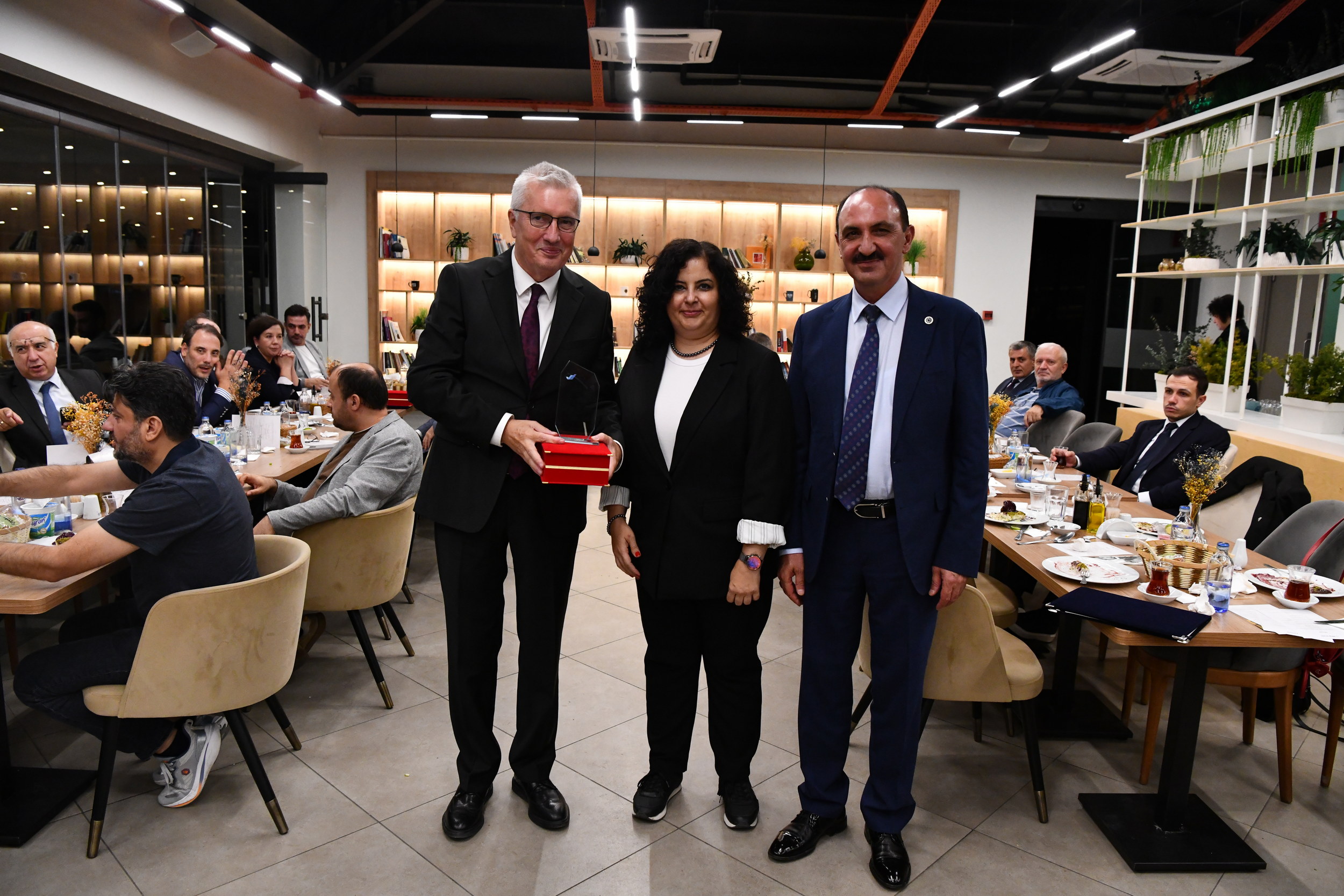
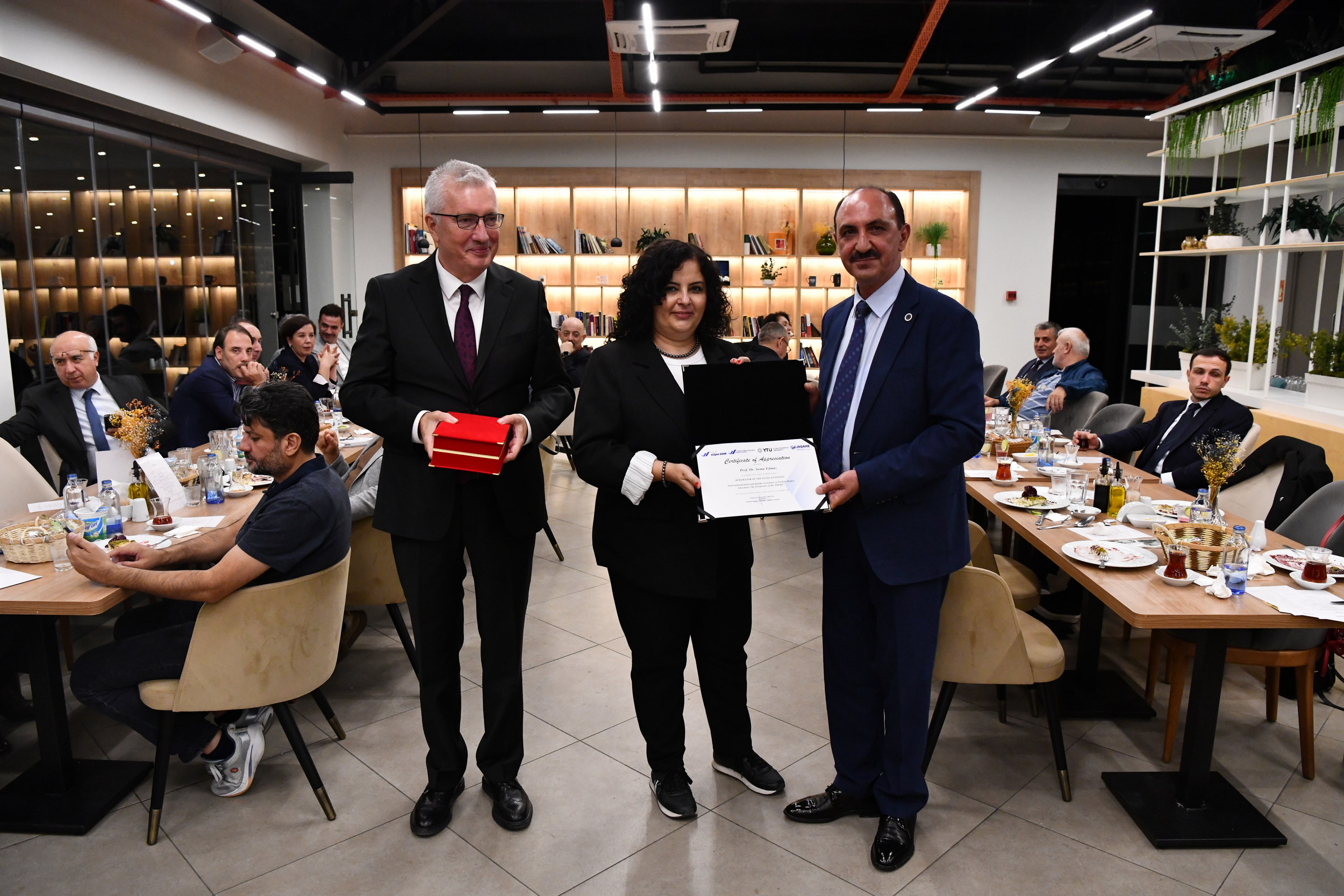
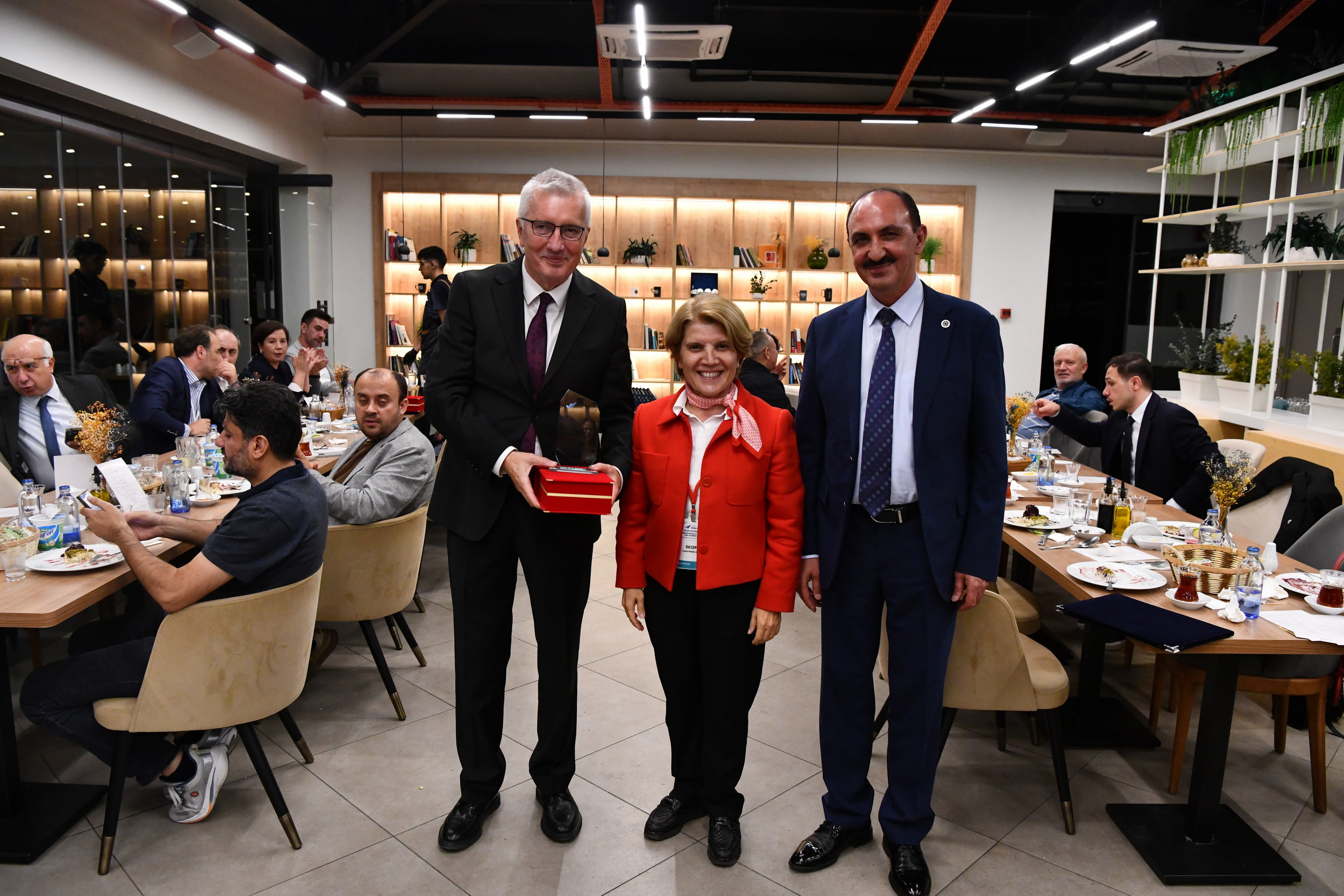
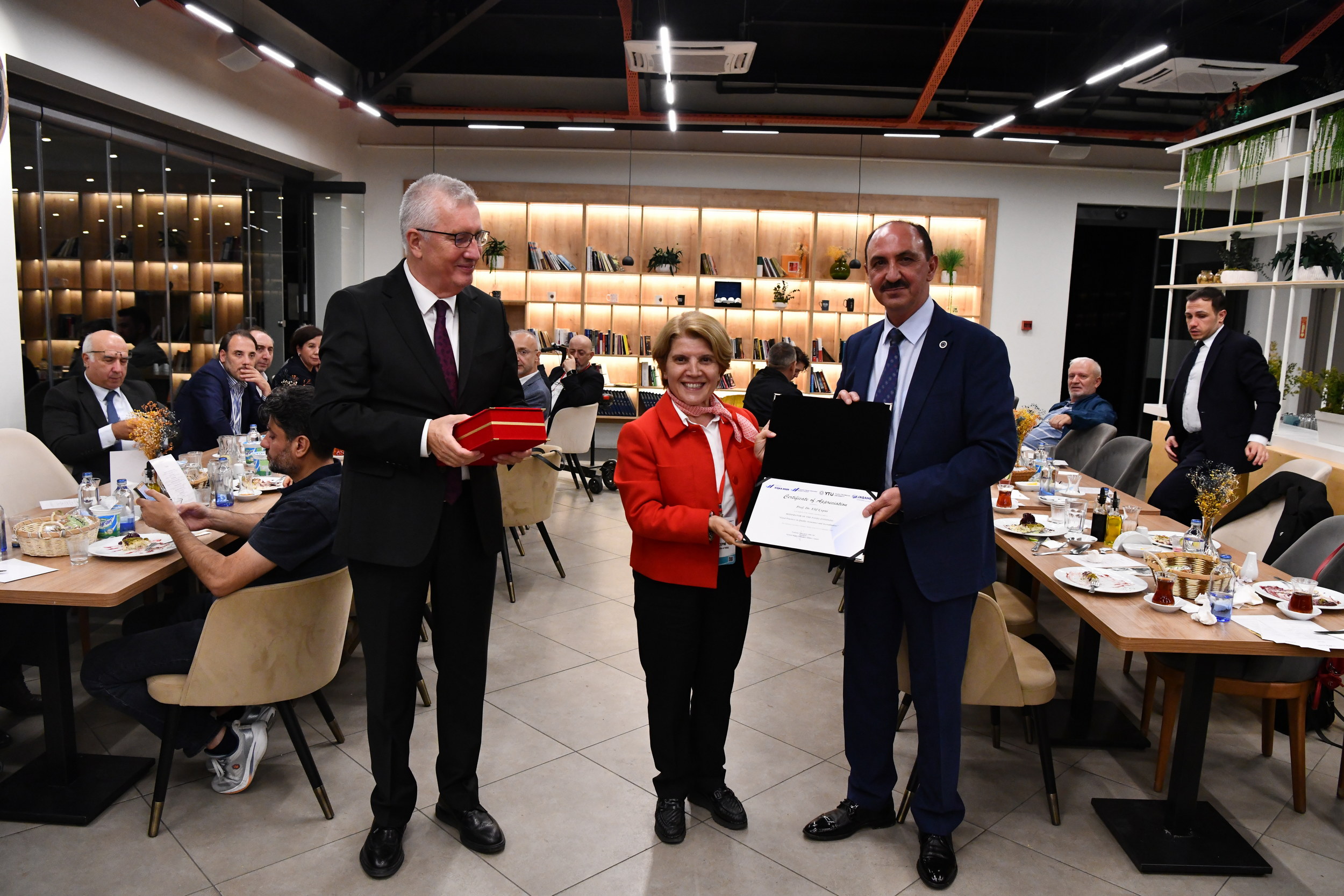
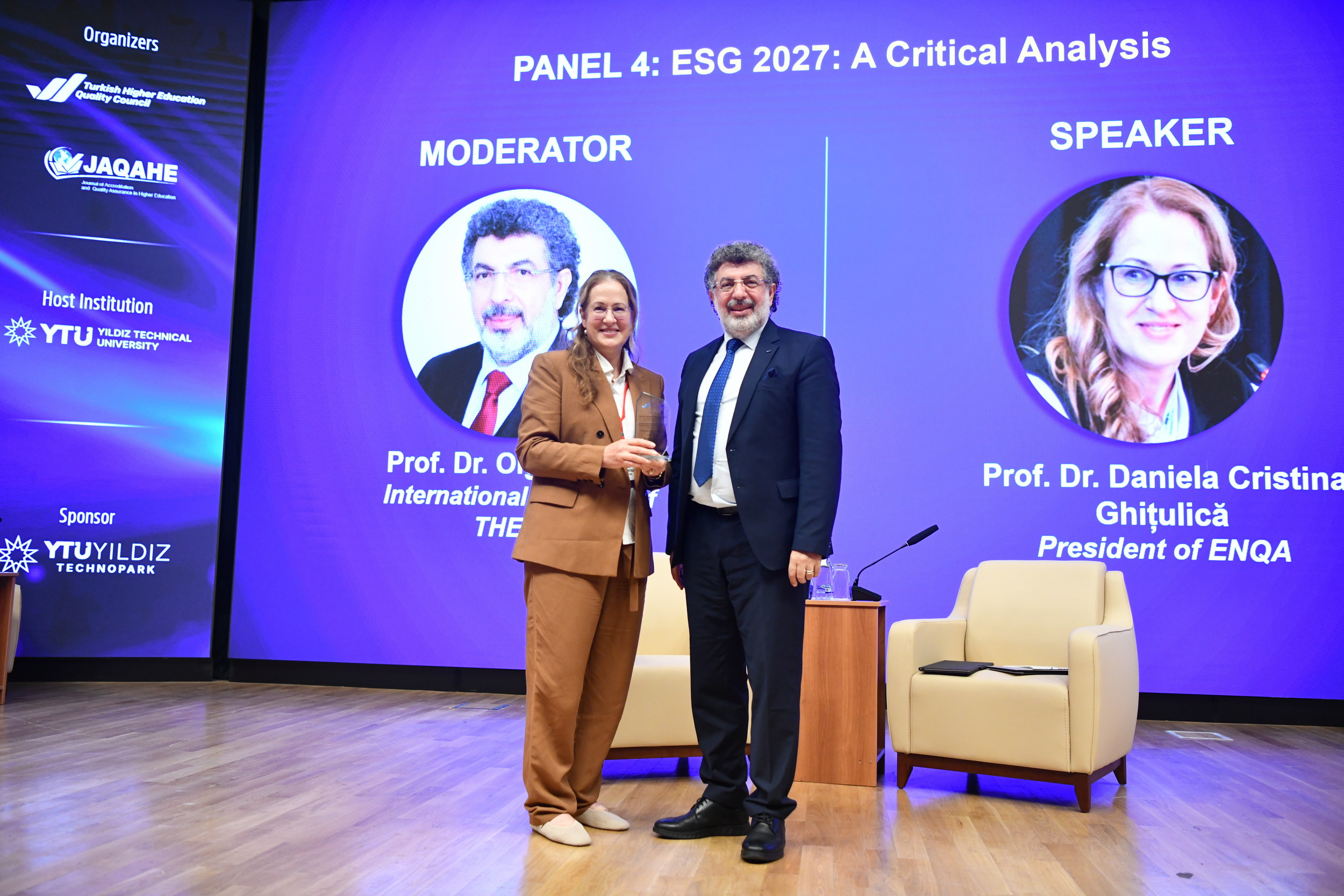
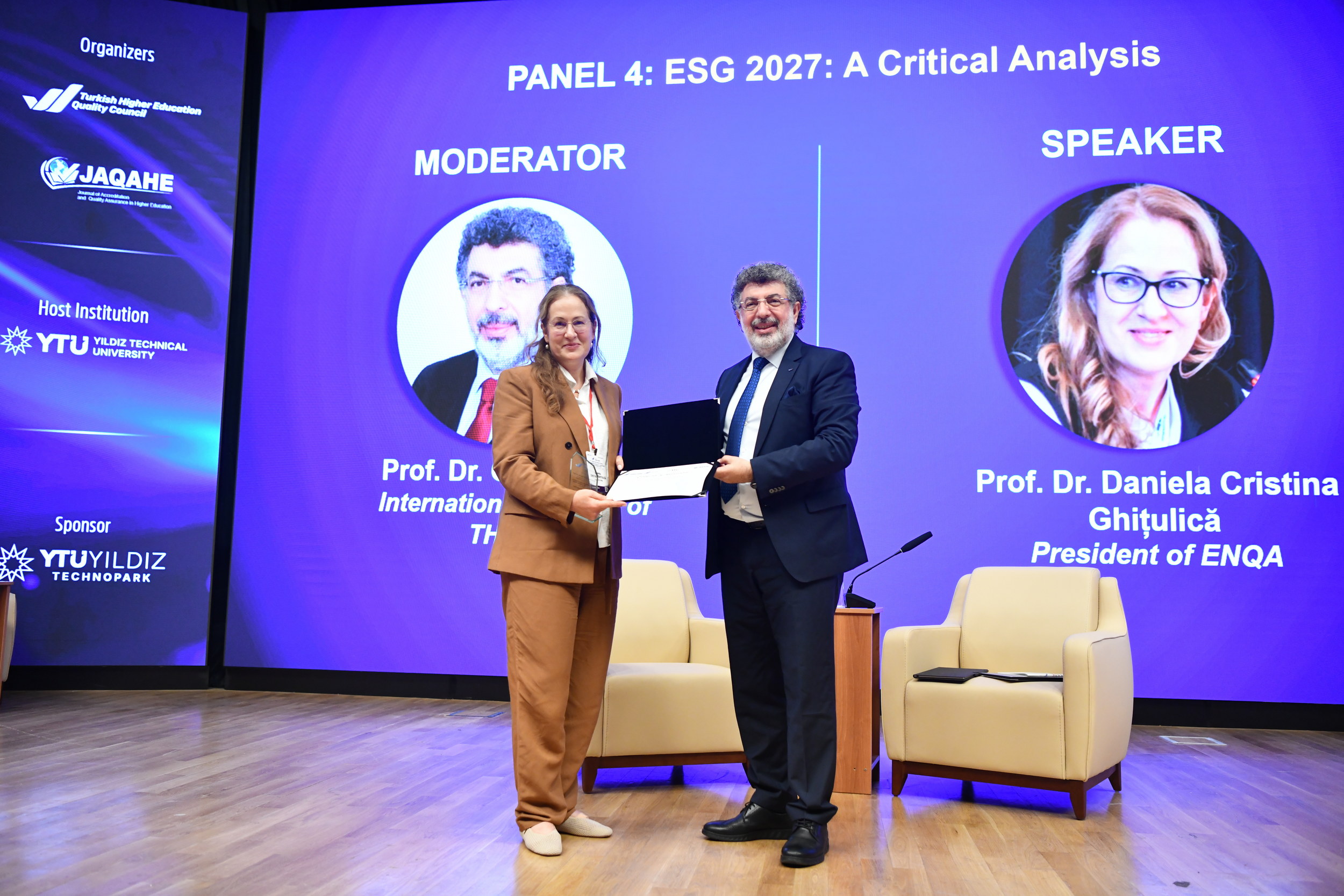
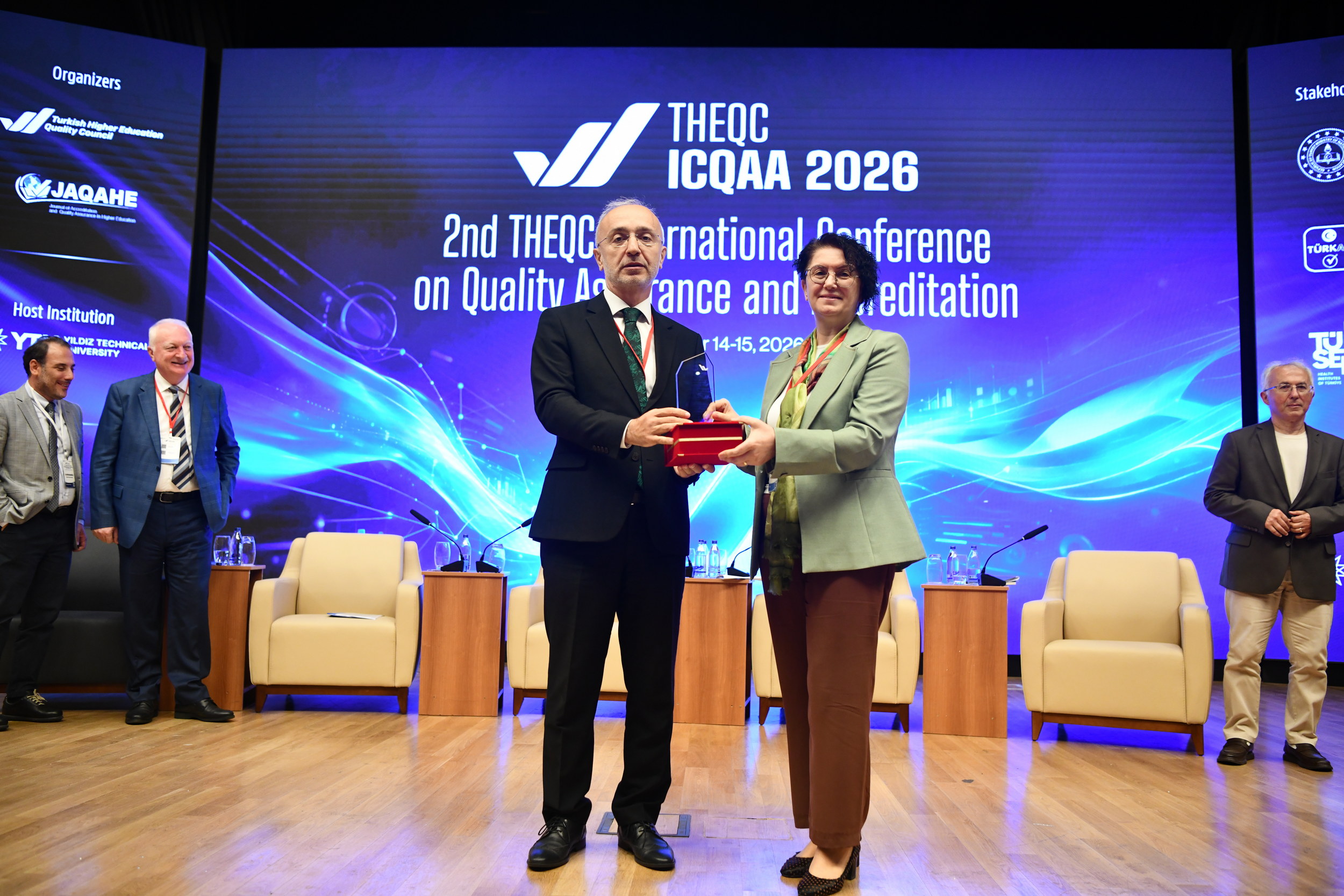
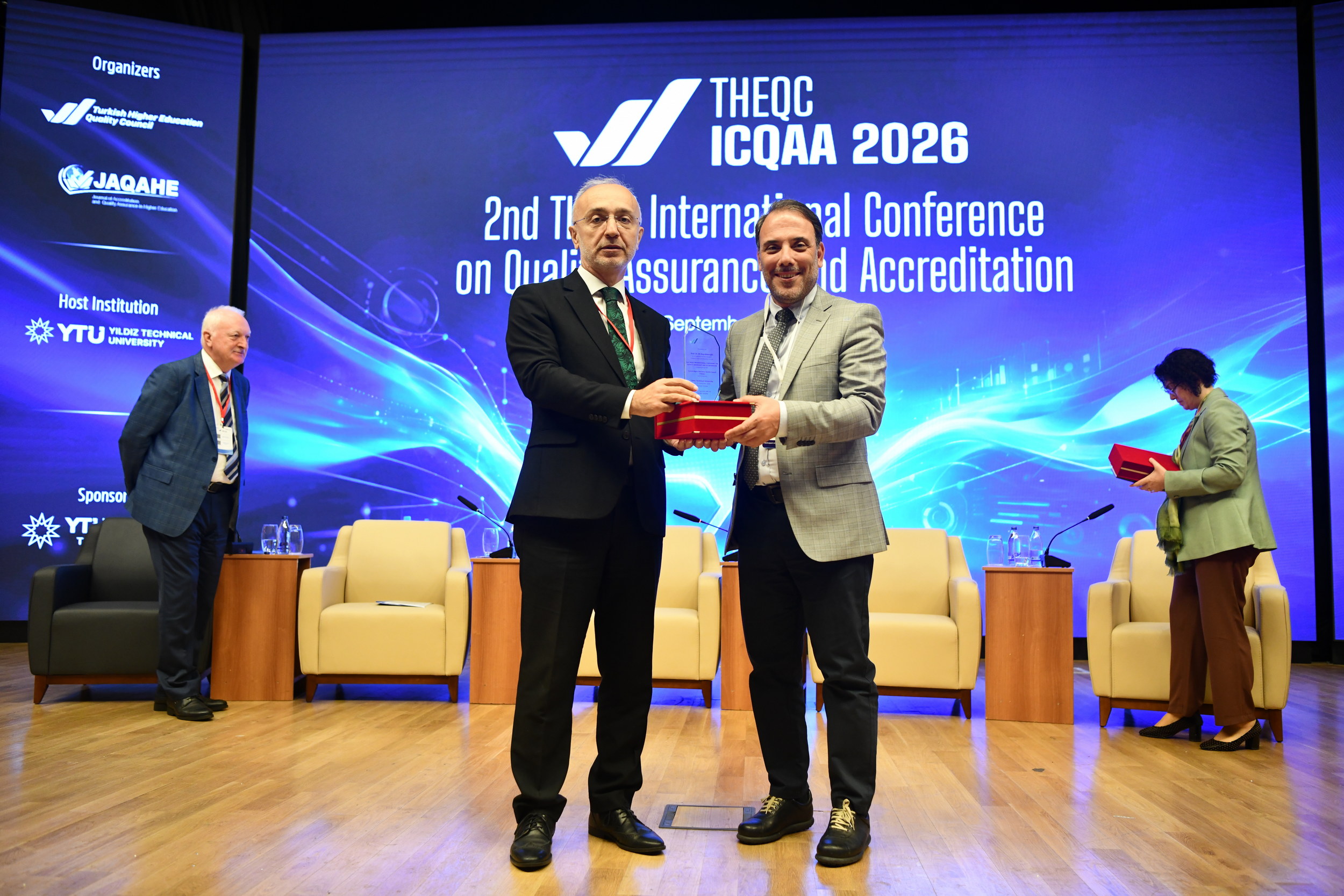
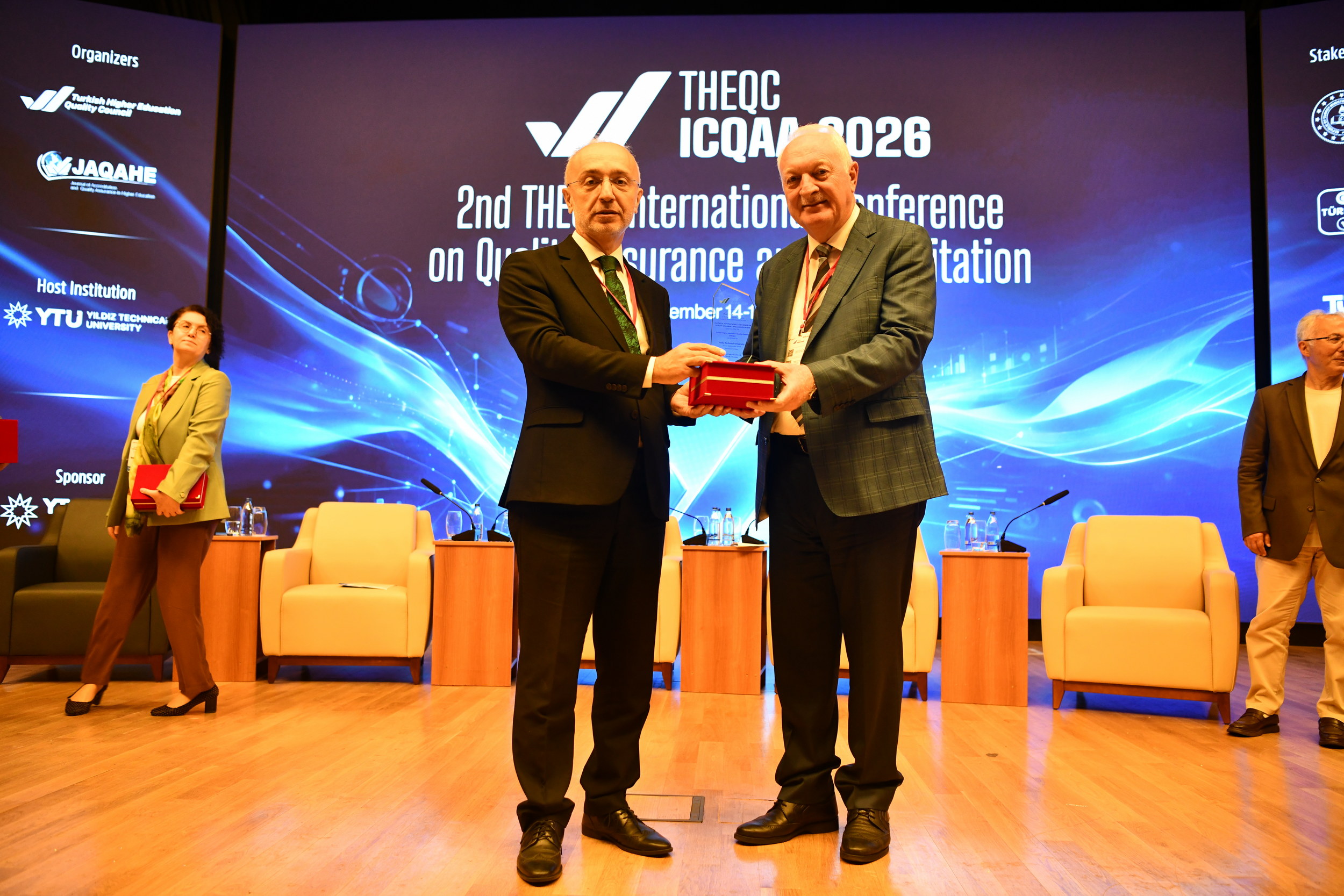
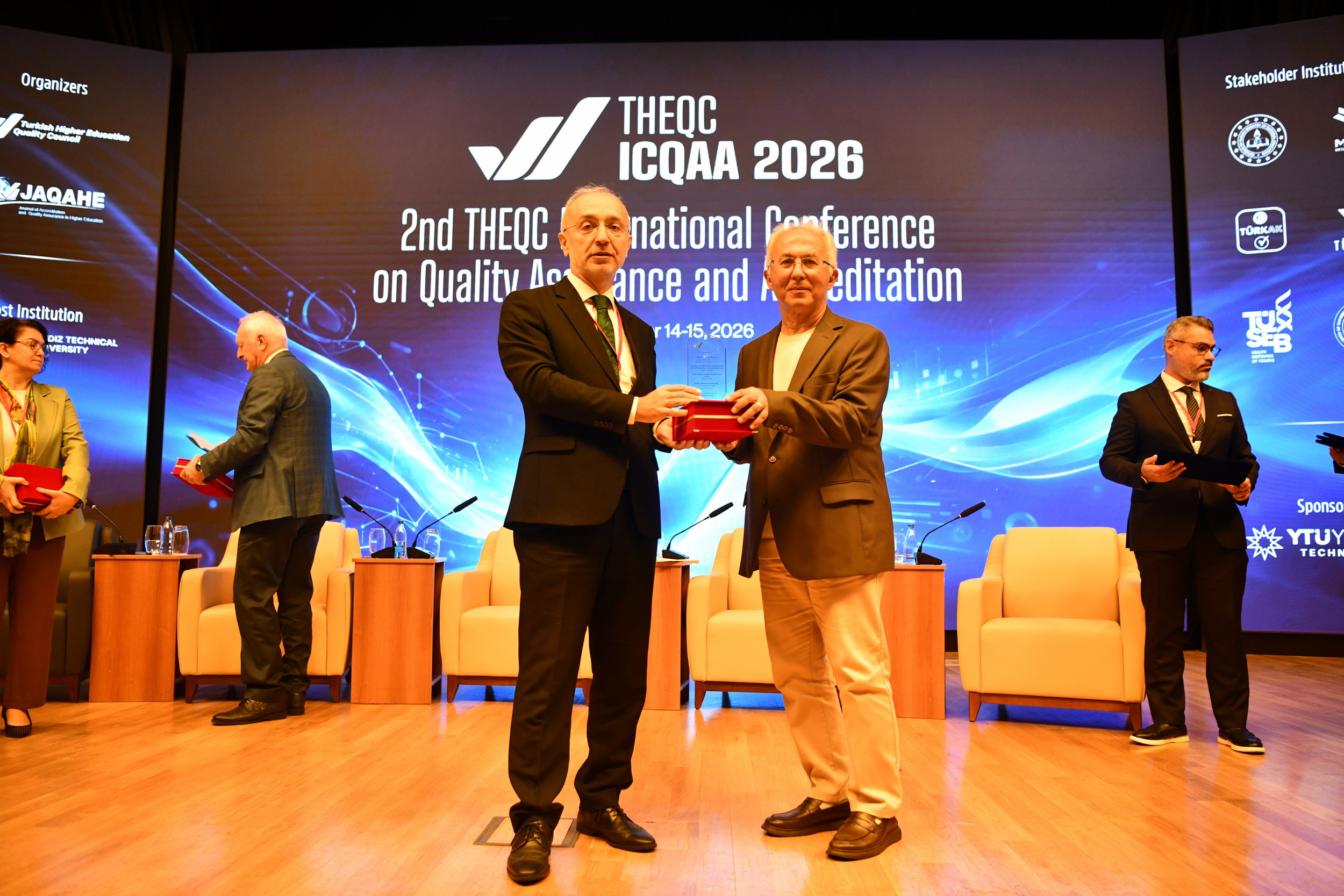
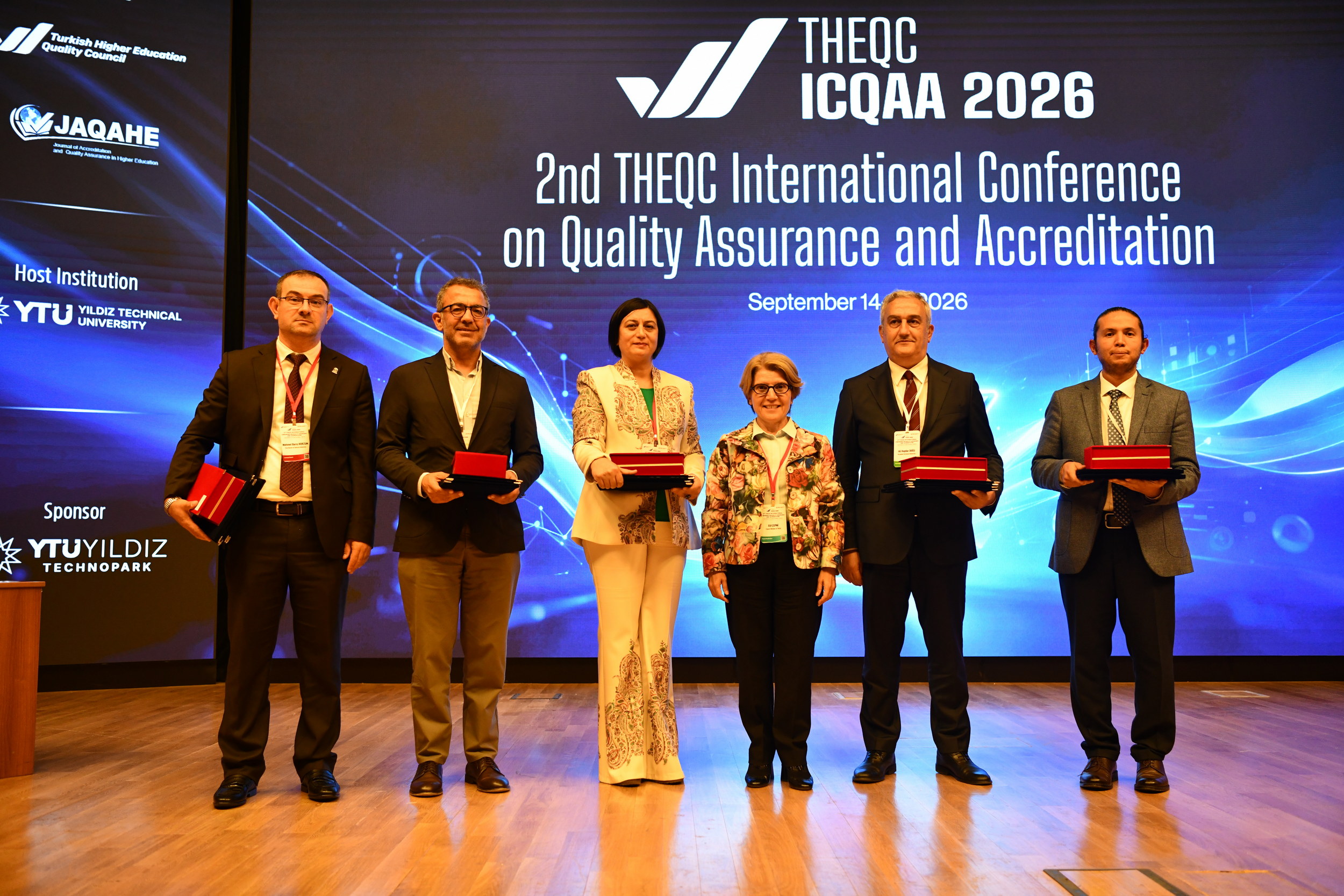
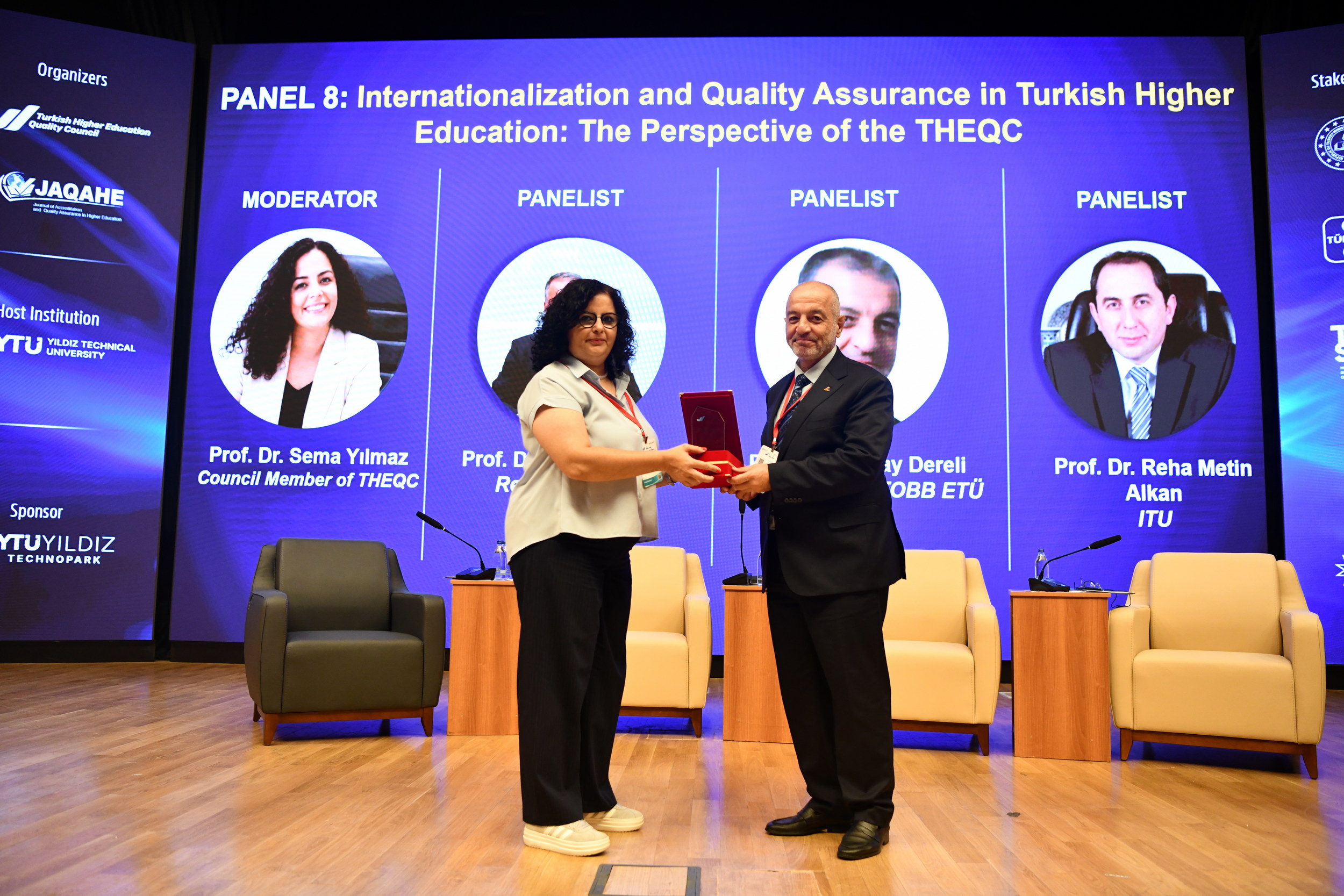
Following the opening speeches, plaques and certificates were presented to representatives of the Vocational Qualifications Authority (VQA), one of the sponsor and stakeholder institutions, in appreciation of their support.
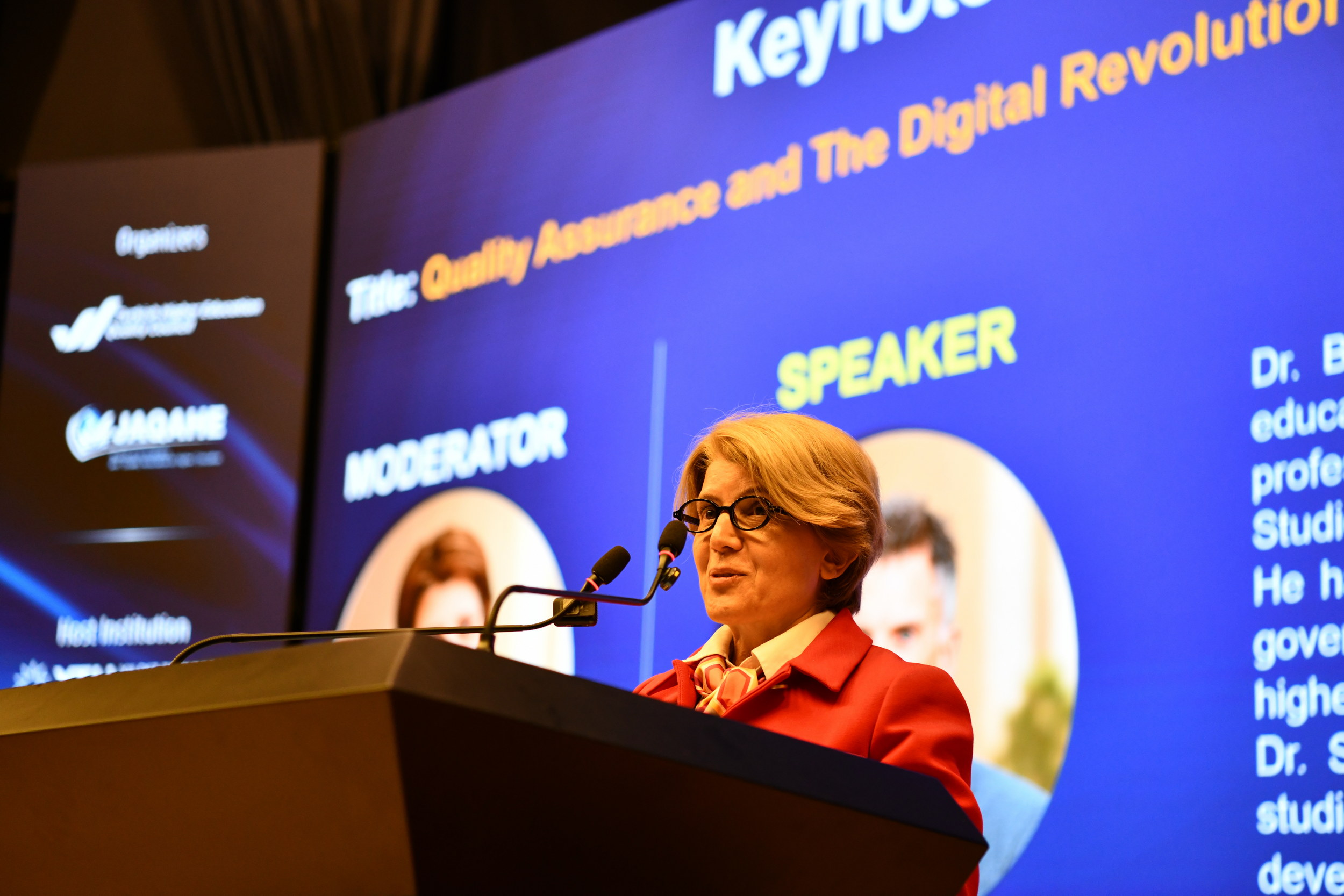
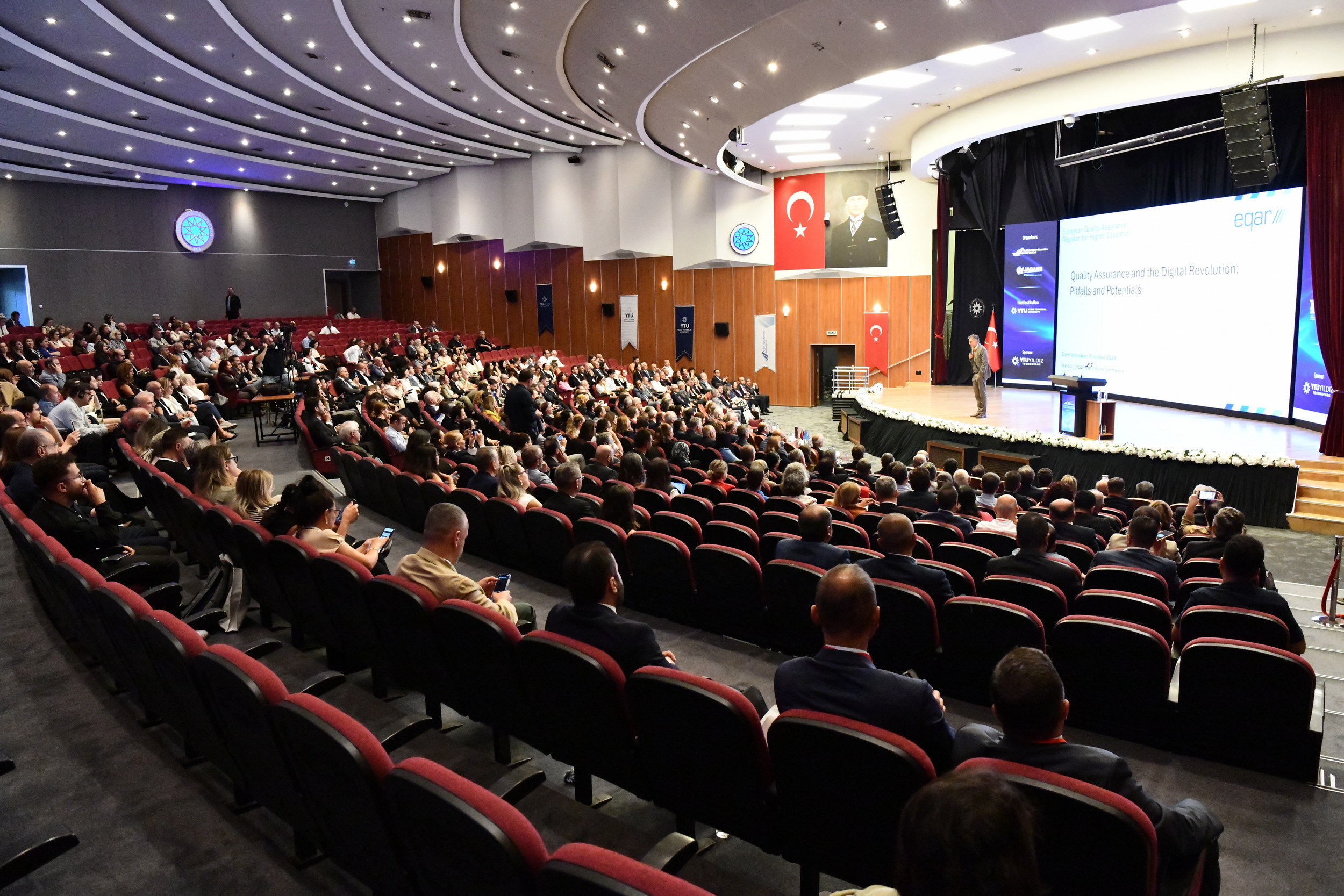
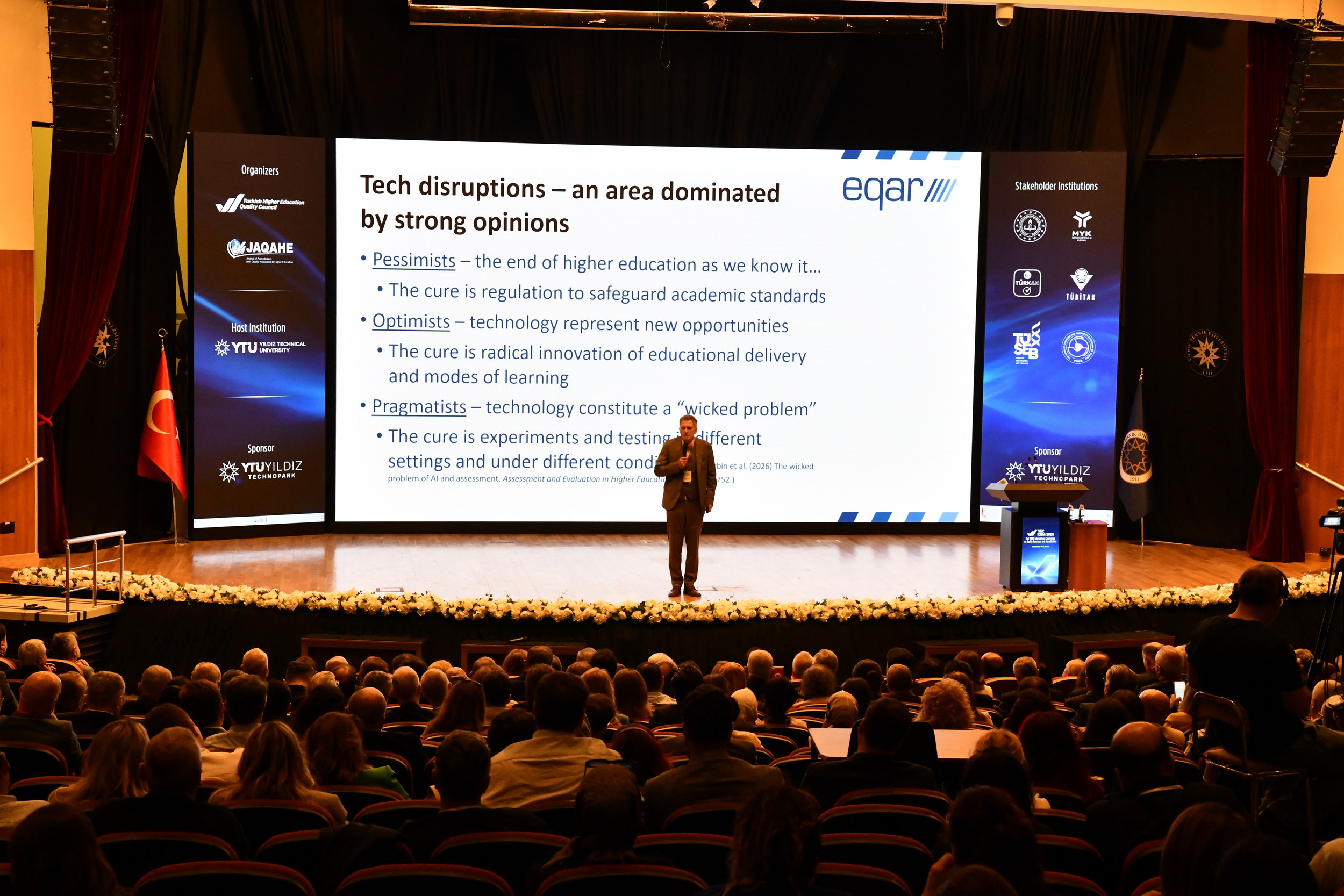
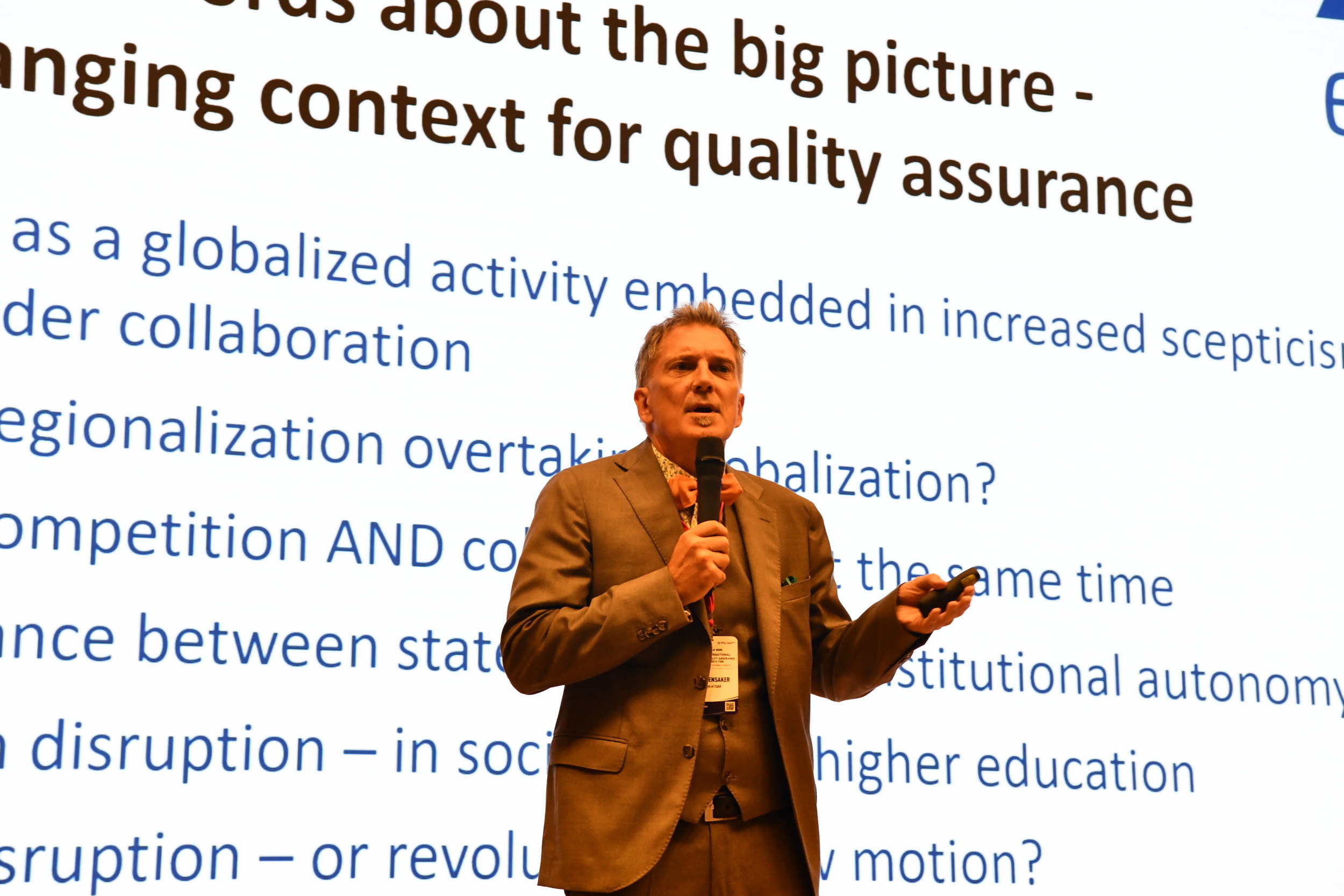
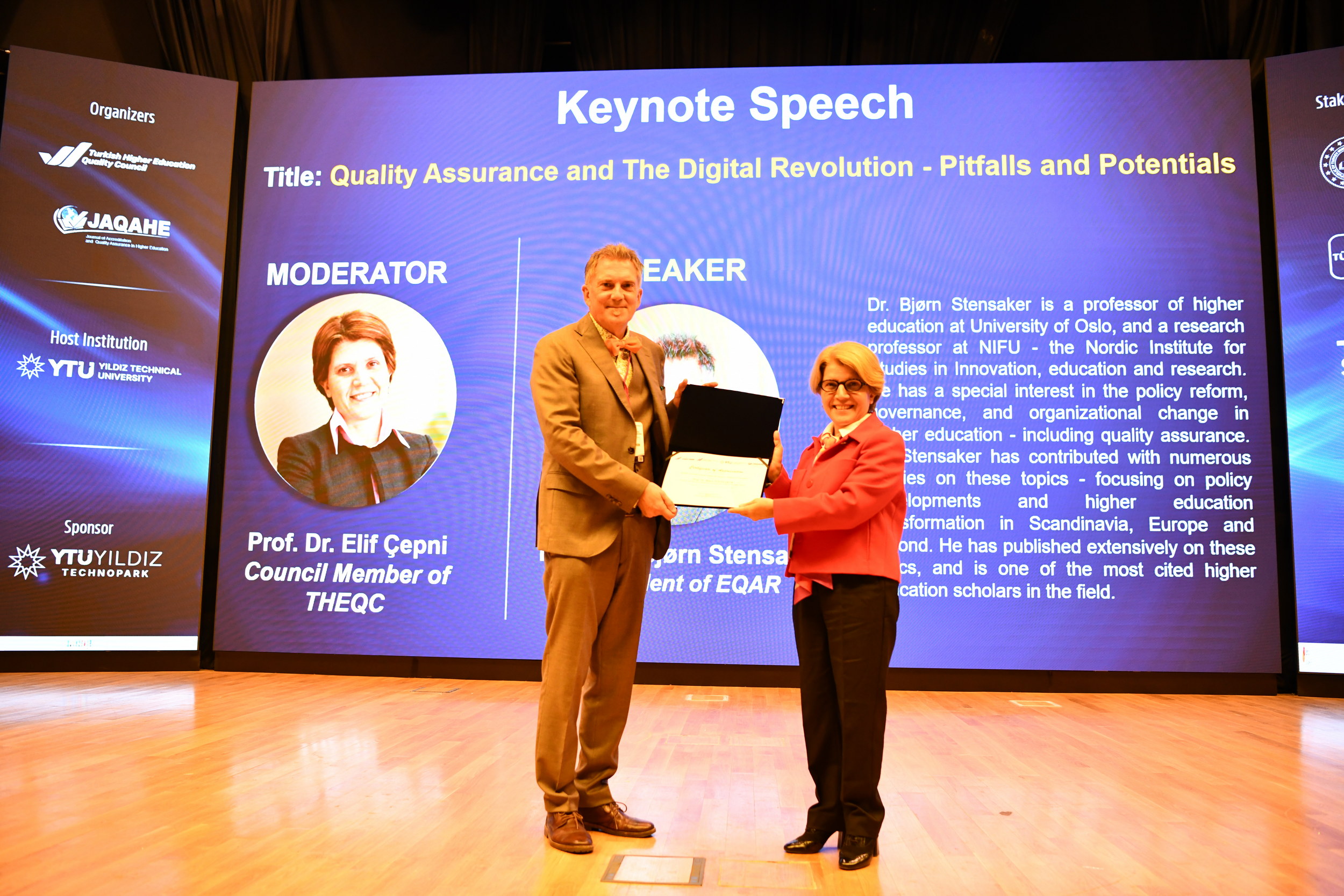
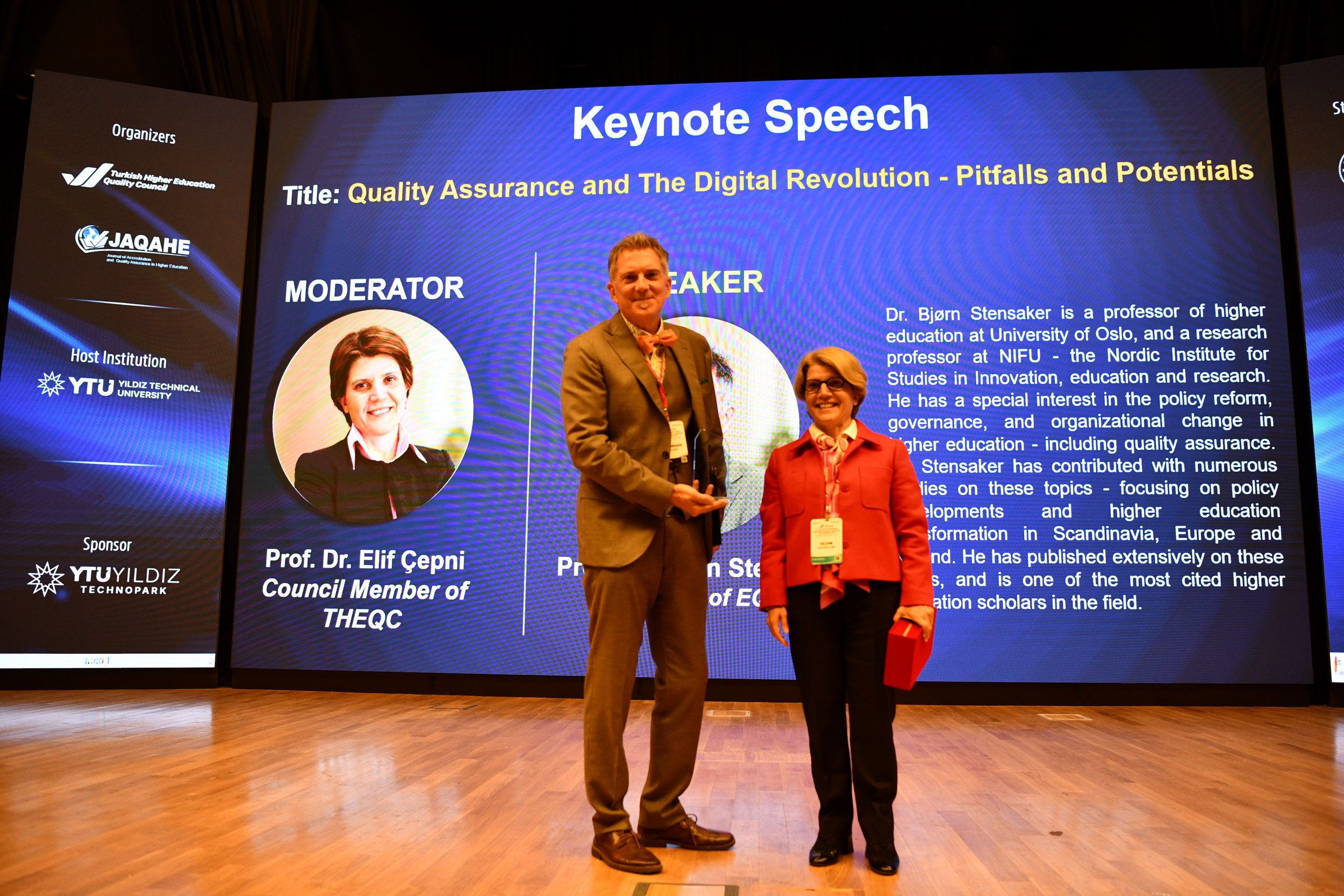
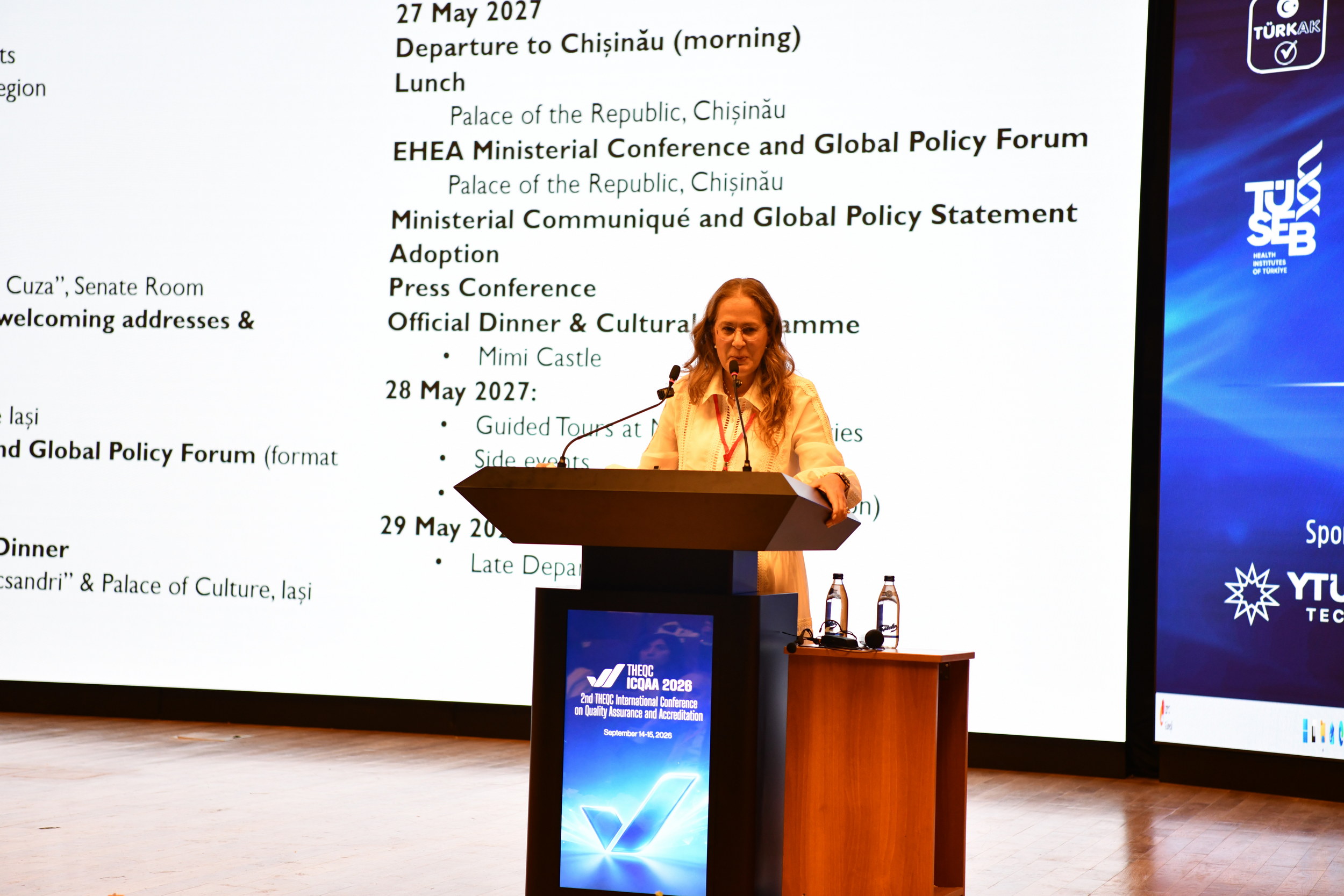
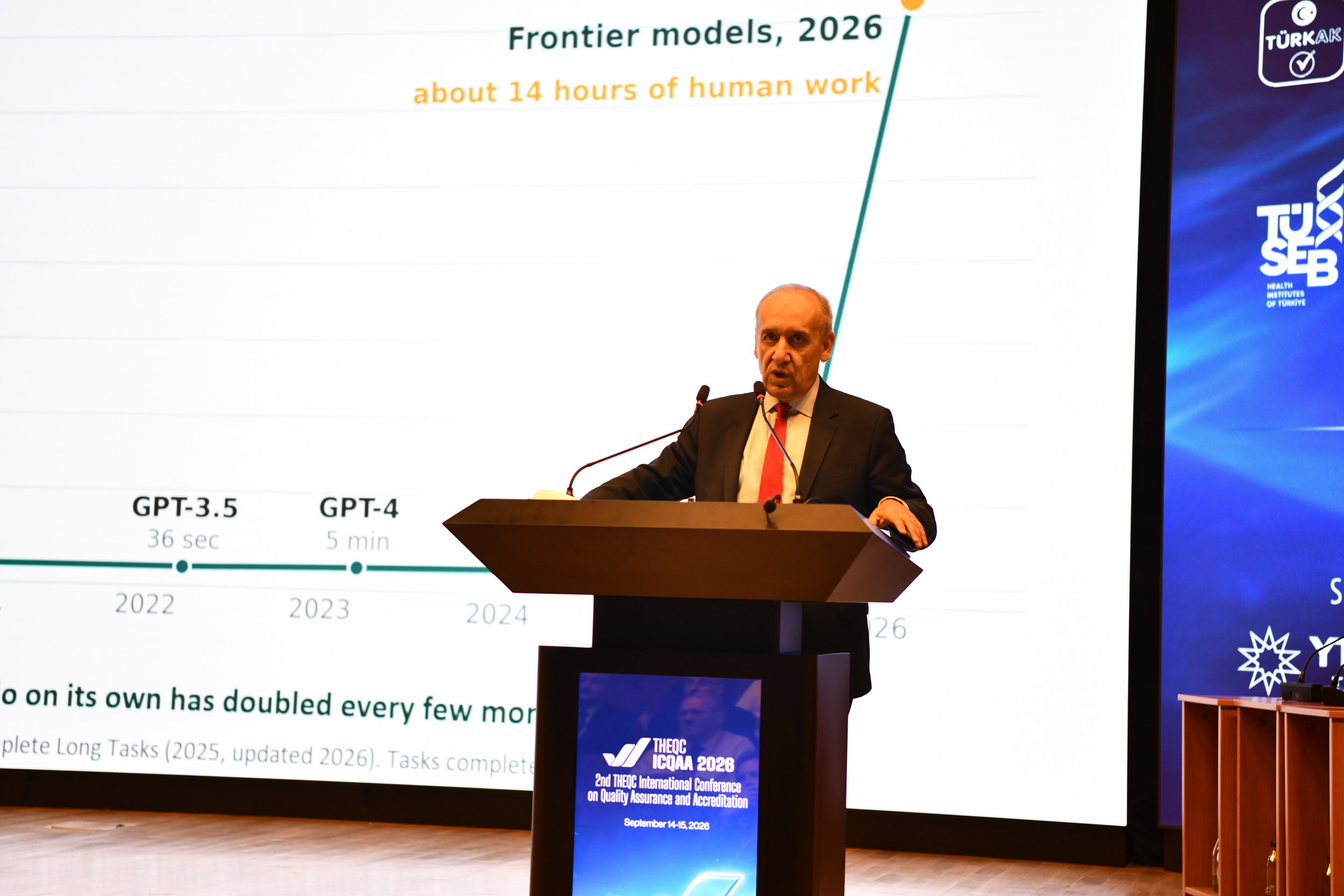
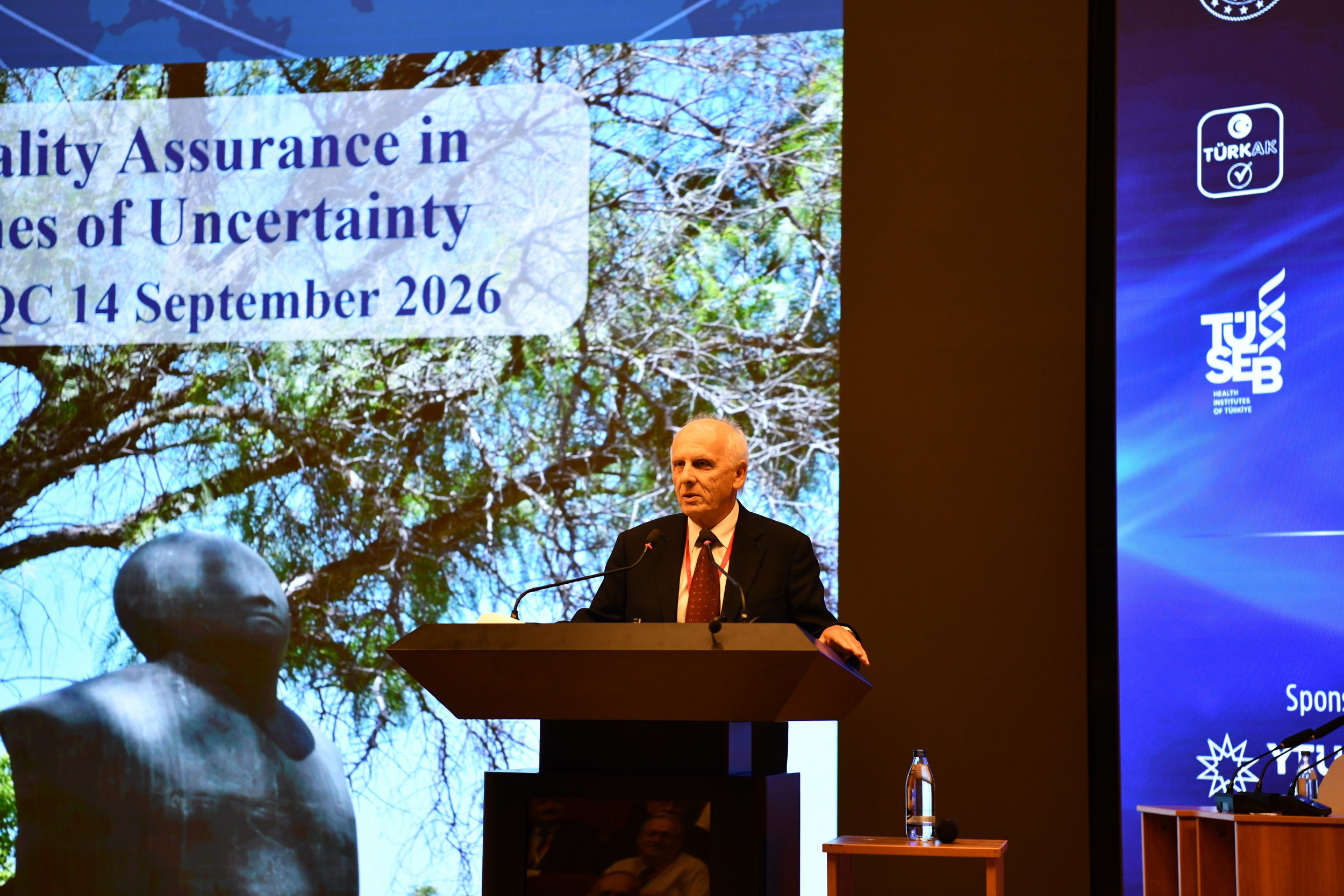
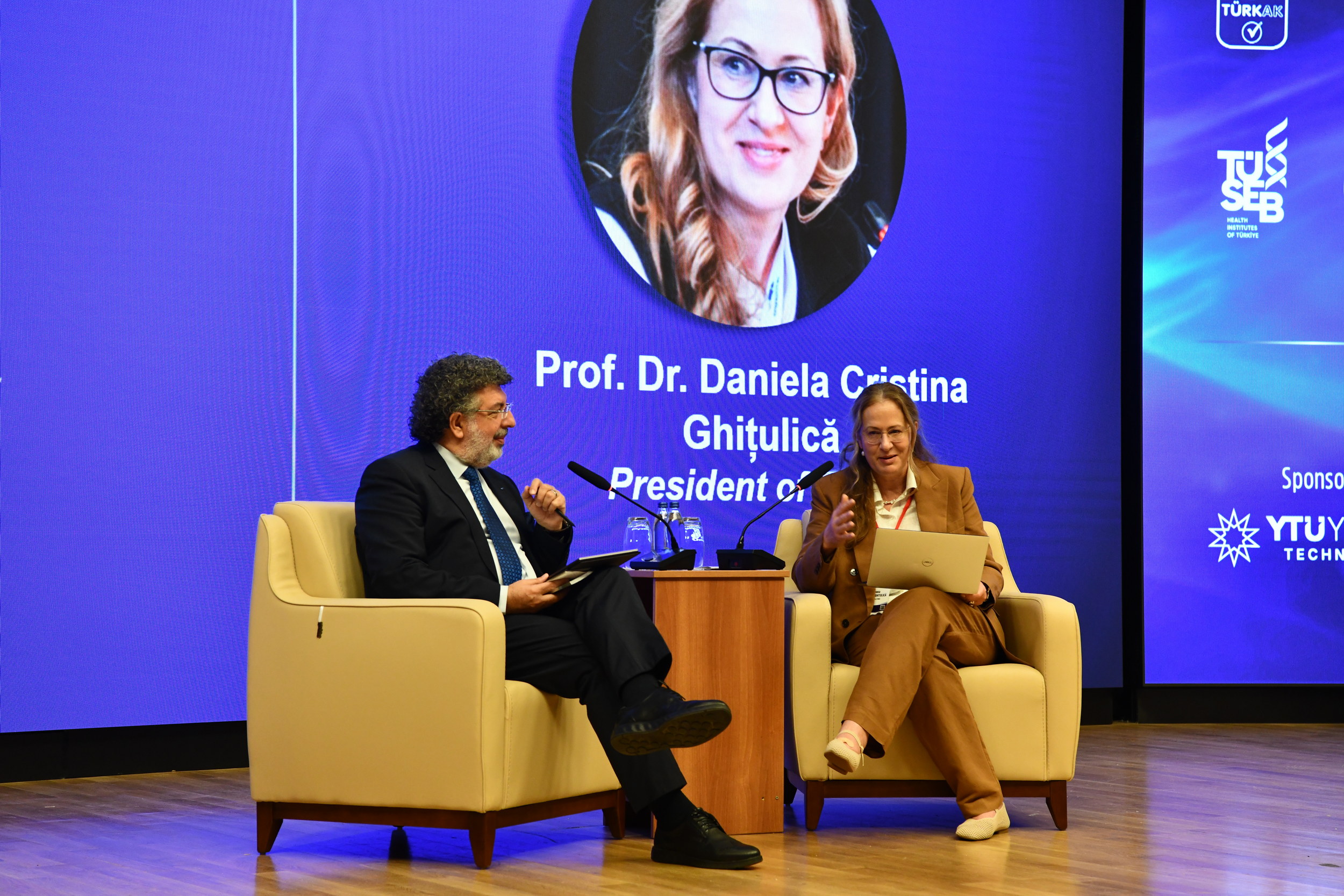
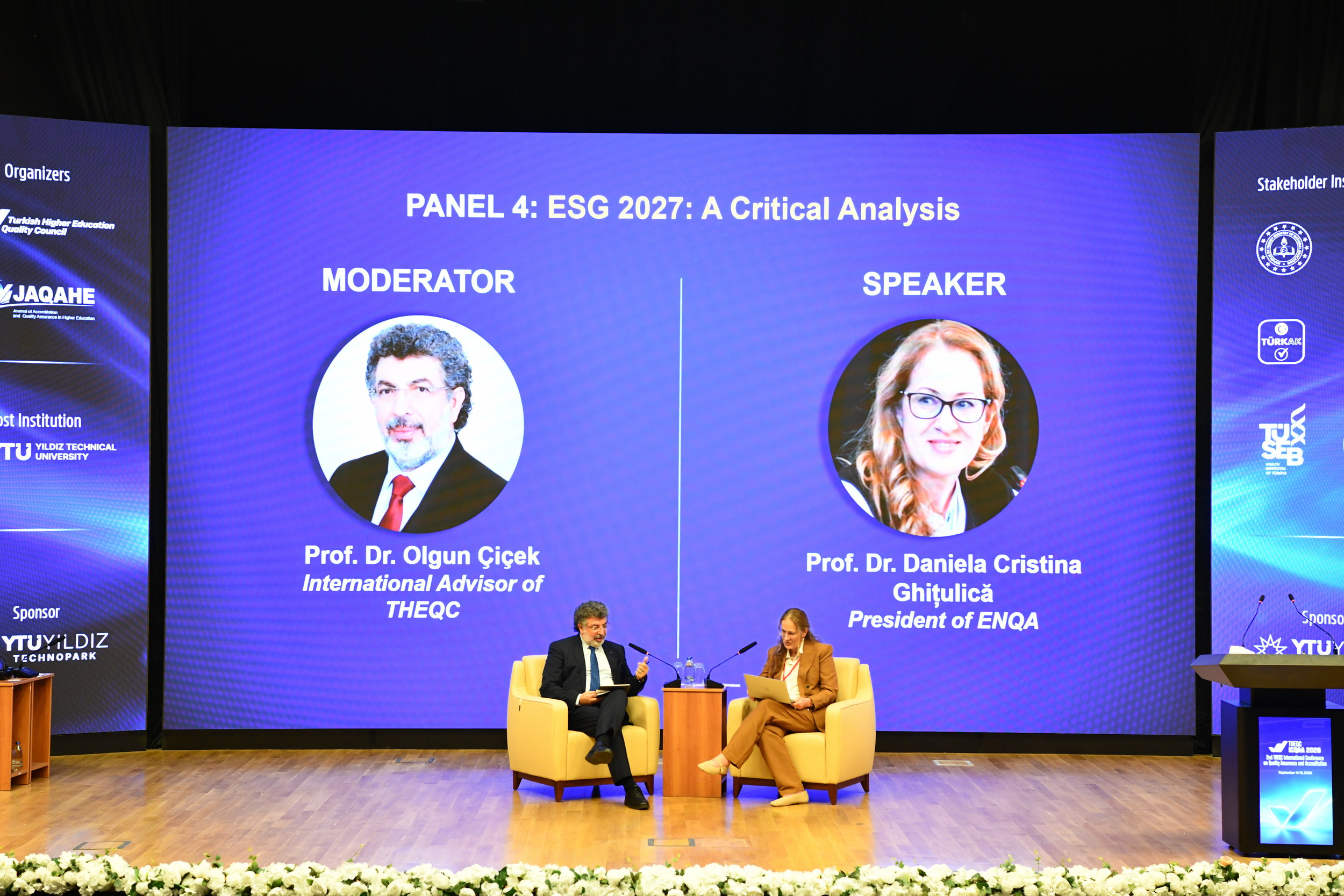
In the keynote sessions following the opening speeches and plaque presentations, EQAR President Stensaker delivered his presentation titled “Quality Assurance and the Digital Revolution: Pitfalls and Potentials,” while ENQA President Ghitulica delivered her speech titled “Quality Assurance in the European Higher Education Area: Principles, Framework, and the Latest Developments.” In the afternoon session, CHEA President Paydar delivered his presentation titled “Trust in the Era of AI: The Future of Quality Assurance in Higher Education,” and Dr Jamil Salmi delivered a presentation titled “Quality Assurance in Times of Uncertainty.” The conference continued with scientific sessions featuring invited speakers.
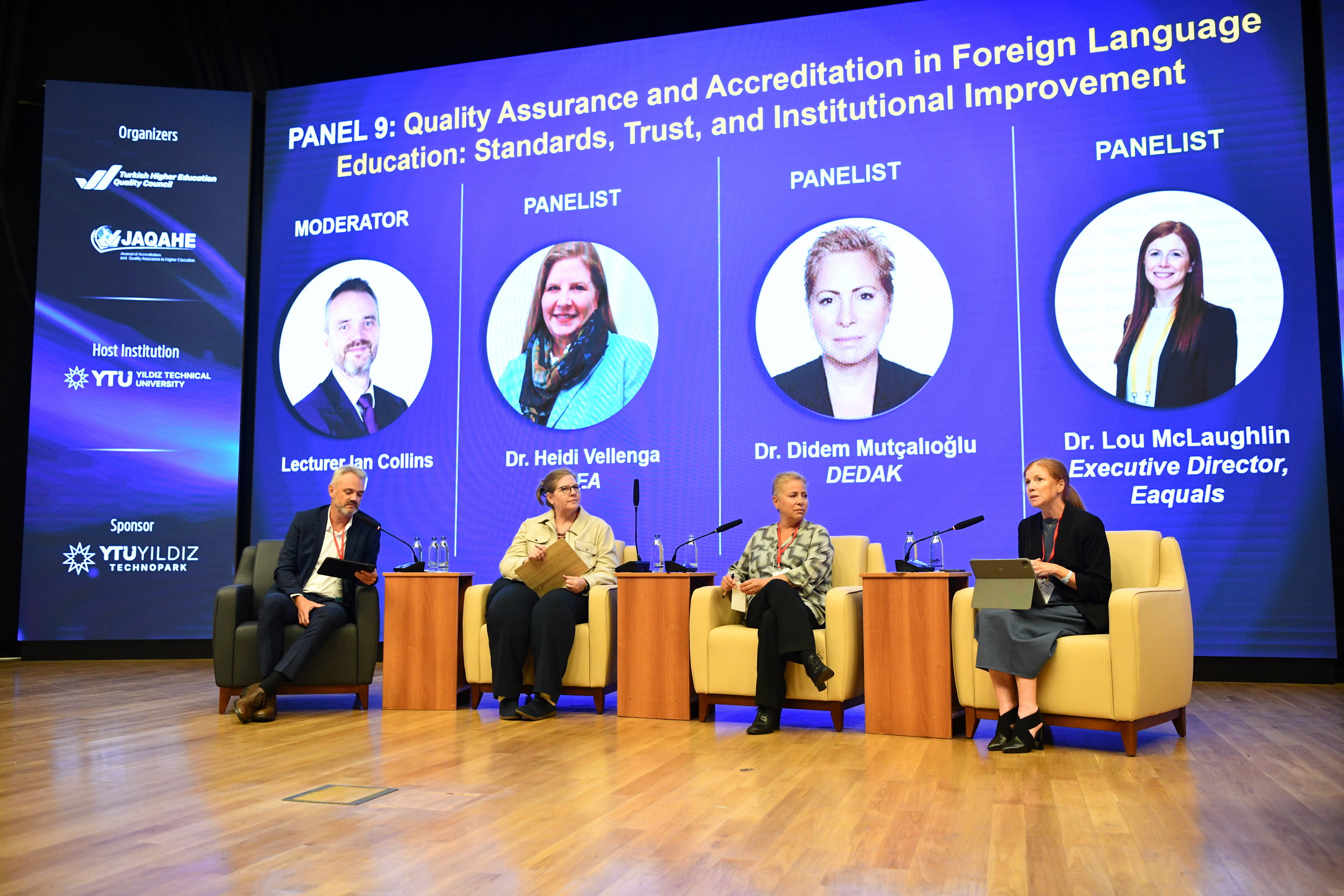
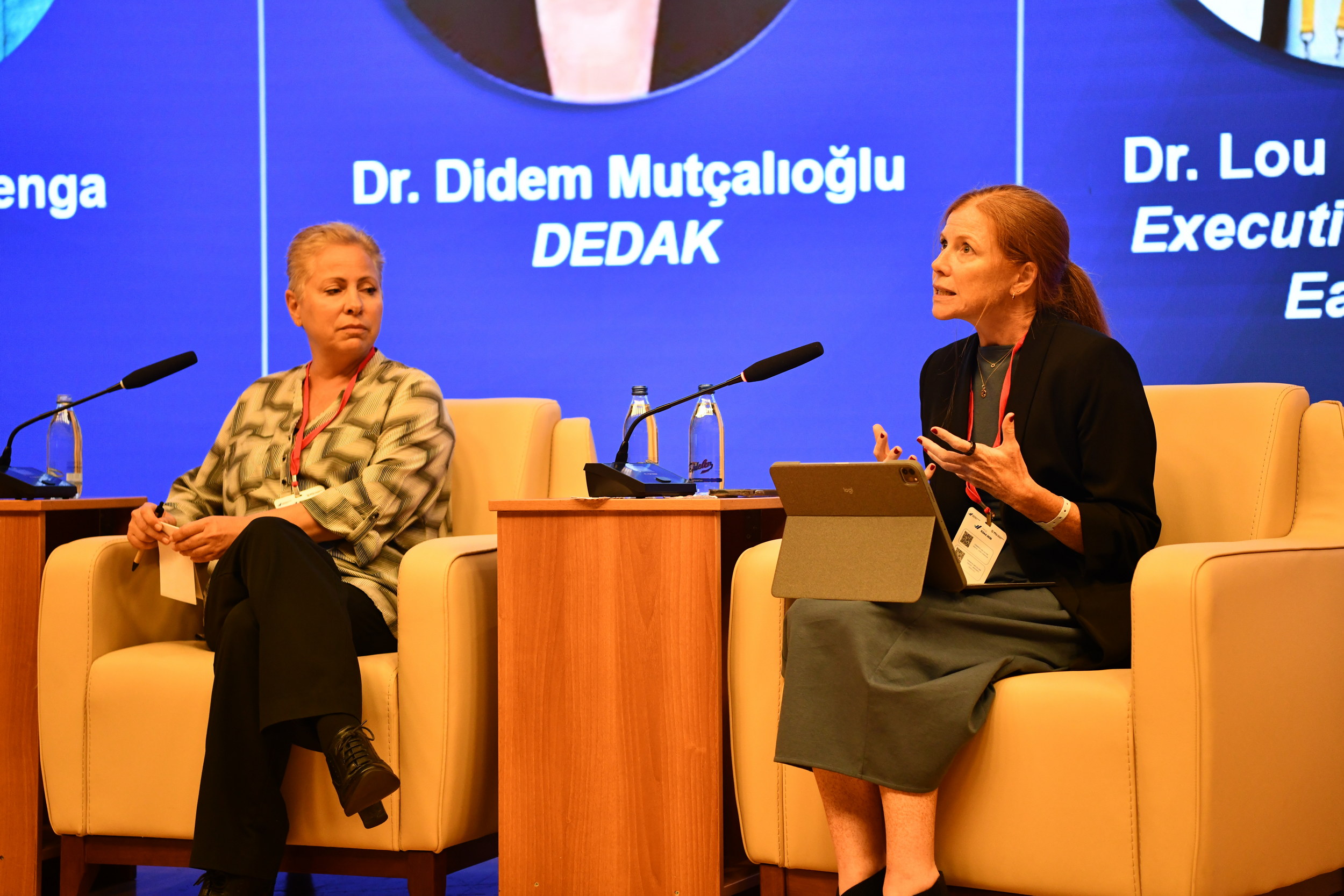
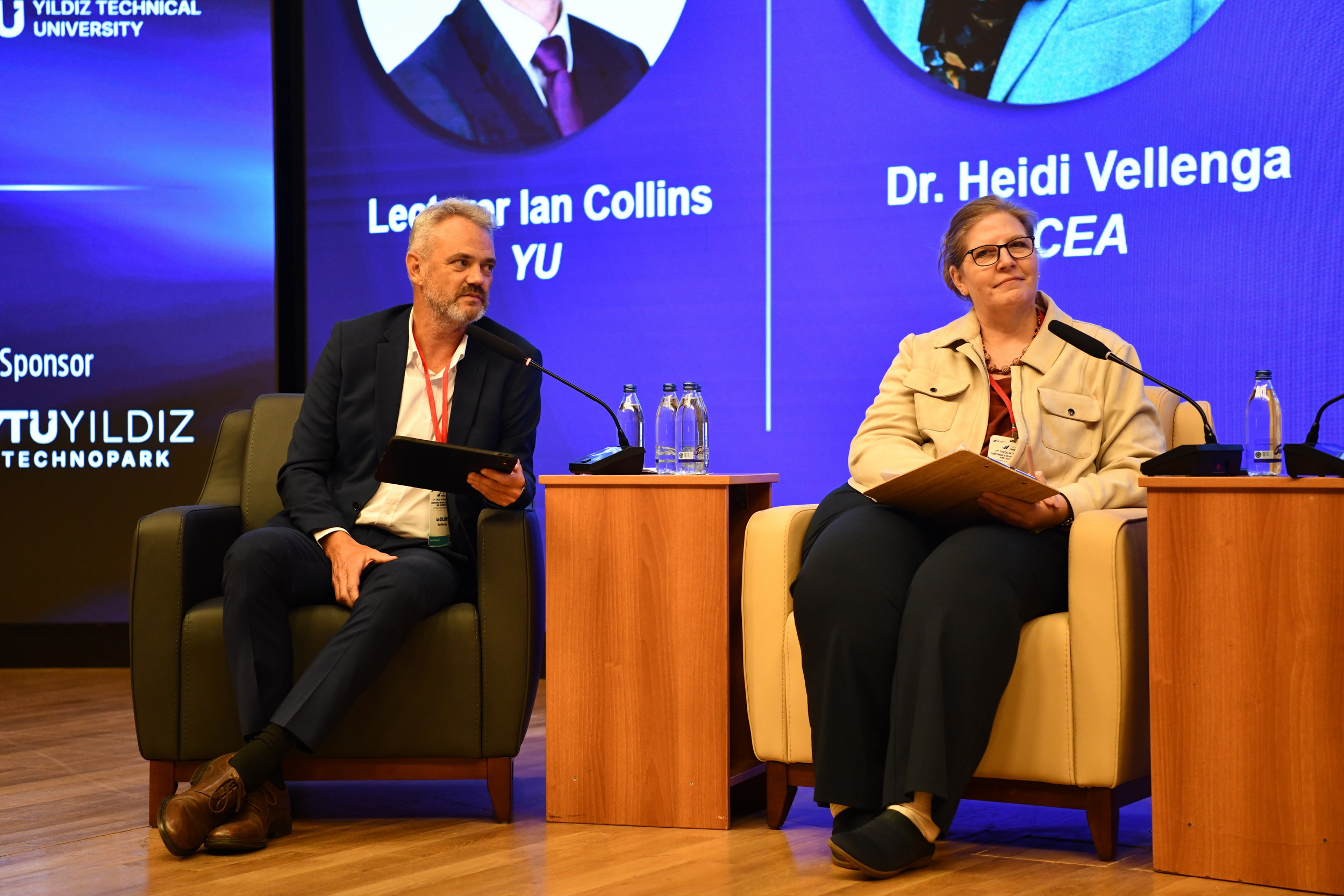
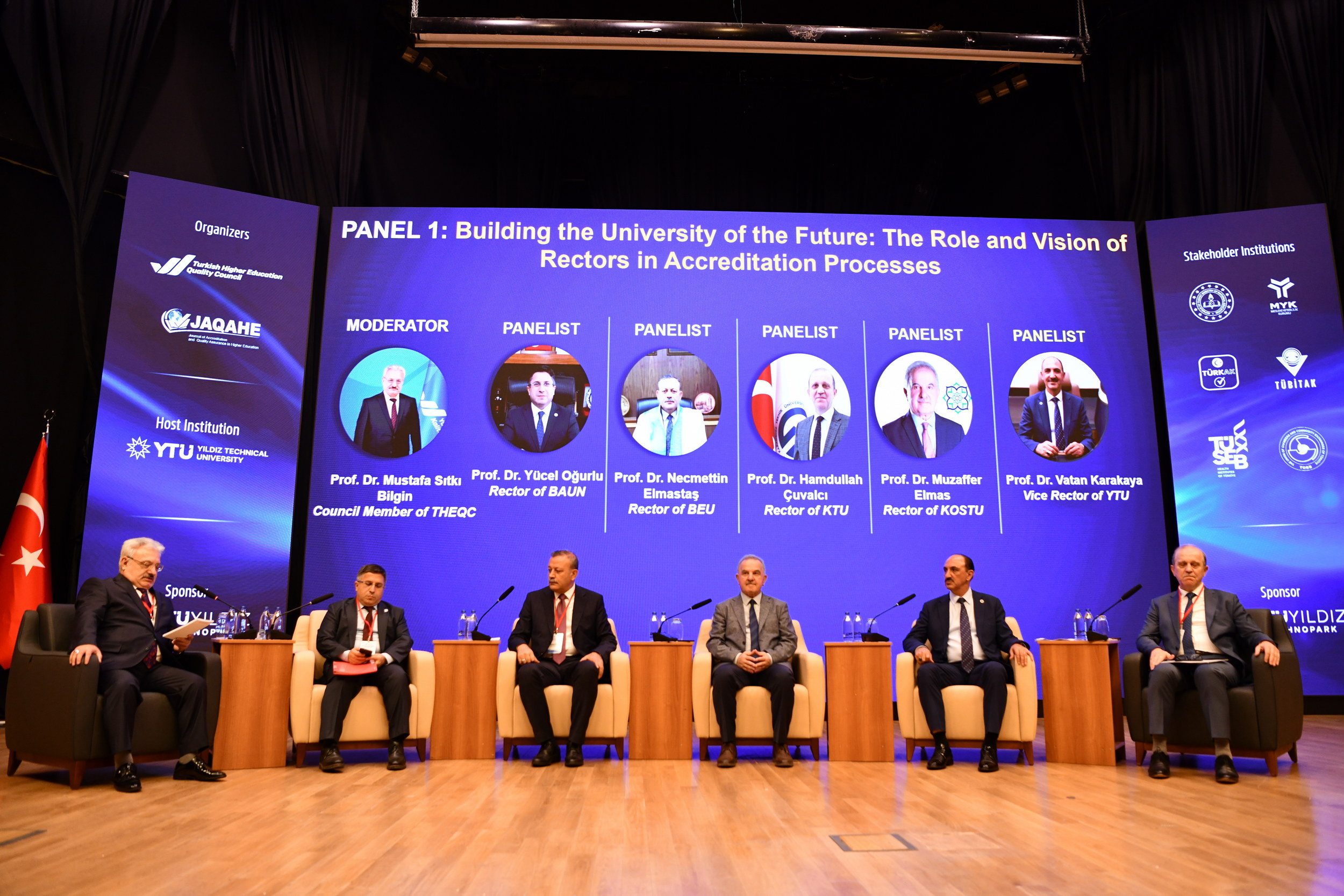
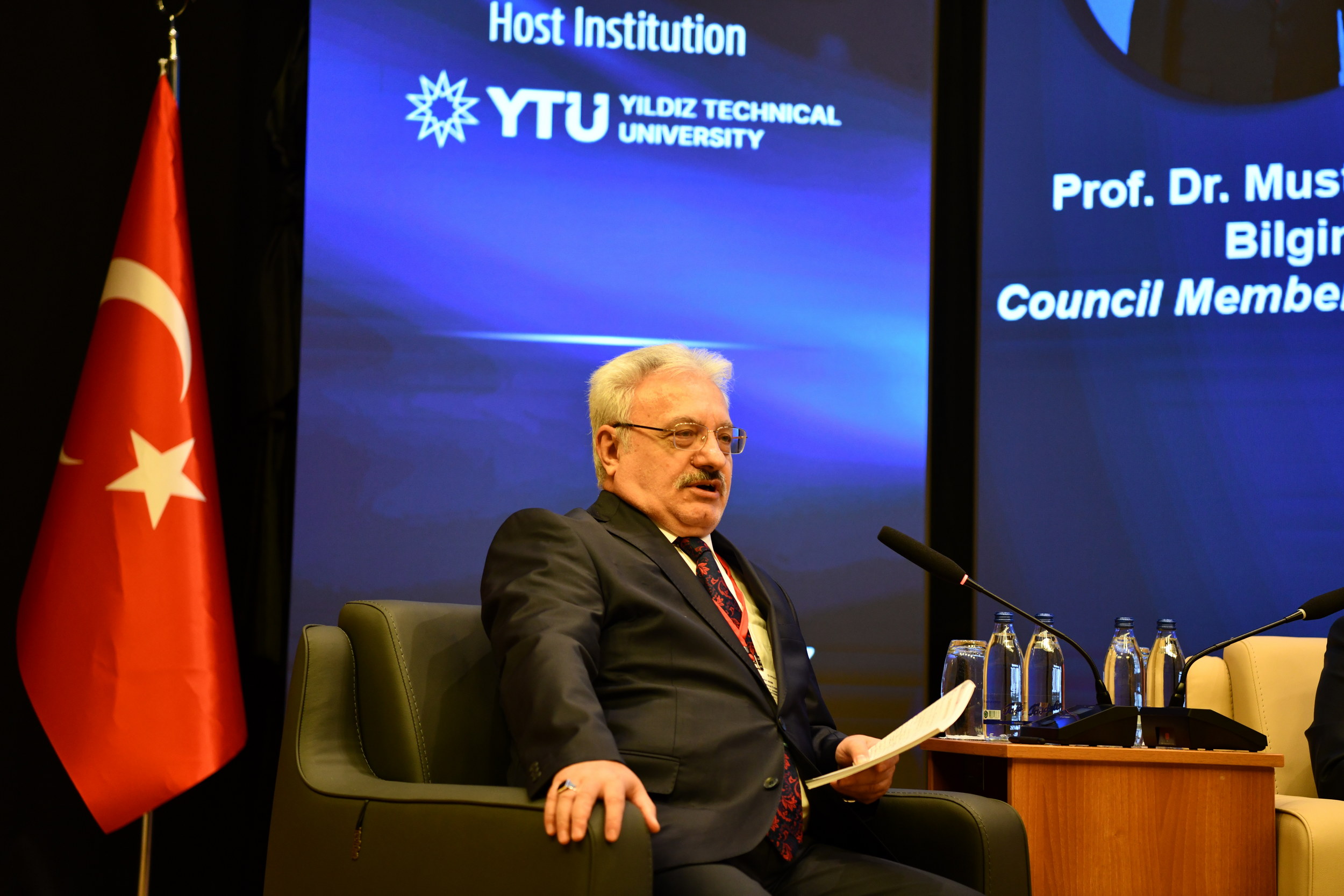
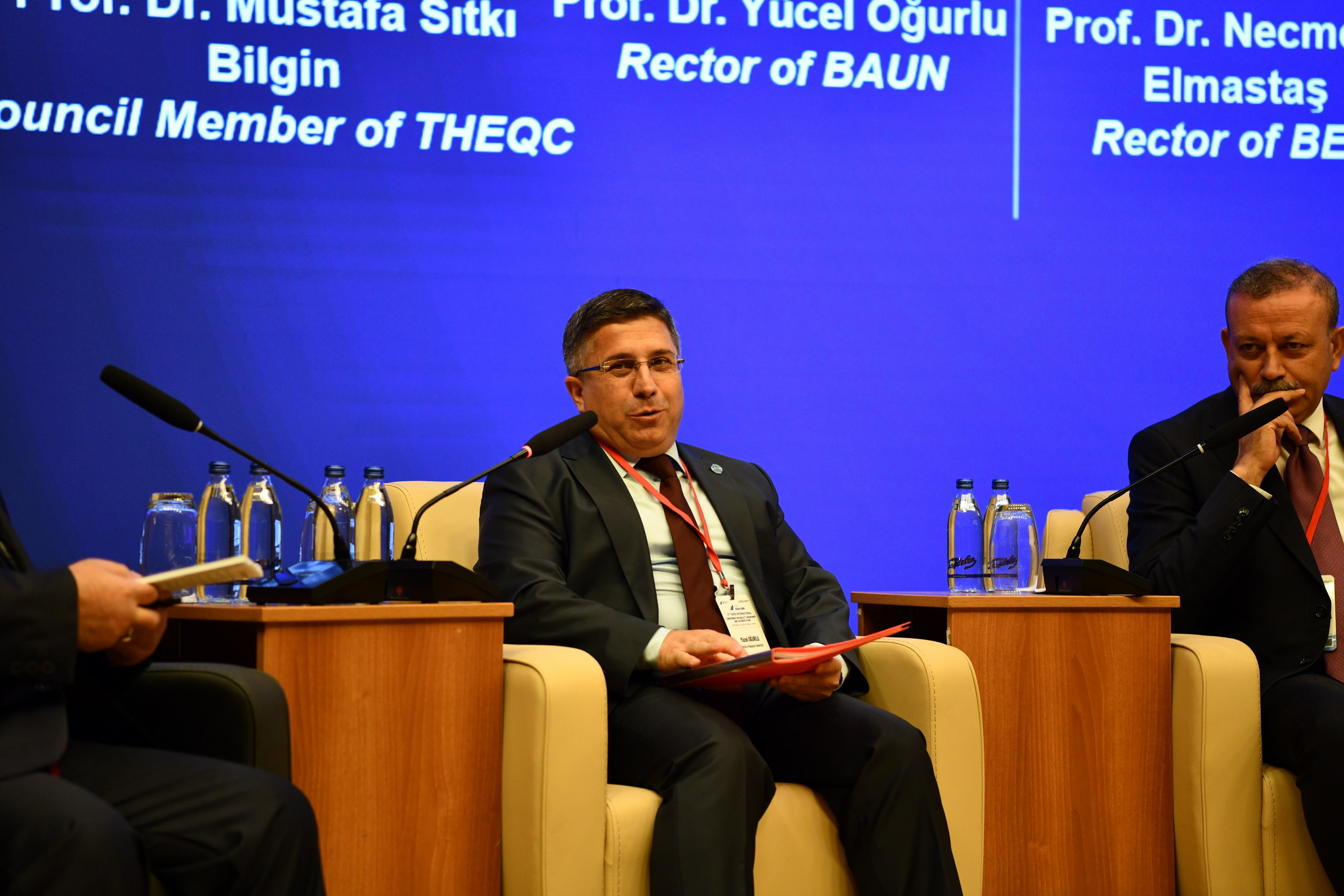
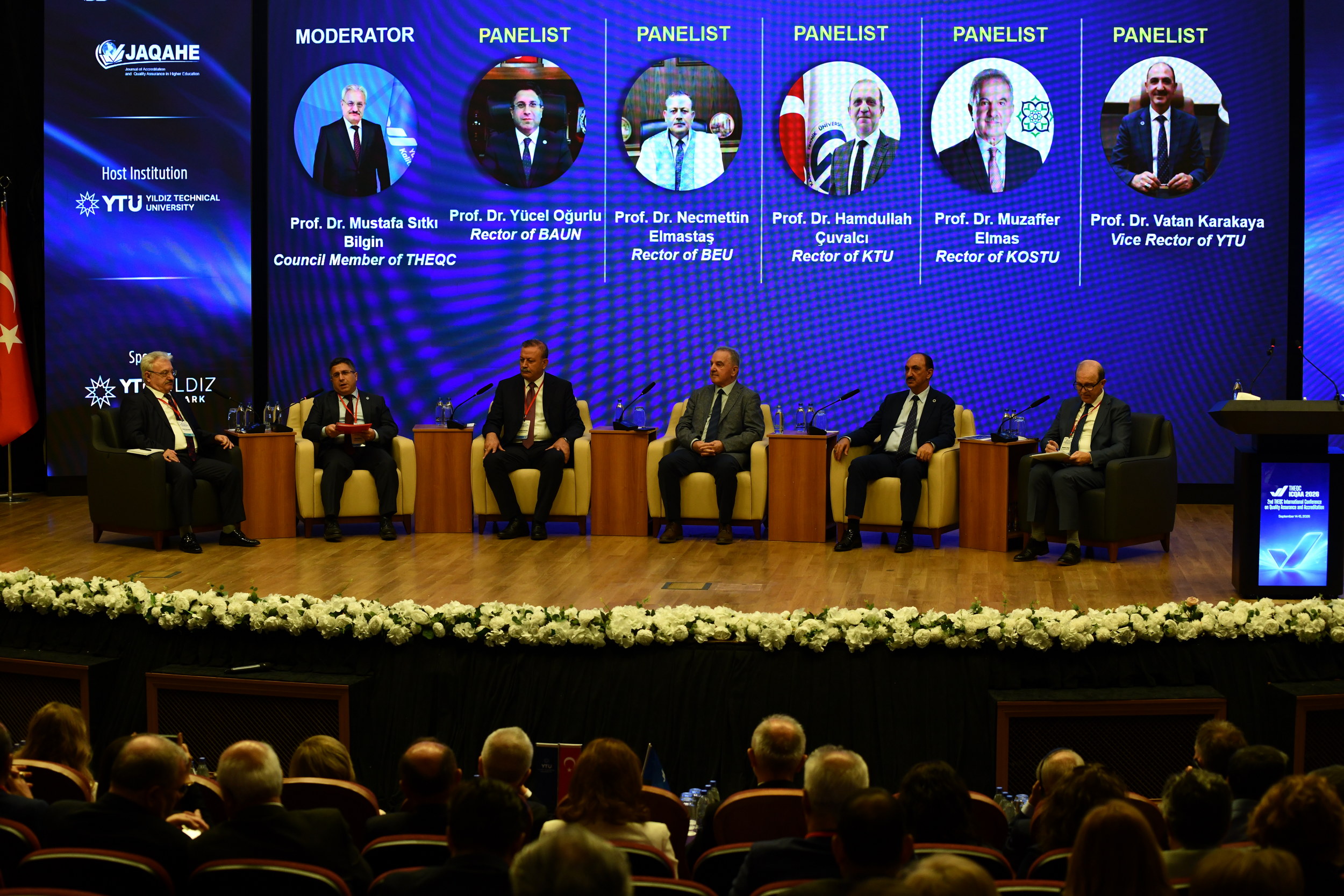
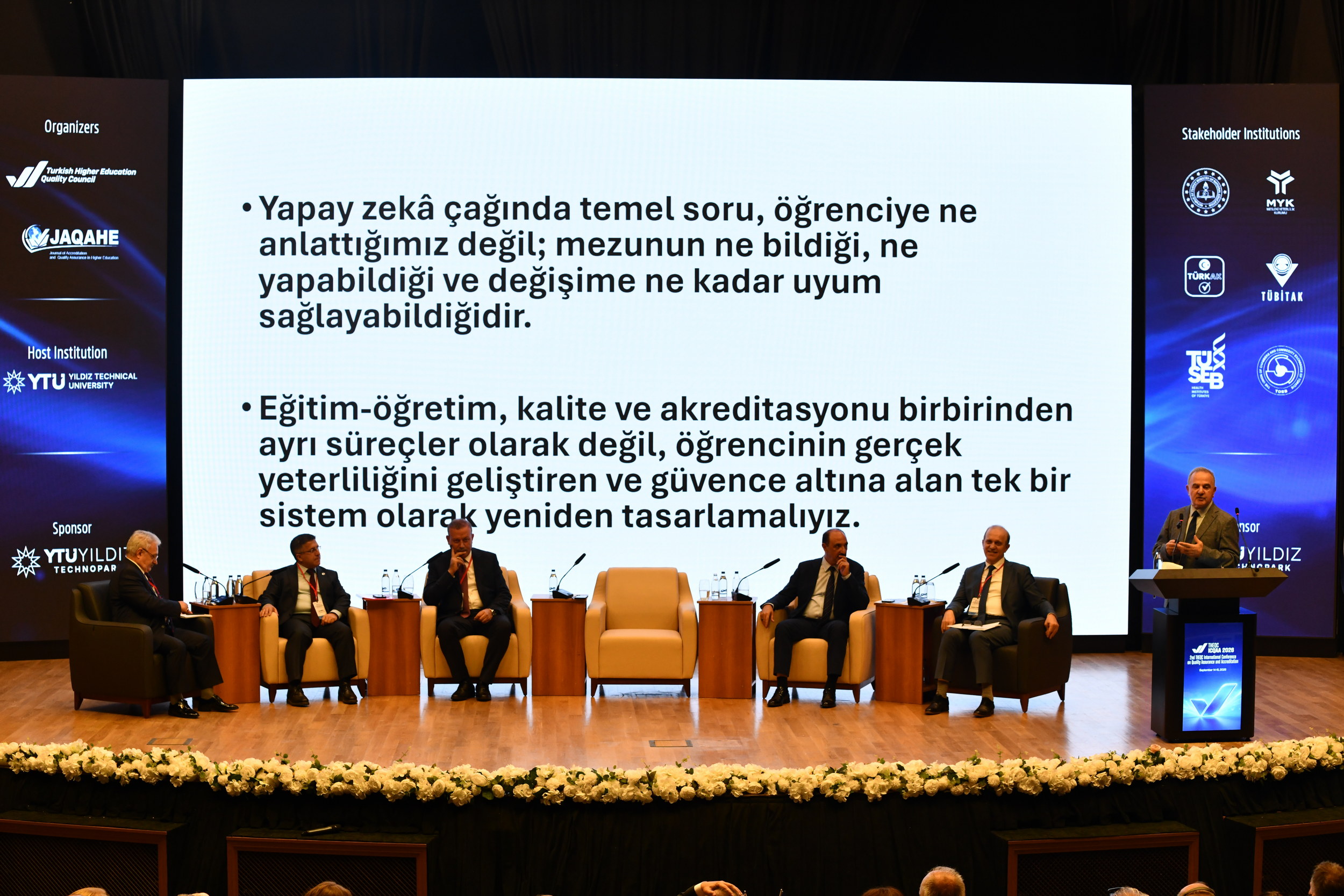
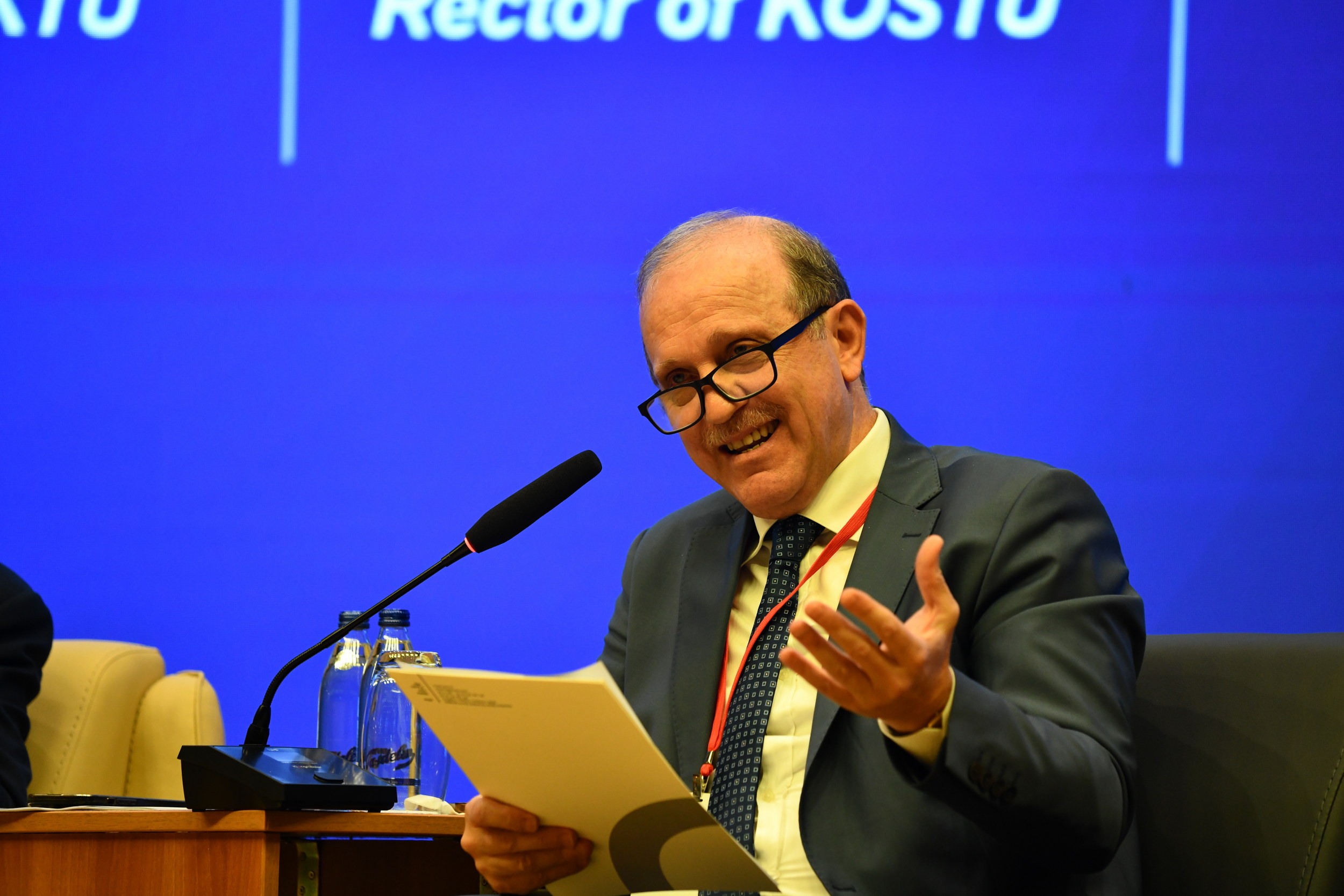
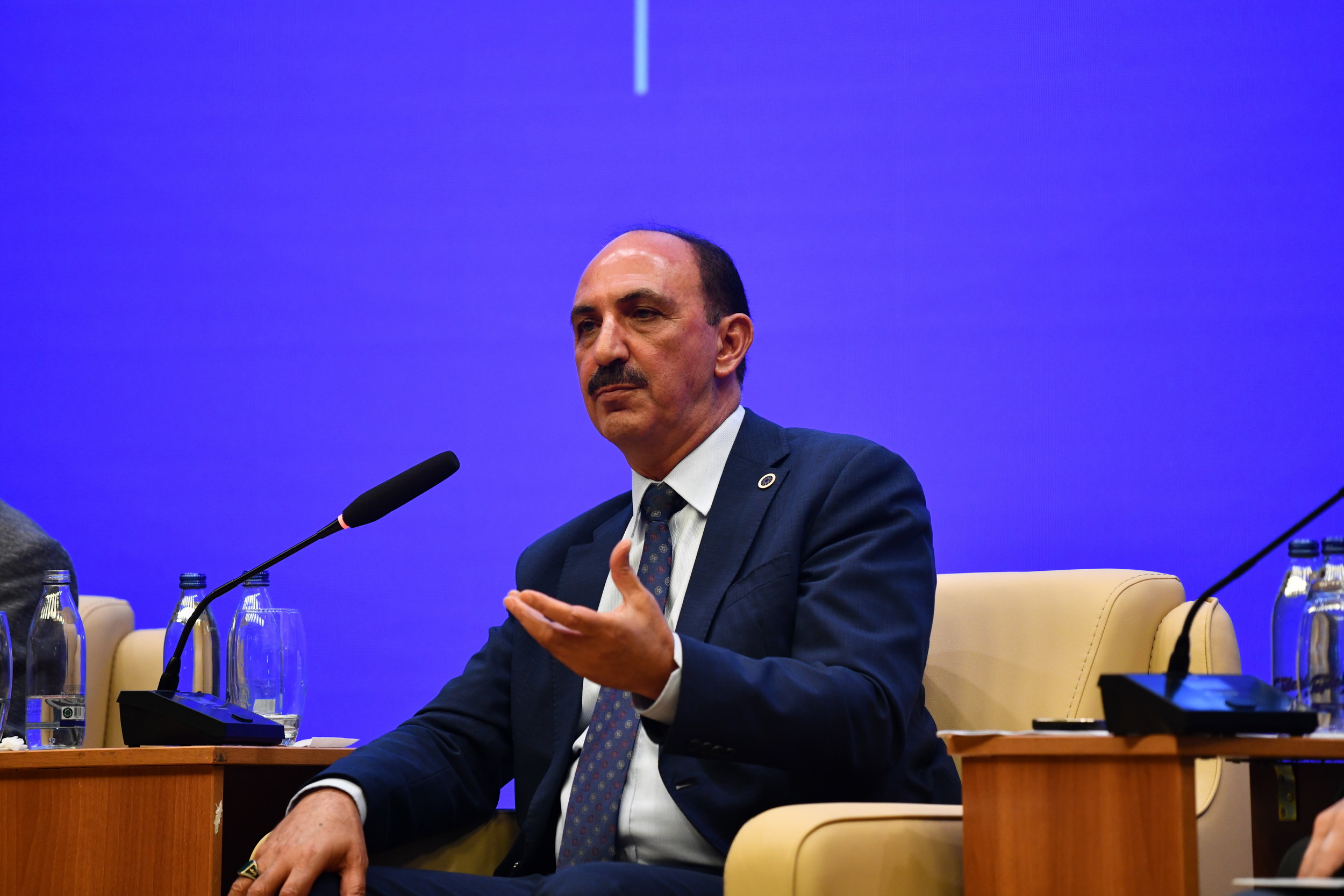
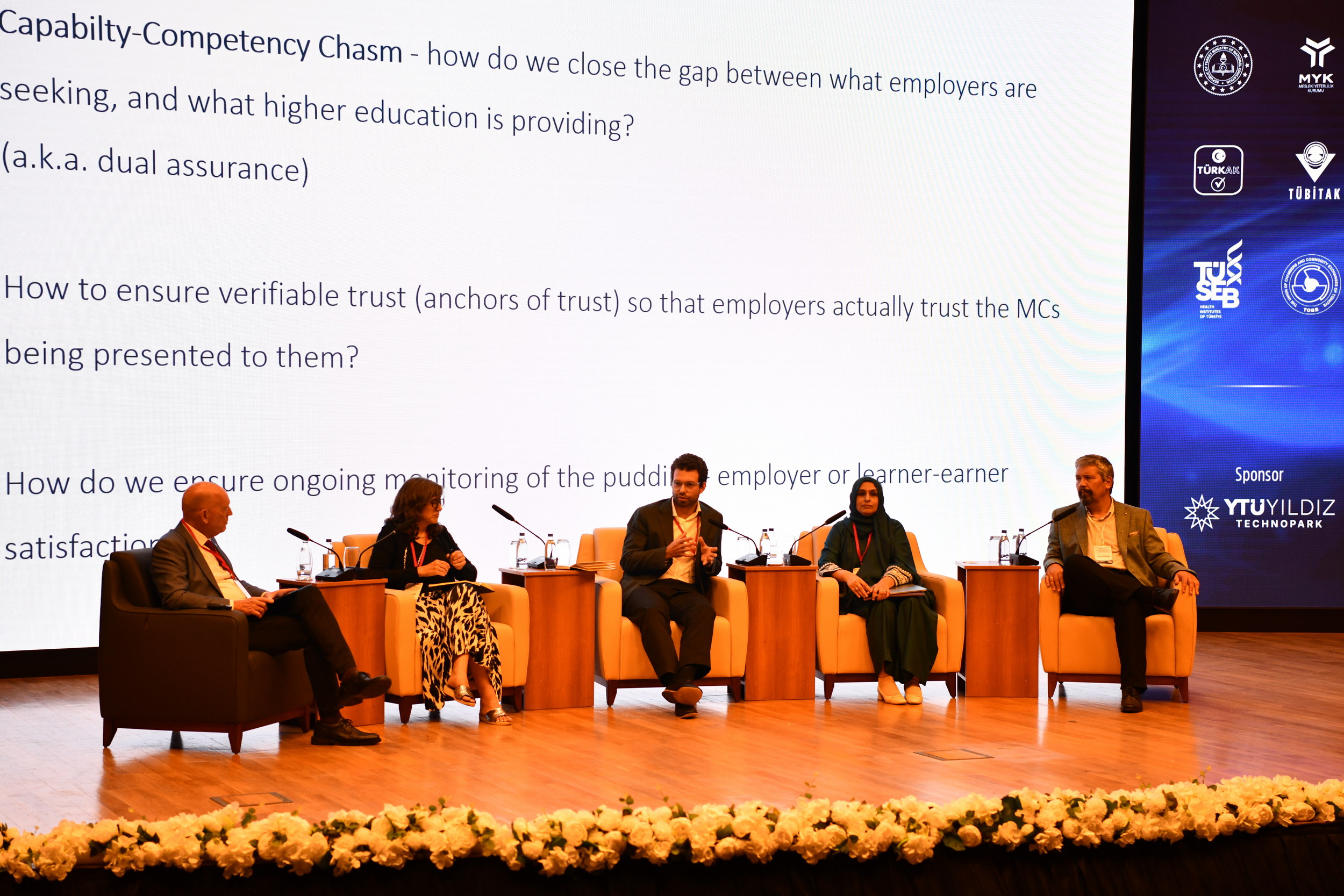
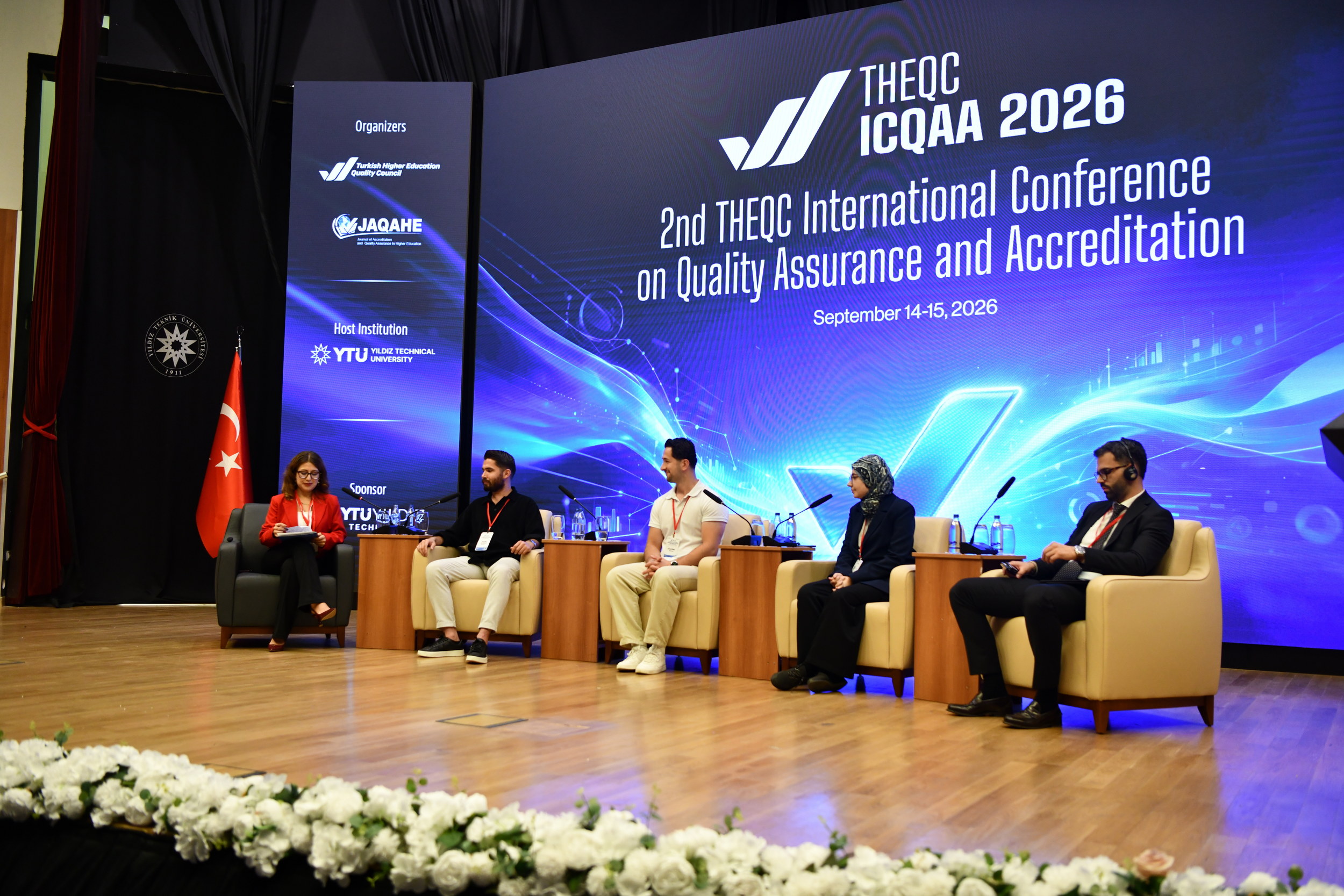
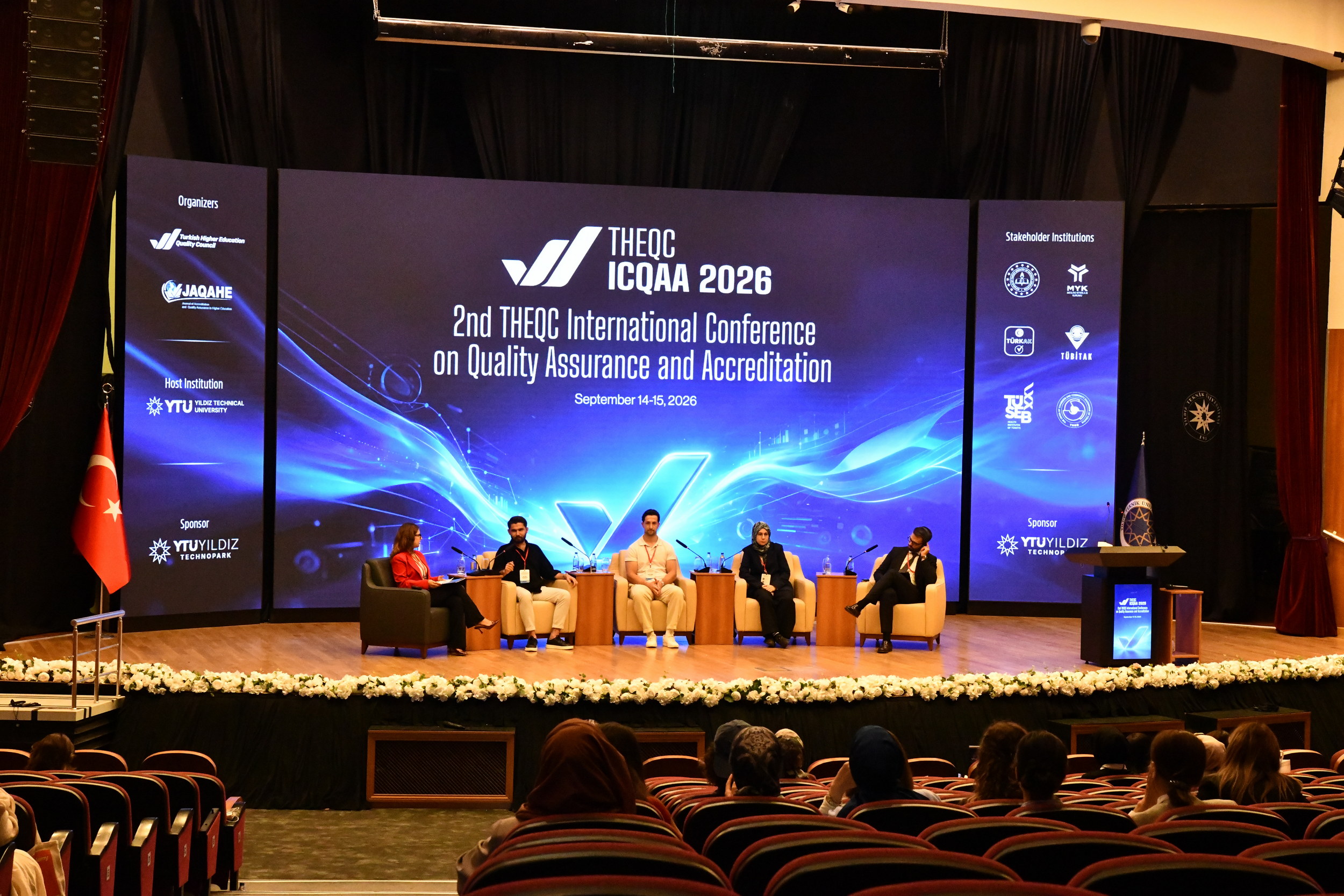
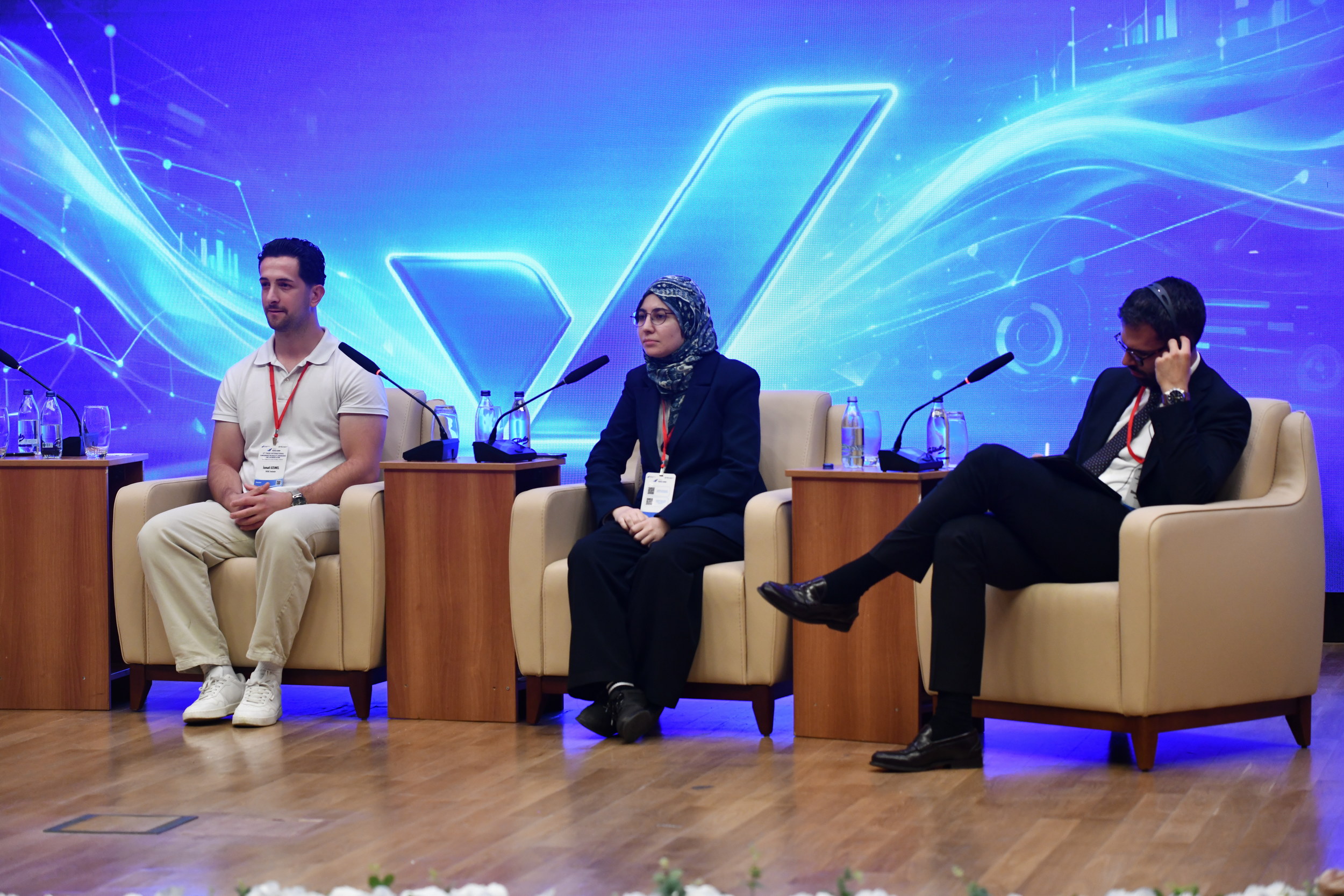
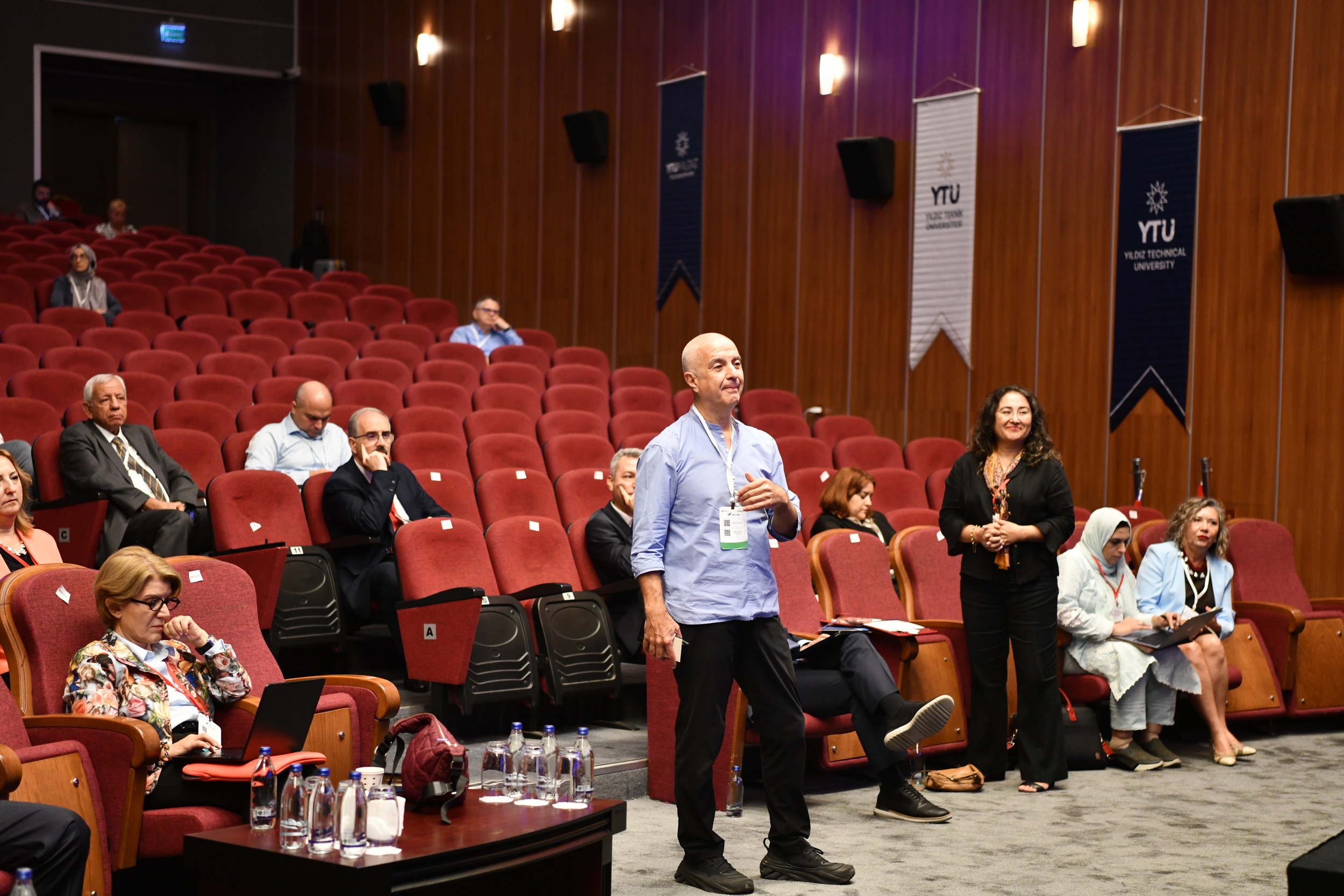
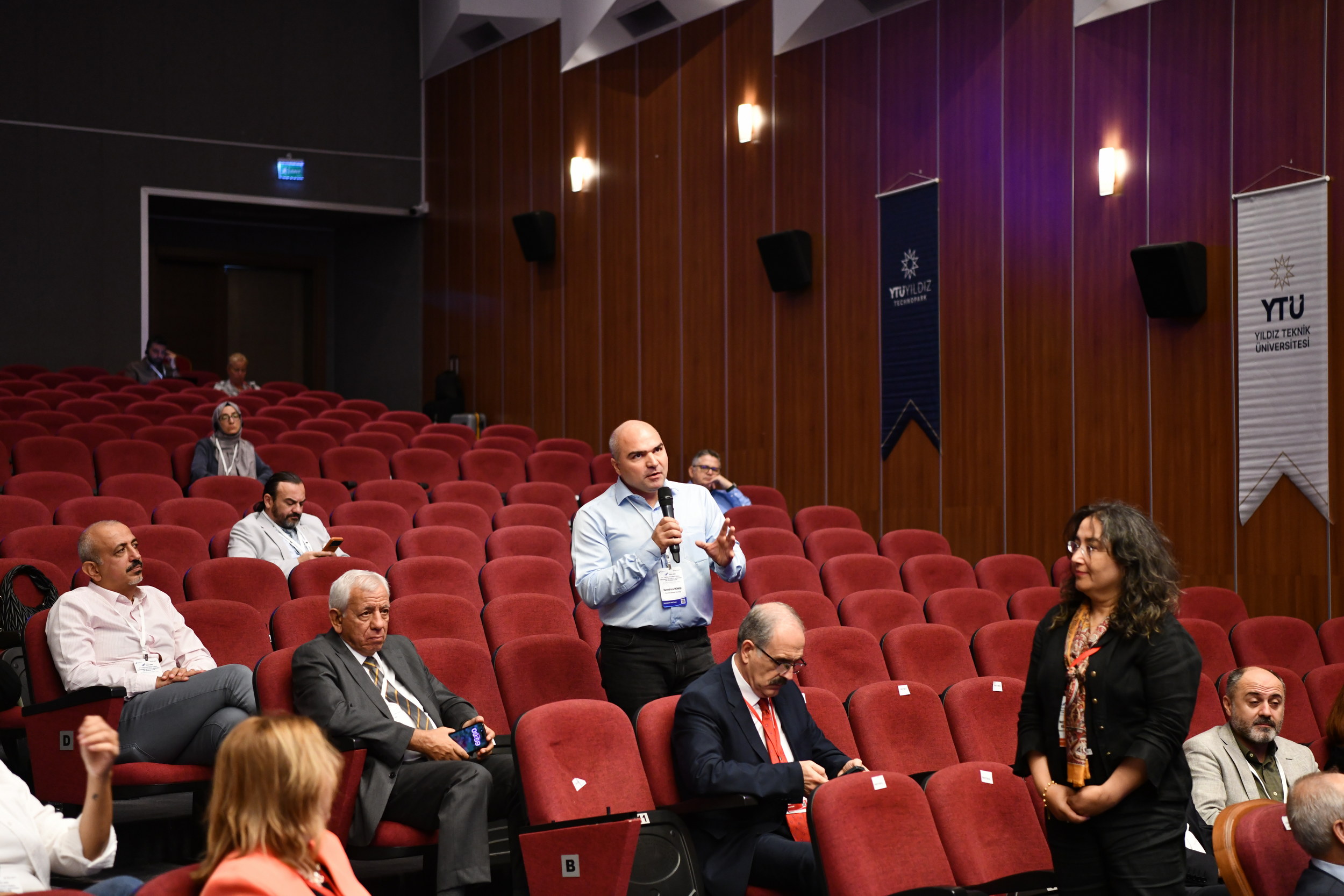
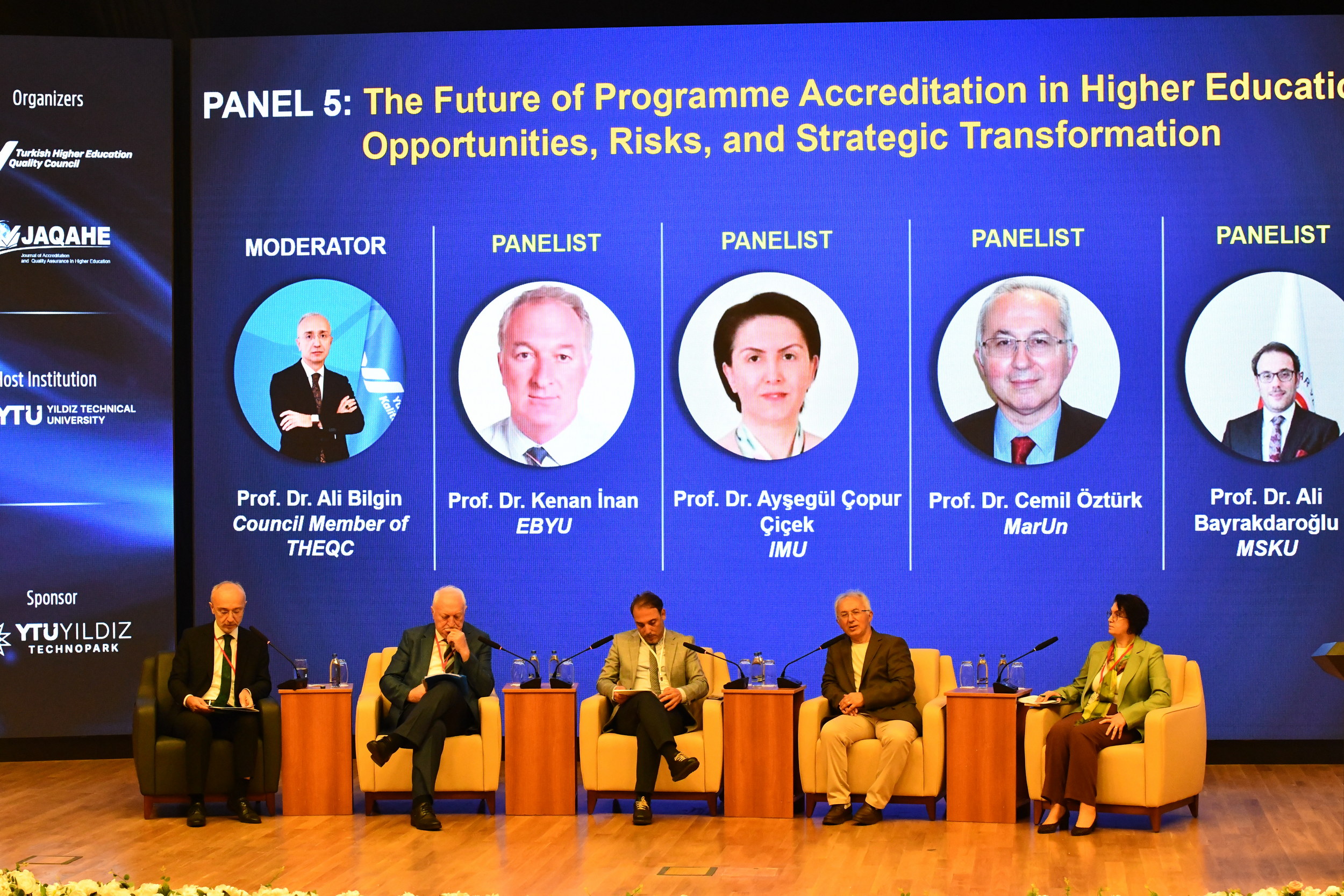
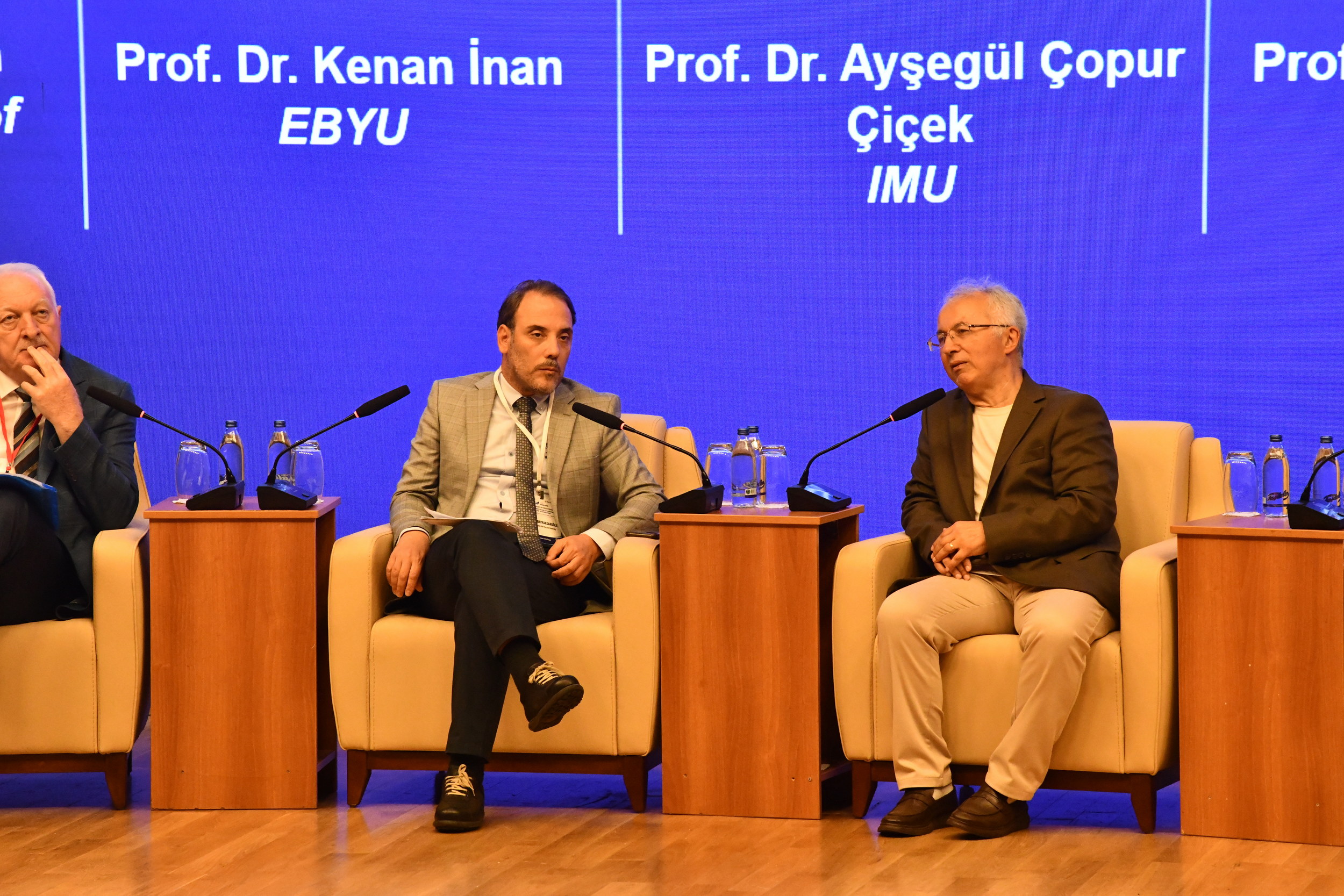
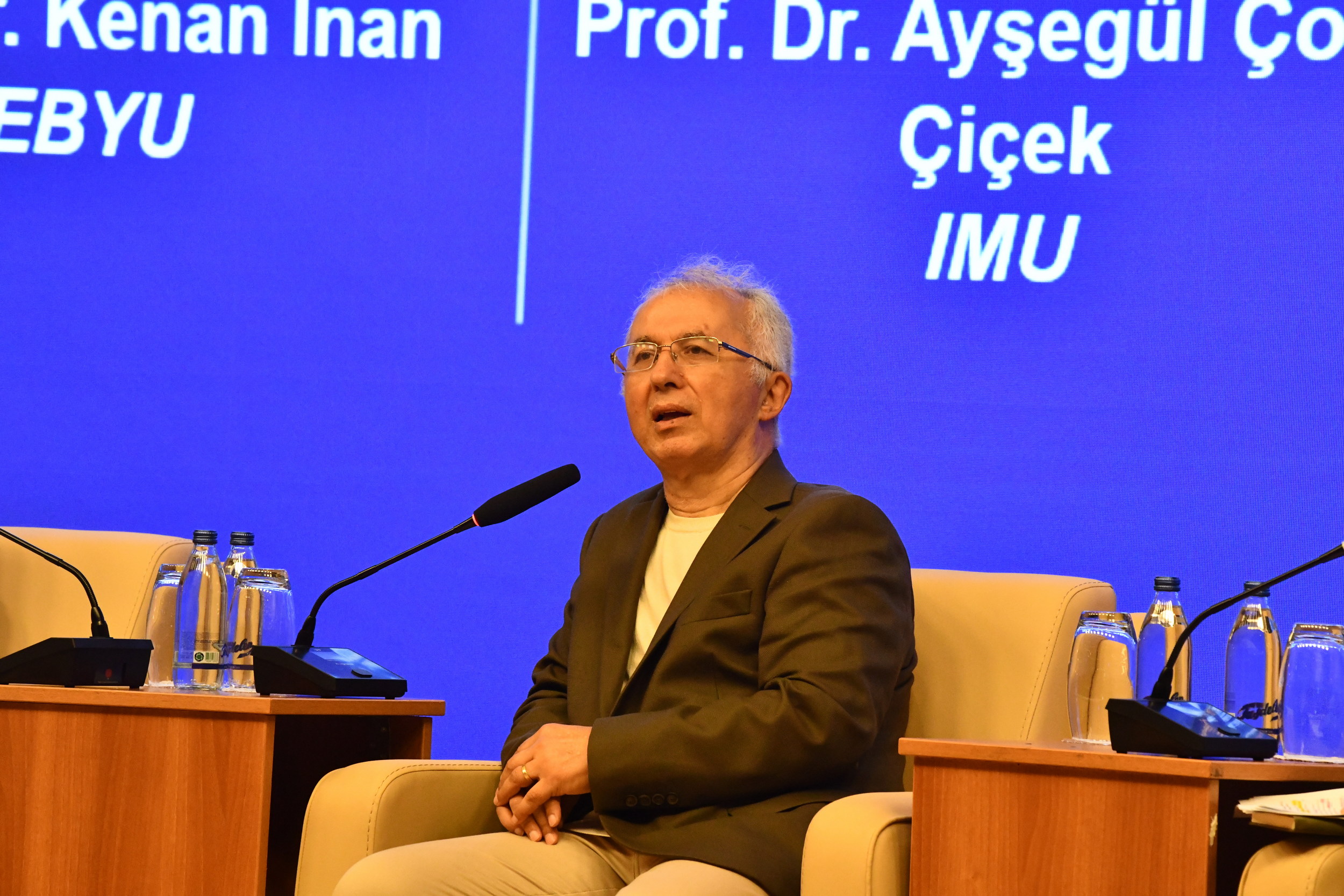
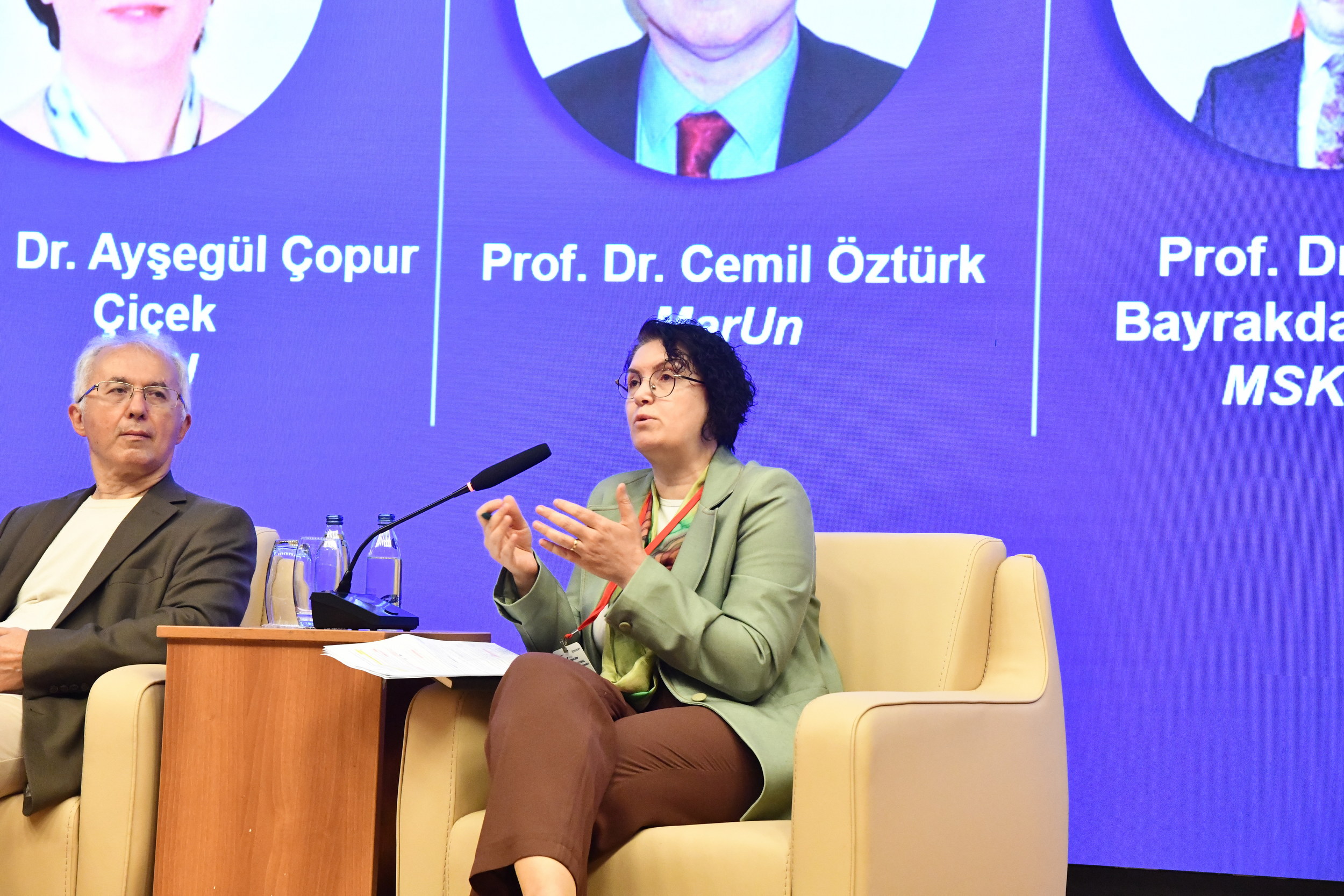
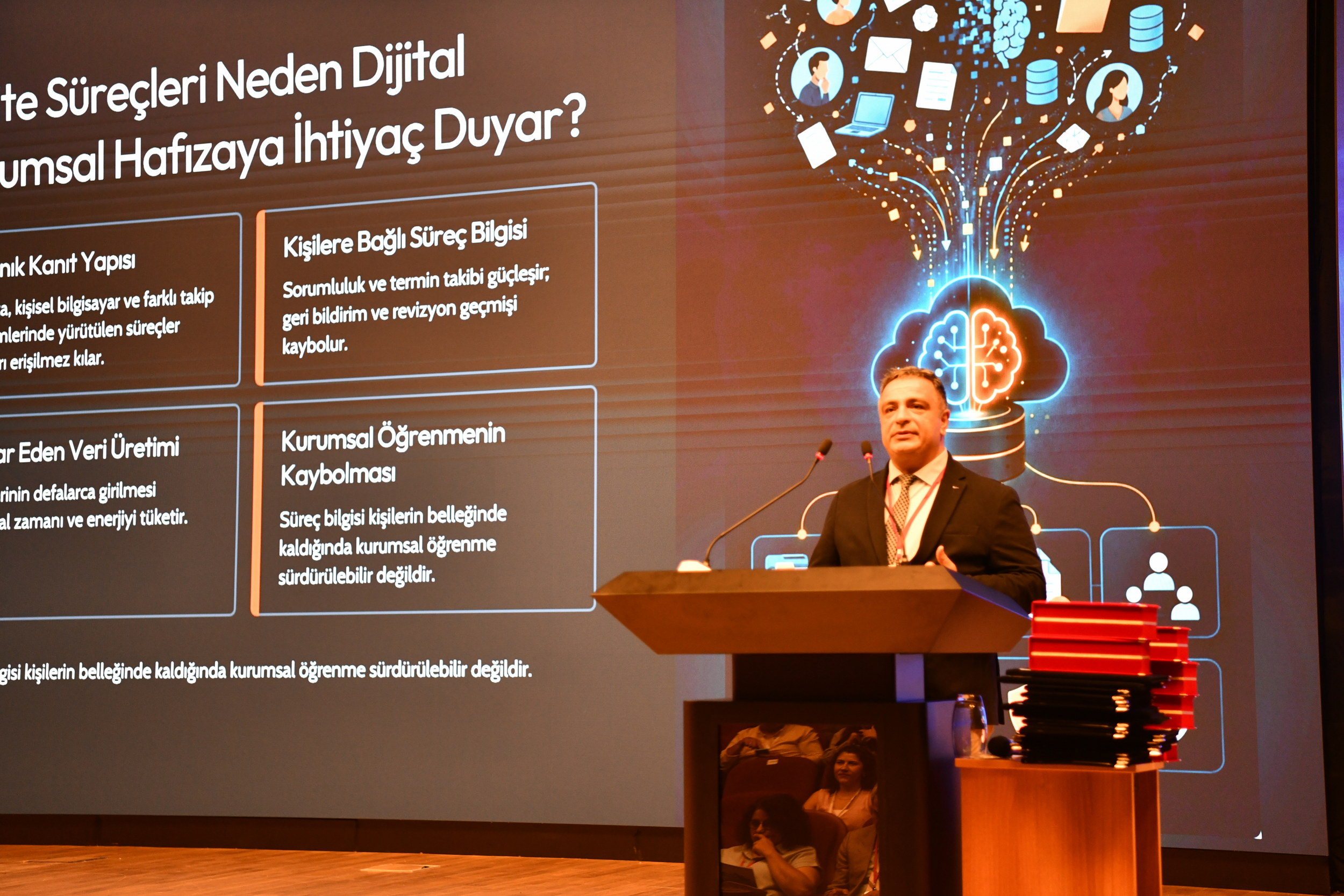
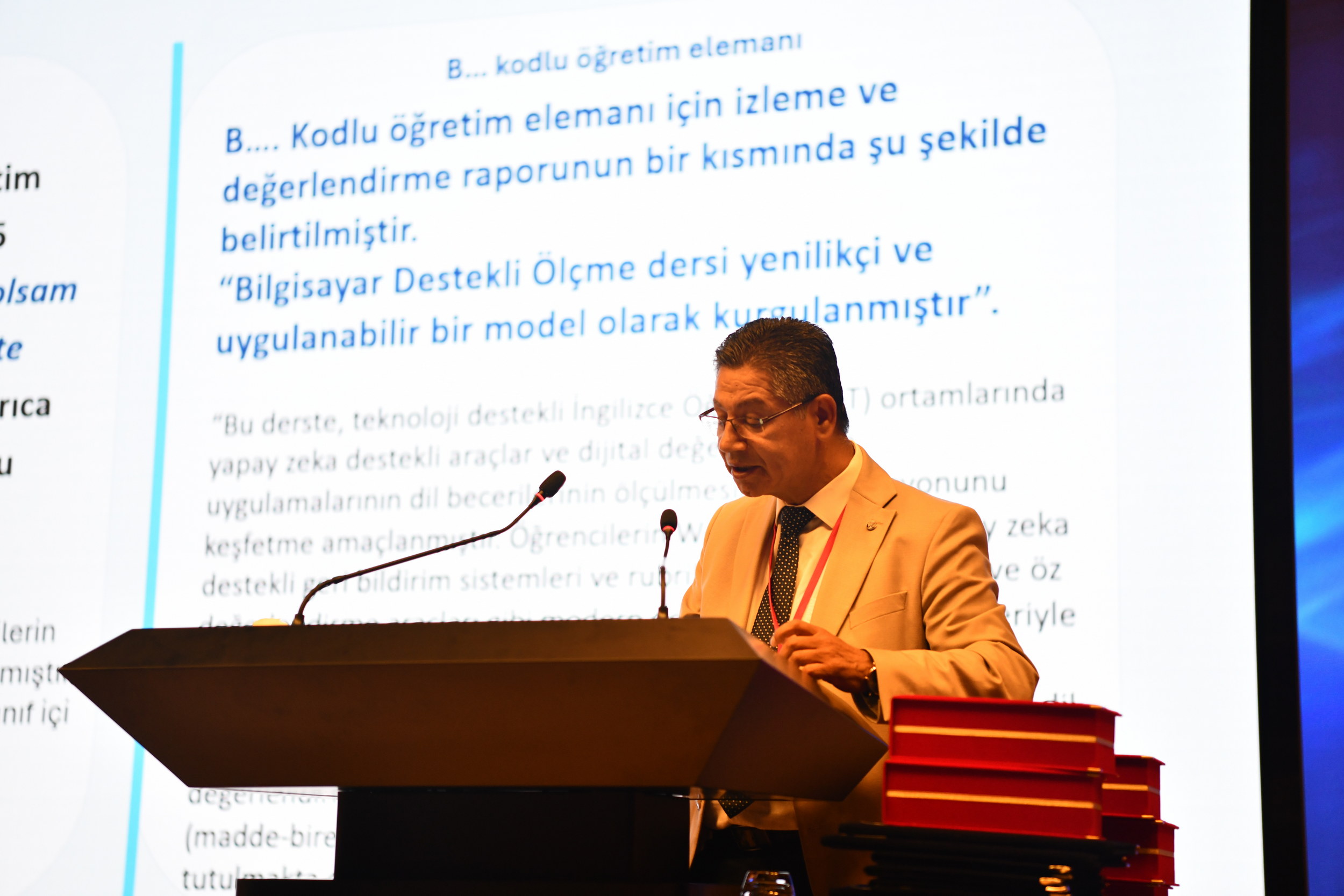
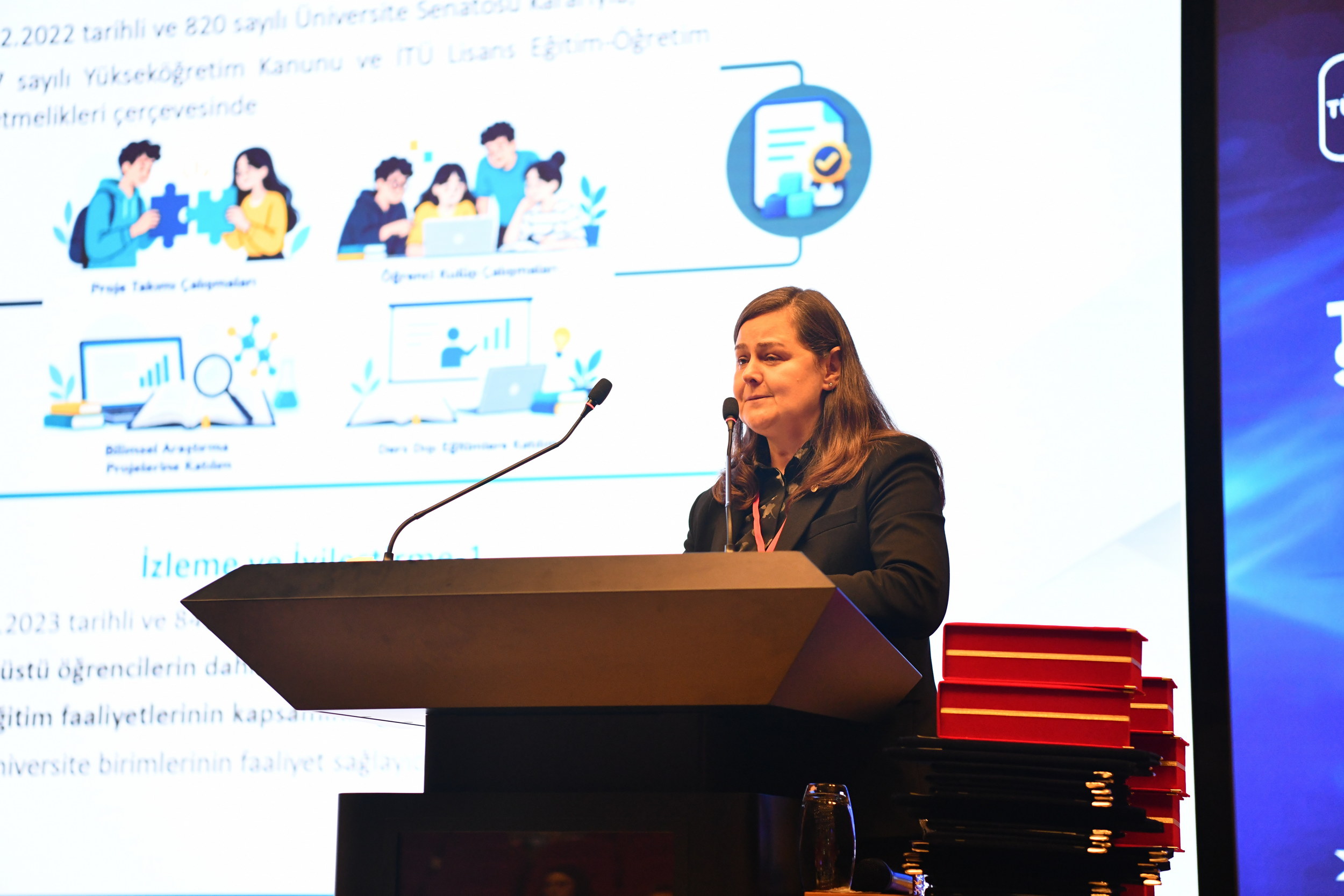
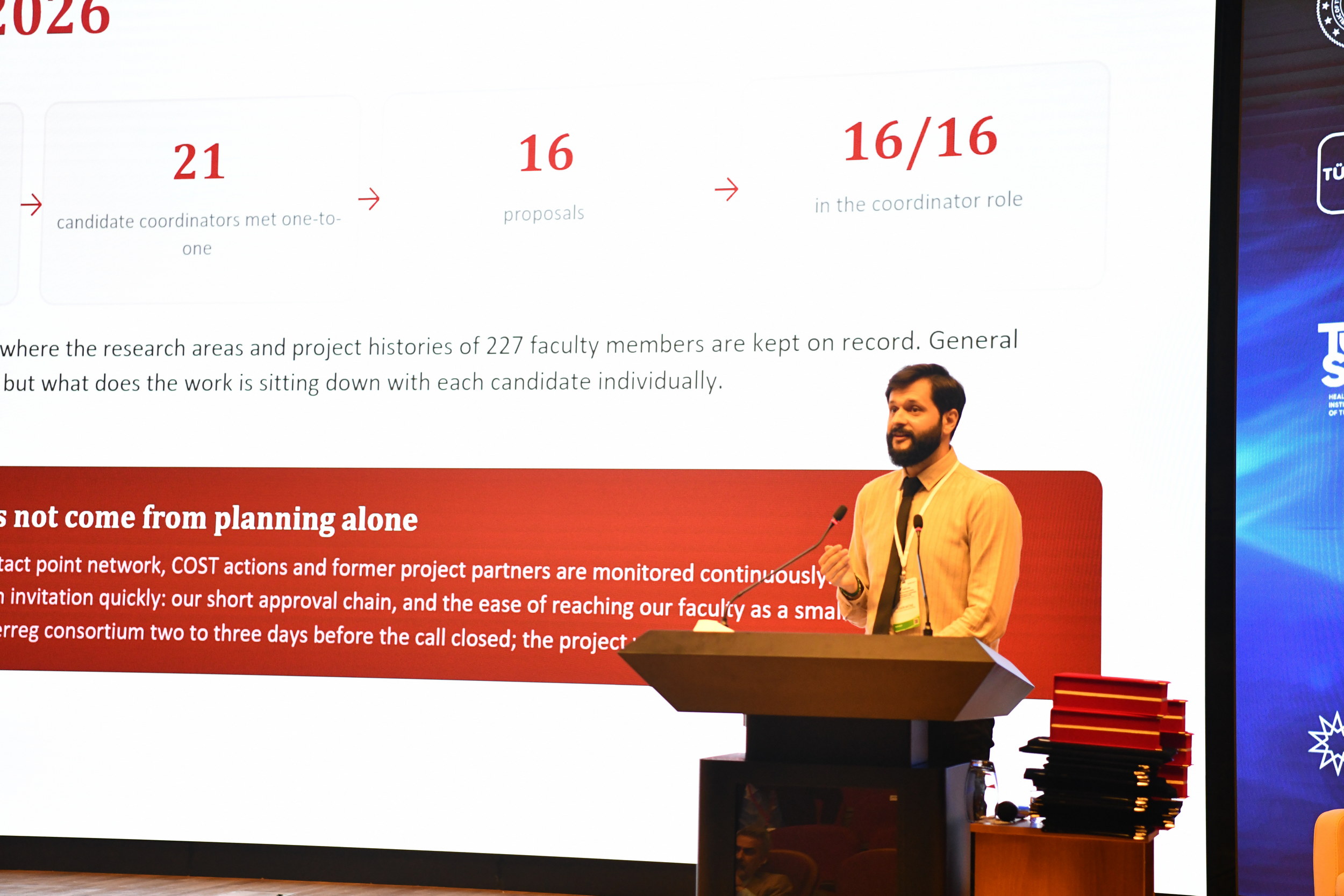
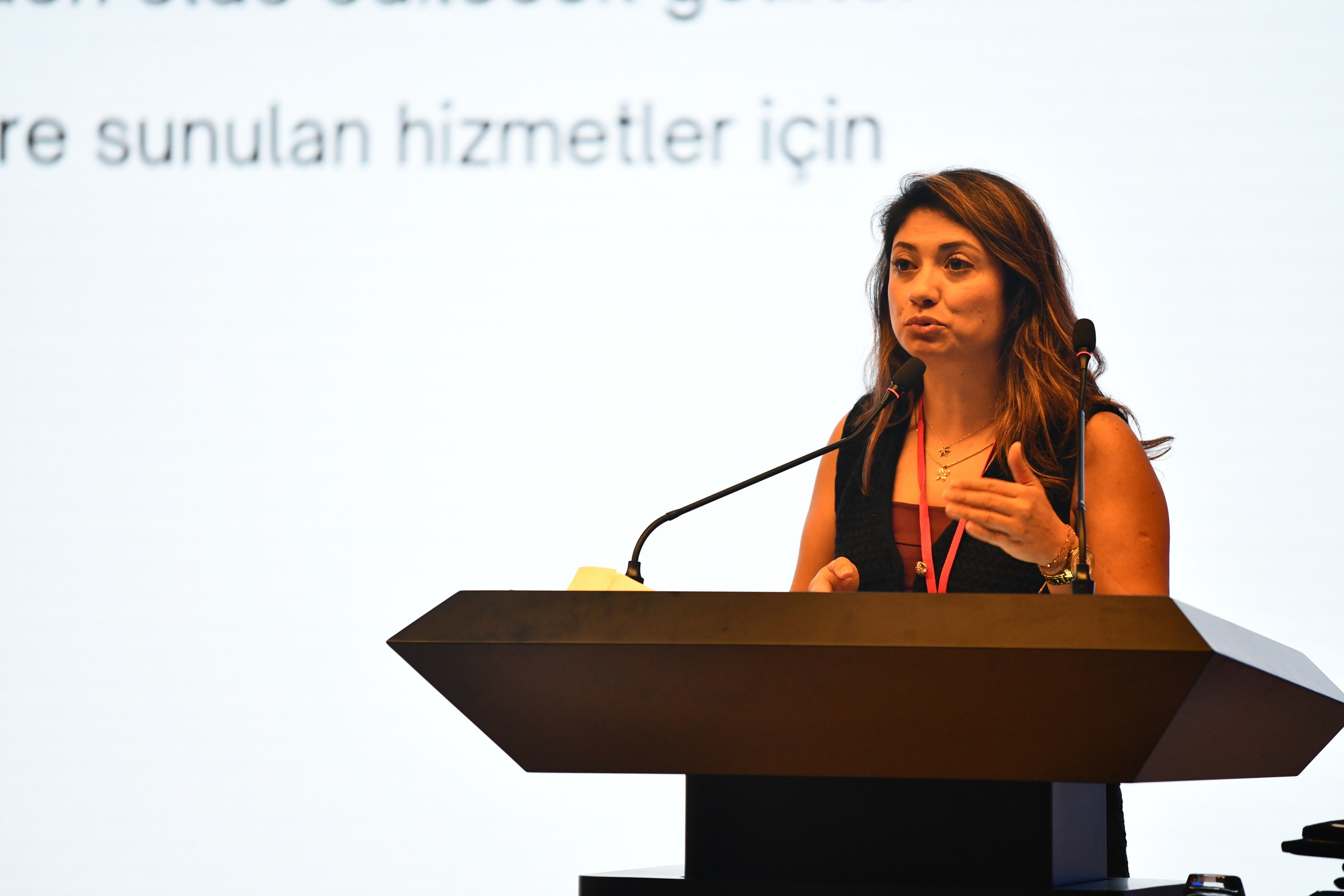
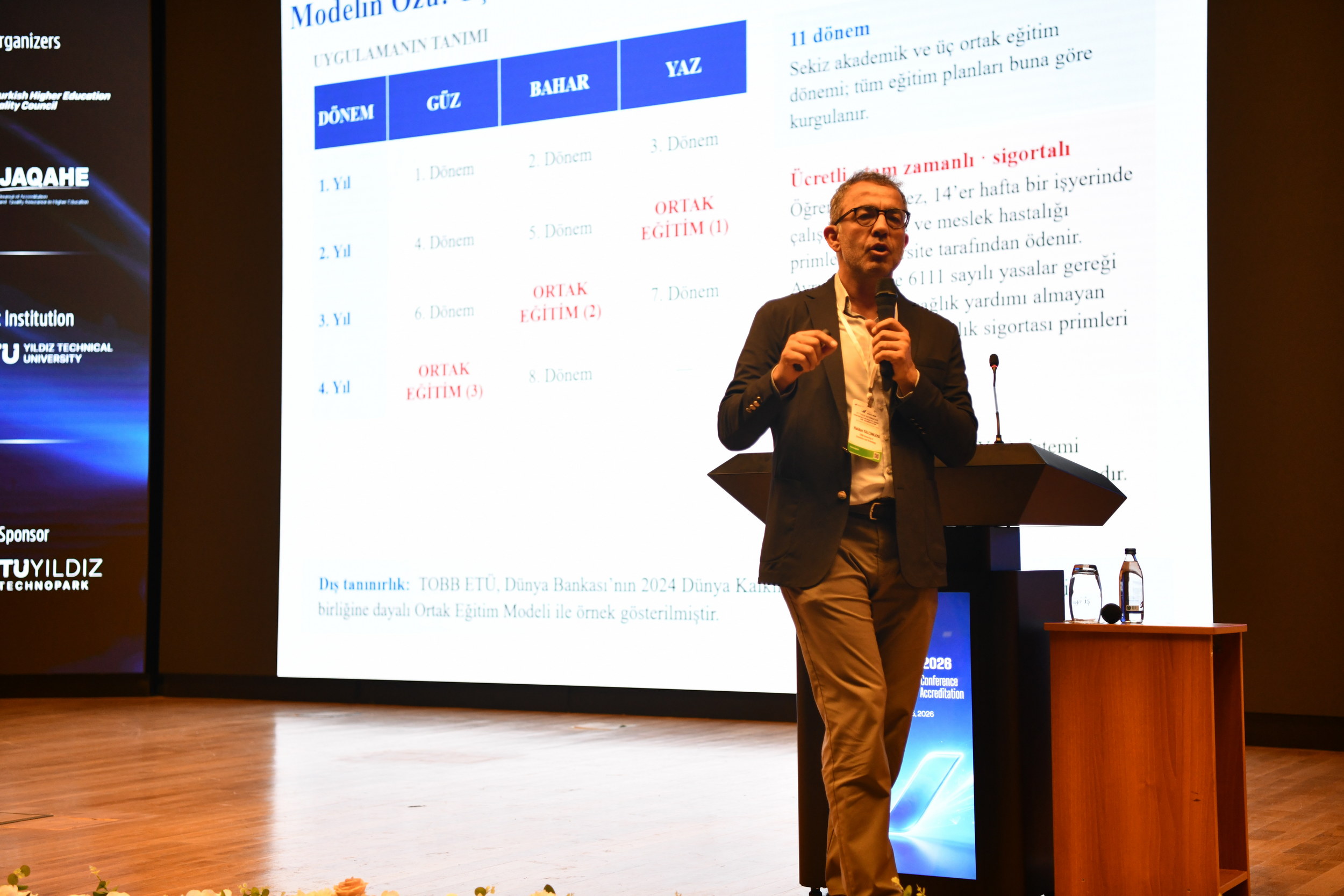
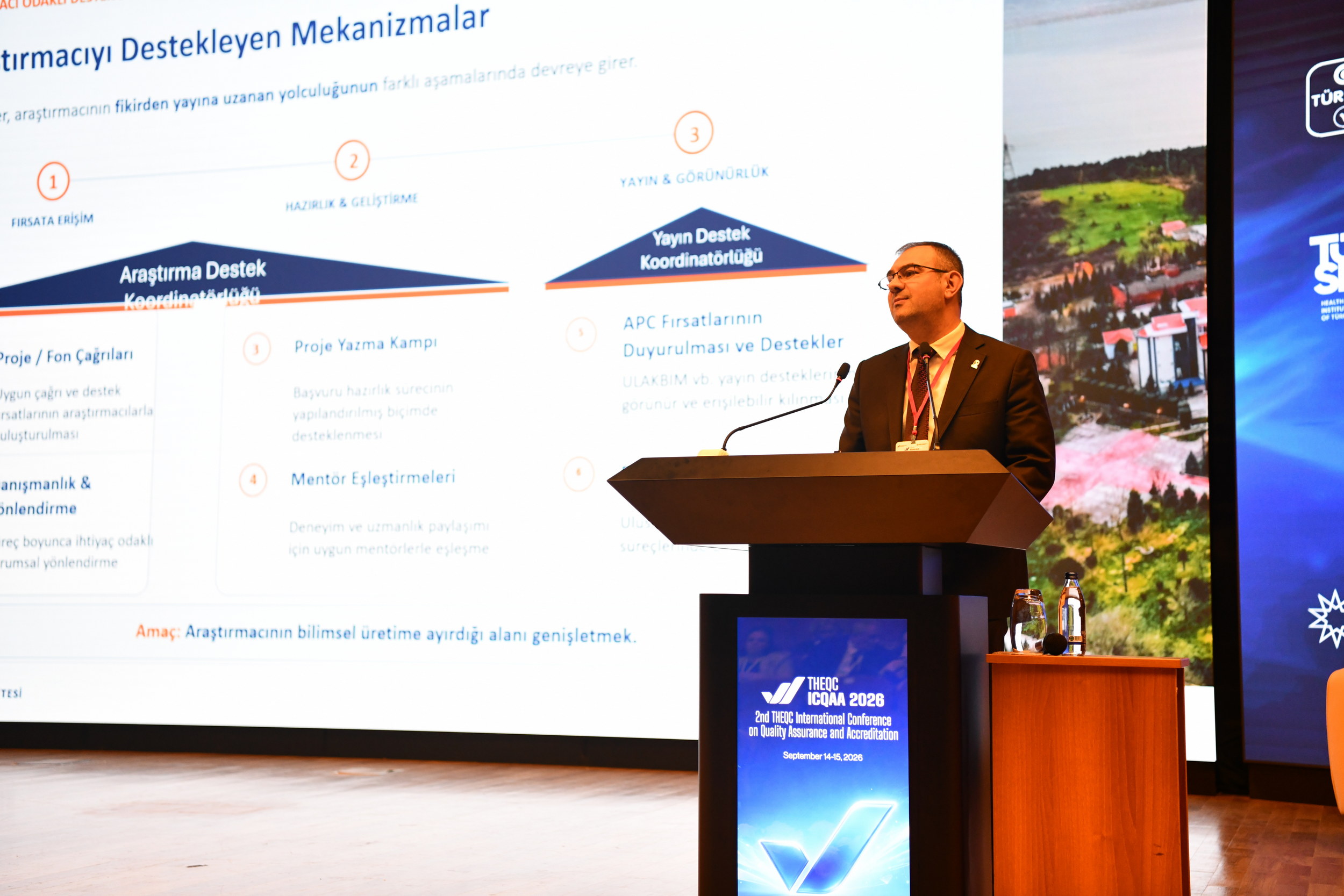
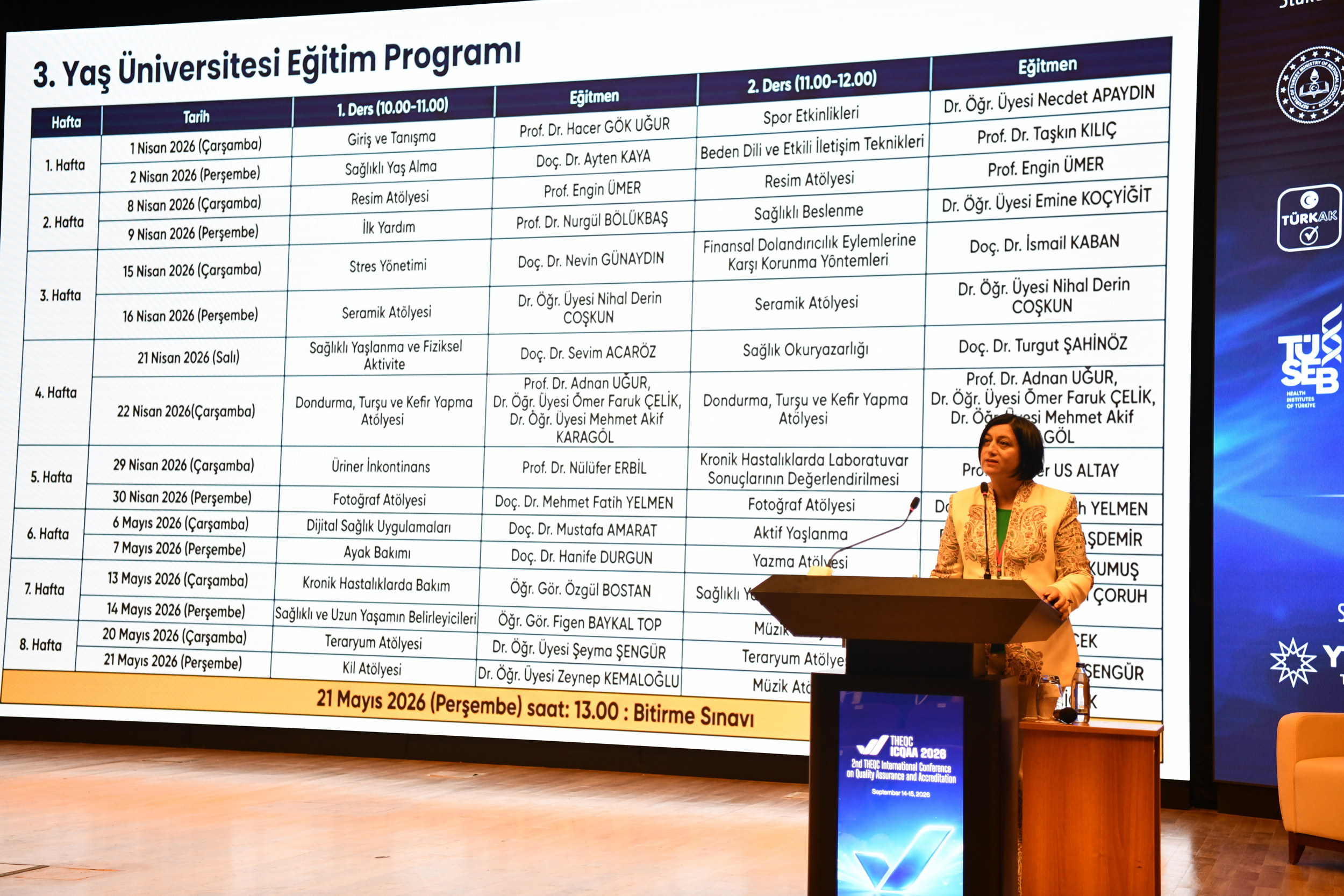
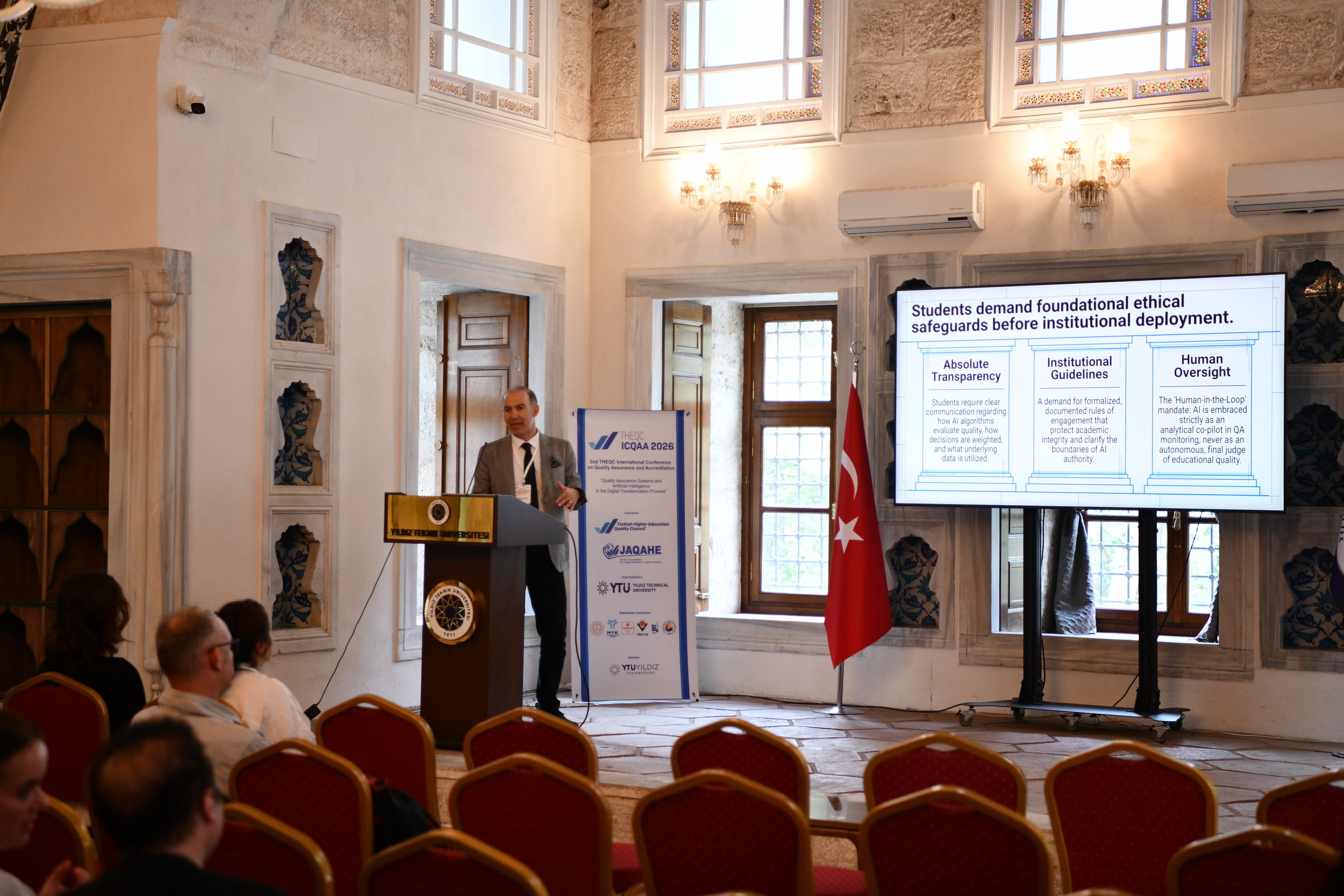
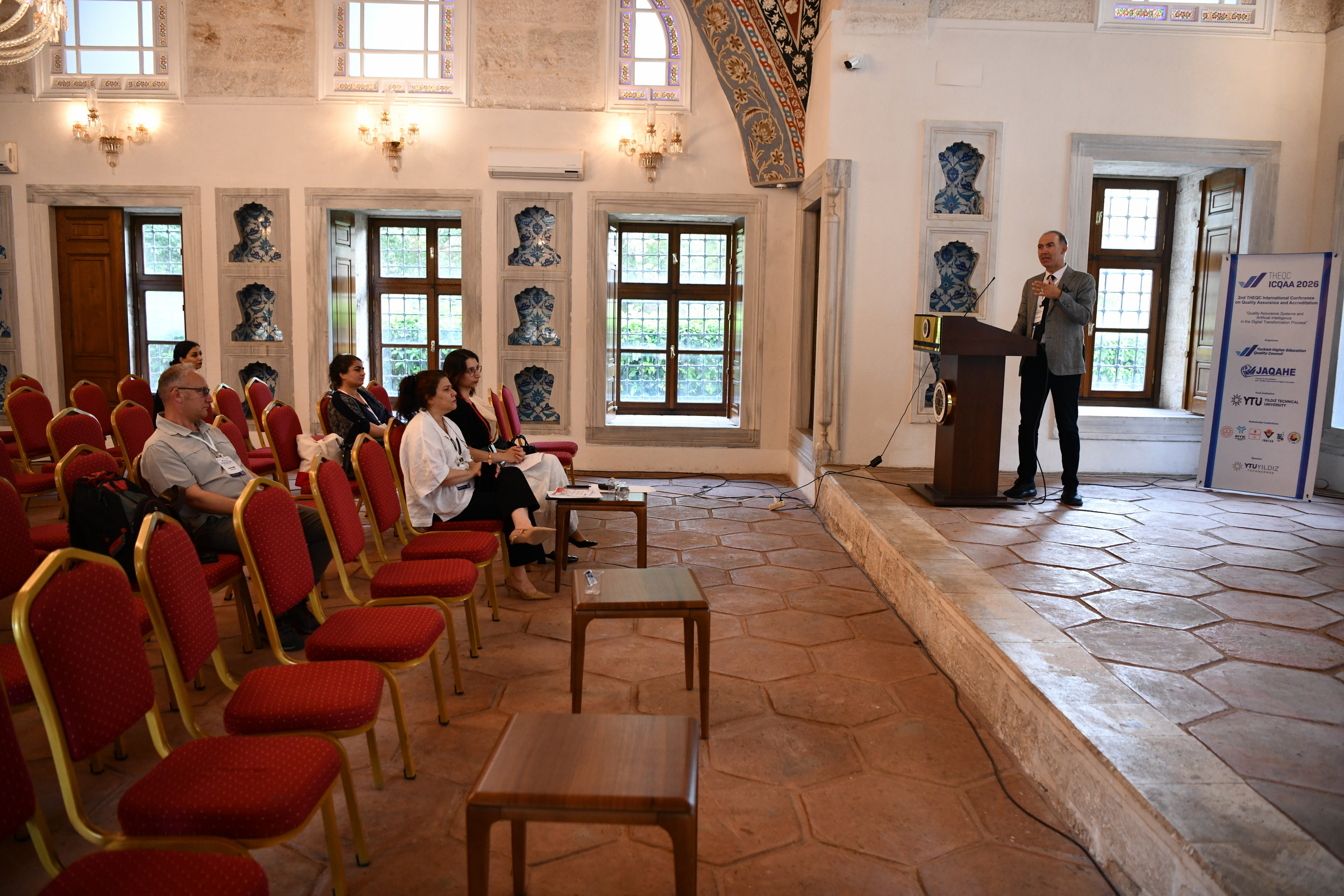
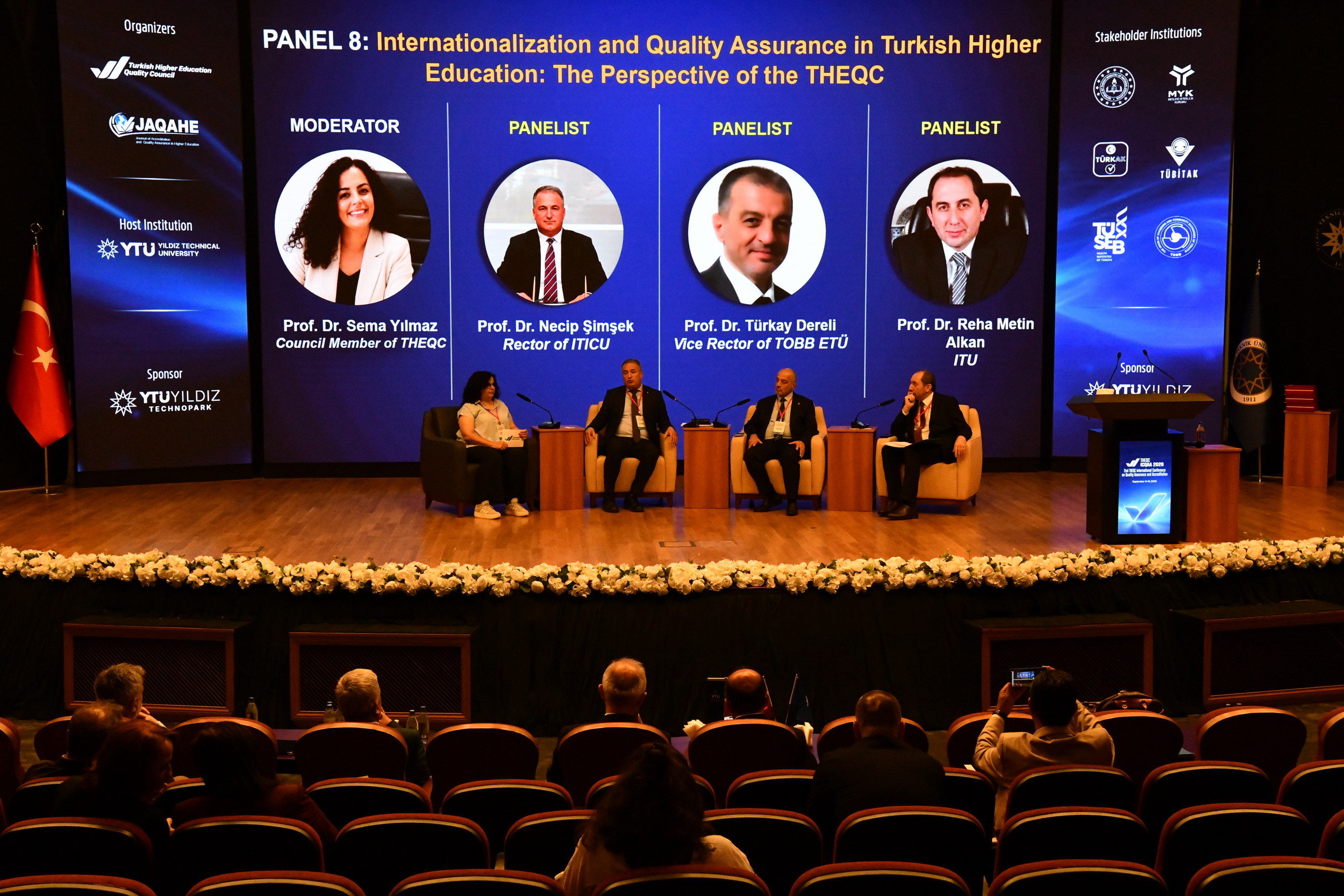
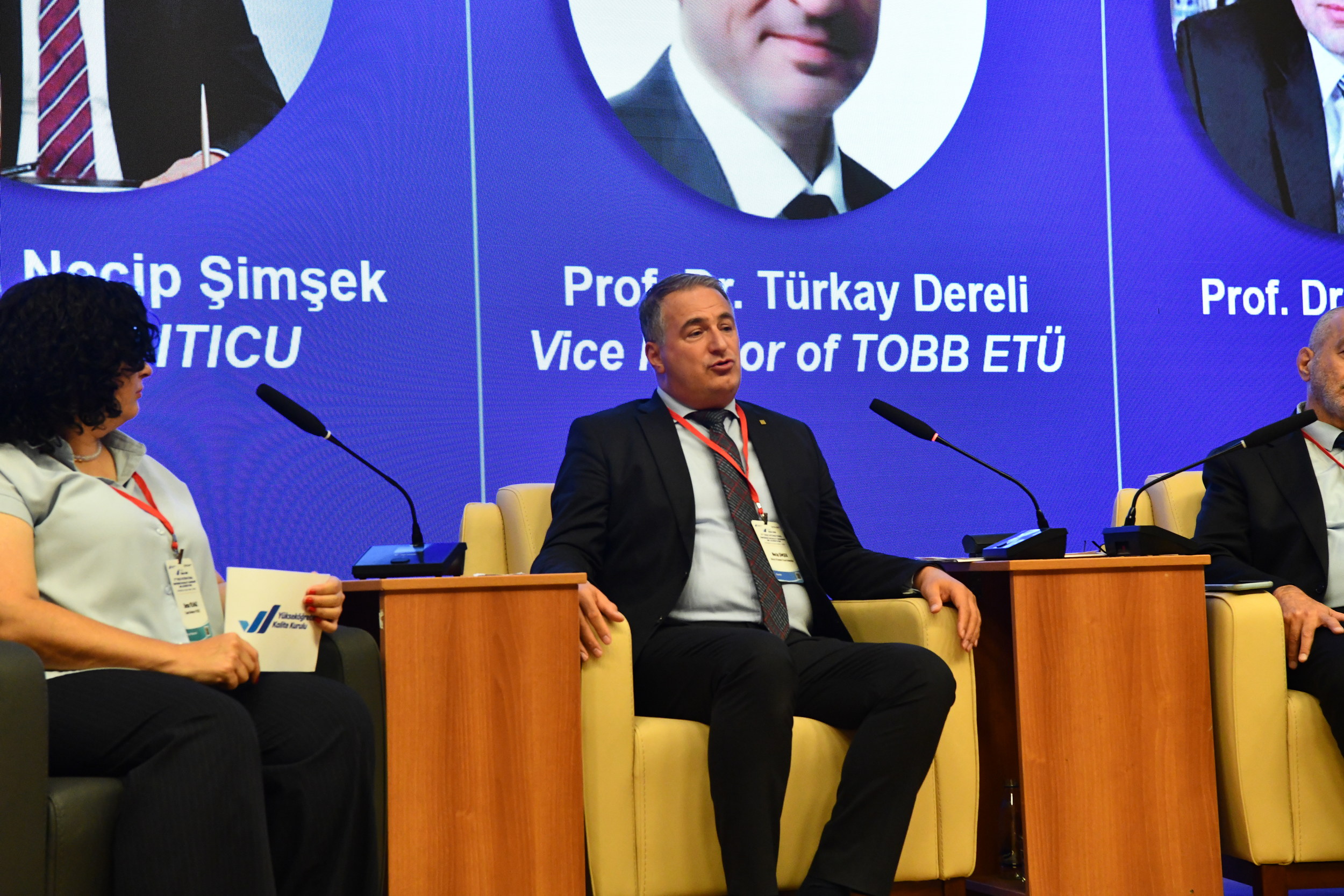
During the panels and parallel paper presentation sessions organised within the conference program, topics such as “AI-Supported Quality Assurance Policies,” “Ethical and Safe Use of Artificial Intelligence in Quality Assurance Systems,” “AI-Supported Institutional Performance Measurement and Monitoring Systems,” and “The Future of Quality Assurance Systems and Innovative Approaches” were addressed. Over the two-day event, experts and academics examined in detail the integration of digitalisation into learning processes in higher education, international accreditation standards, and best practice examples in higher education institutions.