THEQC Holds Workshop on the Second Cycle Institutional Accreditation Model
- Date 3 April 2026
THEQC Holds Workshop on the Second Cycle Institutional Accreditation Model
A workshop titled the “Second Cycle Institutional Accreditation Model” was organised by the Turkish Higher Education Quality Council (THEQC).
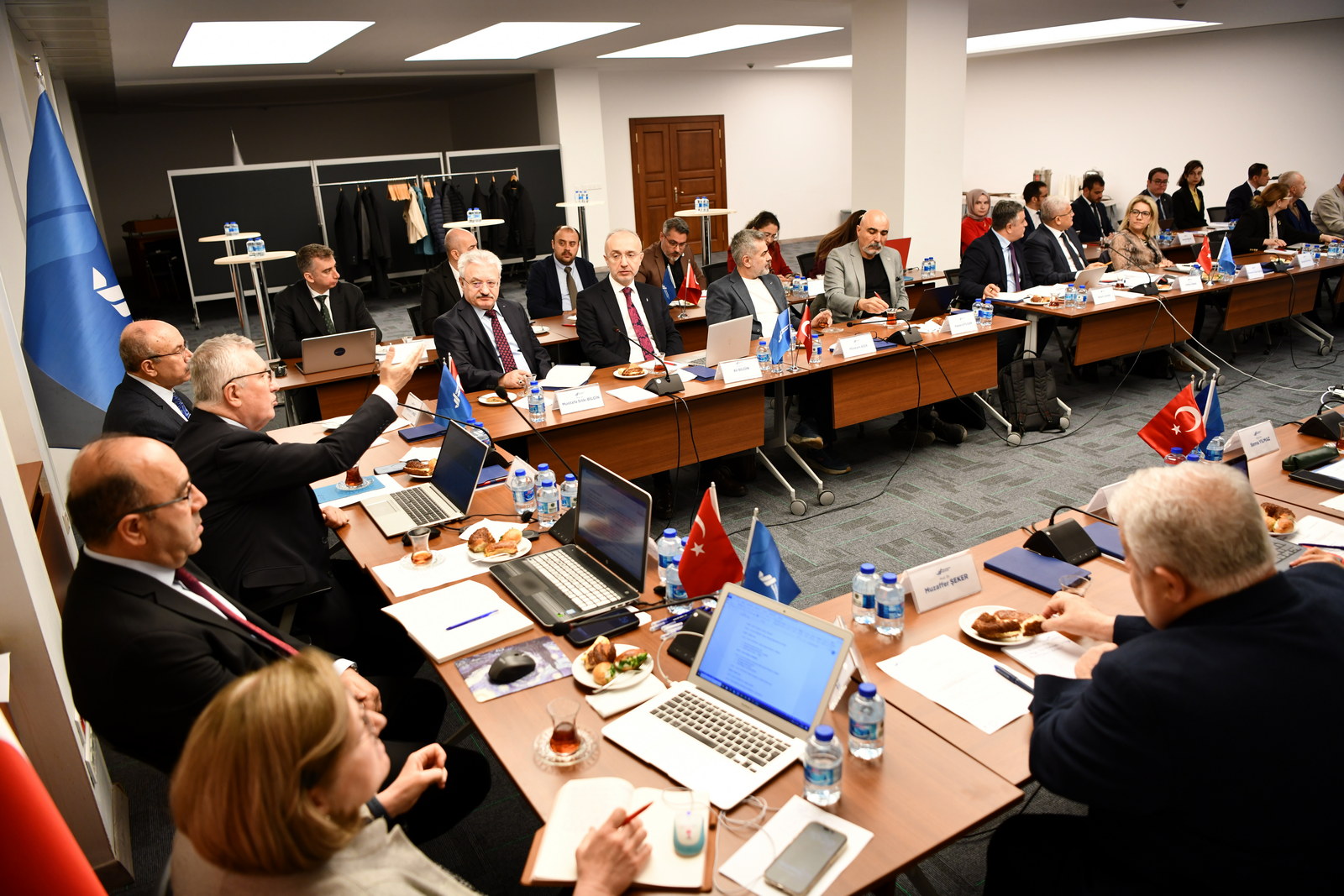
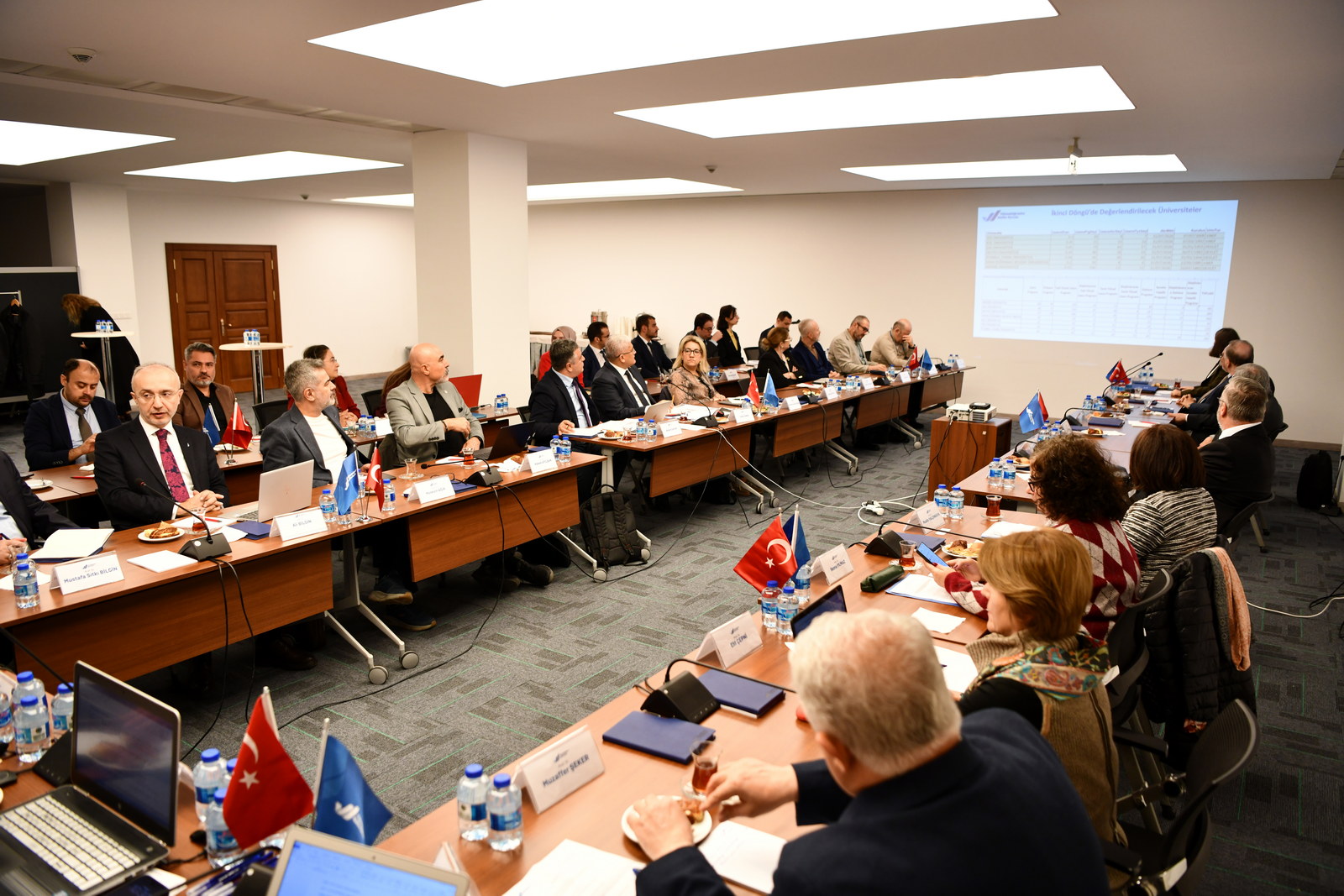
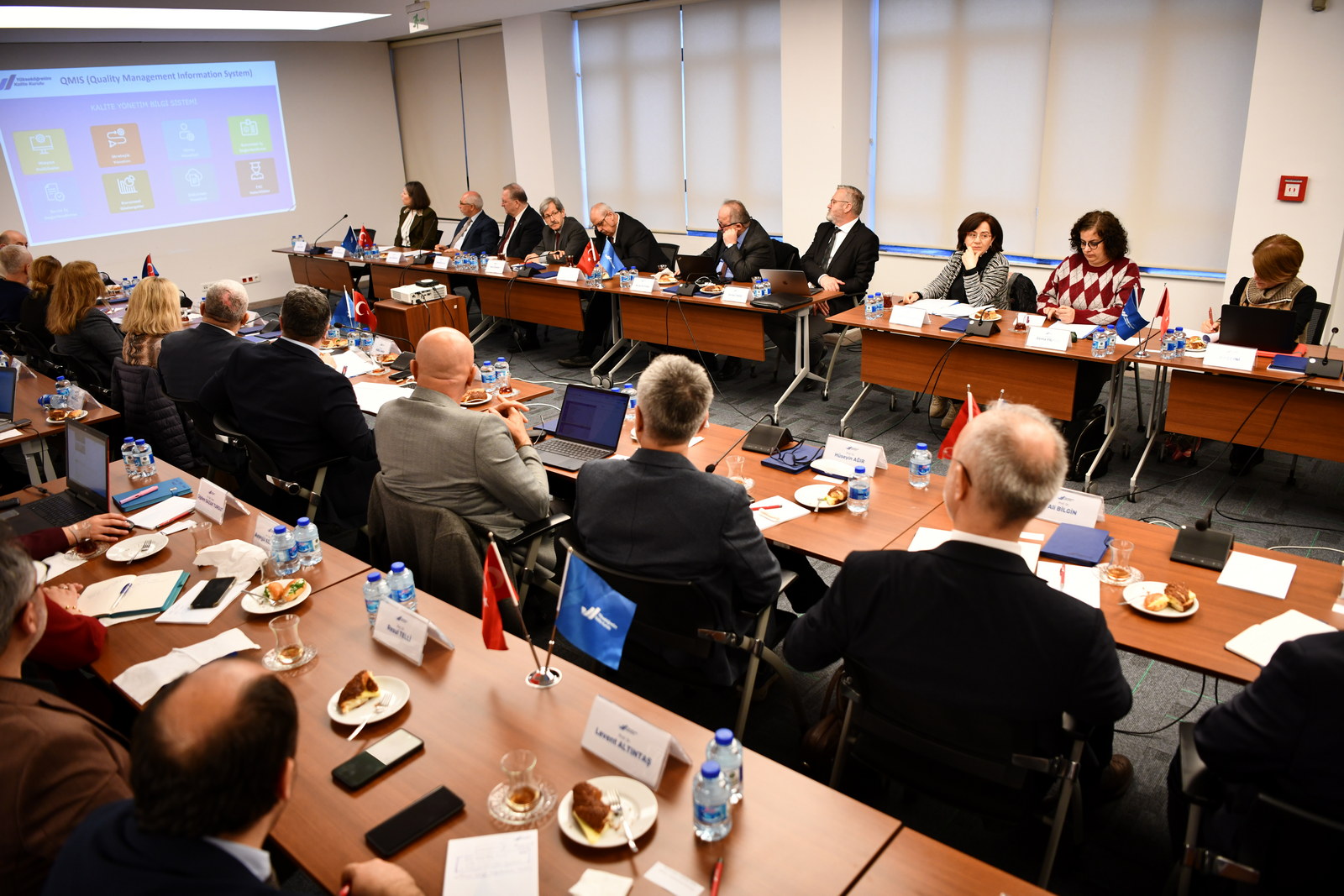
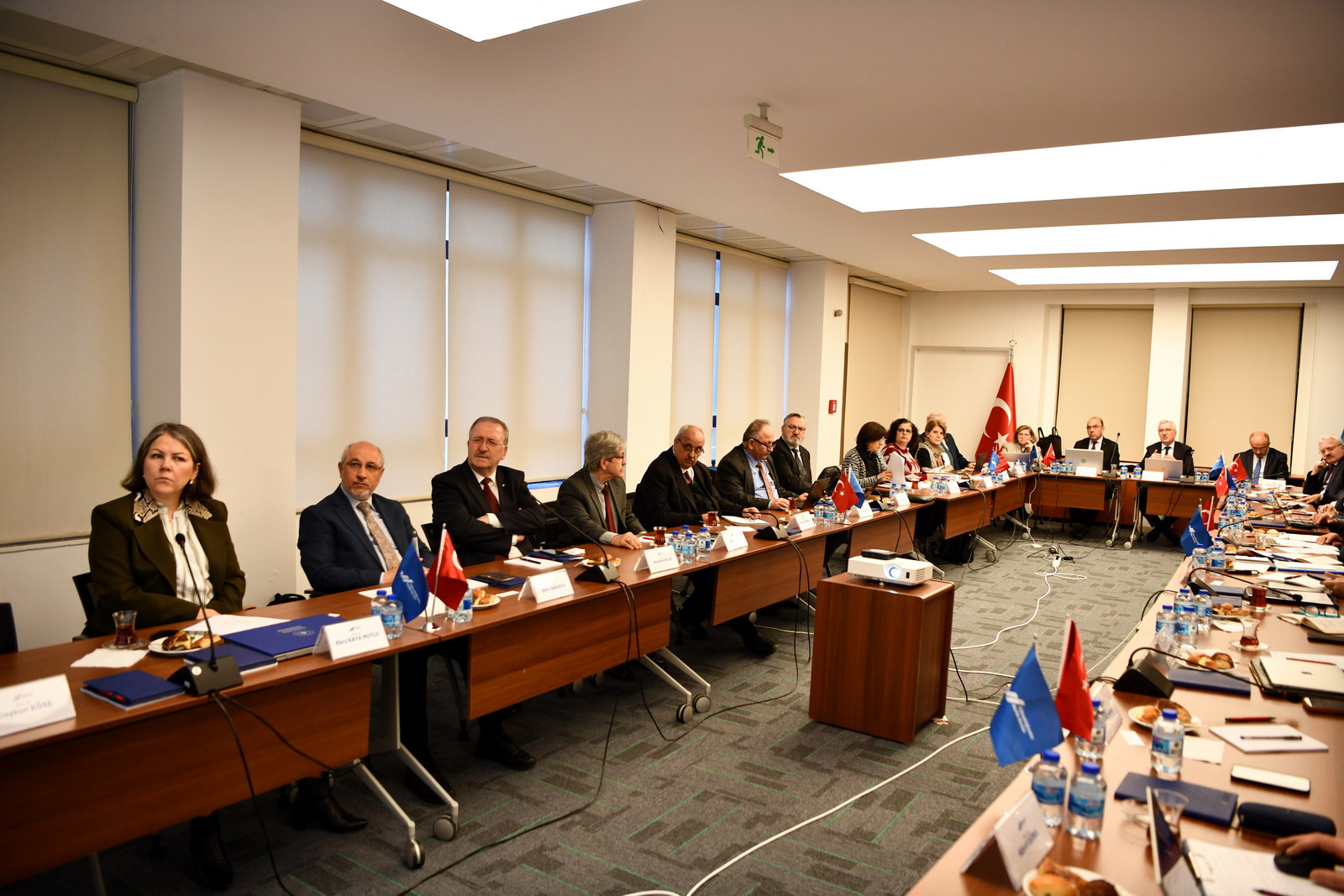
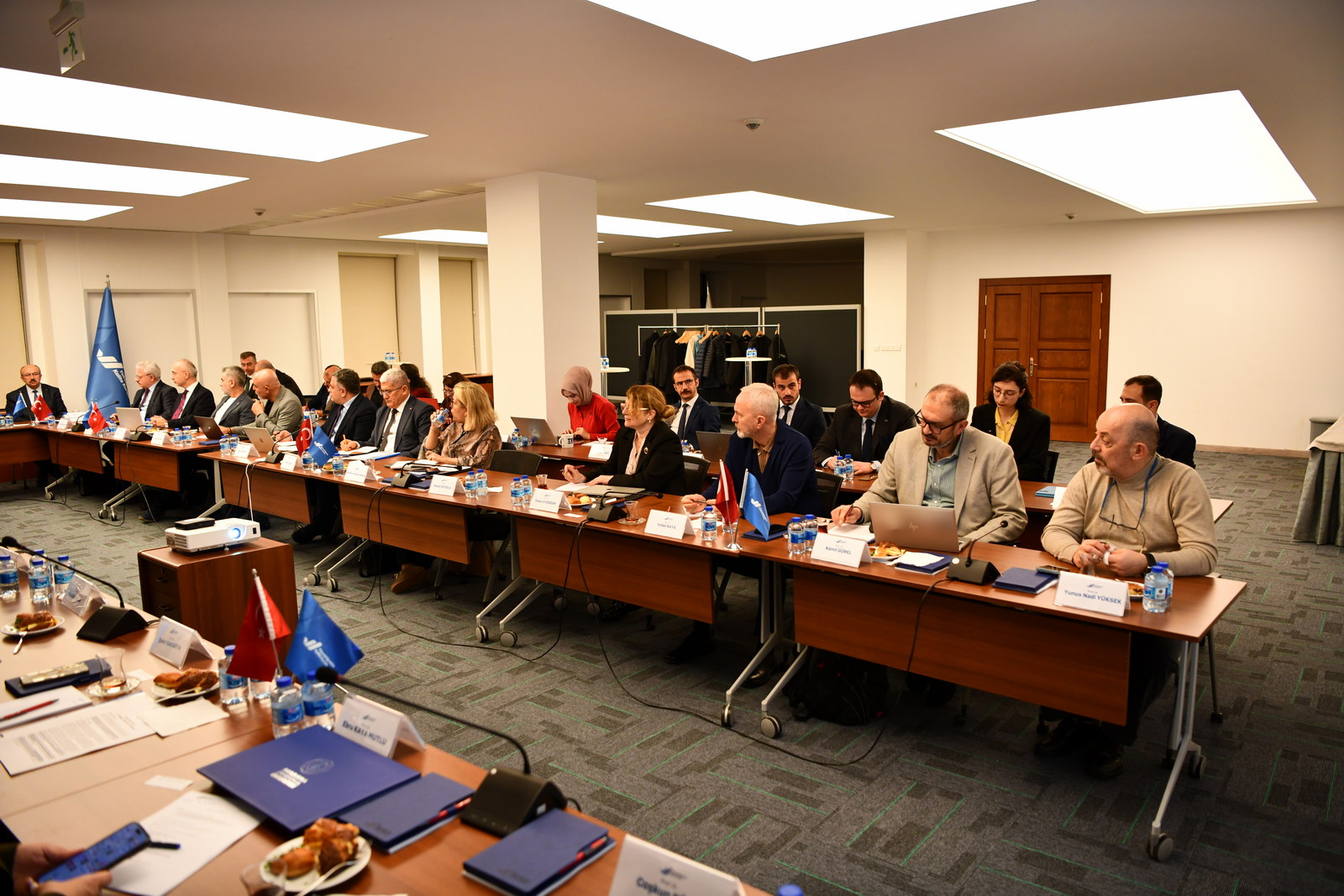
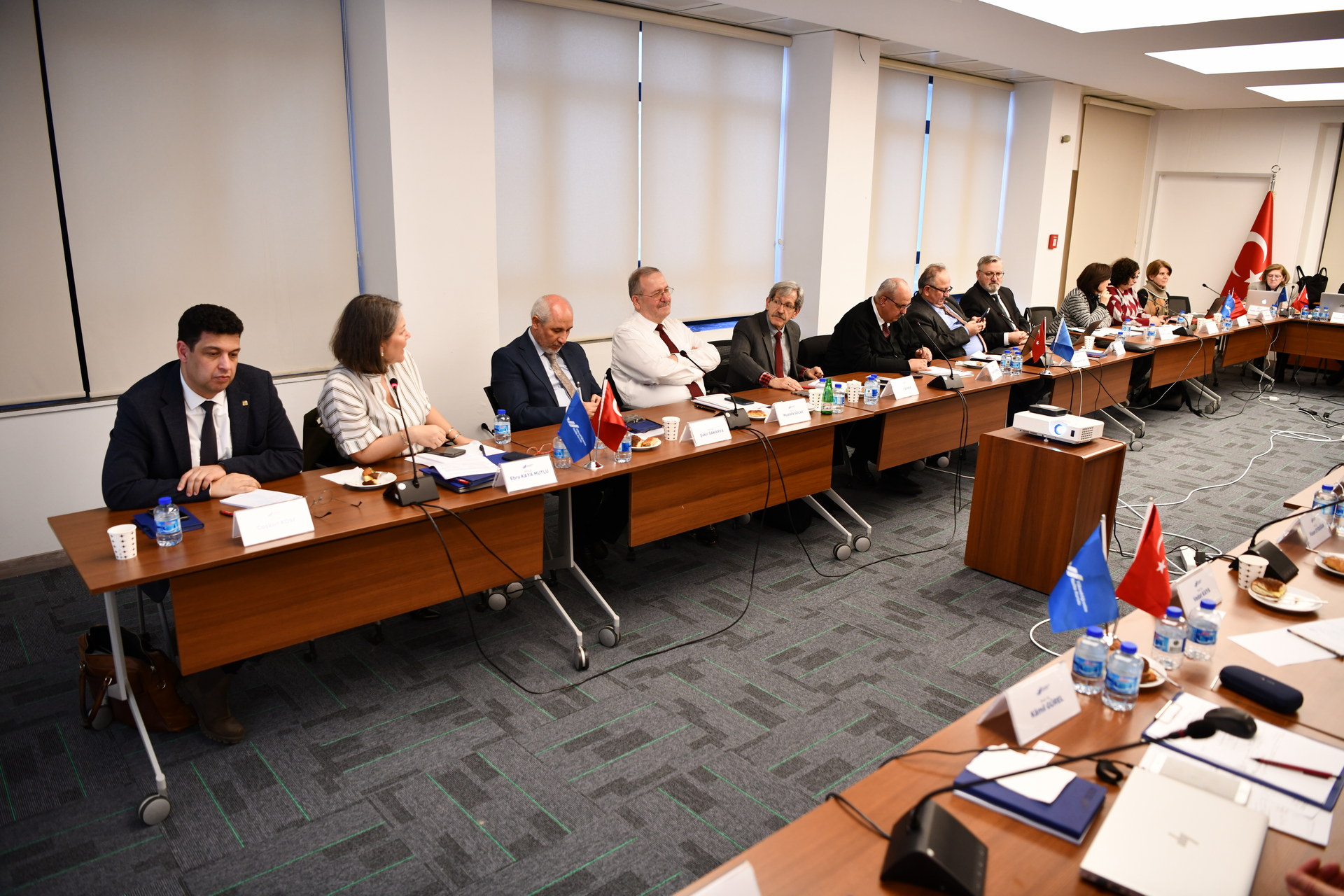
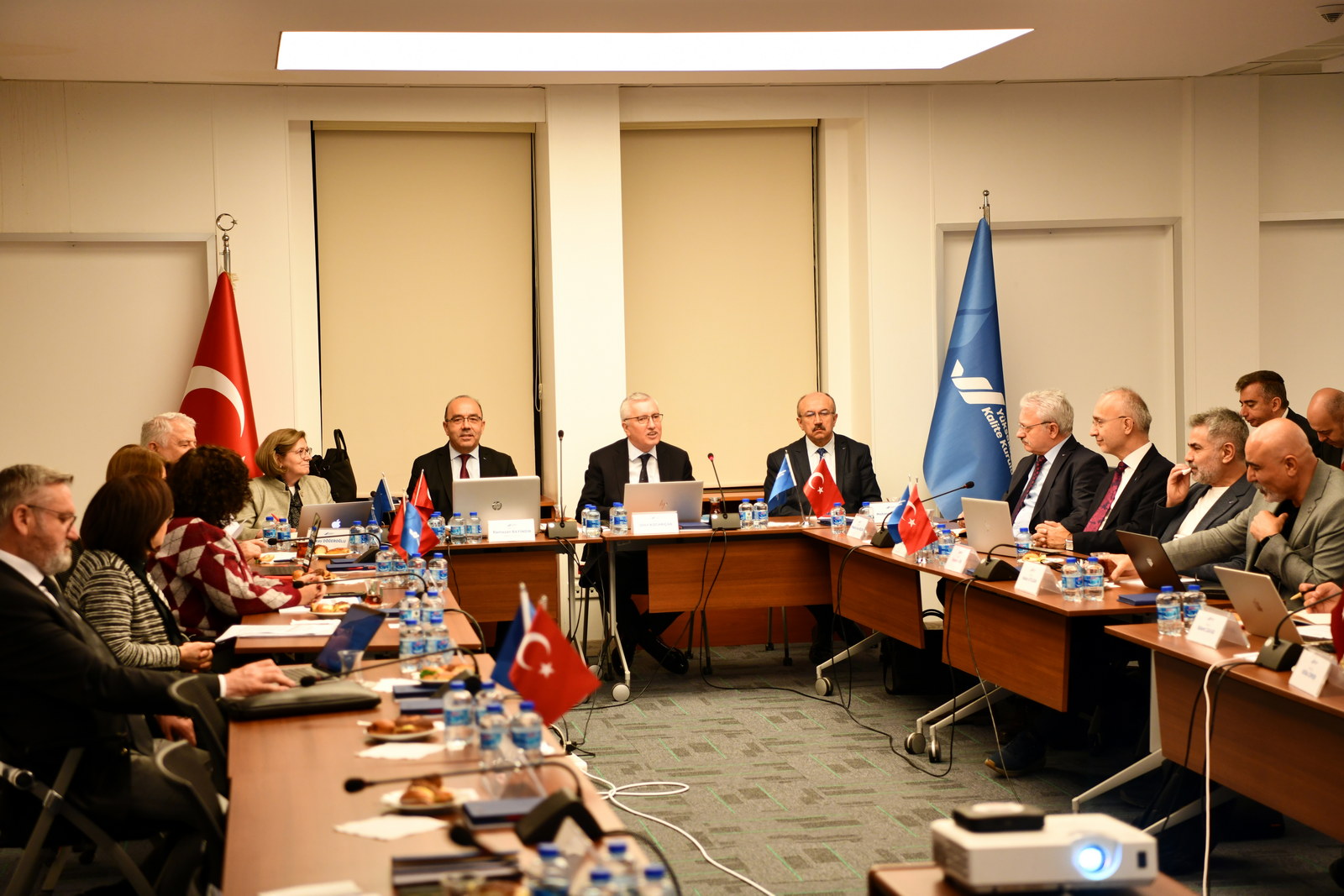
The workshop, held at the THEQC Meeting Hall on 2 April 2026, was attended by numerous invited academics as well as Prof. Ümit Kocabıçak, THEQC President, Prof. Ramazan Bayındır, THEQC Vice President, and THEQC staff.
Commencing with the overview presentation by President Kocabıçak, the workshop addressed topics such as the preparations for the second cycle institutional accreditation, a review of the current pre-visit and site visit programs, deviations observed in sub-criterion consistency, and prominent criteria in this context.
President Kocabıçak reminded the participants that the first certificates within the scope of the Institutional Accreditation Program (IAP) conducted by THEQC for HEIs began to be awarded in 2021. Then, he stated that the practices in this first cycle produced significant outcomes in terms of establishing internal quality assurance systems in HEIs, developing the maturity of ISER writing, and disseminating the PDCA evaluation logic.
Pointing out that the CoHE 2030 vision document sets forth quality-oriented process management and leadership, digital transformation and data-driven management, national and international reputation and visibility, entrepreneurship and innovation, artificial intelligence, employment-oriented education, and sustainability as transformation axes in Turkish higher education, President Kocabıçak said that, in this context, the second cycle model requires evaluating not only the existence of processes but also the institutions’ capacity to adapt to changing conditions and generate value.
He expressed that the second cycle institutional accreditation model should be designed as an evaluation structure that is compliant with the ESG, aligned with CoHE 2030, responsive to mission differentiation, takes artificial intelligence and digital transformation into account, and prioritises institutional effectiveness and maturity.
During the day-long workshop, detailed evaluations were made under headings such as the purpose and structure of the proposed second cycle model, the Turkish context and design principles of the model, different priorities like digital transformation and artificial intelligence, the mission-based differentiation framework, the criteria structure based on mission differentiation, and maturity level-based evaluation.